1. Charleston, South Carolina
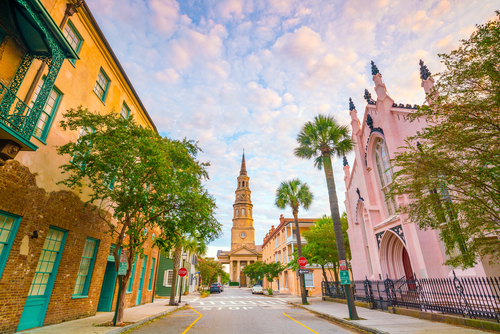
Charleston’s historic district is filled with pastel homes, gas lanterns, and wrought-iron gates. The architecture reflects a mix of colonial, Georgian, and antebellum styles. Its waterfront and church steeples create a skyline that hasn’t changed dramatically in generations. It’s one of the most recognizable preserved city centers in the country.
Strict zoning and preservation laws help maintain that visual continuity. Even new construction must blend with the historic character. Walking along streets like Rainbow Row feels like stepping into a carefully colored postcard. The consistency makes the illusion especially strong.
2. St. Augustine, Florida
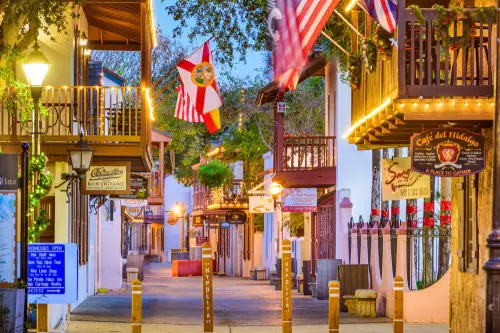
St. Augustine’s historic center feels like it was designed to be printed on sepia-toned postcards. As the oldest continuously inhabited European-established city in the U.S., its streets are lined with Spanish colonial architecture and narrow lanes. Landmarks like the central plaza and centuries-old buildings create a layered, preserved look. It’s the kind of place where even casual corners feel staged for a photograph.
Strict preservation efforts have kept modern development from overwhelming the historic district. Walking through the town center, you’ll notice wrought-iron balconies, coquina stone walls, and shaded courtyards. Horse-drawn carriages still pass through, reinforcing the old-world atmosphere. It’s easy to forget you’re in modern Florida at all.
3. Savannah, Georgia
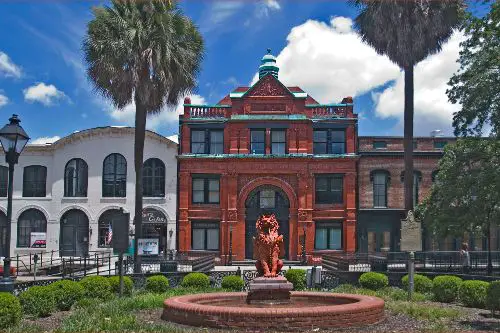
Savannah’s downtown is famous for its grid of public squares, each surrounded by historic homes and moss-draped oak trees. The layout, dating back to the 18th century, gives the entire area a symmetrical, postcard-ready feel. Cobblestone streets and preserved facades make it look frozen in time. Every turn seems to frame a perfectly composed scene.
Preservation has been a major priority here for decades. Many buildings maintain their original exteriors, even as interiors have adapted to modern use. The slow pace of life in the historic district adds to the illusion. It feels less like a recreated space and more like a living postcard.
4. Newport, Rhode Island
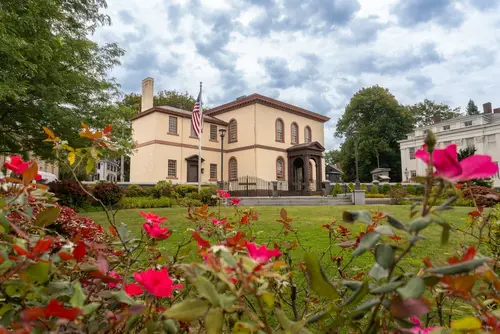
Newport’s downtown mixes colonial streets with Gilded Age elegance. Brick sidewalks, historic inns, and harbor views give it a distinctly classic New England look. The waterfront area has been a focal point for centuries. Sailboats and historic buildings complete the postcard effect.
The city has preserved much of its architectural heritage. Even as tourism grew, the core layout remained intact. Shops and restaurants occupy old structures rather than replacing them. The result feels authentic rather than reconstructed.
5. Cape May, New Jersey
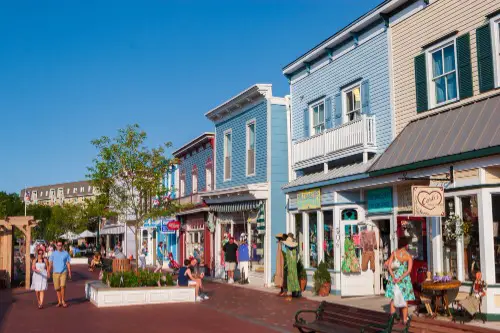
Cape May is known for its dense collection of Victorian homes and buildings. The entire town center feels like a curated snapshot from the late 19th century. Colorful facades, ornate trim, and wraparound porches define the streets. It’s one of the most cohesive historic districts in the U.S.
A devastating fire in 1878 led to a rapid rebuilding in a consistent style. That accident ended up creating the unified look visitors see today. Preservation efforts have kept those details intact. Walking through town feels like stepping into a vintage seaside postcard.
6. Williamsburg, Virginia
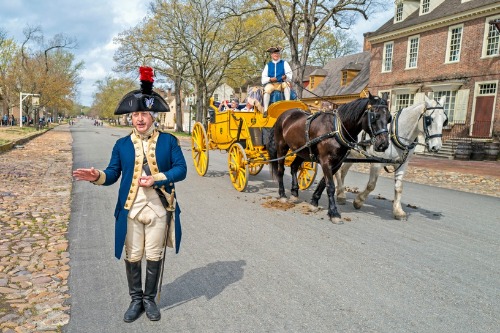
Williamsburg’s historic area is closely tied to its colonial past. Restored buildings, period-style streets, and costumed interpreters create a highly immersive environment. The layout reflects 18th-century planning and architecture. It feels intentionally preserved down to the smallest detail.
The restoration work began in the early 20th century and continues today. Strict guidelines maintain historical accuracy in the town center. Even signage and street materials are designed to match the era. The result looks remarkably consistent with old illustrations and postcards.
7. Bar Harbor, Maine
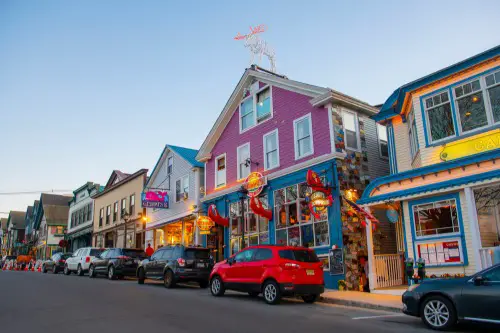
Bar Harbor’s downtown sits right along the coast with views of boats and rocky shoreline. Historic inns, clapboard buildings, and tree-lined streets give it a classic New England feel. The town developed as a summer destination in the late 1800s. That legacy still shapes its appearance today.
Many buildings reflect that era of early tourism and coastal charm. The surrounding landscape adds to the postcard-like quality. Shops and cafes operate within preserved structures. It feels like a place where the visual identity hasn’t drifted far from its past.
8. Leavenworth, Washington
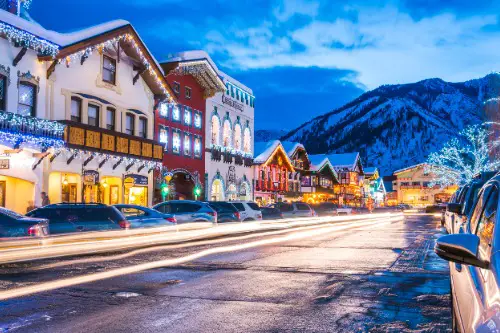
Leavenworth’s town center is styled to resemble a Bavarian village. Alpine-inspired buildings, painted facades, and decorative woodwork define the streets. The transformation began in the 1960s as a tourism strategy. It turned the town into a themed destination.
The design is consistent across storefronts and public spaces. Seasonal festivals reinforce the European aesthetic. While it’s not historically Bavarian, the visual cohesion is striking. It feels like stepping into a postcard from another country.
9. Galena, Illinois
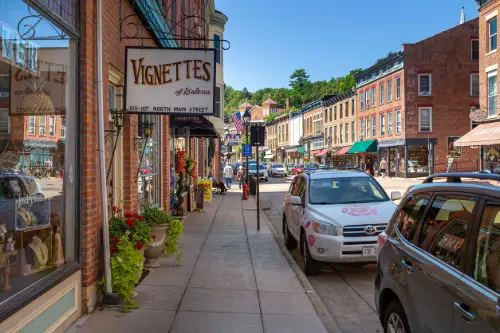
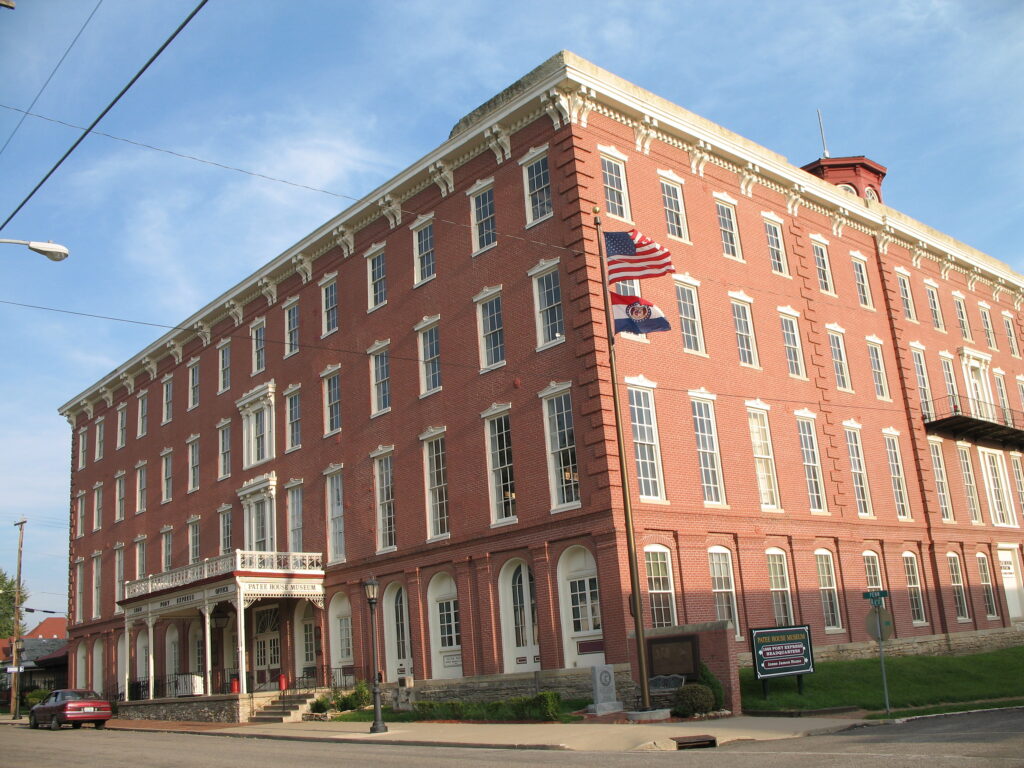
Galena’s downtown is packed with 19th-century buildings along a winding river. Once a major lead mining center, it retained much of its early architecture. Brick storefronts and narrow streets create a preserved historic core. The town avoided large-scale redevelopment that altered similar places.
Many structures date back to before the Civil War. That continuity gives the entire district a uniform look. Modern businesses operate within those historic shells. It feels like a place where time slowed rather than moved on.
10. Santa Fe, New Mexico
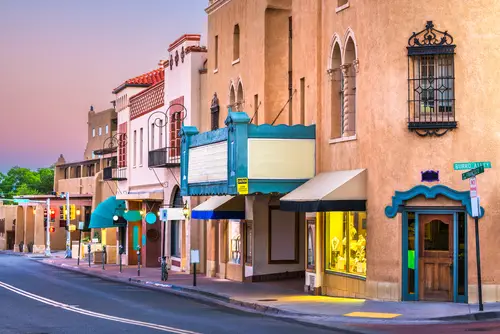
Santa Fe’s central plaza is surrounded by adobe-style buildings that define its visual identity. The Pueblo Revival architecture creates a consistent and instantly recognizable look. Earth-toned walls, wooden beams, and flat roofs dominate the scene. It feels both historic and culturally distinct.
Local regulations require new construction to follow similar design principles. That has preserved the aesthetic across generations. The result is a cohesive town center unlike anywhere else in the U.S. It looks remarkably similar to early photographs and artwork of the area.
11. Nantucket, Massachusetts
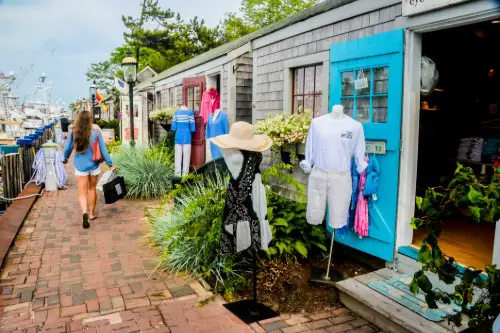
Nantucket’s downtown is known for cobblestone streets and gray shingle buildings. The island’s whaling-era prosperity shaped its architectural style. Strict preservation rules have kept that look largely intact. Even small details like signage and paint colors follow guidelines.
The harbor setting adds to the historic atmosphere. Boats, docks, and weathered textures complete the scene. Walking through town feels like entering a maritime postcard. The consistency is what makes it so convincing.
12. Telluride, Colorado
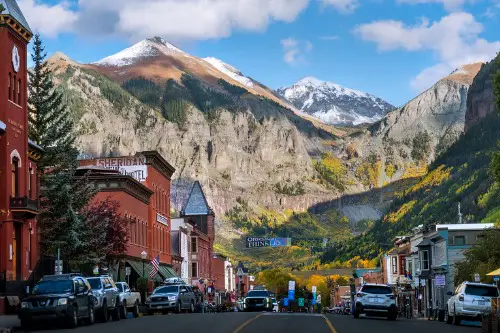
Telluride’s town center sits in a box canyon surrounded by dramatic mountains. Its mining-era buildings line a compact grid of streets. The preserved facades reflect late 19th-century construction. The natural backdrop makes everything feel even more cinematic.
Historic preservation has limited major structural changes. Many original buildings still define the streetscape. Seasonal tourism hasn’t erased the old-town feel. It looks like a frontier postcard with a mountain backdrop.
13. Deadwood, South Dakota
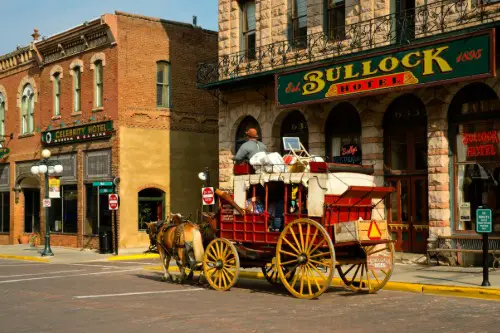
Deadwood’s downtown still reflects its gold rush origins. Wooden storefronts and historic facades line the main street. The town’s layout hasn’t changed dramatically since the late 1800s. It retains the look of a classic Western boomtown.
Preservation and tourism have kept that visual identity intact. Even modern businesses operate within historic buildings. The setting feels intentionally frozen in time. It’s easy to picture it exactly as it appeared in old postcards.
This post U.S. Town Centers That Look Almost Exactly Like Old Postcards was first published on American Charm.