
1. St. Augustine, Florida
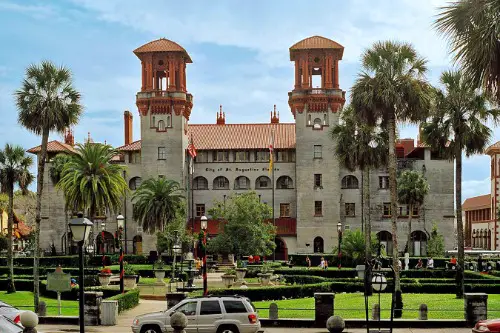
Walking through downtown St. Augustine feels like stepping into a hand-tinted postcard from another century. Spanish colonial architecture, narrow brick streets, and wrought-iron balconies set the tone immediately. Landmarks like Castillo de San Marcos anchor the historic waterfront skyline. The city’s layout still reflects its 16th-century origins.
Preservation rules have kept modern development from overwhelming the historic core. Horse-drawn carriages and pedestrian lanes add to the old-world atmosphere. Even souvenir shops are tucked into centuries-old buildings. It’s the kind of place where nearly every corner looks frame-worthy.
2. Savannah, Georgia
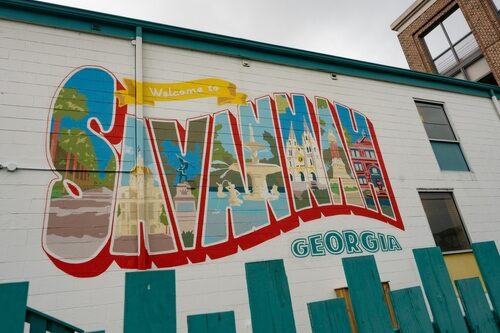
Savannah’s historic district is famous for its grid of leafy public squares. Cobblestone streets and oak trees draped in Spanish moss create a soft, timeless look. Elegant townhouses and preserved 18th- and 19th-century buildings line the blocks. The riverfront adds another layer of historic character.
The city’s original 1733 layout is still intact and walkable today. Careful preservation keeps modern signage and construction subtle. Street scenes often look unchanged from early travel photography. It’s easy to imagine arriving by steamboat instead of car.
3. Charleston, South Carolina
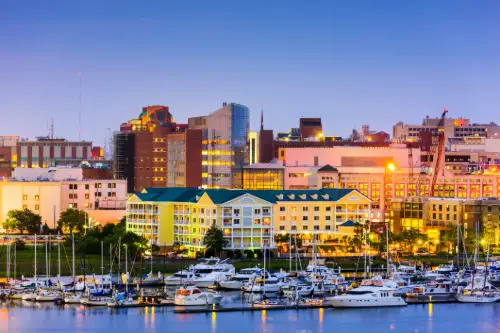
Charleston’s pastel row houses and church steeples define its skyline. The Battery promenade frames historic mansions facing the harbor. Gas lanterns and iron gates add texture to residential streets. The overall effect feels meticulously preserved rather than recreated.
Strict conservation efforts protect the city’s architectural identity. Many buildings date back to the 18th and early 19th centuries. Carriage tours roll past facades that look postcard-ready in any light. The historic peninsula keeps its visual continuity block after block.
4. Newport, Rhode Island
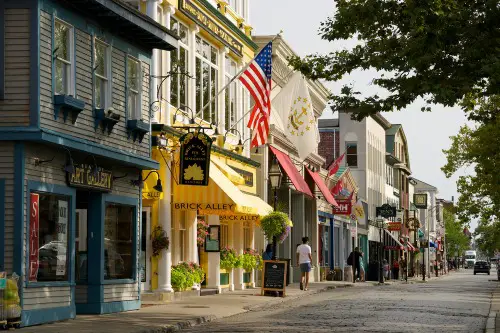
Newport’s downtown blends colonial streets with Gilded Age grandeur. Brick storefronts and harbor views create classic New England scenery. Church spires rise above compact, walkable blocks. The waterfront still feels tied to its maritime past.
Preserved mansions and historic inns reinforce the period atmosphere. Thames Street retains its old commercial character with low-rise buildings. Sailboats in the harbor complete the postcard effect. The town center looks curated by history itself.
5. Cape May, New Jersey
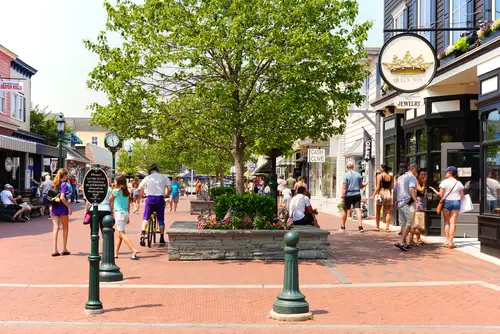
Cape May is known for one of the largest collections of Victorian architecture in the country. Painted “gingerbread” homes line quiet streets near the beach. The compact downtown mixes boutiques with preserved historic hotels. Colorful facades feel lifted from turn-of-the-century travel prints.
The entire city is a National Historic Landmark district. Building restorations maintain original trim and period details. Even modern businesses operate inside preserved structures. It’s seaside nostalgia that still feels lived in.
6. Leavenworth, Washington
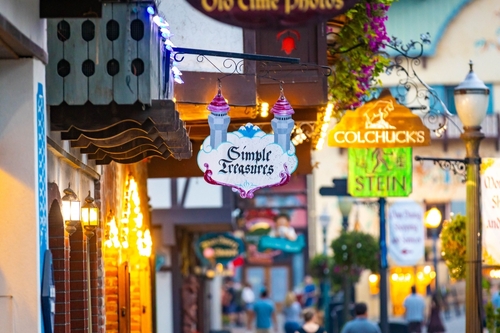
Leavenworth looks like a Bavarian alpine village dropped into the Cascades. Timber-framed buildings and painted murals define the town center. Flower boxes and pedestrian streets enhance the storybook feel. Mountain backdrops complete the illusion.
The city adopted a Bavarian theme in the 1960s to revive tourism. Local design rules require Alpine-style architecture for downtown buildings. Seasonal festivals lean fully into the aesthetic. Every angle feels intentionally postcard-perfect.
7. Solvang, California
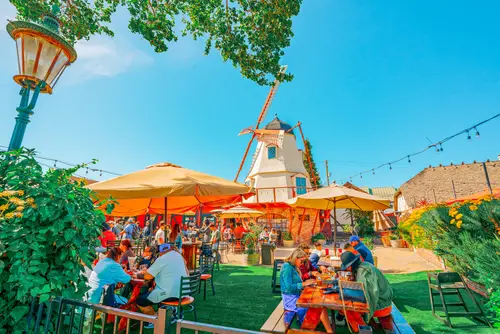
Solvang’s windmills and Danish-style buildings stand out immediately. Half-timbered facades and old-world rooflines shape the main streets. Bakeries and courtyards reinforce the European village atmosphere. It feels distinct from typical California towns.
Founded by Danish immigrants in 1911, the town celebrates its heritage visually. Architectural guidelines preserve the cohesive style. Walkability keeps the center lively without feeling modernized. It’s a cultural time capsule with fresh pastries.
8. Galena, Illinois
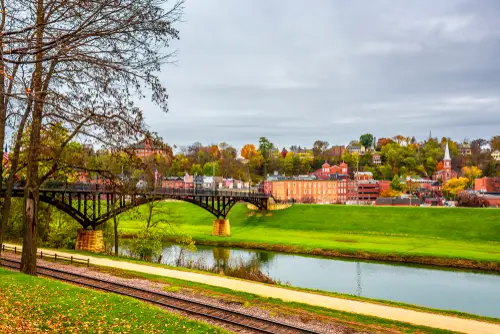
Galena’s Main Street slopes downhill in a line of 19th-century brick buildings. Ornate cornices and vintage storefronts remain carefully preserved. Hillside homes overlook the compact commercial district. The streetscape feels frozen in the steamboat era.
Most downtown structures survived modernization waves. Historic preservation keeps signage and renovations period-appropriate. The setting once supported lead mining wealth and river trade. Today it looks remarkably like early tourism postcards.
9. Deadwood, South Dakota
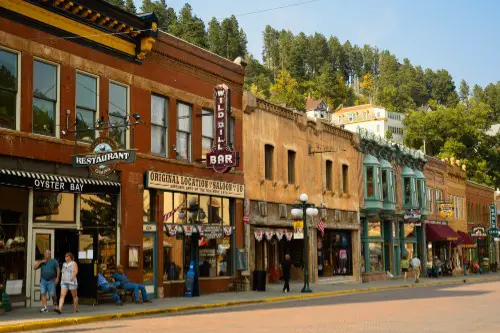
Deadwood’s wooden sidewalks and brick facades echo its frontier past. False-front buildings and saloon-style storefronts line the main drag. The surrounding Black Hills add cinematic scenery. Its layout still follows the original gold rush boomtown footprint.
Historic preservation maintains its late-1800s character. Landmarks tied to Wild West history anchor the district. Modern casinos operate inside restored period buildings. The blend keeps the past visually front and center.
10. Eureka Springs, Arkansas
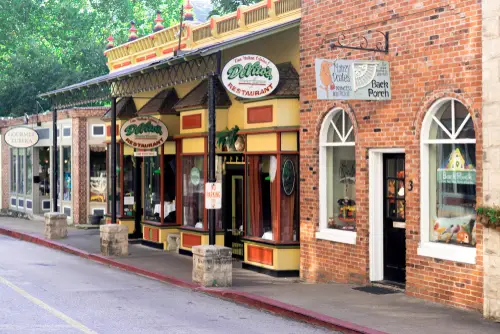
Eureka Springs is built into steep Ozark hills with winding Victorian streets. Stone staircases connect narrow lanes and hidden courtyards. Colorful preserved buildings cluster tightly downtown. The town center feels organically old rather than planned.
Nearly every structure dates to the late 19th or early 20th century. The entire downtown is listed on the National Register of Historic Places. Cars share space with pedestrians on tight historic roads. It feels like discovering a preserved mountain postcard.
11. Bar Harbor, Maine
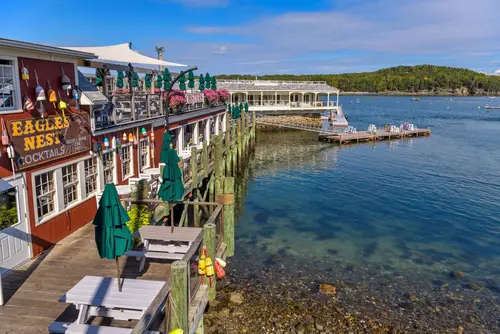
Bar Harbor’s coastal downtown mixes clapboard buildings with harbor views. Historic inns and storefronts face quiet walkable streets. Fishing boats and tour vessels fill the scenic waterfront. The setting reflects its long maritime heritage.
The town grew as a 19th-century resort destination. Architectural preservation keeps the center cohesive. Acadia National Park nearby limits overdevelopment. The result is classic New England charm that still looks authentic.
12. Telluride, Colorado
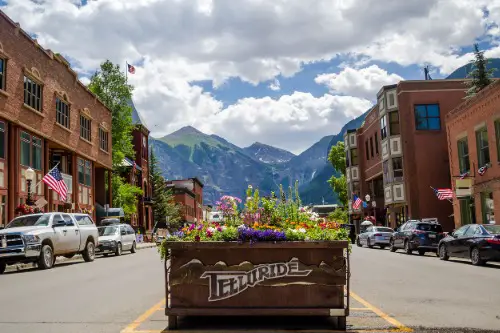
Telluride sits in a box canyon framed by dramatic mountain walls. Its compact downtown features preserved brick and wood storefronts. False-front buildings reflect its mining-era origins. The main street still follows its 19th-century layout.
Strict historic district rules guide renovations and new construction. Cars feel secondary to the pedestrian-friendly streets. Gondolas rise overhead while the streets stay visually old-fashioned. The blend of scenery and preservation feels timeless.
13. Mackinac Island, Michigan
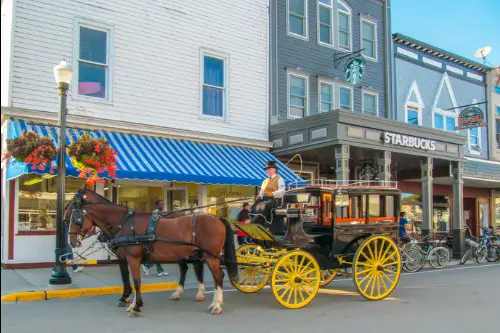
Mackinac Island’s downtown avoids cars entirely, preserving a slower rhythm. Victorian storefronts and historic hotels line the waterfront streets. Horse-drawn carriages replace traffic noise. The harbor remains the island’s social center.
Most buildings date back to the late 1800s resort era. Preservation efforts maintain period details and paint schemes. Bicycles and pedestrians fill the compact streets. It looks and sounds like a lakeside postcard brought to life.
This post U.S. Town Centers That Look Almost Exactly Like Old Postcards was first published on American Charm.

