
1. West Virginia
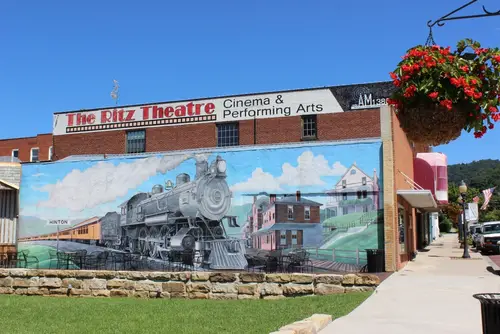
West Virginia has been losing young residents for decades, and there’s little to suggest that trend will reverse by 2026. Job growth remains slow, especially in industries that typically attract people in their 20s and early 30s. Many college graduates leave the state for neighboring metros like Pittsburgh, Columbus, or Charlotte. The population is also aging quickly, which compounds the imbalance between older and younger residents.
Housing may be affordable, but limited career mobility keeps many young adults from settling long term. Broadband access and infrastructure gaps continue to matter more as remote and tech-enabled work becomes the norm. Cultural and nightlife options remain concentrated in a few pockets, leaving much of the state feeling isolated to younger people. All of this makes West Virginia a consistent source of out-migration rather than a destination.
2. Illinois
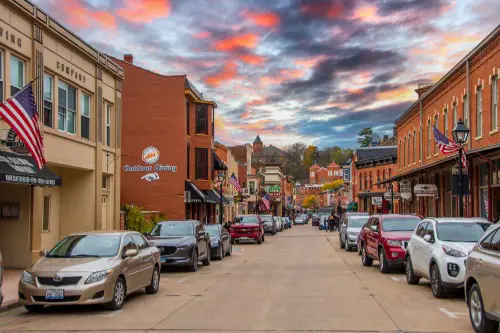
Illinois continues to see young people leave, especially from Chicago’s outer neighborhoods and downstate cities. High taxes and fiscal uncertainty remain common concerns for early-career workers. While Chicago still attracts students, many leave after graduation for faster-growing job markets. Downstate areas, in particular, struggle to replace aging populations with younger residents.
Housing costs in the Chicago metro have risen faster than wages in many fields. Young families often look to nearby states like Indiana or Wisconsin for lower costs and less financial pressure. Political gridlock and pension issues also contribute to a sense of instability. These factors make Illinois vulnerable to continued youth losses into 2026.
3. Louisiana
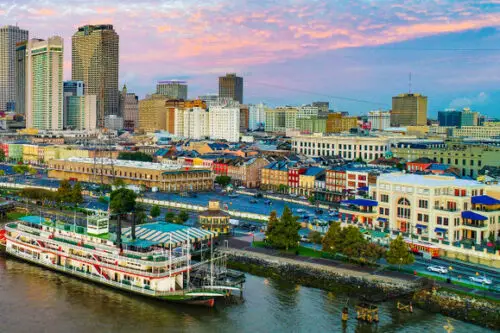
Louisiana’s young adult population has been shrinking due to a mix of economic and environmental pressures. Job growth outside energy, healthcare, and tourism remains limited. Hurricanes and repeated flooding have made long-term planning harder for young families. Many graduates leave for Texas or Georgia, where opportunities feel more plentiful.
Crime concerns in major cities also influence relocation decisions for younger residents. Public education challenges affect whether young adults see the state as a place to raise children. Wages often lag behind national averages, even as insurance and housing costs rise. Together, these trends point to continued out-migration among the youngest age groups.
4. Mississippi
Mississippi regularly ranks near the bottom nationally for income and job availability for young workers. Many of the state’s brightest students leave for college and don’t return. Economic opportunities are heavily concentrated in a few metro areas, limiting options. Rural regions, in particular, continue to lose population steadily.
Healthcare access and quality-of-life metrics also factor into decisions to leave. Young adults often cite limited upward mobility as a reason for relocating. Infrastructure and broadband gaps affect both remote work and entrepreneurship. These conditions suggest Mississippi will keep losing young residents in 2026.
5. Alaska

Alaska’s population trends are heavily shaped by cost of living and geographic isolation. Young adults often arrive for short-term work but leave within a few years. Housing, food, and transportation costs are among the highest in the country. Many younger residents move south for education and don’t return.
The state’s economy remains closely tied to oil, which creates boom-and-bust cycles. Limited career diversity makes long-term planning difficult for early-career professionals. Climate challenges and infrastructure costs also weigh heavily on the state budget. These factors make sustained youth retention difficult.
6. Wyoming
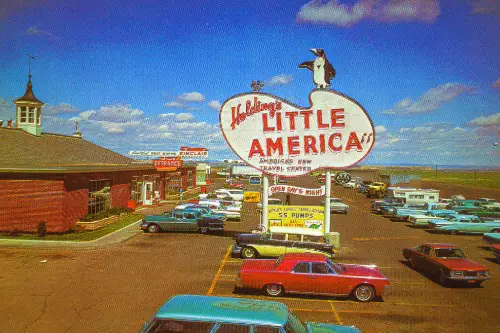
Wyoming has one of the smallest and oldest populations in the U.S. Job opportunities for young adults are limited outside energy and tourism. Many young people leave for college and find broader options elsewhere. The state struggles to attract replacements at the same pace.
Housing shortages in resort areas make it hard for young workers to stay. Wages often don’t align with rising living costs in popular towns. Social and cultural amenities are limited outside a few communities. As a result, Wyoming continues to see net losses among younger residents.
7. North Dakota
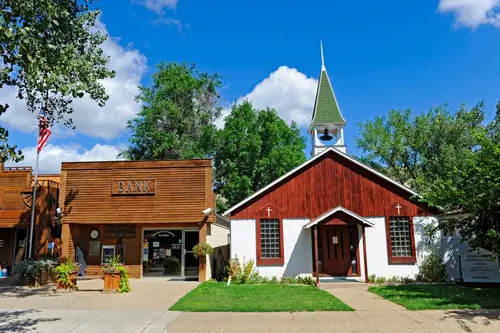
North Dakota’s population growth slowed sharply after the oil boom cooled. Young workers who arrived for energy jobs often left when opportunities declined. The economy remains relatively narrow, making it vulnerable to commodity swings. Many younger residents move to larger metros in the Midwest.
Cold weather and geographic isolation also influence relocation decisions. College graduates frequently leave for Minneapolis, Denver, or Chicago. While quality of life is strong for some, it doesn’t offset limited career paths for many. This keeps youth out-migration elevated.
8. New Mexico
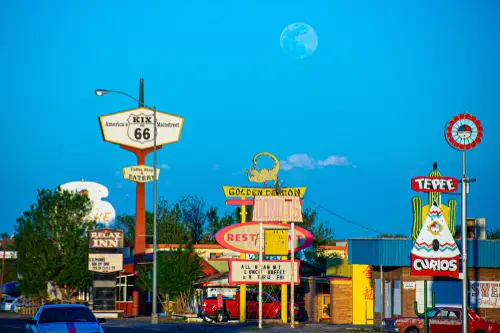
New Mexico faces persistent challenges in retaining young residents. Job growth is uneven and heavily concentrated in government, labs, and healthcare. Many young adults leave for higher-paying opportunities in neighboring states. Education outcomes also influence long-term population trends.
Housing shortages in Santa Fe and Albuquerque add pressure for early-career workers. Wages often lag behind national averages while costs rise. Infrastructure and healthcare access vary widely by region. These factors make it hard to keep younger residents long term.
9. Arkansas
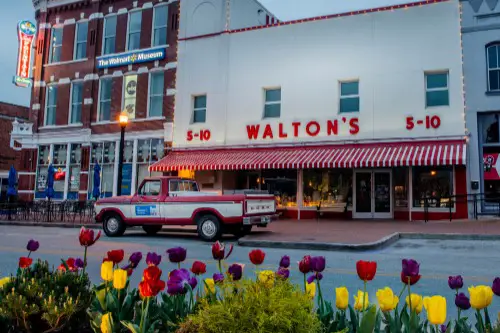
Arkansas has made some economic gains, but youth out-migration remains an issue. Opportunities are concentrated in northwest Arkansas and Little Rock. Many rural areas continue to lose young people steadily. College graduates often leave for larger cities in Texas or Tennessee.
Public health and education rankings influence where young families choose to live. Wage growth hasn’t kept pace with rising housing and childcare costs. Cultural amenities are limited outside a few metros. These pressures point to continued losses among younger residents.
10. Kentucky

Kentucky struggles with regional economic disparities that affect young adults. Job growth is strongest in Louisville and Lexington, leaving other areas behind. Many young residents move to nearby states for better pay. Health outcomes and addiction issues also shape perceptions of opportunity.
Rural broadband gaps make remote work harder to sustain. Education attainment levels lag behind national averages. Young families often look elsewhere for long-term stability. These factors contribute to ongoing youth population decline.
11. Alabama
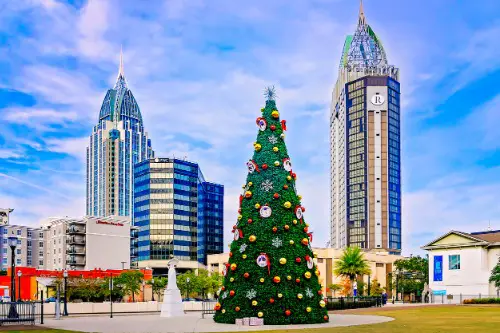
Alabama’s population growth hides underlying youth out-migration in many counties. Job opportunities are unevenly distributed across the state. Young adults often leave smaller towns for Atlanta, Nashville, or Dallas. Wages in many sectors trail national averages.
Education and healthcare access vary widely by region. Cultural and lifestyle amenities are concentrated in a handful of cities. Infrastructure challenges affect long-term economic development. As a result, Alabama continues to lose younger residents overall.
12. Oklahoma
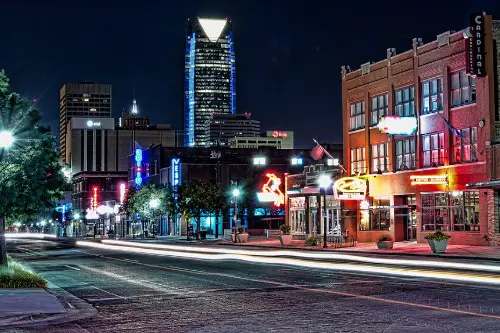
Oklahoma’s economy remains heavily tied to energy, creating volatility. Young workers often leave during downturns and don’t return. Job diversification has lagged behind faster-growing states. Many graduates relocate to Texas metros for broader opportunities.
Housing may be affordable, but wage growth is inconsistent. Public education funding challenges influence family decisions. Extreme weather events also affect perceptions of stability. These trends suggest continued youth losses into 2026.
13. South Dakota
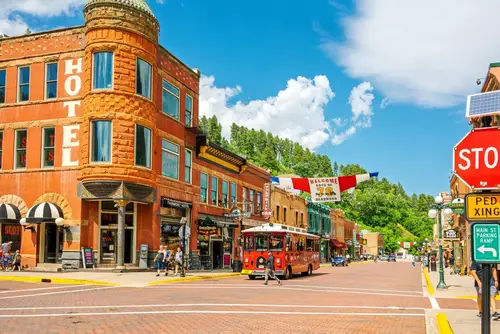
South Dakota has seen modest growth, but young adults still leave in significant numbers. Job opportunities are limited outside healthcare, agriculture, and tourism. Many young residents move to larger cities in neighboring states. College retention remains a challenge.
Cold winters and rural isolation influence lifestyle choices. Wages often don’t align with rising housing costs in growing areas. Cultural amenities are limited for younger demographics. Together, these factors point to continued out-migration among the youngest residents.
This post U.S. States Set to Keep Losing Their Youngest Residents in 2026 was first published on American Charm.

