
1. Alaska
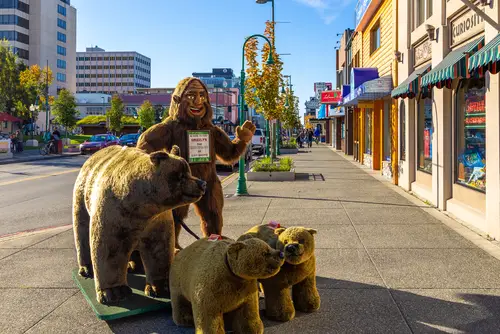
In Alaska, seasonality isn’t a quirk of the labor market, it’s the operating system. Fishing, tourism, construction, and even public infrastructure work ramp up hard between late spring and early fall when daylight and weather cooperate. During winter, many of those jobs disappear or shrink dramatically because transportation, safety, and demand all change. As a result, workers often expect to earn most of their income in a compressed summer window.
This rhythm affects everything from housing to hiring practices. Employers commonly recruit months in advance and offer short, intense contracts rather than permanent roles. Many workers stack jobs back-to-back during peak season and then leave the state or switch industries in winter. That pattern has become normalized enough that year-round employment is often the exception.
2. Florida

Florida’s economy bends heavily around tourism, and that tourism is seasonal whether locals like it or not. Winter brings snowbirds, convention traffic, and international visitors, while summer demand shifts toward families and regional travel. Hospitality, retail, and service jobs expand and contract in response, often on predictable annual cycles. Workers learn quickly that hours and paychecks change with the calendar.
Beyond tourism, weather plays a role in shaping work patterns. Hurricane season influences construction schedules, insurance work, and even municipal staffing. Some outdoor and coastal jobs slow during the hottest months due to heat and storm risk. Over time, many Floridians plan their finances around these recurring ups and downs.
3. Hawaii

Hawaii’s isolation and visitor-driven economy make seasonal work a default reality for many residents. Tourism peaks during winter and summer travel seasons, directly affecting hotels, restaurants, tour operators, and transportation jobs. Shoulder seasons bring noticeable slowdowns, and employers often reduce hours instead of maintaining full staffing. This creates a rolling cycle of abundance and scarcity in work availability.
Agriculture and ocean-related work reinforce that seasonality. Coffee harvests, fishing conditions, and surf tourism all fluctuate throughout the year. Because importing labor is costly and local housing is limited, employers rely on flexible staffing models. Workers, in turn, expect employment to ebb and flow rather than remain constant.
4. Upper Midwest Plains (North Dakota, South Dakota, Minnesota)
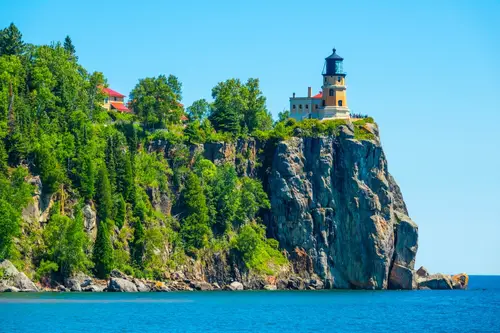
In the Upper Midwest plains, winter dictates what kind of work is possible. Construction, road maintenance, and energy-related field work slow dramatically once temperatures drop and snow sets in. Summer and early fall become the prime earning seasons, with long hours and accelerated project timelines. Seasonal layoffs are common and widely anticipated.
Agriculture reinforces this pattern across the region. Planting and harvest seasons create intense labor demand followed by quieter months. Many workers rotate between farming, construction, and trucking depending on the time of year. This cross-industry seasonality has made flexible employment the norm rather than the fallback.
5. Colorado Rockies and Mountain West Ski Regions
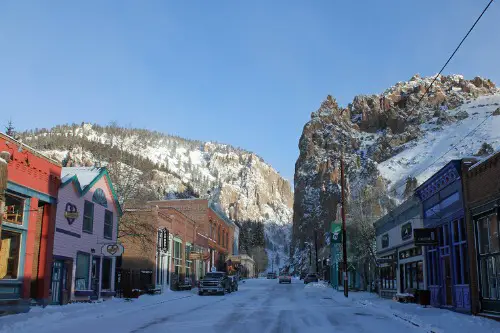
Ski towns in Colorado and the broader Mountain West run on two main gears: winter and summer. Winter brings ski resort jobs, hospitality roles, and retail work tied to snow sports. Summer shifts demand toward hiking, rafting, festivals, and construction projects paused during snow season. Few jobs stay stable across both peaks.
Housing shortages amplify the seasonal nature of work. Employers often offer short-term contracts aligned with tourist seasons because long-term housing for workers is scarce. Many workers migrate between mountain towns or even states to follow the seasons. That mobility has turned seasonal employment into an expected lifestyle rather than a temporary compromise.
6. California’s Central Valley
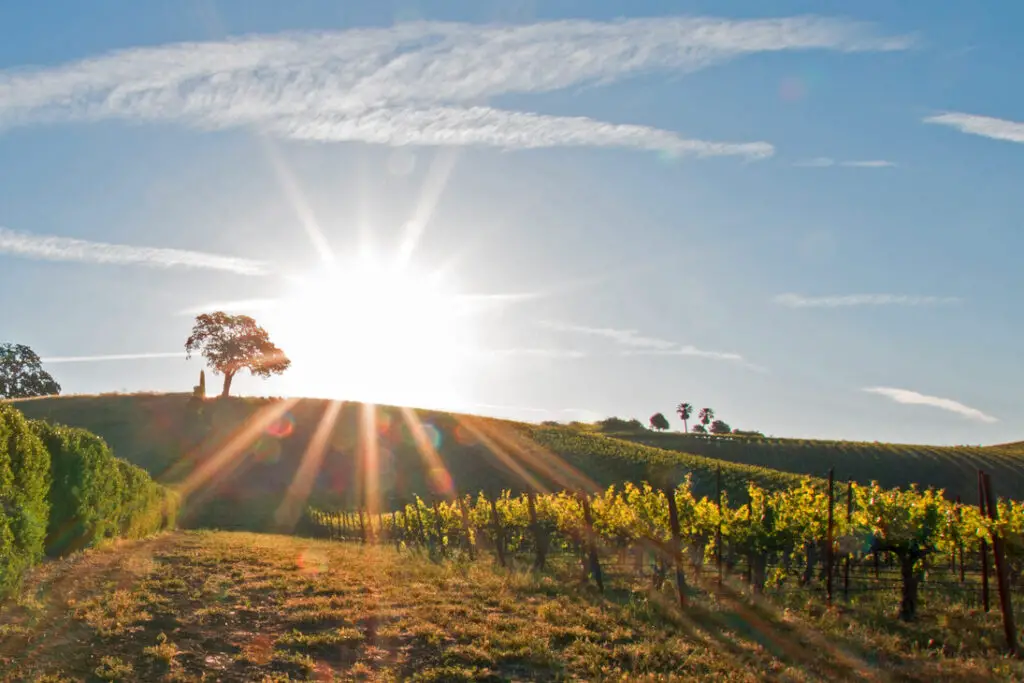
The Central Valley’s agricultural dominance makes seasonality unavoidable. Crop cycles for fruits, vegetables, and nuts dictate when labor is needed, often in intense bursts. Packing, processing, and transportation jobs rise and fall alongside harvest schedules. Workers frequently move between employers or regions as seasons change.
Even non-farm work feels the effects. Food processing plants, equipment maintenance, and logistics firms scale staffing based on agricultural demand. Extreme summer heat can also limit working hours and shift schedules. Over time, the region’s labor market has adapted to this predictable instability.
7. Pacific Northwest Coastal and Timber Regions
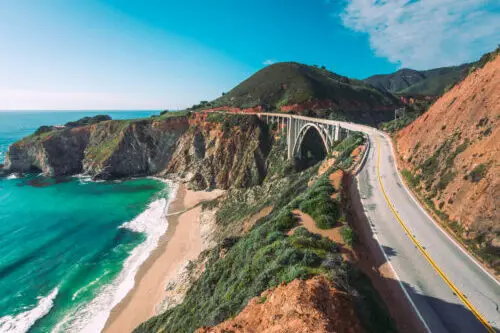
Along the coasts of Washington and Oregon, fishing seasons shape employment calendars. Commercial fisheries open and close based on quotas, species health, and environmental conditions. When seasons open, work is intense and time-sensitive; when they close, jobs vanish quickly. Workers often depend on a few critical months for most of their income.
Timber and forestry add another layer of seasonality. Wet winters and fire-prone summers influence when logging and forest management can occur. Environmental regulations further constrain work windows. The result is a workforce accustomed to planning life around seasonal access to jobs.
8. New England
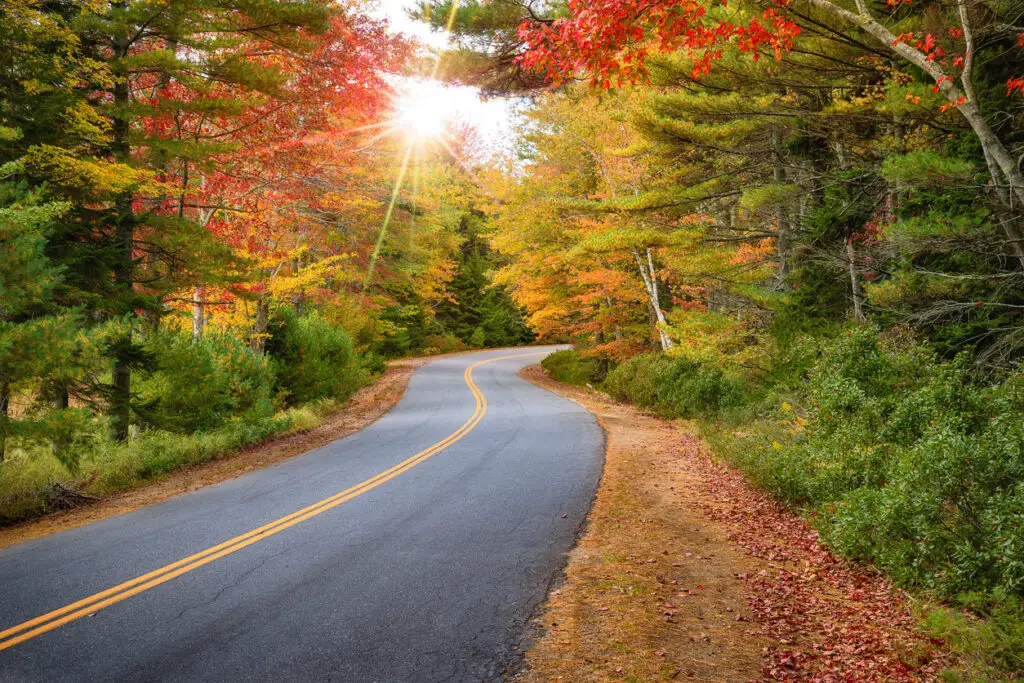
New England’s economy still carries the imprint of its tourism-driven summers. Coastal towns, lakeside communities, and historic destinations see job booms between late spring and early fall. Restaurants, shops, and tour services hire aggressively for a few months and then scale back. Many workers rely on summer earnings to get through the winter.
Weather also shapes construction and maritime work. Harsh winters slow building projects and limit offshore activity. Some industries compensate with winter-focused work, but many do not. As a result, seasonal employment cycles remain deeply ingrained in the region.
9. Arizona and the Desert Southwest
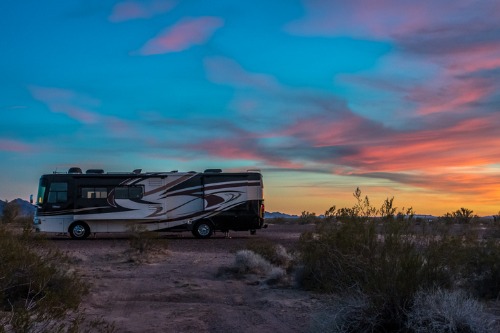
In Arizona, extreme heat flips the traditional work calendar. Outdoor jobs like construction, landscaping, and road work slow or shift schedules during peak summer heat. Cooler months bring a surge in activity as conditions become safer and more productive. Snowbird migration also boosts demand for service jobs in fall and winter.
Tourism follows this inverted seasonality. Visitors arrive when temperatures are tolerable and leave when they spike. Employers plan staffing around those predictable patterns. For workers, it’s understood that summer often means fewer hours or different kinds of work.
10. Gulf Coast (Louisiana and Texas Coastal Regions)
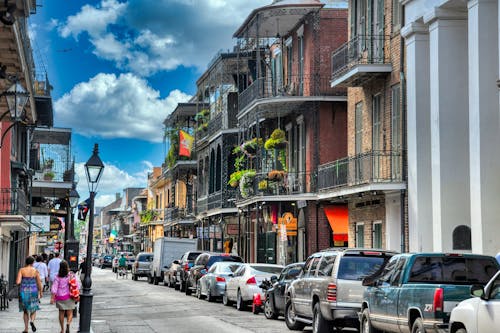
The Gulf Coast blends industrial work with weather-driven disruption. Energy, shipping, and petrochemical jobs operate year-round, but hurricane season creates pauses, shutdowns, and rebuilding cycles. Construction and repair work often spikes after storms, then tapers off. This creates uneven but recurring demand for labor.
Fishing and coastal tourism add to the seasonal mix. Shrimping seasons, beach travel, and festival schedules shape employment patterns. Employers expect workers to move between industries as conditions change. Over time, this adaptability has become a baseline expectation.
11. Appalachian Mountain Regions
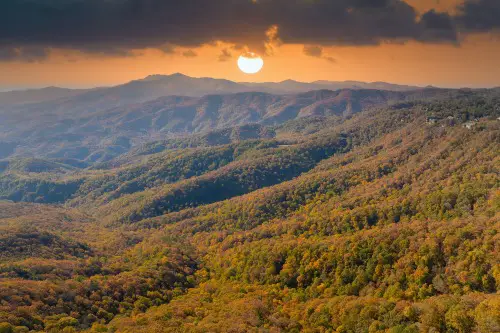
In Appalachia, geography and legacy industries shape seasonal work. Tourism tied to fall foliage, summer hiking, and winter recreation drives hiring in waves. Construction and infrastructure projects slow during winter due to terrain and weather. Even public-sector work can fluctuate with seasonal accessibility.
Extractive industries historically set the tone for irregular employment. While coal has declined, its boom-and-bust rhythm influenced regional labor expectations. Many workers now combine tourism, service, and trade work throughout the year. The result is a labor culture where seasonality feels normal rather than disruptive.
This post U.S. Regions Where Work Became Seasonal by Default was first published on American Charm.

