1. Austin, Texas
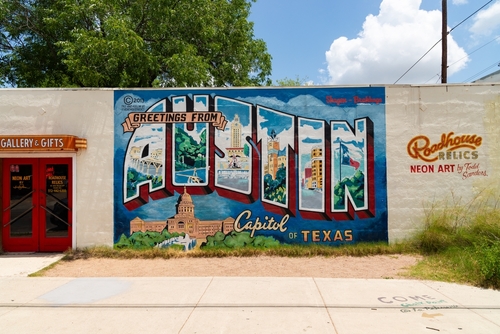
Austin spent decades branding itself as a laid-back college town with a strong music scene. Then, in the 2010s, it became one of the fastest-growing tech hubs in the country. Companies like Tesla and Oracle expanded major operations there, accelerating population growth. Longtime residents suddenly found themselves in a much busier, more expensive city.
Housing prices climbed rapidly as demand surged beyond expectations. Traffic congestion became a daily reality in areas that once felt easygoing. Neighborhoods changed quickly, sometimes within just a few years. The pace of transformation caught even locals off guard.
2. Boise, Idaho
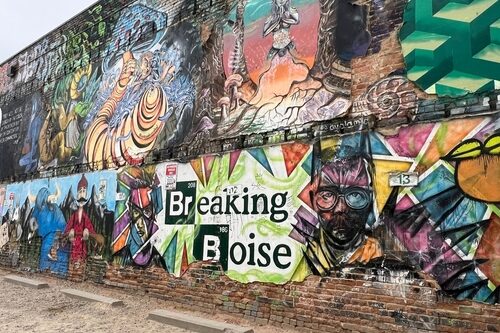
Boise was once considered a quiet, affordable place to live with steady but modest growth. During the pandemic era, it became one of the fastest-growing metro areas in the U.S. Remote work made it possible for newcomers to relocate from more expensive regions. The city’s population and housing demand surged almost overnight.
Home prices increased dramatically in a short period of time. Infrastructure and housing supply struggled to keep up with demand. Locals began to notice rapid shifts in neighborhood character. The suddenness of the boom made it feel especially unexpected.
3. Detroit, Michigan
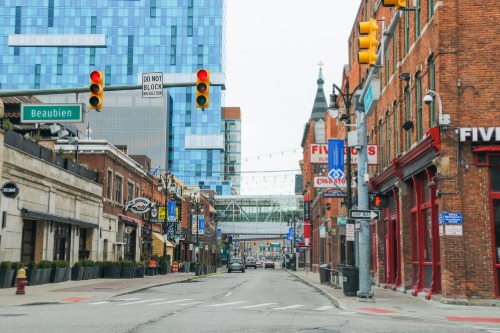
Detroit spent decades associated with industrial decline and population loss. In recent years, parts of the city have experienced a noticeable comeback. Downtown development, new businesses, and restored buildings signal renewed investment. The narrative has shifted faster than many expected.
Tech startups and small businesses have moved into previously underused spaces. Cultural institutions and entertainment districts have gained new attention. While challenges remain, the visible change is significant. It’s a reminder that urban trajectories can reverse direction.
4. Miami, Florida
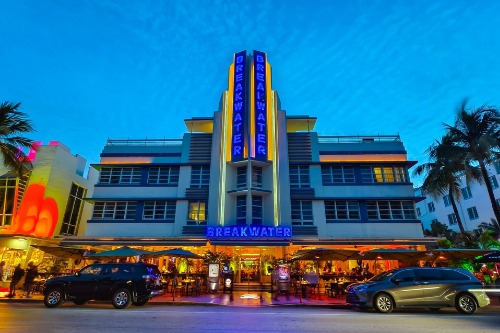
Miami has long been a major tourism and international business destination. Recently, it has also emerged as a growing tech and finance hub. An influx of companies and remote workers accelerated during the early 2020s. The city’s economic identity expanded quickly beyond its traditional base.
At the same time, rising sea levels and flooding risks have become more visible. Sunny-day flooding now occurs in some neighborhoods during high tides. That combination of rapid growth and environmental pressure creates a complex shift. Miami is changing in multiple ways at once.
5. Buffalo, New York
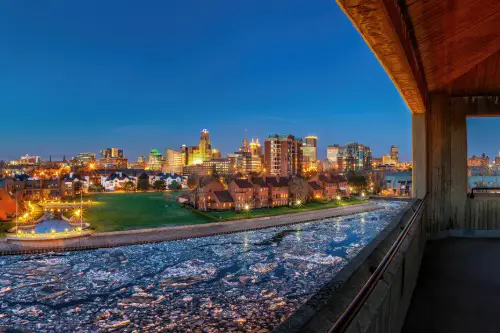
Buffalo was long seen as a Rust Belt city defined by population loss. Recently, it has drawn attention as a more affordable alternative to larger metros. Investment in downtown and waterfront areas has helped reshape its image. New residents have begun to take a second look.
Climate considerations also play a role in its renewed interest. Compared to coastal cities, Buffalo faces fewer immediate sea-level risks. That has led some to view it as a potential climate refuge. The shift from decline narrative to opportunity has been surprisingly quick.
6. Nashville, Tennessee
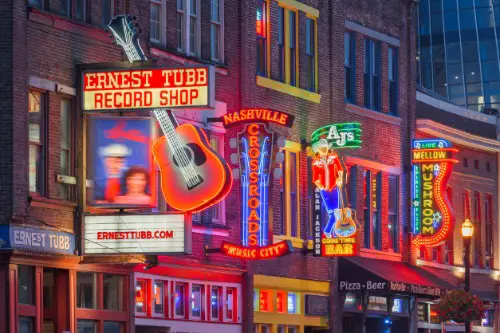
Nashville was traditionally known for country music and tourism. In the past decade, it has experienced rapid population and economic growth. Major employers and new industries have expanded in the area. The skyline itself has changed with new construction.
Housing demand increased alongside job opportunities. Longtime residents have seen neighborhoods transform rapidly. Traffic and infrastructure pressures followed the population boom. The speed of change has been a defining feature.
7. Phoenix, Arizona
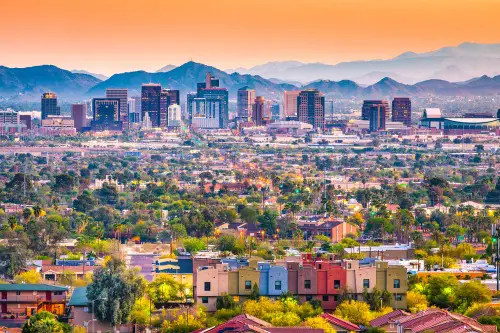
Phoenix has grown steadily for years, but recent growth has accelerated sharply. New residents continue to arrive from higher-cost states. Housing development has expanded outward into the desert. The metro area’s size and population keep climbing.
Extreme heat has also become a more pressing issue. Record-breaking summer temperatures have raised concerns about livability. Water supply discussions have become more urgent as the region grows. The combination of rapid expansion and environmental limits feels increasingly significant.
8. Bend, Oregon
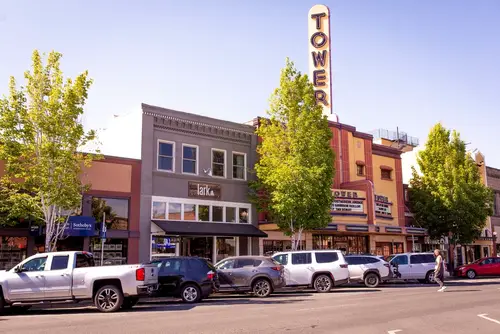
Bend was once a smaller outdoor recreation town with a modest population. Remote work and lifestyle changes brought a wave of new residents. The city’s natural surroundings made it especially attractive during the pandemic. Growth happened faster than many anticipated.
Housing costs rose sharply as demand increased. Local infrastructure faced pressure from the sudden influx. The character of the town shifted as new businesses and residents arrived. Bend’s transformation highlights how quickly smaller cities can change.
9. New Orleans, Louisiana
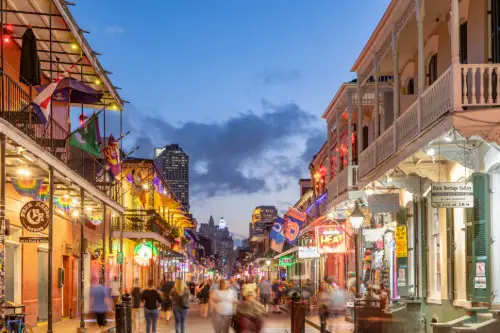
New Orleans has always been defined by its culture, tourism, and port economy. Hurricane Katrina in 2005 forced a sudden and massive population displacement. Entire neighborhoods were flooded and damaged. The city’s trajectory changed almost overnight.
Rebuilding brought both renewal and lasting challenges. Some neighborhoods recovered faster than others. Population levels still have not fully returned to pre-storm highs. The city continues to evolve in ways shaped by that unexpected turning point.
10. San Francisco, California

San Francisco experienced explosive growth during the tech boom. Demand for housing and office space surged for years. Then the pandemic disrupted daily life and work patterns. Remote work reduced the need for centralized office space.
Downtown office vacancies increased significantly. Some residents relocated to other regions. The city is now adjusting to a different kind of economy. The shift happened faster than many expected for such a major hub.
11. Salt Lake City, Utah
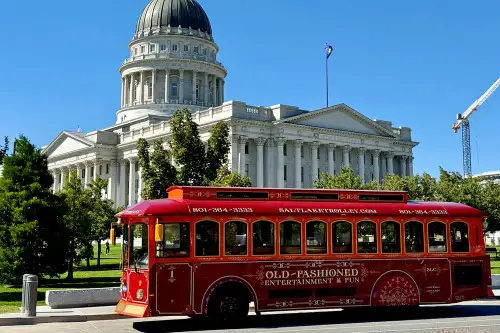
Salt Lake City has seen rapid population growth and economic expansion. Tech companies and startups have contributed to its rising profile. The region’s affordability once attracted new residents. Growth accelerated quickly in recent years.
At the same time, the Great Salt Lake has been shrinking. Water levels have dropped to historically low points. Environmental concerns about dust and ecosystem impacts have grown. The city faces a sudden intersection of growth and environmental change.
12. Las Vegas, Nevada
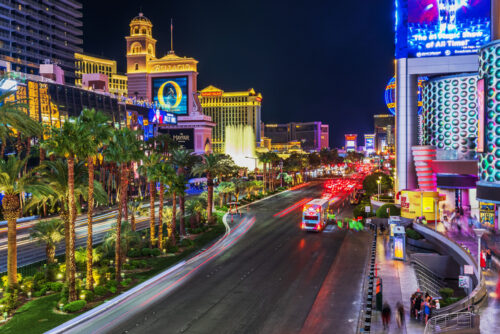
Las Vegas is known for tourism, entertainment, and rapid development cycles. The 2008 housing crash hit the city especially hard. Foreclosures surged and construction projects stalled. Recovery eventually followed, but the shock was abrupt.
More recently, population growth has resumed at a strong pace. New industries, including sports and logistics, have expanded locally. The city continues to reinvent itself in unexpected ways. Its economic swings tend to happen quickly.
13. Anchorage, Alaska

Anchorage has long been shaped by its remote location and energy economy. In recent years, it has experienced unusual population fluctuations. Economic shifts and outmigration changed growth patterns. The stability many expected hasn’t always held.
Climate change is also affecting daily life in visible ways. Warmer temperatures and environmental shifts are altering local conditions. Infrastructure faces new challenges tied to thawing permafrost in parts of Alaska. The pace of change feels faster than many residents anticipated.
This post U.S. Locations Experiencing Sudden Changes No One Expected was first published on American Charm.