1. Mount Rushmore, South Dakota
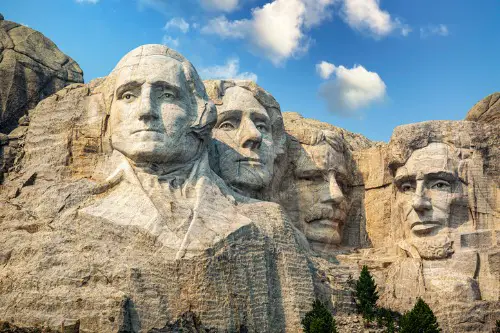
When you see Mount Rushmore in photos, it looks massive and perfectly carved against a clear sky. In reality, most visitors are struck by how small it feels from the viewing platform, and how the surrounding landscape dominates the scene. The figures of the presidents are impressive, but they don’t fill the horizon the way pictures often suggest. Plus, clouds, haze, or tourists can make that epic “Instagram shot” nearly impossible.
The angles photographers use are carefully chosen to avoid showing nearby parking lots and gift shops. You also rarely see the scaffolding used for maintenance or the cracks that naturally form in the granite. Many first-time visitors expect to feel dwarfed by the presidents’ faces, but the context changes the perspective completely. It’s a reminder that photography can turn a modest landmark into a colossal icon.
2. The Hollywood Sign, California
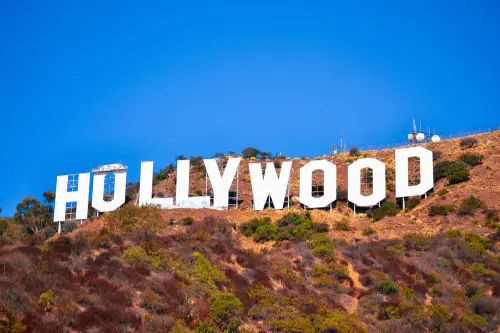
Most images of the Hollywood Sign make it look enormous, towering over the hills like a giant monolith. In reality, when you see it up close or from the standard tourist viewpoints, it looks much smaller and surprisingly thin. The surrounding brush and roads also steal some of the drama photographers capture. Hiking closer is often the only way to get a sense of its actual size.
Tourist photos often crop out the chain-link fences, security cameras, and residential areas that surround it. The angle from which most “epic” shots are taken requires telephoto lenses to compress distance. On busy days, drones and selfie sticks make the area feel more cluttered than the sleek images suggest. Seeing it in person gives you a new appreciation for the angles photographers pick.
3. Times Square, New York
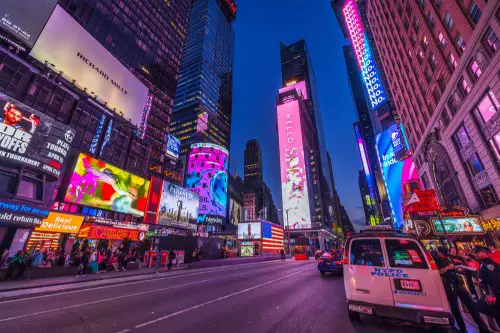
Times Square looks like a neon paradise in pictures—bright, clean, and teeming with people. When you visit, it’s often crowded, noisy, and full of construction or maintenance work. The sheer number of advertisements can be overwhelming rather than glamorous. Photographs tend to remove the mess and chaos that are part of the reality.
The famous billboards are bright, but not every screen is always on, and some are partially obscured by scaffolding or nearby signage. Tourists often expect a movie-like cinematic moment, but daytime visits can feel very ordinary. The streets are narrow, which makes the square feel more cramped than it does in wide-angle photos. It’s a classic case of expectation versus reality.
4. Grand Canyon, Arizona
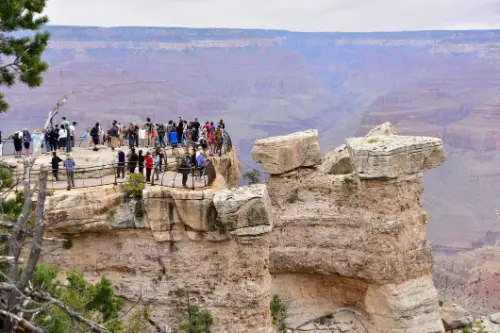
Photos of the Grand Canyon often make it look impossibly vast and colorful, with every rock formation perfectly visible. In person, the canyon can appear muted in color, especially under cloud cover or haze. The depth is more impressive than the width in many spots, but many visitors don’t realize how the rim can make it hard to judge the scale. Weather conditions and time of day dramatically affect the visual impact.
Photographers often capture sunrise or sunset, which adds rich reds and purples not visible at midday. Some viewpoints in pictures are actually hard to access or require hiking off-trail. Crowds, safety barriers, and interpretive signs also distract from the sweeping vistas you see online. It’s still breathtaking, but in a quieter, more grounded way than the typical postcard.
5. Statue of Liberty, New York
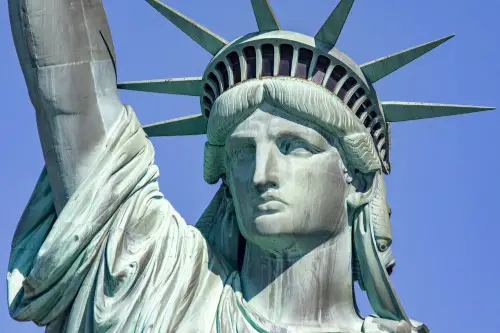
Photos of the Statue of Liberty often make it seem like a towering, isolated figure against the sky. In reality, the statue feels smaller from nearby, and the base and surrounding harbor infrastructure dominate the view. You’re rarely able to capture that “floating in the ocean” look without a specific angle. Ferry rides also introduce crowds and limited photo opportunities.
The famous torch view is closed to the public, so the iconic picture from above is almost always taken from another perspective. Liberty Island is small, crowded, and sometimes windy, which is a contrast to the serene images you see online. The colors can also be muted in overcast weather, making Lady Liberty look less dramatic. Photography choices and access restrictions make a big difference in perception.
6. Golden Gate Bridge, San Francisco
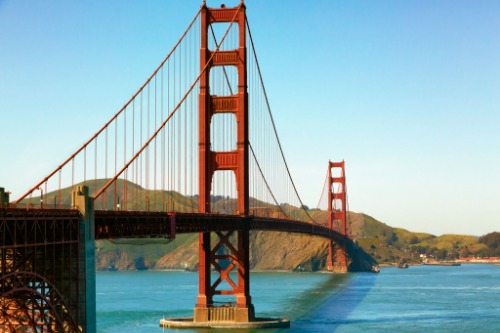
Photos make the Golden Gate Bridge appear impossibly long, tall, and shrouded in perfect fog. When you visit, you notice the scale is more modest and the iconic orange can look faded in sunlight. The hills around it and nearby roads take up more space in the frame than the bridge itself. Walking or driving across it gives a much different sense of scale than those sweeping aerial shots.
Tourist photos rarely include construction equipment or maintenance scaffolding, which are common sights. Fog can hide significant portions of the bridge, especially in the morning, making it look much less dramatic. The famous viewpoint shots are often carefully timed for light and weather. The reality is striking but less cinematic than postcards suggest.
7. Niagara Falls, New York
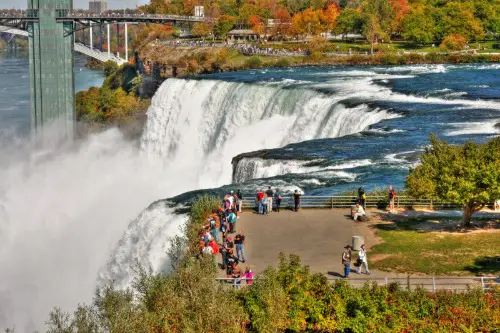
Niagara Falls looks like a perfectly framed wall of water in photos, often with rainbow accents. In reality, mist can obscure the falls, and viewing points are crowded or fenced. Some angles that appear free and open in images are actually very tight and regulated. Boat tours are the only way to get that close, and they’re not always calm or predictable.
The surrounding area includes a lot of commercial development that pictures usually omit. Hotels, casinos, and observation decks crowd the scenery, changing the atmosphere. Water flow also varies seasonally, so the volume in photos might not match what you see. The power of the falls is undeniable, but the cinematic perfection is often a photographer’s construction.
8. Arches National Park, Utah
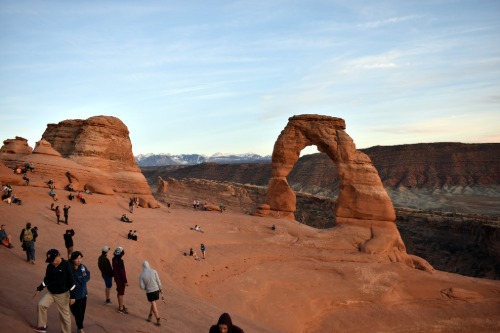
Pictures of Arches National Park highlight seemingly endless sandstone arches in perfect desert lighting. When you arrive, many arches are smaller or less dramatic than they appear online. Trails are often narrow and rocky, limiting the angles you can use. The park is stunning, but the photos are carefully framed to omit the traffic, other hikers, and maintenance signs.
Popular arches like Delicate Arch require hikes that take time and energy, and the iconic shots are often taken at sunrise or sunset. Midday visits can feel flat and washed out in comparison. Photographers also use telephoto lenses to compress distances and make arches appear larger than life. The experience is beautiful but less postcard-perfect than you might expect.
9. Las Vegas Strip, Nevada
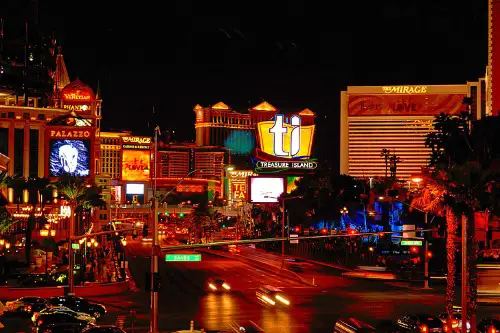
The Strip looks like a flawless, neon-lit fantasy in photos. Walking it, however, you notice crowded sidewalks, traffic, and construction. Many hotels and casinos are partially obscured or less polished up close. The photos often skip the smoky casinos, street performers, and the occasional garbage can.
The angles in professional shots remove the practical realities: power lines, buses, and service entrances. Night shots with long exposures make lights glow more than they actually do. Photographers also time visits to avoid large crowds in key areas. It’s dazzling, but less like a movie set than pictures imply.
10. Pike Place Market, Seattle
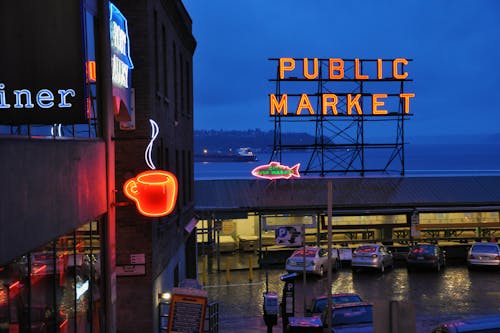
Pike Place Market in photos is colorful, bustling, and perfectly framed. In reality, it can feel cramped, noisy, and messy. The famous fish-throwing vendors are often only visible during certain hours. Crowds can make navigating the market slow and challenging.
Many images crop out signs, scaffolding, or modern renovations. The alleys and lower levels are less charming than the famous exterior shots. Tourists often have to maneuver around delivery trucks and market staff. The market is still charming, just more chaotic than images suggest.
11. Antelope Canyon, Arizona
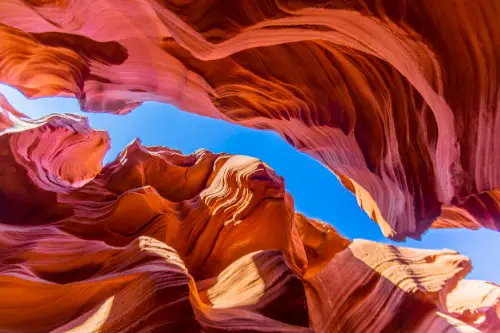
Photos of Antelope Canyon make it look like a surreal, perfectly lit slot canyon. In reality, the light beams that make those shots magical only appear under specific conditions. The canyon is crowded, narrow, and requires guided tours to access. The rock formations are stunning, but not every section is photogenic.
Many images are taken with long exposure and post-processing to enhance colors. Walking through, you see tourists, dust, and ropes guiding the path. The dramatic, glowing walls are often compressed in professional images to exaggerate their height. The canyon’s beauty is real, but photography turns it into a near-fantasy scene.
12. The White House, Washington D.C.
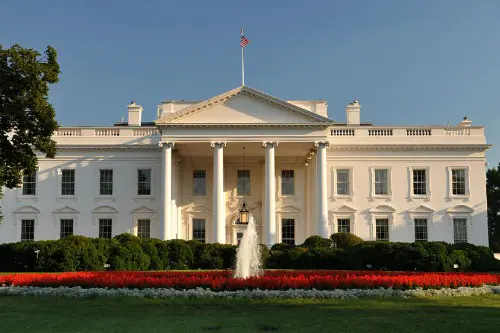
The White House looks iconic and grand in photos, but when visiting, it feels much smaller and surrounded by barriers. The lawn, fences, and security measures are very visible. Many angles in official images remove tourists and security cameras. The building doesn’t dominate the space as photos suggest—it sits amid streets, parks, and government buildings.
Photos often crop out nearby roads and trees. The view from Pennsylvania Avenue is limited, making it hard to get a wide-angle shot. Official images also enhance lighting and perspective to emphasize grandeur. In reality, the White House is impressive but grounded in its urban context.
13. Hoover Dam, Nevada/Arizona
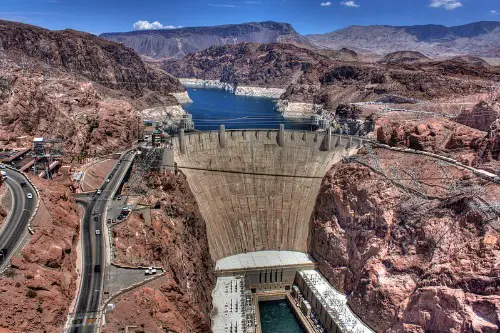
Photos make Hoover Dam look massive, looming, and symmetrical. Visiting it, you notice how much surrounding infrastructure—roads, bridges, and parking areas—interrupts the visual. The scale is impressive, but perspective matters: the dam is flatter than most images imply. The sheer drop and engineering are remarkable, but it doesn’t feel like an isolated monolith.
Photographers often choose angles that hide the adjacent concrete and spillways. Crowds, buses, and safety barriers can appear in the lower viewpoints. Sunrise and sunset shots exaggerate shadows and height. The dam is iconic, just less picture-perfect in the everyday visitor view.
14. St. Louis Gateway Arch, Missouri
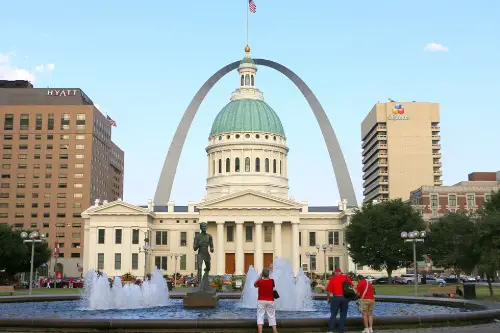
Photos of the Gateway Arch make it appear soaring, shiny, and perfectly symmetrical. Up close, the Arch feels imposing but not quite as monumental as pictures imply. The surrounding park and city streets frame it in ways that diminish the “floating monument” effect. Weather, haze, and crowds also interfere with the perfect imagery.
Photographers crop out the base structures, tram entrances, and surrounding tourists. Long lenses are often used to make it appear taller or isolated from the skyline. In person, it’s still awe-inspiring, but the perfect angles are rare. The Arch is a lesson in how perspective can transform reality.
15. The Alamo, Texas
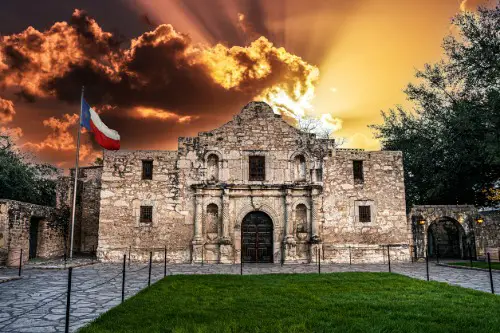
In photos, the Alamo looks like a grand, stand-alone fortress steeped in heroic legend. When you arrive, it’s surprisingly small and nestled among modern buildings in downtown San Antonio. The surrounding hotels and traffic strip away some of the historic isolation those iconic images suggest. It feels more like a preserved monument than an ancient battlefield.
Professional shots often exclude the high-rises, street vendors, and bustling crowds nearby. The lighting in travel photos highlights the limestone façade, but in person it can appear weathered and uneven. Many visitors are surprised at how compact the site actually is. It’s still powerful, but less cinematic than the images from textbooks and films.
16. Mount Vernon, Virginia
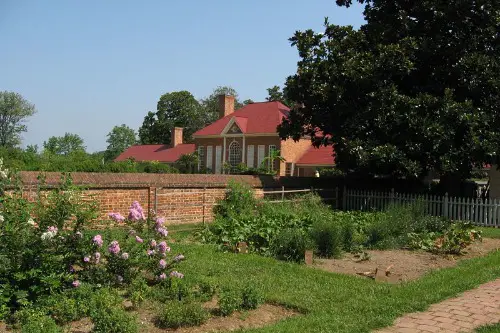
Pictures of Mount Vernon show George Washington’s estate as a peaceful plantation overlooking a pristine river. In reality, the mansion is smaller and surrounded by visitor centers and paved walkways. The Potomac view is often obstructed by trees, weather haze, or maintenance activity. The sense of untouched history in photos gives way to a managed historic site.
Photographers use angles that exclude modern elements like handrails, signage, and ticket lines. Inside, rooms appear larger in pictures than they feel when filled with tour groups. The red roof and white columns can look faded or uneven depending on the season. It’s still elegant, just not the sprawling colonial dream the photos promise.
17. Central Park, New York
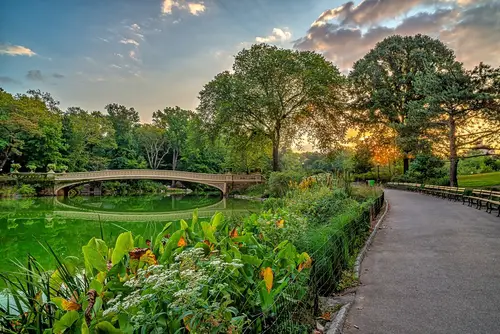
Central Park’s photos make it look like a serene, endless green escape from the city. In person, skyscrapers frame nearly every view, breaking that illusion of nature untouched. Crowds, cyclists, and performers fill paths that appear empty in wide shots. It’s beautiful, but much more urban and noisy than photos imply.
The famous bridges and lakes are often photographed at sunrise or after rain to enhance color. Midday visits feel brighter but flatter, and traffic noise echoes through the trees. Seasonal differences also change the mood dramatically, from lush summer green to stark winter brown. What looks tranquil online can feel more like an energetic crossroads in real life.
18. Independence Hall, Pennsylvania
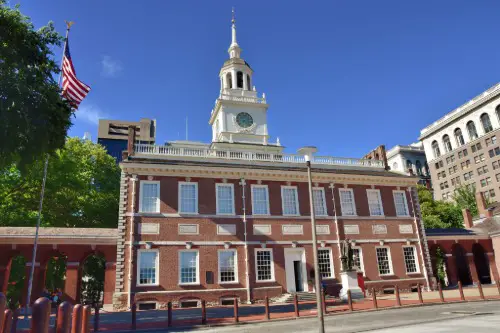
Photos of Independence Hall capture it as a stately, isolated symbol of American freedom. Standing there, you realize it’s much smaller and tightly surrounded by downtown Philadelphia. The lawn appears vast in pictures, but it’s more like a modest plaza bordered by busy streets. The building’s age and scale make it feel intimate rather than imposing.
Many iconic photos are taken from low angles to exaggerate height and importance. Security lines, fences, and nearby traffic lights are carefully cropped out. The red brick and clock tower look weathered up close, losing that perfect symmetry from postcards. It’s historically grand, but visually humbler than you might expect.
19. Space Needle, Washington
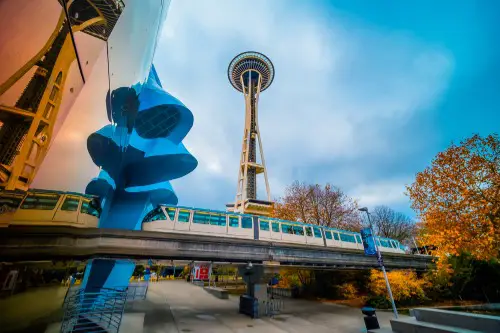
Photos of the Space Needle make it appear futuristic and enormous against the Seattle skyline. When you stand beneath it, the structure feels slimmer and shorter than the sweeping aerial views suggest. The base area includes ticket booths and crowds that diminish its sleek image. Cloudy weather also softens the contrast that photos often enhance.
Professional images tend to capture it at sunset or with Mount Rainier in the background, a view rarely seen from ground level. The observation deck’s interior can feel cramped compared to its spacious look online. Reflections from glass panels make photography tricky for visitors. The Space Needle is still impressive, but less sci-fi perfect in reality.
20. Lincoln Memorial, Washington D.C.
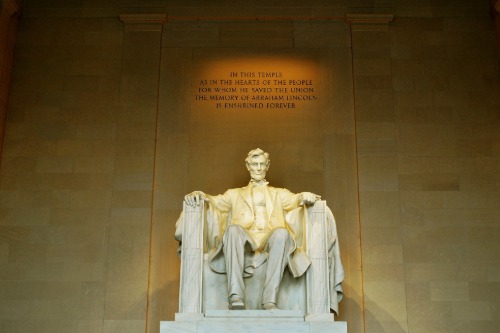
In photos, the Lincoln Memorial looks isolated, monumental, and bathed in golden light. When you visit, it’s surrounded by crowds and security, and the steps are rarely empty. The statue itself is smaller than many expect, especially compared to the wide-angle shots that emphasize its grandeur. The nearby Reflecting Pool also changes the scale depending on perspective.
Images in travel guides are taken at dawn or dusk when the marble glows evenly. During the day, harsh shadows can make the statue look less serene. Photographers avoid showing the bustling National Mall and the constant hum of activity nearby. It’s still majestic, but the experience is less peaceful than the pictures imply.
21. Kennedy Space Center, Florida
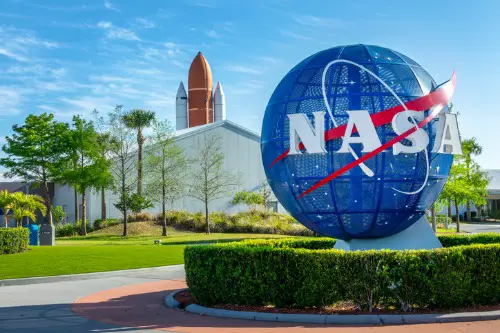
Photos of the Kennedy Space Center often showcase gleaming rockets under clear blue skies. In person, much of the area looks like industrial complexes and hangars, not the sleek science-fiction world in promotional shots. Some rockets and exhibits are weathered by the humid climate, softening their futuristic edge. The heat and crowds also make exploring less cinematic than expected.
Photographers typically highlight launch pads and displays without showing the parking lots and shuttle buses that dominate the landscape. Lighting and angles exaggerate the sense of vastness and order. The experience is fascinating but feels more educational than dramatic. It’s an inspiring site, just not the spotless space museum that pictures suggest.
This post 21 U.S. Landmarks That Look Nothing Like the Pictures was first published on American Charm.