1. Santa Fe, New Mexico
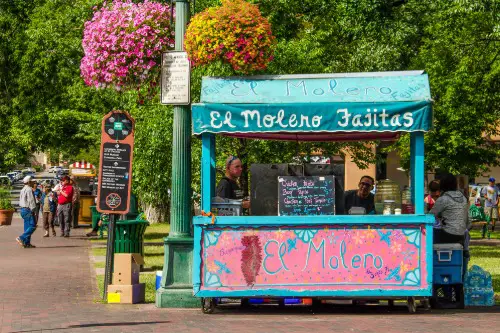
Santa Fe reflects its early Spanish colonial roots in both layout and architecture. The central plaza, established in the early 1600s, still anchors the city. Streets radiate outward in a pattern that hasn’t dramatically changed. The overall structure mirrors how the settlement first functioned.
Strict building codes reinforce that original look. Adobe-style construction and earth-toned exteriors are still required in many areas. That consistency keeps the city visually tied to its origins. It’s not just historic, it actively maintains its original identity.
2. Savannah, Georgia
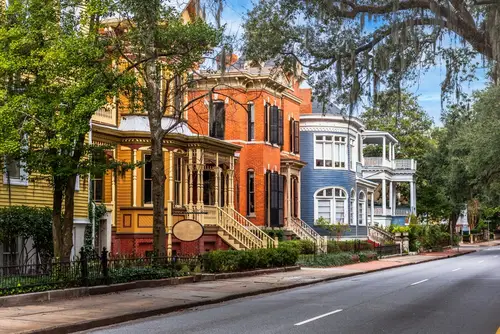
Savannah still follows the original 18th-century plan laid out by James Oglethorpe. The city is organized around a grid of wards, each centered on a public square. Those squares remain intact and continue to function as gathering spaces. Walking through them today feels surprisingly close to the city’s earliest layout.
The preservation of this design wasn’t accidental. Local efforts in the 20th century prevented demolition and major restructuring. Homes, churches, and streets still align with the original civic vision. It’s a rare case where urban planning from the 1700s still shapes everyday life.
3. Annapolis, Maryland
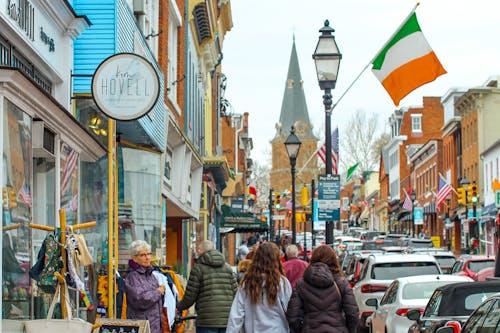
Annapolis was designed in the late 1600s with a baroque street plan. Roads radiate outward from central circles, including the State House and church hubs. That layout still defines how people move through the city today. It’s a direct carryover from early colonial planning ideals.
The historic district remains tightly preserved. Many buildings date back to the 18th century or earlier. Modern development largely stayed outside the core layout. The result is a capital city that still feels structurally tied to its founding era.
4. New Orleans, Louisiana
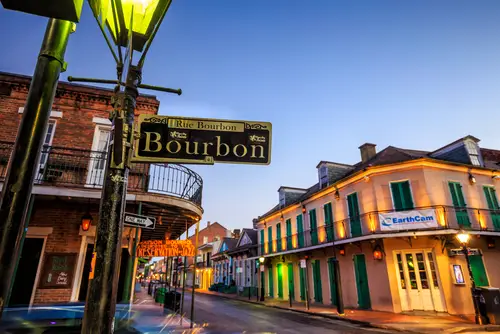
New Orleans’ French Quarter reflects its original 18th-century colonial design. The grid of streets near the Mississippi River remains largely unchanged. Central spaces like Jackson Square still serve as focal points. The neighborhood continues to function much as it did early on.
Architecture reinforces that continuity. Balconies, courtyards, and narrow streets define the experience. Despite growth elsewhere, this core area stayed consistent. It offers a clear window into the city’s earliest urban form.
5. Boston, Massachusetts
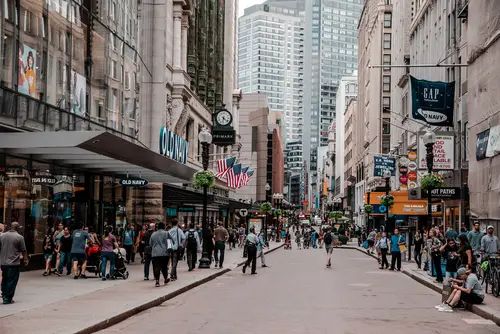
Parts of Boston still follow the irregular street patterns of its colonial beginnings. Neighborhoods like the North End retain narrow, winding roads. These streets developed organically rather than through formal planning. Their layout still shapes navigation today.
Unlike grid-based cities, Boston’s older sections feel less predictable. That unpredictability reflects how the city originally grew. While land reclamation expanded the city, the historic core stayed intact. Walking through it feels like stepping into its earliest days.
6. Williamsburg, Virginia
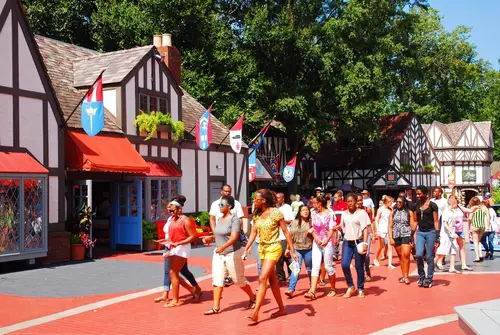
Williamsburg preserves its colonial-era layout as the former capital of Virginia. Duke of Gloucester Street still runs as the central axis of the town. Key government and public buildings remain positioned along it. The structure reflects how political life was originally organized.
Restoration efforts in the 20th century carefully reconstructed missing elements. The goal was to maintain historical accuracy in layout and design. Streets, property lines, and building placements follow original records. It operates as both a town and a living historical blueprint.
7. Charleston, South Carolina
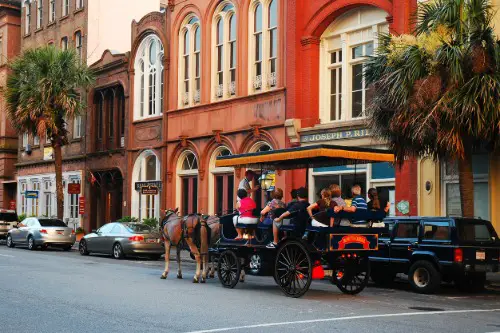
Charleston’s historic district closely follows its colonial street plan. Narrow roads, waterfront access points, and market areas remain where they began. The city developed around port trade, and that structure still shows. Its layout continues to reflect its early economic purpose.
Preservation rules have kept large-scale redevelopment out of the core. Historic homes and public buildings remain in place. Even modern businesses operate within that original framework. The result is a city that still feels anchored in its founding design.
8. San Antonio, Texas
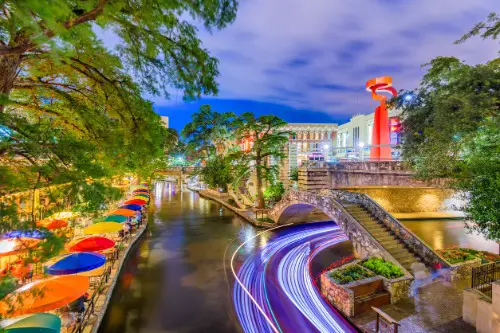
San Antonio grew around Spanish missions and a central plaza system. The original settlement pattern still influences the downtown layout. Streets and public spaces align with those early colonial priorities. The River Walk area traces older water management and community planning.
Historic sites like the Alamo remain integrated into the city grid. Development expanded outward rather than replacing the original core. The blend of old and new highlights how the city evolved without losing its structure. You can still trace its beginnings in the street plan.
9. Philadelphia, Pennsylvania
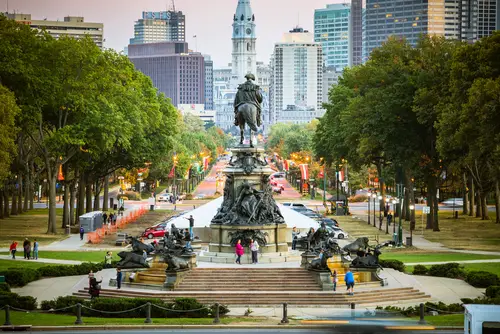
Philadelphia was one of the first U.S. cities built on a planned grid system. William Penn designed it with wide streets and public squares. That grid still defines Center City today. The structure remains one of the clearest examples of early American planning.
The original five public squares still exist and serve civic purposes. Streets maintain their spacing and orientation from the 17th century. Growth filled in around the framework rather than replacing it. The result is a city that still follows its founding blueprint.
10. St. Augustine, Florida
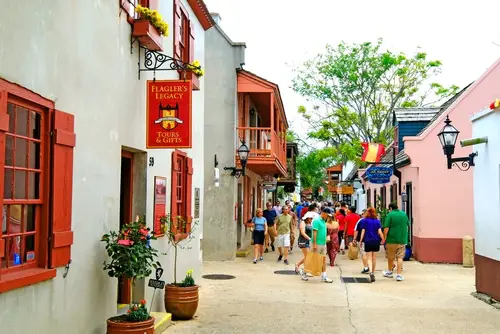
St. Augustine, founded in 1565, is the oldest continuously occupied European-established city in the U.S. Its historic district follows early Spanish colonial planning. Narrow streets and a central plaza still organize the area. The layout reflects how the settlement first operated.
Fortifications and religious structures remain key landmarks. The street network hasn’t been significantly altered. Preservation keeps the scale and orientation intact. It offers a rare look at 16th-century urban design still in use.
11. Galena, Illinois
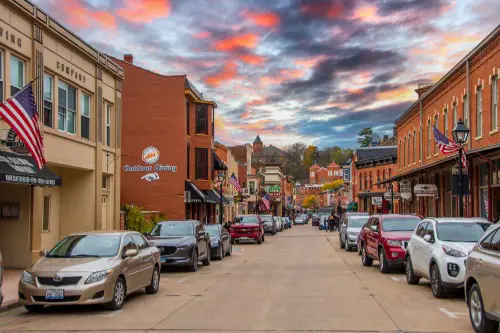
Galena developed in the early 1800s as a lead mining and river port town. Its Main Street follows the curve of the Galena River. Buildings line the street much as they did during its economic peak. The layout reflects its original commercial function.
Modern development largely bypassed the historic core. That helped preserve its 19th-century streetscape. Shops and businesses still operate in original structures. It feels like the town never needed to reinvent its layout.
12. Deadwood, South Dakota
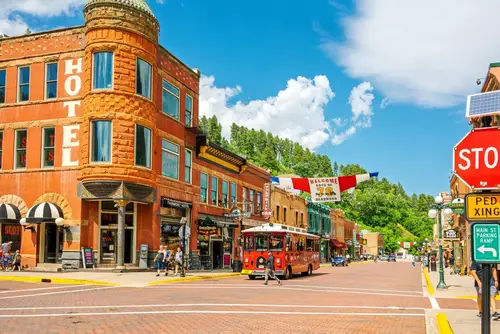
Deadwood grew rapidly during the Black Hills gold rush. Its streets formed around the natural contours of the land. That irregular layout still defines the town. It reflects how quickly the settlement developed.
Preservation efforts maintain the historic downtown. Buildings and street alignments remain close to their original state. Tourism supports the town without drastically altering its structure. It still feels like a frontier-era boomtown in form.
13. Nantucket, Massachusetts
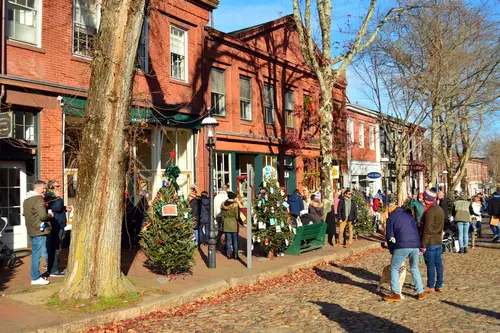
Nantucket retains much of its original 18th-century whaling town layout. Narrow streets, waterfront access, and clustered buildings remain intact. The town developed around maritime trade, and that structure still shows. Its scale and organization reflect that early economy.
Strict preservation rules protect both buildings and street patterns. Modern construction must fit within historical guidelines. The town avoided large-scale redevelopment seen elsewhere. Walking through it feels like stepping into its original design.
This post U.S. Cities Where Old Traditions Still Influence Everyday Routines was first published on American Charm.