
1. Seattle, Washington
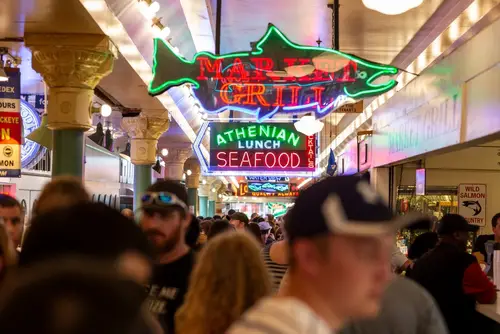
Seattle aggressively pursued Amazon’s expansion with tax incentives and zoning changes, positioning itself as the next great tech hub beyond Silicon Valley. The city welcomed the jobs and economic growth, rezoning neighborhoods and fast-tracking development permits for high-rise apartments. Amazon alone grew to employ over 75,000 people in the city, fundamentally reshaping entire neighborhoods like South Lake Union. Seattle’s leadership viewed this as economic triumph, proof that the Emerald City could compete with any coastal tech center.
The transformation brought median home prices above $800,000 and pushed the working class to distant suburbs or out of the region entirely. The city’s homelessness crisis became one of the nation’s worst as the affordability gap widened into a chasm. Traffic congestion reached suffocating levels, and the city lost much of its neighborhood character to sterile glass towers. Net domestic migration turned negative by the late 2010s as long-time residents decided the Seattle they loved no longer existed.
2. Detroit, Michigan
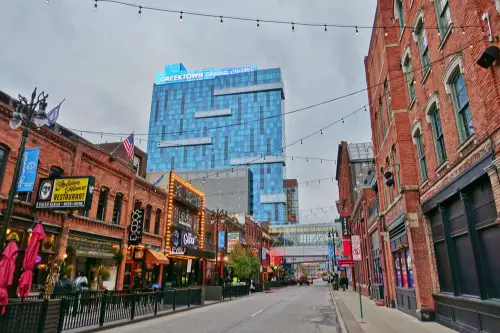
Detroit went all-in on revitalization with massive incentives for developers, tech companies, and downtown transformation projects that created a gleaming new core. The city offered tax breaks, subsidized real estate, and branded itself as the comeback kid where your dollar stretched further than anywhere else. Billionaires bought up whole blocks, luxury apartments sprouted near the riverfront, and suddenly Detroit was the darling of urban planning conferences. The problem? All that investment concentrated in a seven-square-mile area while most neighborhoods saw nothing.
Long-time residents found themselves priced out of the very revival they’d waited decades for, with property taxes skyrocketing even as city services remained inconsistent. The new Detroit catered to young professionals and suburbanites “rediscovering” the city, but working-class Black families who’d stuck it out through bankruptcy were left behind. Population continued declining from 2010 to 2020, dropping another 10% even as downtown flourished. The tale of two cities became so stark that the revitalization actually accelerated the exodus it was meant to reverse.
3. San Francisco, California
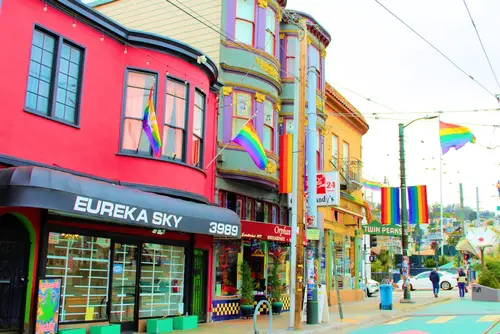
San Francisco’s aggressive courting of tech companies turned the city into a victim of its own success, with tax breaks and business-friendly policies that brought unprecedented wealth. The city became ground zero for the tech boom, welcoming companies that brought thousands of high-paid workers who could afford $4,000 studio apartments. Civic leaders celebrated each new headquarters and startup accelerator as proof of San Francisco’s innovative spirit. What they didn’t anticipate was how quickly the city would become unlivable for everyone else.
Teachers, artists, service workers, and even middle-class families found themselves completely priced out as median rents doubled within a decade. The homelessness crisis exploded as housing costs soared and the wealth gap became visible on every corner, with tent encampments spreading throughout the city. San Francisco lost population for the first time in decades during the early 2020s, shedding over 65,000 residents between 2020 and 2022. The city that tried to become a tech utopia ended up driving out the diversity that once made it culturally rich.
4. Austin, Texas
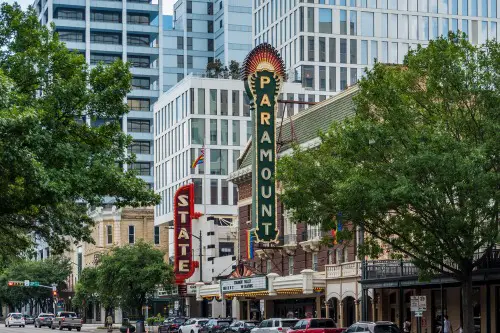
Austin marketed itself as the cool, weird alternative to Silicon Valley and deliberately recruited tech companies with no state income tax and a lower cost of living. The campaign worked almost too well, with Apple, Google, Tesla, and Oracle all establishing major presences and bringing waves of transplants. The city became the fastest-growing metro area in the country for years running, celebrated in every “best places to live” listicle. But Austin’s infrastructure, housing stock, and quirky local character couldn’t keep pace with the influx.
Traffic became nightmarish as the population exploded faster than road capacity, and housing costs shot up 40% in just a few years. The local music venues, taco trucks, and dive bars that made Austin “weird” got bulldozed for luxury condos and corporate developments. Long-time Austinites, especially Black and Latino residents from East Austin, were displaced by skyrocketing property taxes and gentrification. By 2023, some surveys showed more people leaving Austin than arriving as the city lost the very character it had marketed.
5. Miami, Florida
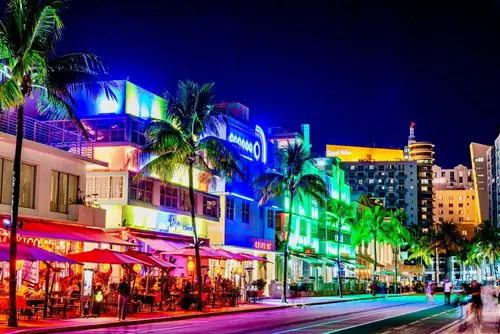
Miami positioned itself as a tax haven and crypto capital, rolling out the red carpet for finance professionals and tech workers fleeing high-tax states. Mayor Francis Suarez personally recruited companies on Twitter, offered tax incentives, and promoted Miami as the city of the future with perfect weather and no state income tax. The strategy brought an influx of wealth and venture capital, with new residents arriving daily throughout 2021 and 2022. Luxury condos sold before construction even began, and South Beach became a playground for crypto millionaires.
But the surge in demand made Miami one of the least affordable cities in America relative to local incomes, with rents increasing over 40% in two years. Service workers, teachers, and native Miamians found themselves unable to afford the city where they’d lived their entire lives. The crypto crash of 2022 left many developments half-finished and the promised economic transformation incomplete. By 2023, Miami’s population growth had stalled as the cost of living drove out as many people as the marketing campaign brought in.
6. Nashville, Tennessee
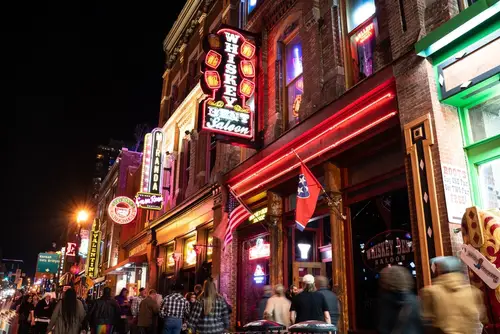
Nashville branded itself as “It City” and actively recruited corporate relocations with Tennessee’s business-friendly policies and no state income tax. The strategy succeeded in bringing major employers like Amazon, Oracle, and AllianceBernstein, along with a flood of bachelorette parties and new residents. The city’s population grew over 15% in a decade, and construction cranes dominated the skyline as developers raced to build luxury apartments. Nashville became the symbol of Sun Belt growth and the New South economy.
Housing costs tripled in many neighborhoods within just a few years, devastating long-time residents and the Black community particularly hard. The city’s historic character—honky-tonks, dive bars, and music venues—gave way to pedal taverns and rooftop bars catering to tourists and transplants. Traffic became unbearable on infrastructure built for a much smaller city, and the public school system struggled with overcrowding. By the mid-2020s, the backlash was real, with locals lamenting that Nashville had lost its soul in exchange for population numbers.
7. Portland, Oregon
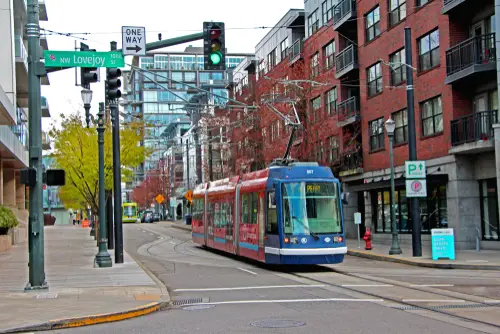
Portland spent years cultivating a progressive, quirky image that attracted young creatives with campaigns celebrating its weirdness, bike culture, and craft everything. The city became a magnet for millennials seeking an alternative to expensive coastal cities, growing steadily through the 2010s. Local and state incentives supported small businesses and startups, while lax zoning created a food cart and microbrewery renaissance. Portland was the hipster promised land, featured in television shows and migration trend pieces.
The influx eventually made Portland unaffordable for the artists and service workers who’d created its cool factor in the first place. Homelessness surged dramatically, and downtown deteriorated with boarded-up storefronts even before the pandemic. The city’s permissive approach to camping and lack of shelter capacity created visible street disorder that drove away both residents and businesses. Population actually declined in 2021 and 2022 as people fled rising crime, urban decay, and a cost of living that no longer matched Portland’s quality of life.
8. Denver, Colorado
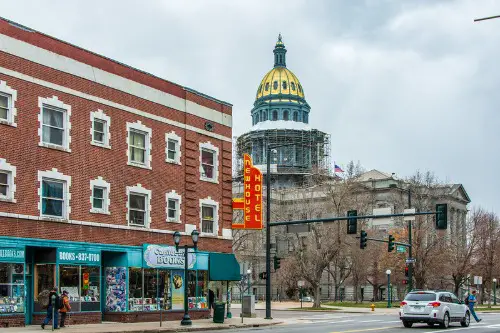
Denver marketed itself as the outdoor lifestyle city for young professionals, with legal marijuana as a bonus attraction and aggressive business recruitment. The city’s population exploded by over 20% in the 2010s as thousands moved for the mountain access, sunshine, and booming job market. Development incentives brought major employers and transformed neighborhoods, while the city celebrated its ranking on every “best places to live” list. Denver became the poster child for educated millennials seeking work-life balance in a mid-sized city.
Housing costs soared past $500,000 for a median home, and traffic congestion made those mountain getaways increasingly difficult to access. Native Coloradans, particularly working-class Hispanic communities, were pushed further from the city center by gentrification and rising rents. The city’s infrastructure groaned under the population surge, with inadequate public transit and overcrowded parks and trails. By the early 2020s, “Native” bumper stickers reflected genuine resentment, and growth had slowed as Denver’s appeal was undermined by its own success.
9. Phoenix, Arizona
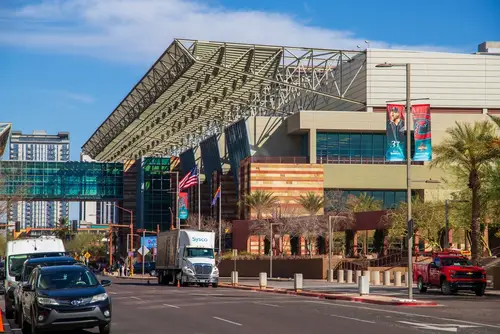
Phoenix pursued growth at all costs with cheap land, low taxes, and minimal regulation that attracted retirees and remote workers in massive numbers. The metro area became one of America’s fastest-growing, adding hundreds of thousands of residents throughout the 2010s and early 2020s. Developers built sprawling subdivisions across the desert, and the city marketed itself as an affordable alternative to California with better weather than you’d expect. Economic development focused on logistics, healthcare, and technology sectors that promised high-paying jobs.
The problem became evident as water resources strained under the population boom, with officials finally acknowledging limits to groundwater-dependent growth. Summer temperatures increasingly hit 115+ degrees for extended periods, making the city nearly unlivable without constant air conditioning. The sprawl created traffic nightmares and a soulless suburban landscape lacking the urban amenities that make cities attractive. By 2024, some developers actually halted projects due to water restrictions, and migration patterns showed Phoenix’s growth party might be ending.
10. Boise, Idaho
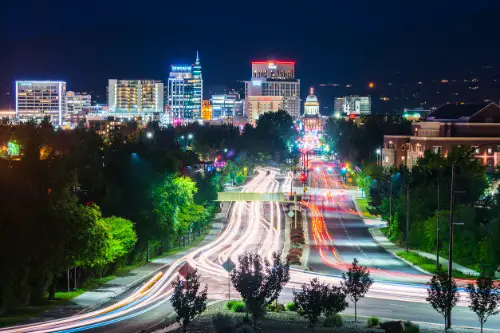
Boise spent years as the darling of relocation articles, actively marketing itself to remote workers and California refugees with low costs and outdoor recreation. The city’s population surged over 20% in the late 2010s as people discovered Idaho’s capital and its small-city charm. Local officials welcomed the growth and the economic development that came with it, rezoning neighborhoods and approving developments at breakneck pace. Boise became shorthand for pandemic-era migration, the place where your San Francisco salary could buy a house with a yard.
Housing prices doubled and then doubled again, making Boise one of the least affordable cities relative to local wages. Long-time residents, especially those working service jobs, found themselves priced out of the city they’d called home for generations. The infrastructure—roads, schools, healthcare—couldn’t keep up with the rapid influx, and the small-town feel evaporated under the pressure. By 2023, Boise’s growth had slowed dramatically as the very people it attracted realized it was no longer the affordable haven they’d been promised.
11. New Orleans, Louisiana
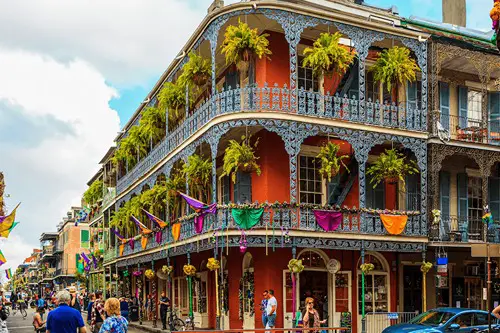
New Orleans bet big on tourism and entertainment incentives, offering tax credits for film production and aggressively expanding the convention and hospitality sectors. The city rebuilt after Hurricane Katrina with a focus on attracting visitors and new residents to a more tourist-friendly, “sanitized” version of itself. Billions in development dollars transformed parts of the city, and short-term rental platforms like Airbnb were initially welcomed as economic drivers. The French Quarter and surrounding areas became increasingly geared toward bachelor parties and cruise ship passengers rather than residents.
The tourism-first approach hollowed out residential neighborhoods as landlords converted long-term rentals to more profitable short-term vacation properties. Working-class residents, particularly Black families, were displaced by rising costs and couldn’t afford to return after Katrina. The city’s population dropped by over 100,000 post-Katrina and never recovered, even as tourist numbers hit records. By prioritizing visitors over residents, New Orleans lost much of its authentic culture and the people who created it in the first place.
12. Columbus, Ohio
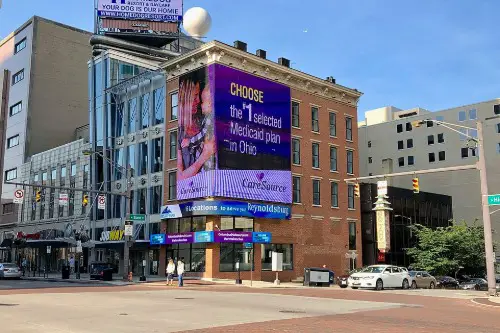
Columbus launched an aggressive “Smart City” initiative and courted tech companies with incentives, positioning itself as the Midwest’s innovation hub. The city won Amazon’s cloud region, landed major corporate expansions, and invested heavily in downtown development and infrastructure. Columbus grew steadily and appeared in national headlines as an affordable city with big-city amenities and Midwest values. Local officials celebrated each corporate announcement and population milestone as proof of Columbus’s arrival on the national stage.
But the growth strategy neglected existing working-class neighborhoods on the east and south sides, where disinvestment continued even as downtown flourished. Gentrification pushed long-time Black residents out of historic neighborhoods like the Near East Side as developers followed the urban pioneers. The city’s attention to corporate needs over community needs created resentment and a sense that Columbus was being built for newcomers rather than natives. Population growth masked the displacement, with longtime residents leaving even as the overall numbers climbed.
13. Raleigh-Durham, North Carolina
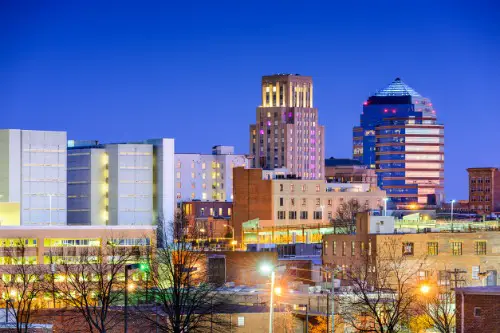
The Research Triangle aggressively recruited tech companies and educated workers, marketing the region as a more affordable alternative to Boston or Silicon Valley. The area succeeded in becoming a genuine tech hub with companies like Apple committing to major expansions and thousands of high-paying jobs. Population exploded throughout the 2010s, with the region regularly topping growth and livability rankings. Local governments fast-tracked development and infrastructure projects to accommodate what seemed like limitless expansion.
Housing costs surged so dramatically that the region went from affordable to expensive in what felt like overnight, with median home prices jumping 50% in just a few years. Traffic became a major issue in cities that had been designed as car-dependent sprawl, and the infrastructure couldn’t keep pace with growth. The influx changed the character of the region, with historic Black neighborhoods in Durham facing intense gentrification pressure. By the mid-2020s, some data showed the region’s appeal dimming as costs rose without commensurate improvements in quality of life.
14. Las Vegas, Nevada
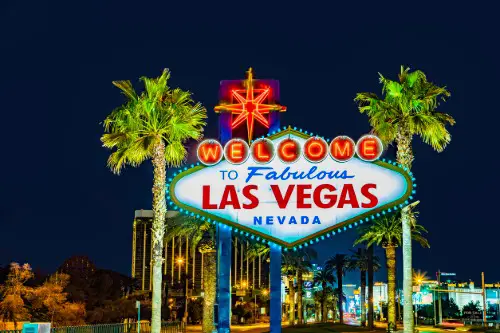
Las Vegas diversified beyond gambling by recruiting tech companies, offering massive tax incentives, and positioning itself as a business hub with no state income tax. The city landed major corporate relocations and built vast suburban developments to house the incoming workers and retirees. Population growth was explosive, and Las Vegas seemed to have successfully transformed from sin city to a legitimate place to live and work. Local boosters celebrated each new master-planned community and corporate headquarters as proof the city had arrived.
The growth was built on borrowed time and borrowed water, with Lake Mead shrinking to alarming levels and climate change making summers increasingly brutal. The city’s sprawl created a concrete heat island where temperatures regularly exceed 110 degrees, making outdoor life miserable for months. Many of the jobs created were still low-wage service positions despite the economic diversification, leaving workers unable to afford the rising housing costs. By the 2020s, water restrictions and climate reality made people question the sustainability of continued growth, and net migration began to slow as the desert boom faced environmental limits.
15. Minneapolis–St. Paul, Minnesota
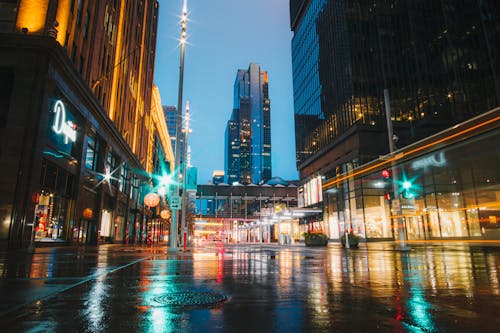
The Twin Cities branded themselves as the Midwest’s most livable metro, promoting bike lanes, arts districts, and progressive policies to attract new residents. Local leaders poured resources into downtown revitalization and corporate recruitment, hoping to capture the young-professional boom sweeping coastal cities. Development surged as luxury apartments replaced parking lots and aging warehouses, creating a skyline that transformed almost overnight. Officials celebrated the growth as proof that cold-weather cities could still compete for talent.
But the rapid development collided with long-standing disparities that went unaddressed, pushing low-income residents to the suburbs as rents surged. Public safety concerns following the 2020 unrest accelerated departures from once-stable neighborhoods. Small businesses struggled to survive amid shifting demographics and uneven recovery efforts. By the mid-2020s, Minneapolis–St. Paul saw an outflow of residents who felt the metro’s promised livability no longer matched reality.
16. Salt Lake City, Utah
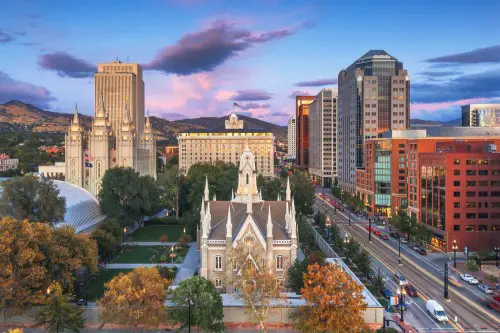
Salt Lake City marketed itself as a clean, safe, affordable haven for tech startups and remote workers fleeing expensive metros. Tech companies responded enthusiastically, building massive campuses and luring thousands of new residents to the valley. Housing developments exploded across the Wasatch Front as the city celebrated its ascent into the national spotlight. For a moment, Salt Lake seemed like the perfect blend of opportunity and quality of life.
Then the housing crunch hit harder than expected, with prices rising faster than almost anywhere in the country. Air quality deteriorated sharply as growth collided with the region’s infamous inversion layer, making winters suffocating. Water scarcity strained the Great Salt Lake and forced policy debates about sustainable expansion. Many long-time Utahns left in frustration, feeling that the region’s growth had outpaced its natural and cultural limits.
17. Charleston, South Carolina
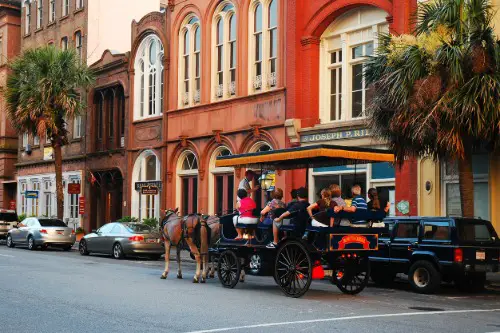
Charleston aggressively promoted its coastal charm, culinary scene, and historic districts to attract affluent newcomers and remote workers. Developers poured money into waterfront condos and boutique hotels, reshaping neighborhoods that once housed generations of working families. City officials touted rising property values and a booming tourism sector as signs of success. Charleston quickly became one of the fastest-growing small metros in the country.
The growth came at the cost of affordability, with housing prices skyrocketing well beyond local wages. Flooding worsened as overdevelopment weakened natural buffers, forcing residents to navigate streets that routinely turned into rivers. Cultural displacement hit hard, particularly in historic Black communities pushed out by gentrification. By the mid-2020s, Charleston found itself losing long-time residents who felt the city had chosen tourists and transplants over its own heritage.
18. Louisville, Kentucky
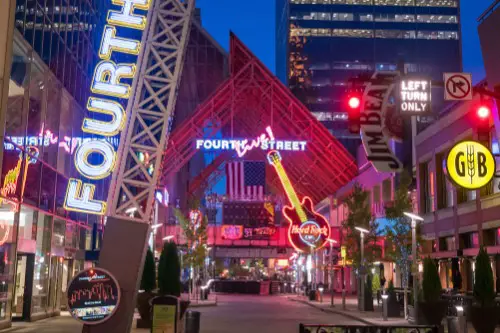
Louisville invested heavily in branding itself as a hip, up-and-coming Southern city with bourbon tourism, tech incubators, and extensive riverfront redevelopment. Officials eagerly approved megaprojects meant to attract young professionals and out-of-state companies. For a time, the plan seemed to work as the city appeared in national rankings touting affordability and cultural appeal. The skyline grew with new hotels, mixed-use buildings, and renovated historic spaces.
But the influx of investment didn’t extend to many West Louisville neighborhoods, deepening racial and economic divides. Rising housing costs pushed vulnerable communities to the margins even as downtown thrived. Public safety concerns and slow improvements to schools frustrated locals who felt excluded from the city’s glossy rebrand. As displacement rose, many long-time residents chose to relocate rather than wait for prosperity to reach their block.
19. Sacramento, California
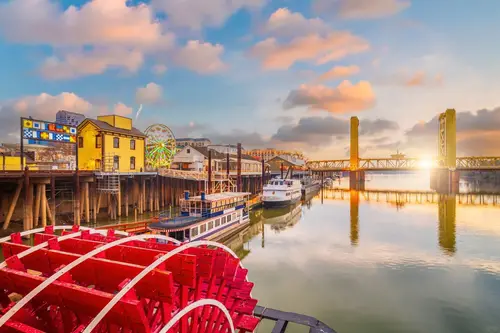
Sacramento welcomed Bay Area transplants with open arms, promoting itself as California’s affordable capital where tech workers could stretch their salaries. Developers raced to build new subdivisions and luxury apartments to accommodate the surge. The city enjoyed a reputation boost as breweries, restaurants, and arts districts sprang up seemingly overnight. Local leaders heralded the growth as proof that Sacramento had finally “arrived.”
But prices spiked as demand outstripped supply, making Sacramento one of the fastest-appreciating housing markets in the U.S. Traffic overwhelmed freeways designed for a much smaller population, turning commutes into daily headaches. Long-time residents complained that the city now felt like “San Francisco Lite” without the amenities or job density to justify the costs. By the mid-2020s, outbound migration surged as people sought relief from a boom that had ceased to feel beneficial.
20. Kansas City, Missouri
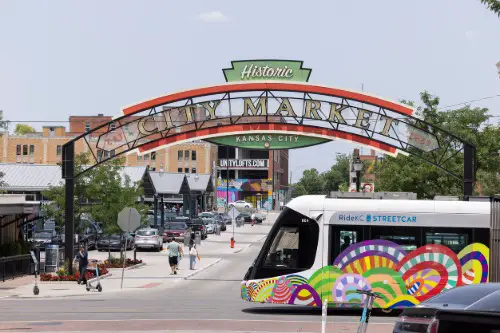
Kansas City launched a high-profile effort to reinvent itself as a tech and logistics powerhouse, offering tax incentives to startups and expanding its streetcar system. New entertainment districts and apartment complexes rose rapidly, drawing young professionals from pricier metros. Officials championed the city’s revival as evidence that the Midwest could redefine itself with modern infrastructure and creative industries. For a moment, Kansas City’s momentum seemed unstoppable.
But rising rents outpaced wage growth, and historically Black neighborhoods experienced aggressive redevelopment that pushed residents out. The streetcar expansion failed to meaningfully serve many working-class communities, reinforcing existing disparities. Schools and public services struggled under uneven growth and limited investment. As frustrations mounted, the city saw a quiet but steady outflow of long-time residents who felt abandoned by its new priorities.
21. Richmond, Virginia
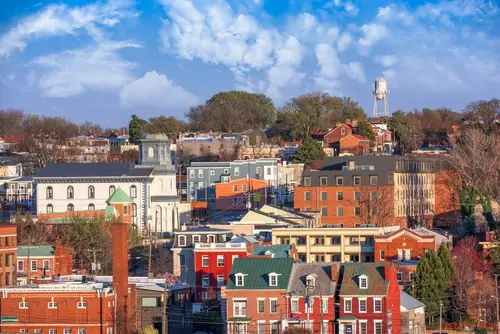
Richmond billed itself as a progressive, artsy alternative to Washington, D.C., marketing its murals, craft breweries, and historic districts to attract newcomers. Developers transformed former industrial spaces into lofts and tech offices, creating a wave of investment that reshaped the city’s image. Local leaders celebrated the influx of young professionals and the diversifying economy. The city’s once-sleepy neighborhoods quickly became hotspots for relocation.
Yet the very growth Richmond celebrated displaced many long-time residents, particularly in historically Black communities like Jackson Ward. Housing costs rose sharply, eroding the affordability that once defined the city. Infrastructure improvements lagged behind, leaving overcrowded schools and outdated transit to bear the strain. By the mid-2020s, Richmond’s population churn masked the reality that many natives were leaving the city that no longer felt like home.
This post 21 U.S. Cities That Threw Everything at Attracting New Residents—And Accidentally Drove Everyone Out was first published on American Charm.

