1. Philadelphia, Pennsylvania
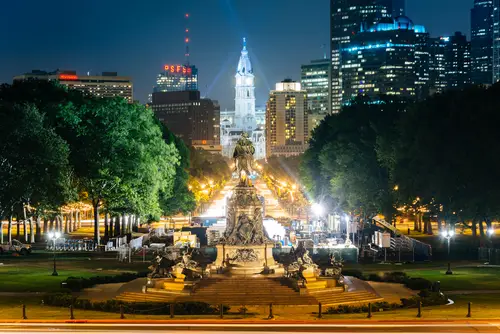
Philadelphia is already gearing up for the United States’ 250th birthday in 2026, and the city expects a huge tourism surge. Major institutions like the Museum of the American Revolution and Independence National Historical Park are planning expanded programming that year. Hotel groups have announced capacity increases to meet expected demand. Locals are hoping the national spotlight will spark longer-term investment in Center City and the waterfront.
Beyond the celebrations, Philly is pushing forward several public-space upgrades timed around 2026. Penn’s Landing is in the middle of a major redevelopment that will reconnect the city to the Delaware River. Transit improvements along SEPTA’s Market-Frankford Line are also slated for key upgrades ahead of the anniversary. Residents are hoping these projects add up to a real turning point.
2. Atlanta, Georgia
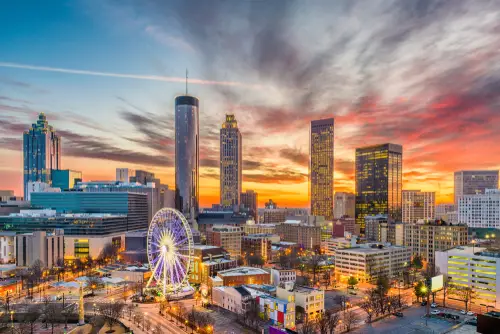
Atlanta is one of the U.S. host cities for the 2026 FIFA World Cup, and officials have been preparing for years. Mercedes-Benz Stadium is expected to anchor the games, drawing global attention to the city. Local leaders expect the influx of visitors to spill over into neighborhoods like Westside and Midtown. Many Atlantans hope this will accelerate long-planned infrastructure work.
The city also has major projects scheduled to make visible progress by 2026. Segments of the BeltLine’s Southside Trail are moving closer to full completion. Hartsfield-Jackson is continuing its massive multiyear terminal modernization program. Residents are cautiously optimistic that these improvements could make 2026 feel like a breakout moment.
3. Boston, Massachusetts
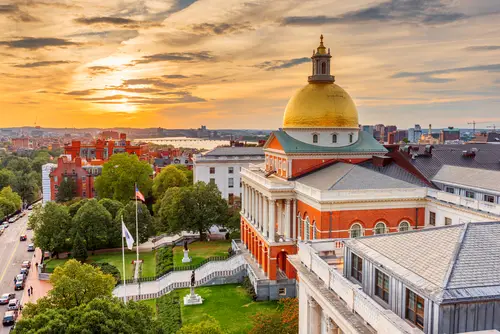
Boston will also host World Cup matches in 2026, centered at Gillette Stadium in Foxborough. The region is expecting major transit and traffic management efforts to be tested during the event. Tourism agencies are projecting one of the city’s strongest travel years in a decade. Locals hope this will boost businesses still recovering from the pandemic.
Boston is also expecting progress on its coastal resiliency projects by 2026. Neighborhoods like East Boston and Dorchester have planned seawall and shoreline upgrades. The city’s ongoing Green Line extension work has already opened, but additional transit reliability upgrades are coming. Residents see 2026 as a year when the city shows off those gains.
4. Dallas, Texas
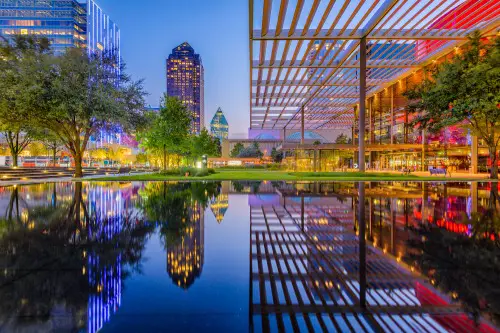
Dallas is another World Cup host city with matches planned for AT&T Stadium. The region is preparing for tens of thousands of international visitors. Planners expect the event to drive hotel development and transportation upgrades. Many Dallas residents are hopeful this wave of attention will lead to more long-term urban improvements.
At the same time, Dallas has a number of major projects slated to see movement. The Trinity River green space plans, long debated, are expected to surface detailed designs by 2026. DART continues its system modernization, improving reliability across the network. These efforts combined make locals think the city may finally turn a corner.
5. Houston, Texas
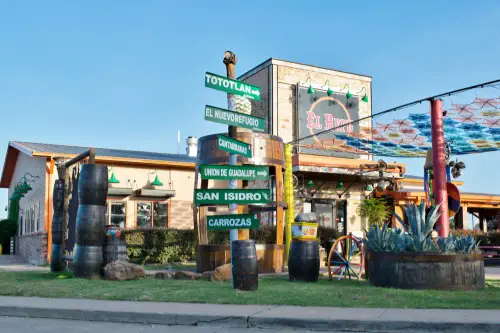
Houston’s World Cup hosting duties are accelerating improvements around NRG Stadium. City planners have been working on transit and pedestrian-friendly upgrades to handle visitor demand. Tourism groups expect a strong economic bump from the matches. Houstonians hope that this renewed energy will stick after 2026.
Meanwhile, Houston is continuing its ambitious Bayou Greenways 2020 plan, with remaining segments approaching completion. By 2026, trails and green spaces will be far more connected. Flood mitigation projects, a major priority, also aim to reach key milestones by then. Many residents see these combined efforts as a potential turning point.
6. Kansas City, Missouri
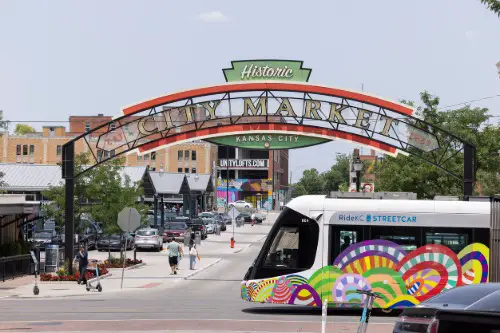
Kansas City will host multiple World Cup games at Arrowhead Stadium. Local leaders expect major global exposure, which they hope will build on momentum from the city’s downtown revival. The KC Streetcar extension is already under construction and set to open in 2025. Residents think the combination of transit expansion and the global spotlight may redefine the city’s profile.
KC is also investing heavily in its airport, with the new terminal recently opened and additional improvements ongoing. Tourism agencies believe 2026 will be the first major chance to showcase the upgraded infrastructure. Development around the Crossroads and River Market areas continues to gain traction. Locals hope 2026 becomes a year of visible payoff.
7. Los Angeles, California
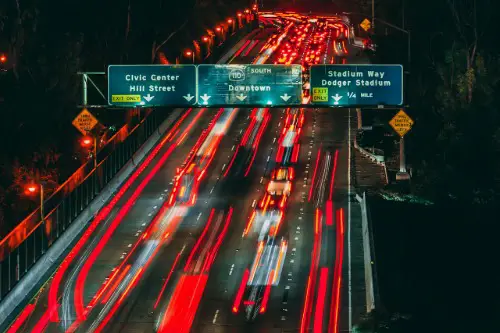
Los Angeles will host several 2026 World Cup matches at SoFi Stadium. The city is deep into transit expansion ahead of both the World Cup and the 2028 Olympics. Metro projects like the D Line extension are aiming to hit major milestones by mid-decade. Residents note that rare alignment of global events and construction deadlines.
LA is also seeing rapid growth around Inglewood with new hotels, housing, and entertainment districts. The Inglewood Transit Connector is progressing through approvals and early work. By 2026, the area around SoFi is expected to look significantly more connected. Locals are hopeful the progress will make the city feel more navigable.
8. Miami, Florida
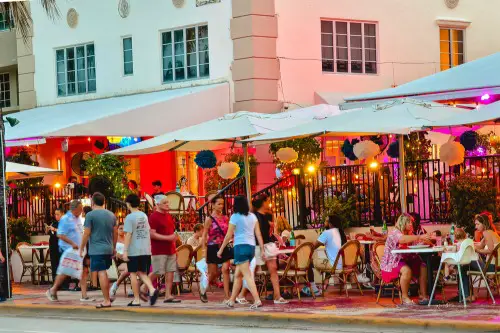
Miami’s 2026 World Cup matches are expected to bring huge visitor numbers to Hard Rock Stadium. International tourism is already strong, and officials are preparing for an even larger wave. The city is investing in transportation improvements around major corridors. Residents hope this global attention will help diversify the local economy.
Miami is also advancing projects related to climate resilience. Elevation and drainage upgrades in flood-prone neighborhoods are scheduled to progress through 2026. Downtown and Brickell continue to add major mixed-use buildings. Many locals think 2026 could mark a tipping point in how the city prepares for the future.
9. New York / New Jersey
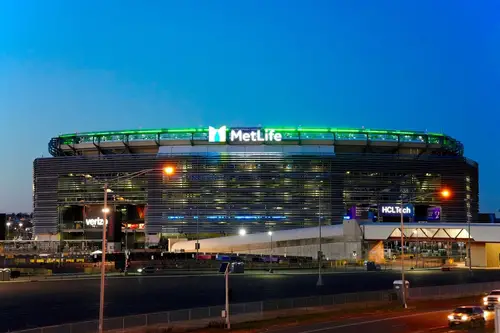
The New York metro area will host the 2026 World Cup final at MetLife Stadium. This is expected to be one of the most-watched sporting events in the world. Transit agencies are coordinating large-scale readiness plans. Locals hope some of that planning will result in lasting upgrades.
Meanwhile, Penn Station’s redesign and early construction phases continue to move forward. Major office-to-residential conversions in Manhattan are expected to take shape by 2026. New Jersey’s Gateway Tunnel project is also advancing early work. Residents think the confluence of megaprojects could give the region a fresh narrative.
10. Bay Area, San Francisco, California
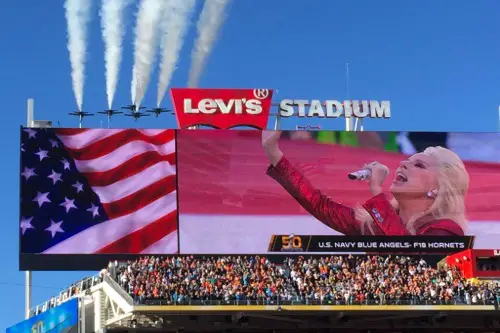
The Bay Area will host World Cup matches at Levi’s Stadium in Santa Clara. Regional transit groups expect heavy demand that will test systems like Caltrain and BART. Local planners hope improved coordination will help shore up long-term ridership. Residents see 2026 as a moment when the region will need to prove its transportation progress.
The Bay Area is also seeing major housing and commercial developments near transit hubs. Downtown San Jose has several projects scheduled for openings around 2025–2026. Caltrain electrification is expected to be fully operational by then. Many locals hope these upgrades will redefine mobility in the region.
11. Seattle, Washington
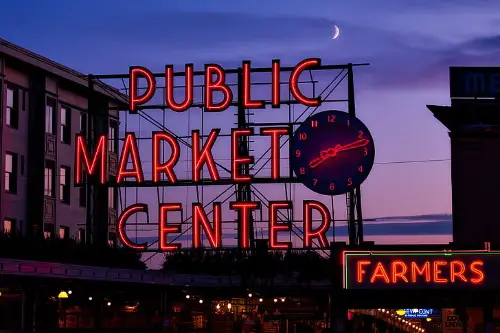
Seattle will host World Cup matches at Lumen Field. The event is pushing the city to prepare improvements in transportation and pedestrian infrastructure. Tourism groups expect one of their strongest years in decades. Residents hope the global attention will highlight the city’s recovery.
Seattle’s ongoing waterfront redevelopment is also approaching full completion by 2025. The new park space and pedestrian connections will be in full use by 2026. Light-rail expansion continues, with several key stations entering final construction phases. Locals see this as a pivotal year for urban transformation.
12. Phoenix, Arizona
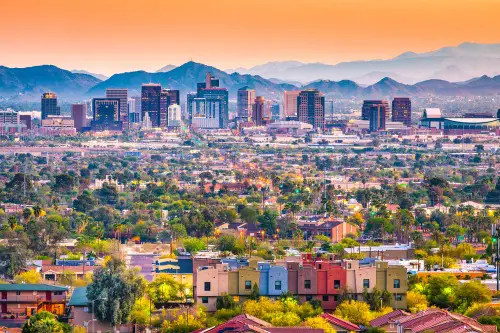
Phoenix isn’t hosting World Cup matches, but it has major economic reasons to eye 2026 optimistically. The TSMC semiconductor fab is slated for significant production readiness between 2025 and 2026. This project has attracted supporting industries and workforce programs. Residents hope it will diversify the local economy beyond real estate cycles.
Infrastructure around the fab site is also driving improvements in transportation and utilities. The city is investing in expanded workforce housing and transit corridor upgrades. Downtown continues to see new hotels and residential projects. Many residents think 2026 could mark a new chapter for Phoenix’s tech ambitions.
13. Columbus, Ohio
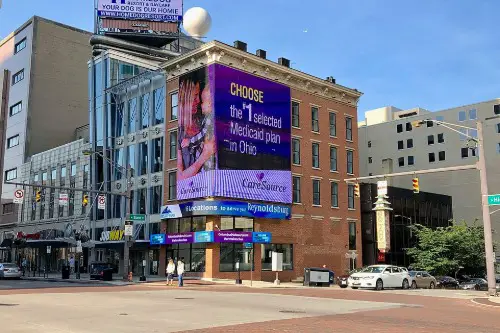
Columbus has been watching the timeline of Intel’s massive chip facility in nearby New Albany. The company anticipates major operational phases coming online around 2025–2026. Local universities and training programs have expanded STEM pathways to meet expected demand. Residents hope this anchors long-term growth.
The city is also moving forward with major downtown and riverfront investments. The Scioto Peninsula redevelopment continues to fill out with new spaces. Work on the LinkUS transit initiative is making progress in early planning and design. Many locals think 2026 could be when Columbus becomes nationally recognized as a tech hub.
14. Austin, Texas
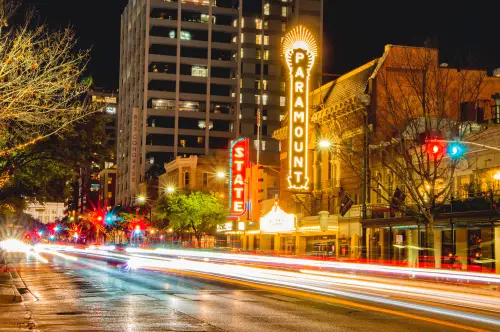
Austin is anticipating economic momentum from the Samsung semiconductor plant underway in nearby Taylor, expected to reach significant phases by 2025–2026. The project has drawn related suppliers and contractors to the region. Austin’s tech sector has already been expanding rapidly. Residents think these developments could make 2026 a milestone year.
The city is also advancing Project Connect, a sweeping transit initiative. While the full system stretches far beyond 2026, foundational work and early construction will be visible by then. Downtown Austin continues to add high-rise developments at a rapid pace. Locals hope 2026 will show meaningful progress on long-promised urban improvements.
15. Raleigh, North Carolina
Raleigh is looking toward the opening of Apple’s East Coast campus, with major buildout phases targeted around 2026. The project has already boosted the region’s tech profile. Universities in the Research Triangle are expanding partnerships tied to the development. Residents expect the impact to accelerate in the mid-2020s.
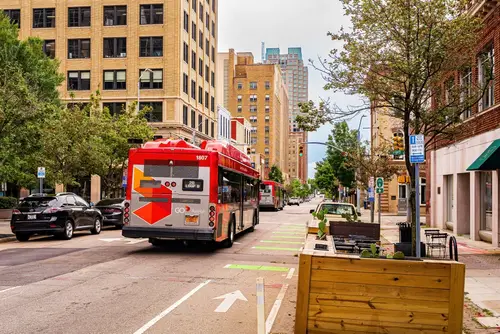
Raleigh is also investing in transit and greenway expansions. Bus Rapid Transit lines are moving through construction and early implementation stages. Downtown continues to grow with new mixed-use projects and cultural venues. Many locals hope these overlapping investments will make 2026 feel like a breakthrough year.
This post 15 U.S. Cities That Think 2026 Might Finally Be Their Turn was first published on American Charm.