1. Detroit, Michigan
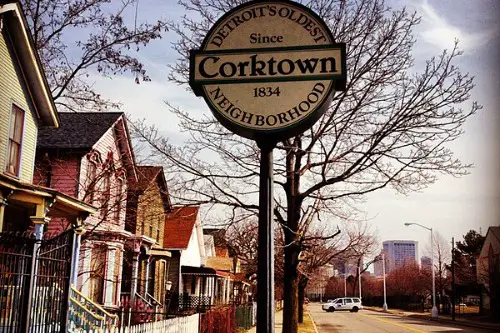
Detroit’s image took a nosedive after the 2008 financial crisis, when auto industry collapses and a historic bankruptcy painted it as a symbol of urban decline. But instead of letting the narrative stick, the city leaned into its gritty resilience and pivoted to a new identity: a comeback city. Massive investments in downtown, the promotion of a startup culture, and new arts and tech scenes all became part of the rebrand. The “Detroit vs. Everybody” slogan became both a rallying cry and a marketing tool.
It’s not just branding fluff—companies like Quicken Loans moved their HQs downtown, helping revitalize abandoned buildings. The city also attracted young creatives with affordable rent and plenty of space to innovate. While many problems remain, the focus shifted from “ruin porn” to rebirth. That change in narrative is a direct result of deliberate branding and redevelopment efforts.
2. Cleveland, Ohio
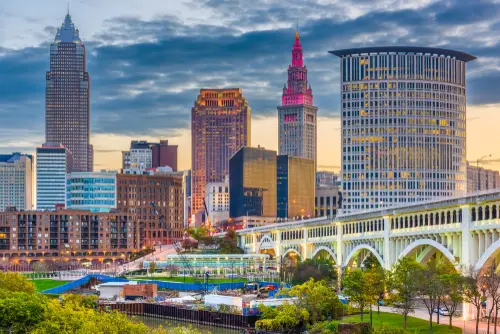
Cleveland used to be the butt of jokes, often called “The Mistake on the Lake” due to pollution, industrial decline, and a river that literally caught fire. By the 1990s and 2000s, city leaders knew they had to pivot—hard. They rebranded the city as a hub for culture, medicine, and sports pride. The Rock & Roll Hall of Fame became a major symbol of the new Cleveland.
Another big rebrand push came from the healthcare sector, especially the Cleveland Clinic’s rise to global prominence. Sports successes like the Cavaliers’ 2016 NBA championship gave the city a rare shot of feel-good PR. Cleveland’s tourism campaigns leaned into its underdog identity with slogans like “This is Cleveland.” It was about embracing quirks, not denying them.
3. Newark, New Jersey
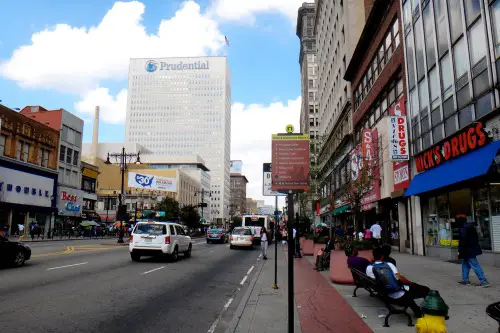
For years, Newark was shorthand for crime, corruption, and decay, particularly in the wake of the 1967 riots. Determined to turn that around, city leaders doubled down on tech investment, arts promotion, and transportation upgrades. The arrival of companies like Audible and Panasonic’s headquarters gave credibility to the transformation. Newark’s new narrative became about innovation, not just survival.
The city also started branding itself as an affordable alternative to pricey NYC, only a 20-minute train ride away. New cultural attractions, including a revamped arts district and the Prudential Center, were part of the pitch. Mayor Cory Booker helped put Newark back on the map by becoming a media-savvy advocate for the city. While challenges persist, Newark today pushes a very different image than it did 20 years ago.
4. St. Louis, Missouri
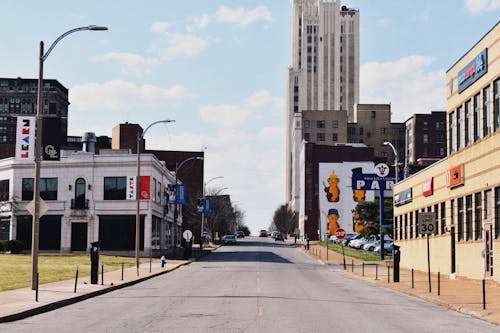
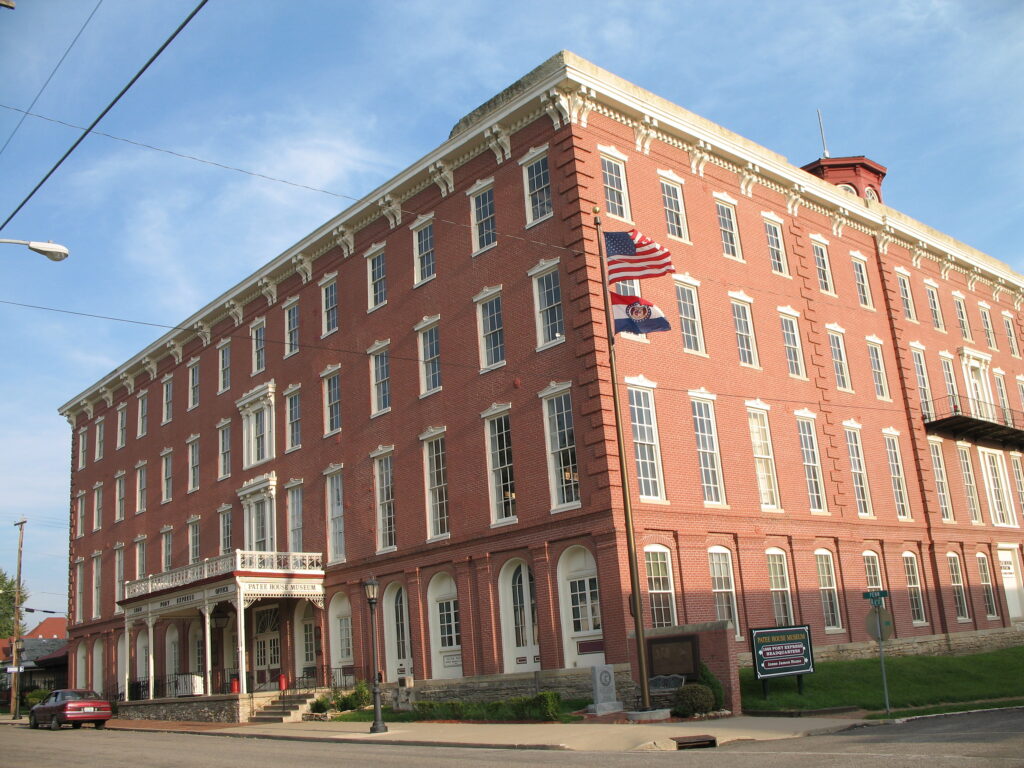
St. Louis struggled with a post-industrial hangover, rising crime, and a shrinking population that gave it a doom-and-gloom reputation. To change that, civic boosters focused on reshaping St. Louis into a city of neighborhoods, culture, and startup energy. The rebranding leaned heavily on areas like the Cortex Innovation District and the Gateway Arch as symbols of momentum. New ad campaigns marketed the city as young, fresh, and full of potential.
The city emphasized quality of life—affordable living, food, parks, and arts—to counter the negative press. Even the NHL’s St. Louis Blues winning the Stanley Cup in 2019 helped shift public perception. They also introduced branding initiatives like “STL Made” to give locals something to rally behind. The rebrand didn’t erase every issue, but it gave St. Louis a chance to tell its own story.
5. Buffalo, New York
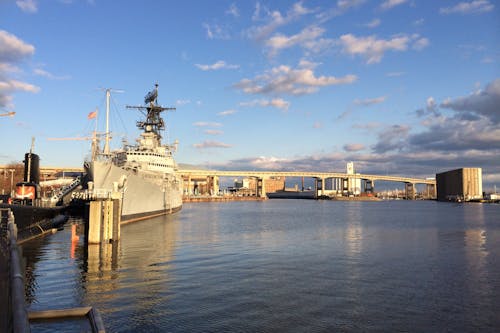
Buffalo was once known mainly for lake-effect snow, economic decline, and Rust Belt decay. But the city took a new route, leaning into its history while promoting a post-industrial renaissance. Campaigns like “Buffalo. For Real.” helped reframe the city as authentic, not abandoned. Tourism initiatives highlighted architecture, revitalized waterfronts, and emerging food scenes.
Key investments like the Buffalo Billion project focused on tech and infrastructure. The city also became a hub for renewable energy research and healthcare expansion. Local pride surged as young residents returned or stayed to build businesses and communities. Buffalo’s transformation story became one of humble pride and strategic investment.
6. Pittsburgh, Pennsylvania
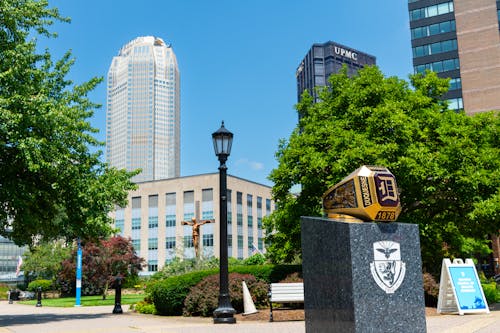
Once known for smog and steel, Pittsburgh was a classic symbol of industrial decline. But by the 2000s, it had already started shedding that image in favor of a tech-and-ed innovation hub. Google, Uber, and Carnegie Mellon helped recast the city as a futuristic player. “From Steel to Silicon” became the unofficial rebranding mantra.
Cultural rebranding came too, with a focus on livability, green spaces, and the arts. Pittsburgh leaned on its sports legacy and universities to appeal to younger demographics. The city’s transformation even got national recognition, being named one of the most livable cities multiple times. It was a long game, but Pittsburgh played it well.
7. Reno, Nevada
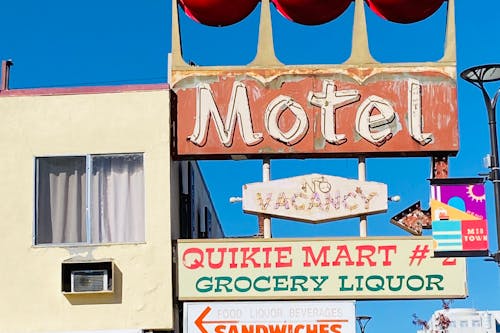
Reno was long seen as the sad little sibling to Las Vegas—a city of broken neon and smoky casinos. To combat that perception, Reno went through a major rebranding push starting in the 2010s. The “Biggest Little City in the World” tagline got a tech-savvy twist as Tesla and other companies moved into nearby areas. Downtown renovations and riverfront development helped change the look and feel.
The city also leaned into arts and outdoor culture, hosting events like Burning Man spin-offs and mountain festivals. New tech incubators and a UNR expansion added a young, intellectual crowd. They even ran ad campaigns like “Reno: Reimagined” to help shake the past. Today, Reno’s image is more Burning Man than broken slots.
8. Birmingham, Alabama
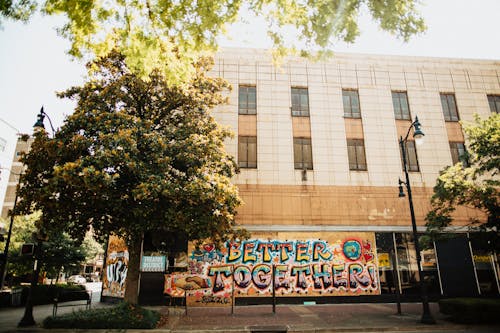
Birmingham bore deep scars from its civil rights-era strife and a long industrial slump. But city leaders chose to tackle that history head-on while promoting a new identity rooted in progress and innovation. They invested in parks, craft breweries, and a booming culinary scene. The Civil Rights District became a symbol of both remembrance and renewal.
Marketing campaigns highlighted the city’s new status as a millennial magnet. Tech startups and healthcare giants helped reshape the job market. Events like the World Games 2022 were used as global rebranding moments. The city didn’t erase its past—it reframed it as part of a larger growth arc.
9. Baltimore, Maryland
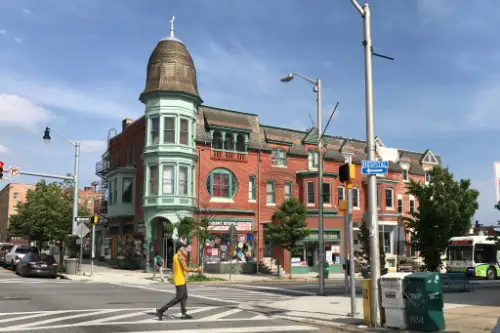
For decades, Baltimore battled an image problem tied to drugs, poverty, and high-profile crime stories. After the show The Wire, that image became even more entrenched. But Baltimore pushed back with arts, education, and biotech. The Inner Harbor redevelopment and neighborhoods like Fells Point became centerpieces of the city’s rebrand.
Campaigns like “Charm City” and “Baltimore: Get In On It” aimed to shift the narrative. The Johns Hopkins ecosystem drove innovation and community partnerships. Young creatives and small business owners became key to the city’s new identity. Baltimore didn’t deny its grit—it used it as a badge of authenticity.
10. Phoenix, Arizona
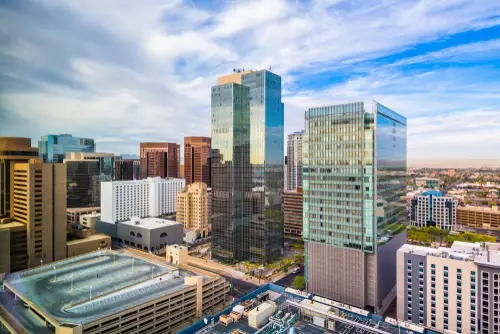
Phoenix was once branded as a sun-drenched sprawl of retirement homes and soulless strip malls. In response, city leaders leaned into urban development, eco-conscious planning, and culture. They revitalized downtown with light rail, art installations, and local food scenes. The city started pushing itself as a hotbed for young talent and remote workers.
The “PHX” branding gave Phoenix a sleek, modern aesthetic. Universities expanded downtown campuses, drawing students and professionals into the urban core. The city even marketed its desert climate as a wellness asset. Phoenix reshaped itself into something much cooler than just “a place old people go to golf.”
11. Kansas City, Missouri

Kansas City was often overlooked and dismissed as flyover country with little going on. But that changed with a major push around food, music, and tech. KC rebranded as a cultural gem with world-class barbecue, jazz heritage, and a growing startup ecosystem. Google Fiber’s launch in the city gave it serious digital street cred.
The “KC Heart” icon became a symbol of community pride and was plastered across murals and shirts. Sports success with the Chiefs and Royals helped put the city back on the map. They also leaned hard into placemaking—reimagining neighborhoods and public spaces. Kansas City’s new image was part grassroots, part digital, and totally intentional.
12. Providence, Rhode Island
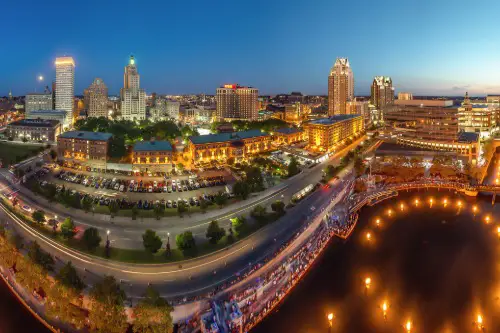
Providence once suffered from a decaying downtown, crumbling infrastructure, and a mafia-tainted reputation. Its turnaround was spearheaded by investments in education, arts, and a reimagined waterfront. The city began branding itself as quirky, intellectual, and deeply creative. With institutions like RISD and Brown University, the city leaned into its academic strengths.
WaterFire, a recurring art installation along the rivers, became a symbol of reinvention. Culinary innovation and affordable housing helped attract a younger crowd. Campaigns like “Cooler and Warmer” aimed to stir curiosity, even if they were sometimes panned. Still, the city came out of the shadows with a brand that felt authentic and arty.
13. Cincinnati, Ohio
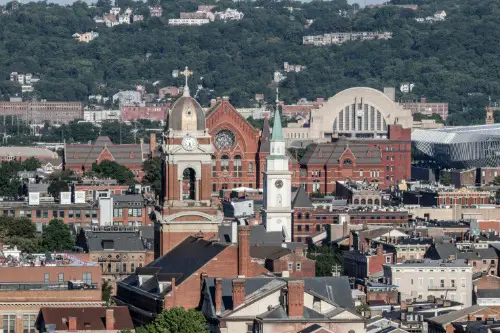
Cincinnati had a reputation for being conservative, stagnant, and racially divided. The city took a hard look at itself and chose a new story—one rooted in creative resurgence and inclusivity. The Over-the-Rhine neighborhood was once infamous, but today it’s known for craft breweries, art spaces, and walkable streets. Big brands like Procter & Gamble joined forces with community groups to power the change.
Public-private partnerships helped reshape the urban core. The new streetcar and reimagined riverfront gave Cincinnati a fresh visual identity. Pride events, festivals, and youth initiatives signaled a commitment to diversity. The result was a city that felt young, surprising, and finally, worth talking about again.
14. Las Vegas, Nevada
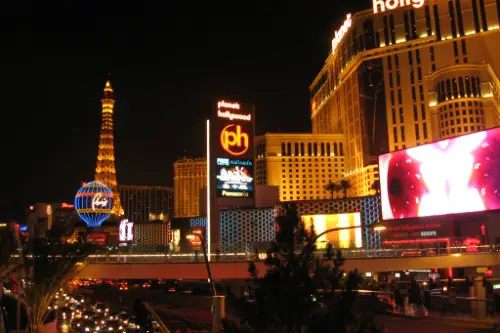
Vegas had a midlife crisis of sorts—it was seen as trashy, dated, and out of ideas by the early 2000s. So it got a facelift, both in brand and infrastructure. The city started calling itself “The Entertainment Capital of the World,” emphasizing luxury, food, and non-gambling attractions. Shows, sports teams, and high-end dining helped expand the appeal.
The “What Happens Here, Stays Here” campaign was cheeky but wildly successful. Beyond the Strip, areas like Downtown Las Vegas were revived with arts, tech, and indie culture. Zappos moving HQ downtown helped legitimize the shift. Vegas managed to evolve while still keeping its party soul intact.
15. Atlanta, Georgia
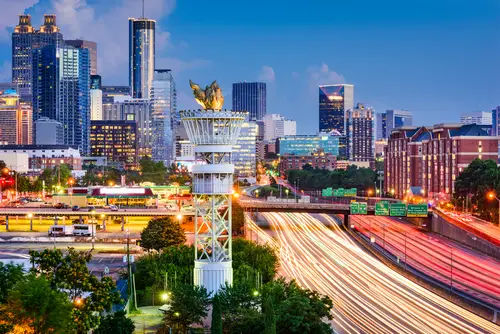
Atlanta has long battled a dual identity—capital of the South, and symbol of sprawl and traffic. But it recast itself as the Black cultural capital of the U.S., as well as a booming film and tech hub. The BeltLine project turned old rail lines into green pathways and public art spaces. This helped rebrand the city as progressive, creative, and livable.
Big moves from companies like Microsoft and Google added legitimacy. The city also became a music and film powerhouse, with “Y’allywood” becoming shorthand for its entertainment scene. Campaigns leaned into Atlanta’s identity as a city of reinvention. It was all about owning both history and the future.
16. Oakland, California
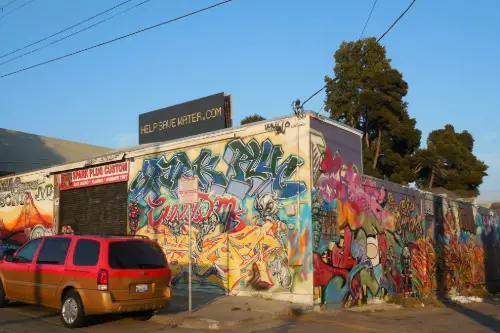
Oakland used to be known mainly for crime and being San Francisco’s “rough” neighbor. In the 2010s, however, it rebranded itself as a cultural epicenter with deep roots in activism, music, and art. Community-led development and pop-up culture gave it new life. “There’s No There There” turned into “There’s So Much Here.”
Local branding emphasized diversity, grit, and creativity. New restaurants, murals, and makerspaces popped up across neighborhoods like Temescal and Fruitvale. While gentrification created tension, the city’s rebrand stuck with a younger, edgier crowd. Oakland found power in its personality—not just proximity.
17. Spokane, Washington
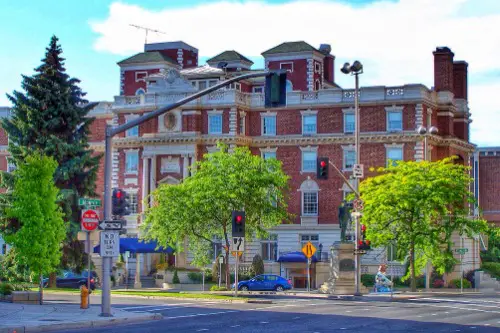
Spokane once had a reputation for being sleepy, gray, and disconnected from the West Coast boom. To counter that, civic leaders pushed a fresh identity focused on outdoors, affordability, and entrepreneurship. They leaned into “Near nature. Near perfect.” as a slogan, and it stuck. Spokane marketed itself as the Pacific Northwest without the price tag.
Tech incubators, craft breweries, and festivals helped round out the new image. The city invested in its riverfront and public spaces to attract younger families. A rebrand campaign also played up its growing film and creative scene. Spokane became known as more than just a dot between Seattle and Montana—it became its own destination.
This post 17 U.S. Cities That Rebranded Themselves to Dodge Bad Reputations was first published on American Charm.