
1. Harrisburg, Pennsylvania
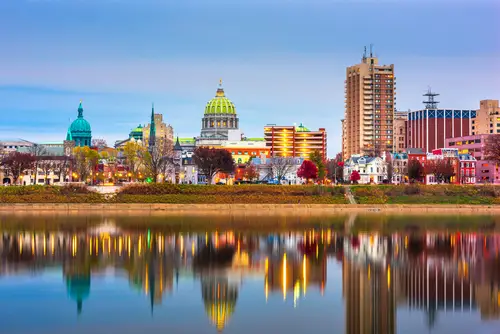
Harrisburg has long been treated as a pass-through city rather than a destination. But steady job growth in healthcare, manufacturing, and government-adjacent services is changing that perception. Affordable housing continues to attract workers relocating from larger East Coast metros. Those quiet moves add up over time.
As more residents settle in, demand for retail, dining, and downtown living increases. Harrisburg’s role as a state capital provides economic insulation that many similar-sized cities lack. That stability creates room for expansion rather than boom-and-bust cycles. In 2026, that slow momentum could become suddenly visible.
2. Boise, Idaho
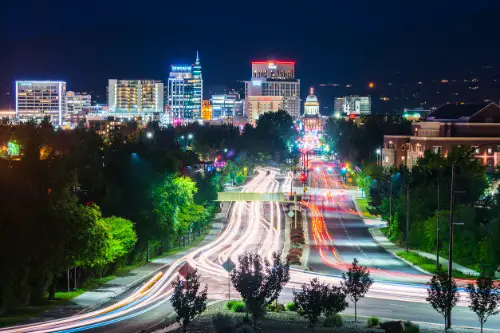
Boise has been quietly evolving from a scenic mountain town into a serious economic contender. Major semiconductor and tech investments have attracted workers priced out of coastal markets, changing the city’s growth trajectory. Housing demand, infrastructure spending, and downtown development are all accelerating at once. That combination suggests Boise could hit a new growth phase in 2026.
What makes this boom unexpected is how fast Boise is moving beyond its “small city” reputation. Lifestyle appeal is drawing remote workers, while established employers anchor long-term stability. The strain on housing and transportation is already prompting new public and private investment. By next year, Boise may feel much bigger than analysts once assumed.
3. Raleigh, North Carolina
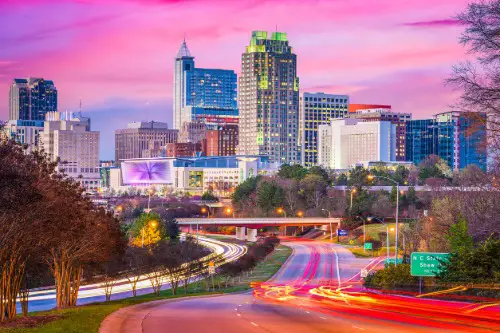
Raleigh’s growth story isn’t new, but its next phase might be. Corporate relocations and population inflows continue pushing the city’s economy into a higher gear. Housing demand and commercial development are accelerating beyond what earlier forecasts anticipated. The city is starting to feel denser, busier, and more urban.
What could surprise analysts is how diversified Raleigh’s economy has become. Technology, biotech, education, and finance all contribute to sustained growth. That mix cushions the city from sector-specific downturns. By 2026, Raleigh may cross a threshold into full-fledged national prominence.
4. Salt Lake City, Utah
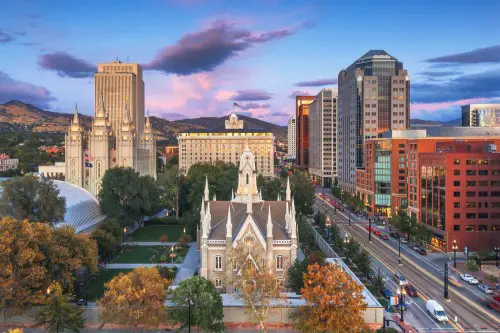
Salt Lake City is benefiting from a rare combination of job growth and improving housing availability. A young workforce and strong employer base continue to draw new residents. At the same time, increased housing supply is keeping prices from running completely out of reach. That balance encourages longer-term settlement rather than short-term migration.
The city’s outdoor access and cultural growth make it especially attractive to younger professionals. As neighborhoods fill in, demand for entertainment, dining, and local businesses increases. Infrastructure investments often follow population stability. Salt Lake City could surprise observers by feeling more affordable and vibrant at the same time in 2026.
5. Columbus, Ohio
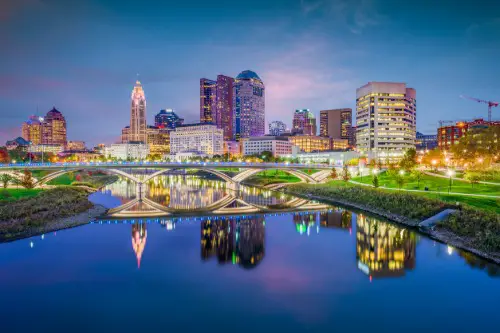
Columbus has one of the most balanced economies in the Midwest. Technology research, education, healthcare, finance, and manufacturing all play meaningful roles. That diversity has kept the city growing even when other regions stalled. It’s a formula that rarely grabs headlines but delivers results.
The presence of major research institutions continues to feed innovation and talent pipelines. Companies looking for stability rather than hype are increasingly drawn to Columbus. As job growth continues, so does demand for housing and cultural amenities. In 2026, Columbus could finally get attention that matches its fundamentals.
6. Princeton, Texas
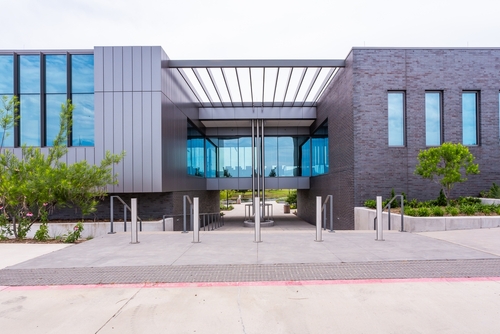
Princeton’s population growth has been explosive, even by Texas standards. New housing developments, schools, and retail centers are appearing rapidly. Its location near the Dallas–Fort Worth metro makes it attractive to commuters seeking affordability. That suburban momentum often precedes wider economic expansion.
As population density increases, businesses tend to follow. Healthcare providers, entertainment venues, and regional employers are already expanding nearby. These shifts can transform a suburb into a city faster than expected. By 2026, Princeton may feel less like an outpost and more like a standalone boomtown.
7. Lehigh Valley, Pennsylvania
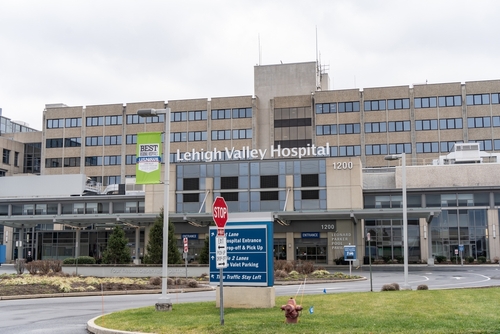
The Lehigh Valley benefits from strategic geography and economic depth. Manufacturing, logistics, healthcare, and finance all contribute to consistent growth. Proximity to major Northeast cities makes it appealing to both workers and employers seeking lower costs. It’s a region with quiet confidence.
What could fuel a 2026 surge is increasing recognition of its independence. As companies decentralize from major metros, the valley offers space, talent, and connectivity. Residential development continues to rise alongside job creation. This area may soon be discussed as its own economic destination rather than a satellite.
8. Lincoln, Nebraska
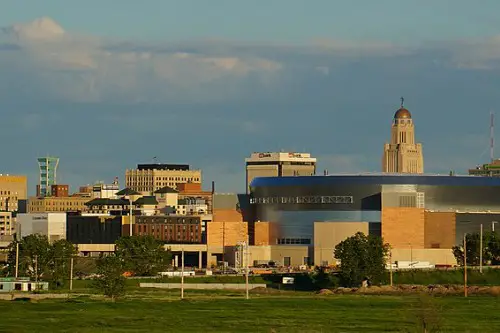
Lincoln’s affordability and employment stability make it an attractive alternative to larger cities. Strong education institutions contribute to a steady stream of skilled graduates. That talent base supports growth in tech, research, and professional services. It’s a classic setup for understated expansion.
As remote work becomes normalized, cities like Lincoln gain new appeal. Lower living costs allow residents to invest locally, strengthening the economy further. Cultural amenities often follow population stability. By 2026, Lincoln could surprise with how much momentum it’s quietly built.
9. Provo, Utah
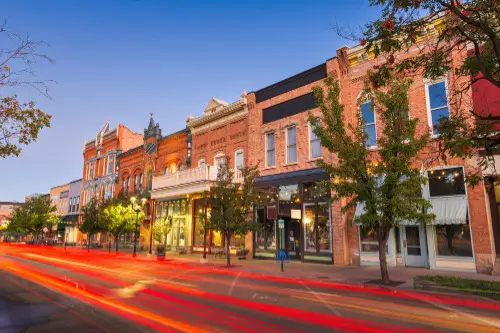
Provo blends college-town energy with a growing technology sector. A well-educated workforce and strong household incomes give the city economic resilience. Its outdoor access and family-friendly reputation attract long-term residents rather than transient ones. That stability supports sustained growth.
The city’s smaller size means even modest increases have outsized impact. New housing, startups, and mixed-use developments are reshaping its core. As tech activity expands along Utah’s Wasatch Front, Provo stands to benefit. In 2026, it may punch above its weight economically.
10. Cary, North Carolina
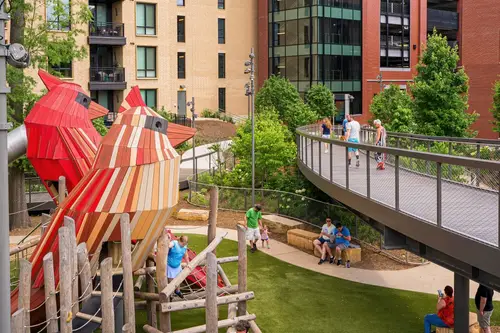
Cary has invested heavily in digital infrastructure and smart city initiatives. Traffic systems, connectivity, and municipal technology improve daily life in subtle but meaningful ways. These advantages attract employers that value efficiency and forward-thinking governance. It’s an underappreciated growth driver.
As companies and workers prioritize livability, Cary’s approach pays dividends. Its proximity to major research and tech hubs adds another layer of appeal. Population growth often follows functional cities that simply work well. In 2026, Cary’s careful planning could translate into unexpected economic visibility.
11. Delray Beach, Florida
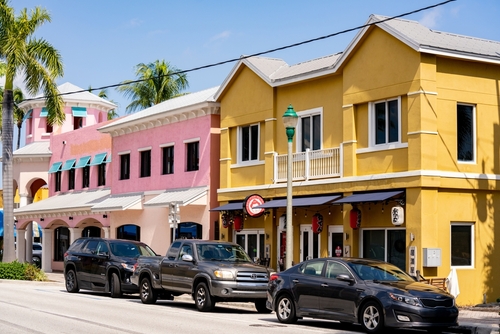
Delray Beach combines coastal appeal with increasing professional opportunity. Finance, technology, and service-sector jobs are expanding alongside tourism. The city benefits from regional connectivity without the costs of larger Florida metros. That balance draws both young professionals and retirees.
Year-round residency is rising as work opportunities diversify. New developments cater to residents rather than seasonal visitors. As spending power increases, so does local business growth. In 2026, Delray Beach may feel less like a resort town and more like a thriving urban center.
12. Des Moines, Iowa
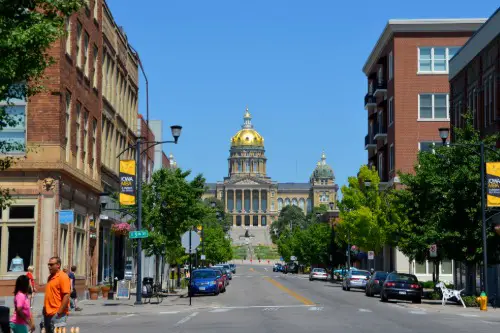
Des Moines has long been strong in insurance and finance, but its appeal is widening. Remote workers are choosing the city for affordability and quality of life. Corporate employers value its stable workforce and central location. These trends reinforce each other quietly.
As more residents arrive, demand grows for housing, dining, and cultural amenities. That demand encourages reinvestment in urban spaces. Des Moines doesn’t rely on flash — it builds steadily. By 2026, its growth may be impossible to ignore.
13. Tampa, Florida
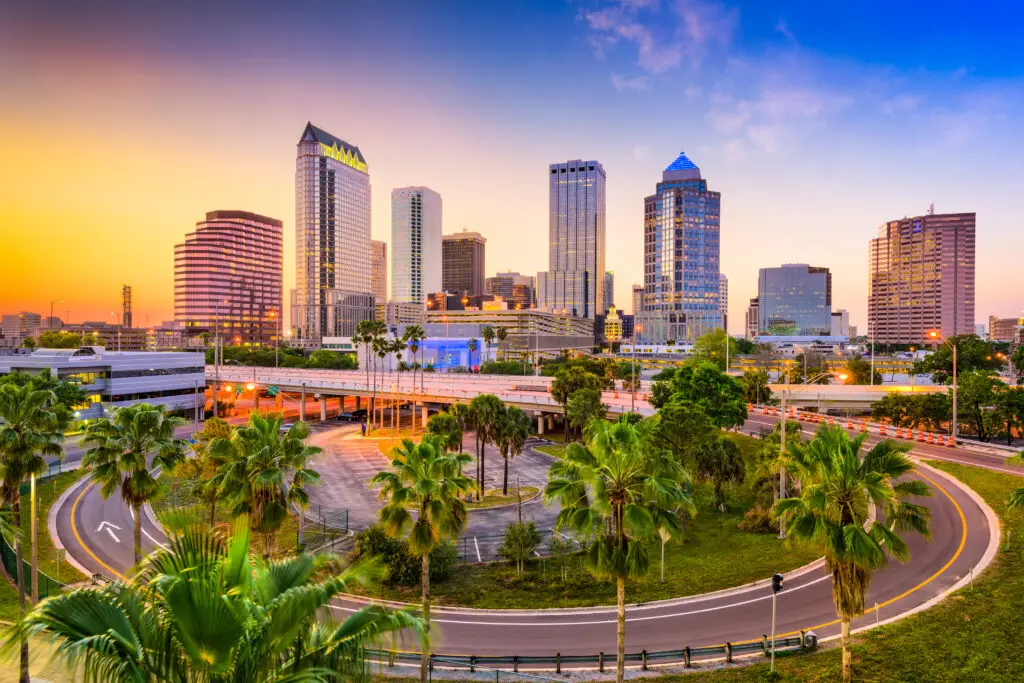
Tampa continues to attract younger residents seeking affordability and opportunity. Healthcare, logistics, finance, and tech all play growing roles in its economy. The absence of state income tax adds long-term appeal. These factors support sustained population growth.
As more residents settle in, commercial development accelerates. Neighborhoods are becoming denser and more walkable. Cultural investment often follows demographic shifts like these. In 2026, Tampa could emerge as one of Florida’s most balanced boom cities.
14. Albuquerque, New Mexico
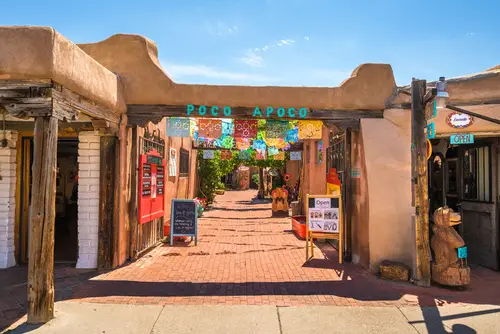
Albuquerque benefits from an unusually diverse economic base. Research institutions, advanced manufacturing, film production, and creative industries all coexist. That diversity provides resilience during economic uncertainty. It also opens doors for unexpected growth.
The city’s affordability and cultural richness attract both artists and scientists. As hybrid industries expand, collaboration fuels innovation. New residents bring demand for housing and services. By 2026, Albuquerque may surprise analysts who underestimated its long-term potential.
15. Duluth, Minnesota

Duluth has been quietly repositioning itself from an industrial legacy city into a climate-resilient hub. Its access to freshwater, cooler temperatures, and port infrastructure are drawing interest from businesses planning decades ahead. Healthcare, logistics, and outdoor recreation industries are expanding simultaneously. Those overlapping trends create growth few forecasts fully accounted for.
Population stabilization is turning into modest but meaningful growth. Remote workers are discovering Duluth offers urban amenities without major-metro stress. Public and private reinvestment is reshaping waterfront and downtown areas. By 2026, the city’s long-term advantages may suddenly look obvious.
16. El Paso, Texas
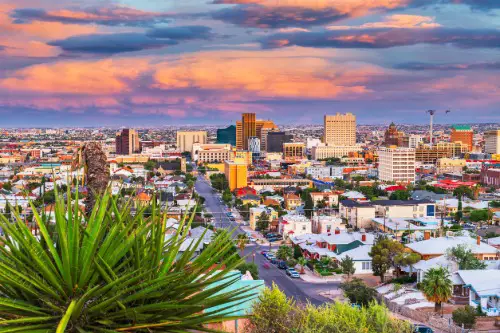
El Paso benefits from cross-border trade dynamics that are evolving faster than expected. As supply chains shorten, the city’s logistics, manufacturing, and customs-related services gain importance. Federal infrastructure and border investments add another layer of economic activity. These forces combine in ways that traditional Texas growth models often overlook.
The city’s affordability is retaining workers who might otherwise leave the region. Healthcare, defense, and education sectors continue to expand quietly. New residents are driving demand for housing and local services. In 2026, El Paso could emerge as a strategic growth city rather than a peripheral one.
17. Fayetteville, Arkansas
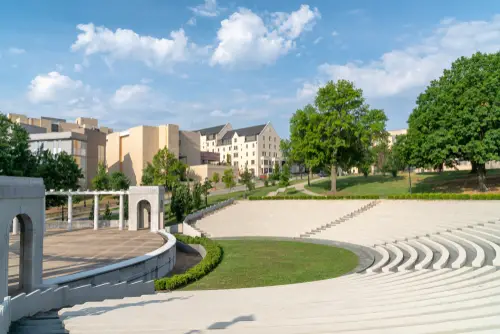
Fayetteville’s growth is being fueled by an unusual mix of corporate gravity and small-city livability. Proximity to major employers anchors income stability while the city retains a creative, college-town feel. This balance attracts entrepreneurs and skilled professionals alike. Analysts often underestimate how powerful that combination can be.
As population rises, so does investment in housing, retail, and cultural venues. Downtown density is increasing without sacrificing character. Regional connectivity continues to improve alongside job growth. By 2026, Fayetteville may feel far more economically significant than its size suggests.
18. Spokane, Washington
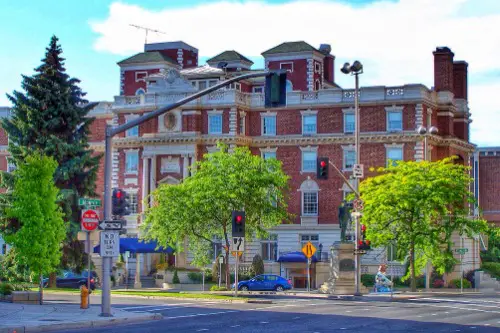
Spokane is benefiting from migration patterns shifting away from coastal price pressures. Healthcare, education, and clean energy employers are expanding steadily. Its location offers access to the Pacific Northwest economy without Seattle-level costs. That positioning is becoming increasingly valuable.
Infrastructure upgrades and downtown revitalization are accelerating together. New residents bring purchasing power that supports local businesses. The city’s growth feels measured but persistent. In 2026, Spokane could surprise observers who expected growth to remain concentrated farther west.
19. Rochester, New York
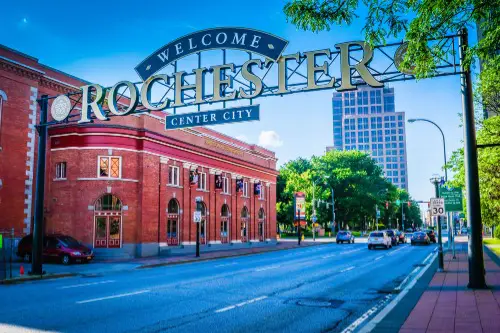
Rochester is undergoing a quiet reinvention driven by research and advanced manufacturing. Optics, photonics, and medical technology sectors are expanding beyond legacy institutions. Affordable housing makes talent retention easier than in peer cities. These advantages tend to compound rather than spike.
The city is also benefiting from renewed interest in midsize Northeastern metros. Downtown redevelopment is gaining traction as population decline slows. Cultural and educational assets add long-term appeal. By 2026, Rochester’s comeback narrative may gain national attention.
20. Macon, Georgia
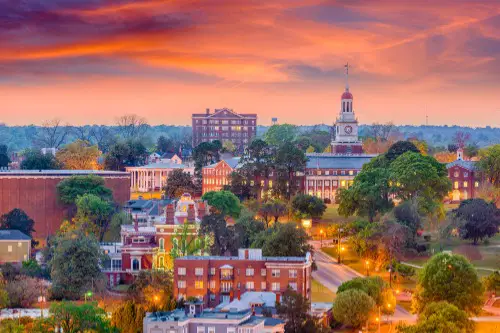
Macon is emerging as a regional hub rather than a pass-through city. Healthcare expansion, logistics activity, and creative industries are all contributing to growth. Its central location within Georgia improves employer reach and workforce access. That geographic advantage is finally being leveraged.
Lower costs are attracting residents from larger Southern metros. Revitalization efforts are bringing new life to historic districts. Small business growth often follows these demographic shifts. In 2026, Macon could feel like one of the South’s most quietly ascendant cities.
21. Yakima, Washington
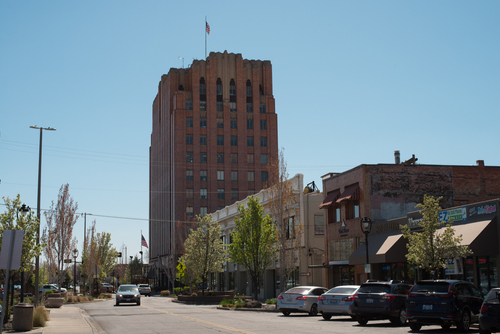
Yakima’s economy is diversifying beyond agriculture faster than many expect. Food processing, logistics, renewable energy, and healthcare are expanding in parallel. Its location along major transportation corridors adds strategic value. These changes are reshaping the city’s long-term outlook.
Population growth remains modest but increasingly stable. New housing and commercial projects reflect rising confidence. Employers value the region’s workforce reliability and cost structure. By 2026, Yakima may stand out as an unexpected beneficiary of economic decentralization.
This post 21 U.S. Cities Poised to Boom in 2026 for Reasons No Analyst Predicted was first published on American Charm.

