
1. San Francisco
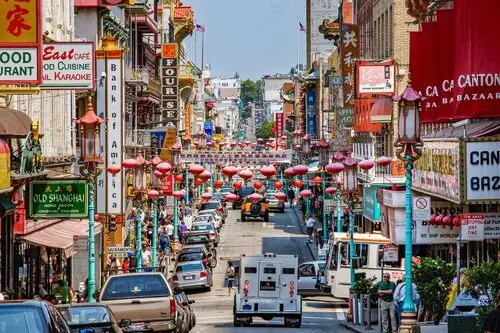
San Francisco heads into 2026 still trying to decide what its downtown is supposed to be. Office vacancies remain high after the tech sector’s shift toward remote and hybrid work. The city keeps testing ideas, from housing conversions to nightlife incentives, but nothing has fully stuck yet. Residents are watching closely to see whether the urban core can reinvent itself or continue to hollow out.
At the same time, public safety and street conditions remain emotionally charged topics. Voters have shown a willingness to try new leadership and tougher-sounding policies, but results have been uneven. The question isn’t whether San Francisco can change, but which version of the city will win out. By 2026, people want clarity instead of constant course corrections.
2. Los Angeles

Los Angeles is staring down a massive to-do list as the 2028 Olympics inch closer. Infrastructure projects are underway, but delays and cost concerns are constant background noise. Housing affordability continues to squeeze renters and middle-income families. The city feels like it’s racing the clock while arguing about the route.
Homelessness remains the defining issue, with progress arriving in pockets rather than at scale. Voters have approved funding and policy shifts, yet visible improvements are inconsistent across neighborhoods. There’s optimism that big events can force big solutions, but skepticism runs just as deep. Entering 2026, Los Angeles still feels mid-construction in every sense.
3. New York City
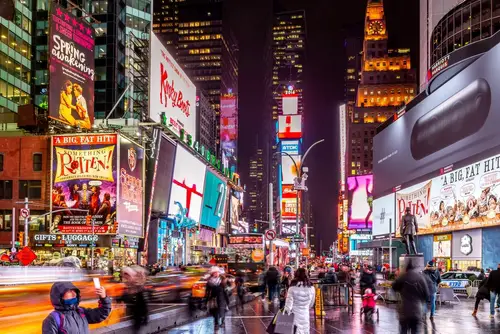
New York City is once again asking how to pay for itself without pushing people out. Budget pressures, transit funding needs, and public service costs are all colliding at once. The housing shortage shows no sign of easing, even as new rezonings spark political fights. Everyone agrees the city needs growth, but no one agrees on the terms.
Quality-of-life debates have returned to center stage, especially around transit safety and public order. Some reforms have moved forward, while others stall under legal or political challenges. The city’s energy is still there, but the rules feel unsettled. As 2026 approaches, New York’s biggest question is how to balance ambition with stability.
4. Chicago
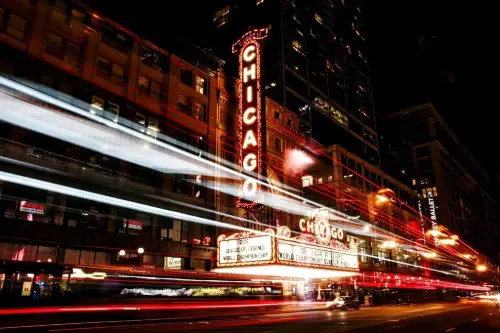
Chicago enters 2026 with serious fiscal questions hanging over City Hall. Pension obligations and debt concerns limit how much flexibility leaders really have. Residents feel the tension between maintaining services and avoiding tax fatigue. It’s a delicate math problem with very human consequences.
Public safety remains uneven across neighborhoods, shaping how people feel about the city’s future. Downtown shows signs of life, but some commercial corridors lag behind. Chicago has momentum in areas like manufacturing and logistics, yet confidence isn’t evenly shared. The city feels poised, but not quite reassured.
5. Houston
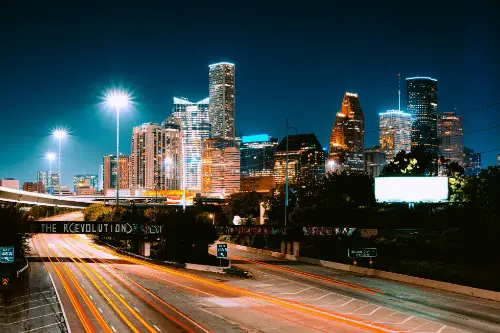
Houston keeps growing, but the pace raises questions about sustainability. Flood control remains top of mind after years of destructive storms. Massive investments are underway, yet many neighborhoods still feel exposed. Growth feels exciting until the rain starts falling.
The city’s economy is diversifying beyond energy, but the transition isn’t seamless. Infrastructure strain shows up in traffic, utilities, and housing sprawl. Houston’s famously hands-off zoning approach continues to spark debate. Entering 2026, residents wonder whether growth alone is enough.
6. Phoenix
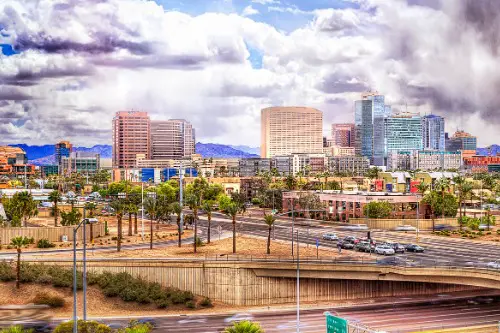
Phoenix is grappling with the long-term reality of water scarcity. Agreements and conservation plans exist, but the future of regional water supplies remains uncertain. Growth hasn’t slowed much, even as warnings get louder. The desert math is becoming harder to ignore.
Housing development continues at a rapid clip, often far from job centers. Extreme heat is reshaping how people think about livability and public health. City leaders are experimenting with solutions, but the scale of the challenge is enormous. Phoenix heads into 2026 with confidence, tempered by climate anxiety.
7. Austin
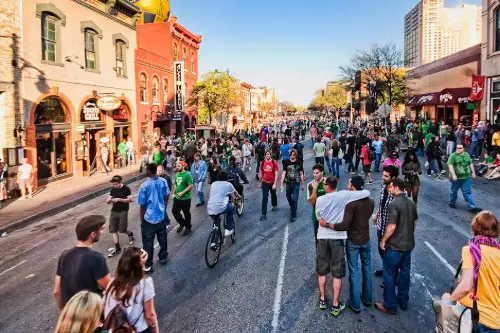
Austin’s identity feels slightly up for grabs as it matures. Once-celebrated growth has brought congestion, rising rents, and infrastructure headaches. The tech sector remains important, but recent volatility has cooled the hype. Locals are asking what kind of city Austin wants to be next.
State and city political tensions add another layer of uncertainty. Housing reforms have passed, but their real-world impact is still unfolding. Austin still attracts newcomers, just with more skepticism than before. As 2026 arrives, the city is transitioning from boomtown to something more complicated.
8. Miami
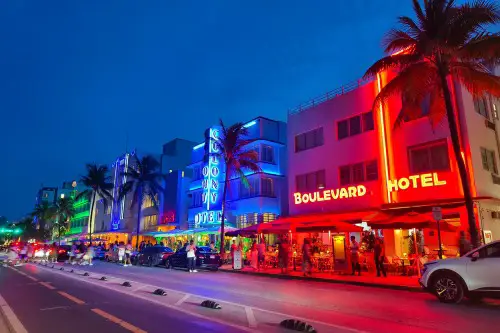
Miami is living with the double-edged sword of popularity. New residents and capital continue to flow in, reshaping neighborhoods quickly. At the same time, sea-level rise and flooding are no longer abstract concerns. The city feels glamorous, but increasingly fragile.
Insurance costs and condo safety reforms have unsettled many homeowners. Longtime residents worry about affordability and displacement. Miami’s economy is diversifying, but climate risk looms over every decision. Entering 2026, the question is how long momentum can outrun physics.
9. Tampa
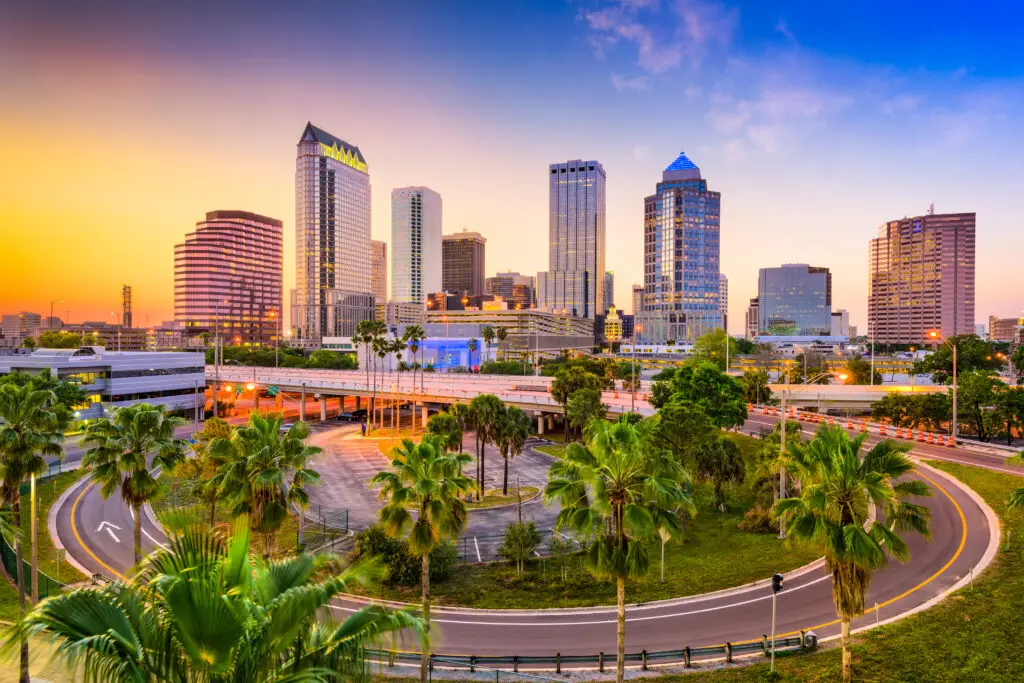
Tampa has grown fast, and now it’s dealing with the consequences. Housing prices jumped quickly, leaving affordability in question. Insurance challenges have hit homeowners particularly hard. The city’s sunshine appeal comes with mounting financial stress.
Infrastructure and transit discussions have grown more urgent as traffic worsens. Leaders talk about smart growth, but execution takes time. Tampa feels like a city adjusting to its own success. By 2026, residents want to know if the boom can be stabilized.
10. New Orleans
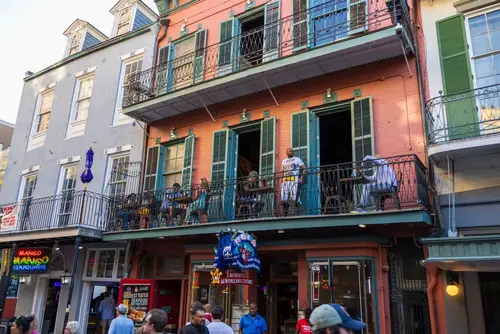
New Orleans continues to wrestle with population loss and economic recovery. Tourism remains strong, but it doesn’t solve everything. Infrastructure issues, from roads to drainage, persist year after year. The city often feels stuck between resilience and exhaustion.
Insurance availability and affordability have become major barriers to staying. Cultural vibrancy is still the city’s heartbeat, but daily life is harder. Leaders talk about reinvention, yet progress feels fragile. Entering 2026, New Orleans faces more crossroads than clear paths.
11. Jackson, Mississippi
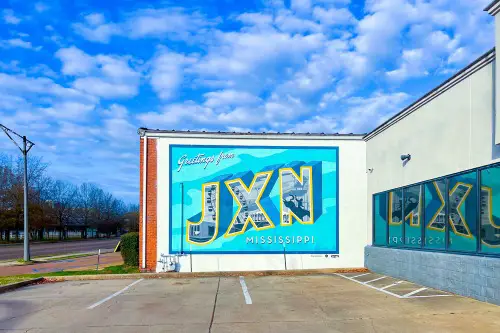
Jackson enters 2026 under the long shadow of its water system crisis. Temporary fixes and outside management have helped, but trust remains low. Residents want reliability, not emergency declarations. Basic services are still the city’s biggest question.
Political friction between local and state leadership complicates recovery. Economic development struggles to gain traction without infrastructure stability. Community groups remain active, but burnout is real. Jackson’s future depends on turning survival into sustainability.
12. Seattle
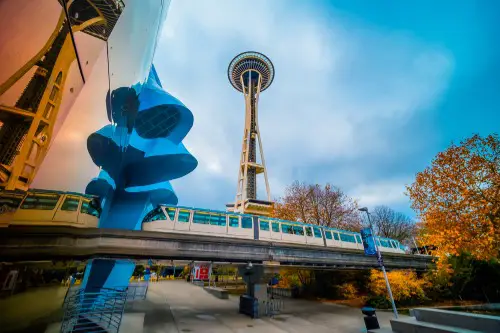
Seattle is recalibrating after years of rapid tech-driven growth. Office vacancies and changing work patterns have altered downtown dynamics. The city is testing new ways to bring people back into urban spaces. Results so far are mixed.
Housing costs remain a constant pressure despite increased construction. Public safety and homelessness debates continue to dominate local politics. Seattle still has immense economic strengths, but confidence wavers. Heading into 2026, the city feels reflective rather than relentless.
13. Portland, Oregon
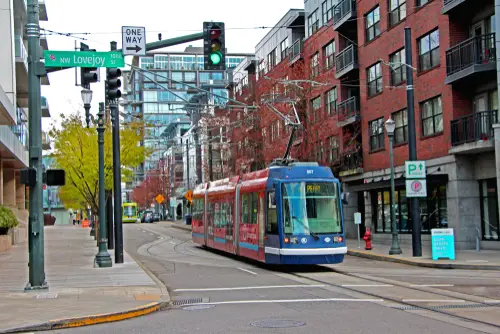
Portland is still working through an identity reset. Downtown recovery has been slower than many hoped. Public safety concerns have shaped perceptions inside and outside the city. The vibe feels quieter, more cautious.
Local government reforms are in progress, but trust takes time to rebuild. Housing and homelessness remain deeply intertwined challenges. Portland’s creativity hasn’t disappeared, but it’s searching for direction. As 2026 approaches, clarity is the missing ingredient.
14. Denver
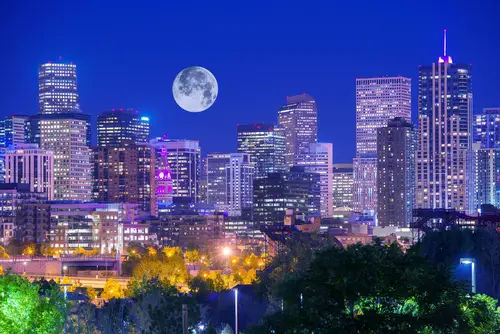
Denver’s popularity has tested its housing supply. Rents and home prices remain high despite aggressive building. Transportation and air quality concerns are growing alongside population gains. The city feels stretched between access and appeal.
Climate-related issues like drought and wildfire smoke are no longer seasonal footnotes. Civic leaders promote density and transit, but neighborhood resistance persists. Denver is still thriving, just with more friction. Entering 2026, growth no longer feels effortless.
15. St. Louis
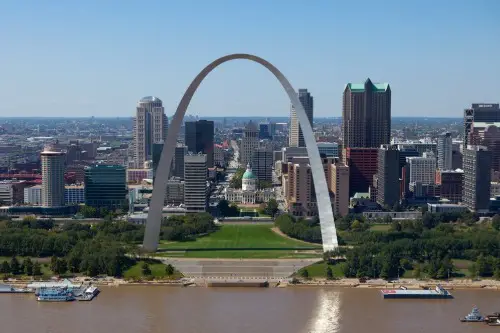
St. Louis continues to wrestle with uneven development. Some neighborhoods see investment, while others wait for basics. Population trends remain a concern for regional leaders. Progress feels real, but inconsistent.
Public safety and governance reforms are ongoing, with mixed public confidence. Downtown recovery has been slower than hoped after pandemic-era disruptions. St. Louis has strong institutions, but coordination remains a challenge. As 2026 begins, the city is still searching for momentum that lasts.
This post 15 U.S. Cities Entering 2026 With More Questions Than Answers was first published on American Charm.

