
1. Sunday Night Pizza
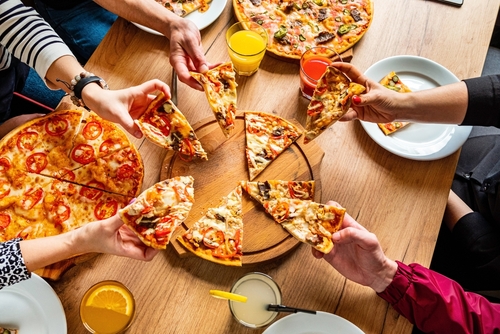
For many American families, Sunday night pizza has become a ritual that’s more about routine than pleasure. Parents order the same chain pizza they’ve been ordering for years, even if no one is particularly excited about it. The tradition often started when life got busy during the workweek, and pizza was an easy, comforting fallback. Over time, it just stuck as a Sunday habit, not because anyone feels joyous anticipation.
Kids may eat it quietly, half-watching TV, while adults scroll through their phones. The conversation at the table is minimal because everyone is used to it, and the novelty has worn off. Yet skipping it can feel strangely disruptive, like breaking a chain of continuity. It’s a reminder of how habits can masquerade as cherished family traditions.
2. Watching the Super Bowl Commercials
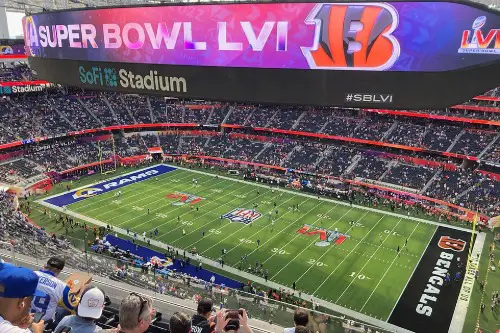
For many, the Super Bowl is less about football and more about the commercials, but even that enthusiasm is often more expected than real. People tune in each year because “that’s what everyone does,” not because they genuinely look forward to witty ads. Friends host parties, snacks are laid out, and everyone half-watches while scrolling through social media. The event is technically fun, but the original excitement has dulled into a predictable routine.
The commercials, which once sparked conversation, now mostly evoke a polite, obligatory chuckle. People may even critique them more out of habit than genuine interest. Still, skipping the ads or the game feels almost taboo in certain social circles. This ritual highlights how collective expectations can keep traditions alive more than personal enjoyment.
3. Black Friday Shopping

Black Friday shopping is technically supposed to be about scoring deals, but many Americans go through the motions without much thrill. Early morning lines, crowded stores, and frantic searches for discounts have become habitual rather than enjoyable. Shoppers often admit they don’t actually need anything, but they participate because “that’s what people do.” The original excitement of snagging a once-in-a-lifetime deal has largely been replaced by a mechanical routine.
Even when people find something on sale, the joy is fleeting. Most shoppers are exhausted and overwhelmed by the crowds. Still, breaking from the tradition feels socially awkward, like missing a national rite. This shows how social pressure can maintain a habit far longer than any personal satisfaction.
4. Carving Pumpkins for Halloween
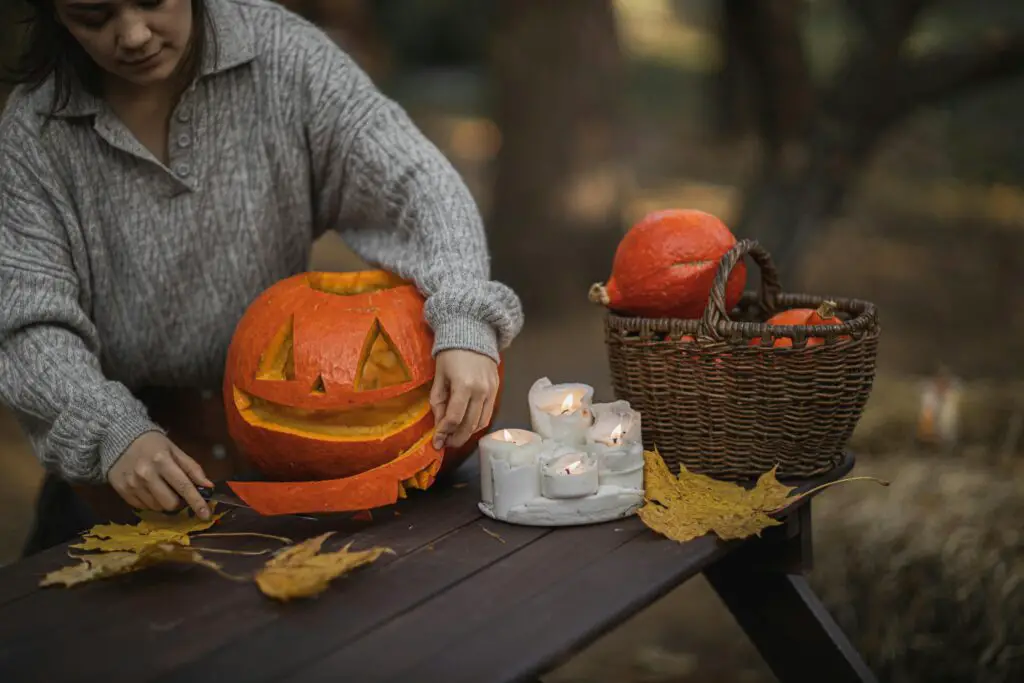
Pumpkin carving is a fall ritual for many, but it’s often done more out of habit than enjoyment. Families buy pumpkins, set up messy workstations, and go through the motions of cutting faces. Kids and parents alike sometimes find the process stressful, with pumpkins rolling or tools getting stuck. Despite the hassle, the tradition persists because it’s “what you do every October.”
By the time the pumpkins are displayed, enthusiasm may have waned. People might glance at them quickly before heading inside. Yet skipping it can feel like breaking the seasonal rhythm. The tradition survives on expectation more than actual delight.
5. Throwing Graduation Caps

Graduation ceremonies are full of pomp and circumstance, but tossing caps is often more about following the script than celebrating. Students line up, throw their caps, and smile for photos because that’s what graduates are supposed to do. Many feel self-conscious or rushed, barely savoring the moment. Still, skipping the cap toss can feel like ignoring a rite of passage, so everyone joins in.
The act itself rarely creates lasting memories for the majority. People recall more of the awkward balancing acts or hats landing on the wrong heads. Yet it persists year after year as an emblem of achievement. It’s a classic example of a joyful-looking tradition maintained largely by habit.
6. Attending Holiday Office Parties
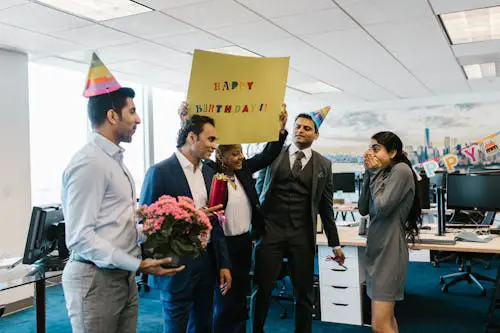
Holiday office parties are often dreaded rather than enjoyed, but attendance is almost always automatic. Coworkers gather, exchange obligatory greetings, and nibble on snacks they don’t care for. The intention behind these parties—to celebrate camaraderie—is often overshadowed by awkward small talk. Skipping it can make one seem antisocial, so people go anyway.
Even when drinks and appetizers are provided, genuine joy is rare. People clock-watch and wait for the event to end. Yet the annual ritual continues, more to maintain appearances than because anyone is excited. It’s a reminder of how social norms enforce tradition.
7. Watching the Macy’s Thanksgiving Day Parade

The Macy’s Thanksgiving Day Parade is broadcast nationwide, but many Americans watch it out of routine. Families sit in front of the TV because it’s “tradition,” even if the floats and performances feel dated. Kids may yawn, and adults may scroll through their phones. Still, turning it off seems almost sacrilegious on Turkey Day.
The parade is visually impressive, but the enjoyment is often half-hearted. People comment on costumes or balloons more to keep up appearances than genuine awe. Over time, it becomes a background fixture of the holiday. The habit outweighs the happiness.
8. Sending Holiday Cards

Holiday cards are an entrenched American custom, yet many send them without much excitement. People buy cards months in advance, fill in the same messages, and mail them to friends and distant relatives. The process is often more about obligation than creativity or joy. Skipping it feels like breaking social etiquette, so the tradition persists.
Even recipients may glance at them briefly and set them aside. The cards rarely spark heartfelt reactions anymore. Yet year after year, households dutifully send them out. It’s a habit preserved by societal expectation rather than personal delight.
9. Birthday Candles
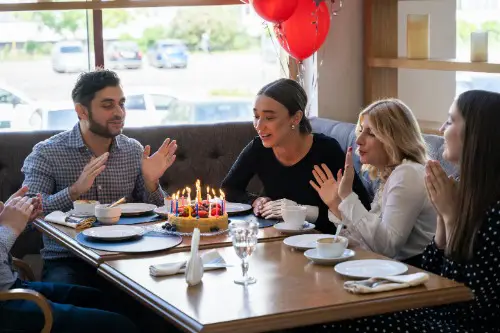
Blowing out birthday candles is a nearly universal ritual, yet its charm often fades with age. People stand around a cake, sing, and clap because that’s what’s expected. Adults may smile politely but feel little actual excitement. Still, skipping the candles feels strange, as if an essential part of the celebration is missing.
Children tend to enjoy the tradition more, but even then, the focus is often on getting the cake than the candle-blowing. For adults, it becomes a performative gesture. The tradition continues because it’s ingrained, not necessarily because it sparks joy.
10. Watching Fireworks on the 4th of July
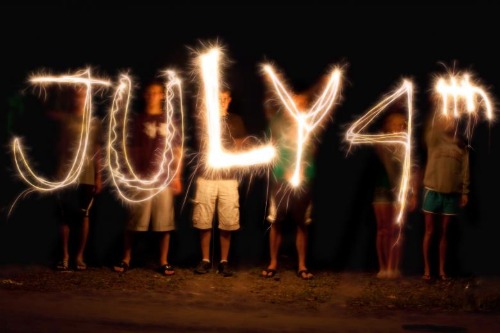
Many Americans watch fireworks on the 4th of July as a matter of course, even if the experience doesn’t thrill them. Families gather, set up lawn chairs, and brace for loud noises because “that’s what you do on Independence Day.” Adults may be checking their phones more than watching the display. Kids may squirm or complain about the smoke.
The spectacle is impressive, but the routine often overshadows excitement. Missing it can feel like skipping a patriotic ritual. Yet year after year, people attend despite ambivalence. Habit, more than happiness, keeps the tradition alive.
11. New Year’s Eve Countdown
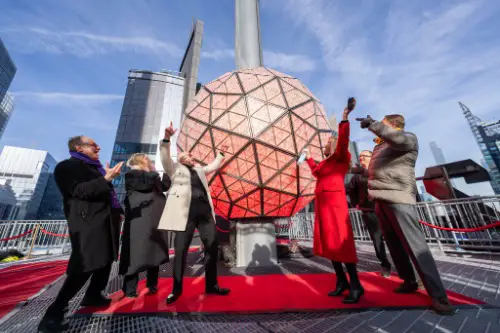
The New Year’s Eve countdown is a high-energy tradition, yet many Americans participate with little real enthusiasm. Friends gather, watch the clock, and cheer at midnight because that’s the expected cultural script. Some are half-asleep or more focused on drinks than the moment itself. Skipping it seems socially unacceptable, so they go through the motions.
The celebration rarely sparks deep reflection or meaningful joy. People may text friends or post on social media instead of savoring the experience. Still, the ritual persists year after year. It’s a clear example of a widely followed tradition maintained by habit rather than genuine excitement.
This post Traditions Americans Keep Out of Habit, Not Joy was first published on American Charm.