
1. Key West
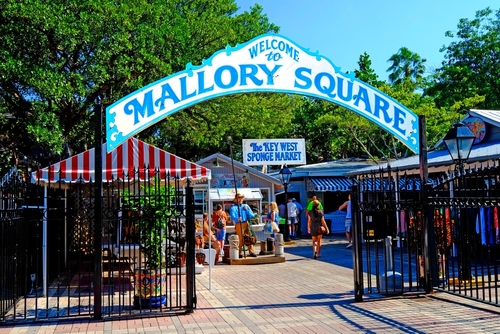
At the southernmost point of the continental U.S., cruise ships and party crowds pour into this tiny island city. Duval Street rarely sleeps, and neither do the bachelor and bachelorette parties. Bars, souvenir shops, and watersport operators compete for every inch of space. The tropical charm can feel overshadowed by a constant sales pitch.
Hotel rates spike in winter and during events like Fantasy Fest. Limited land means limited housing, which pushes rents and home prices sharply upward. Parking is scarce and expensive, adding to the daily hassle. Visitors often love the sunsets but complain about the noise, congestion, and inflated menu prices.
2. Aspen
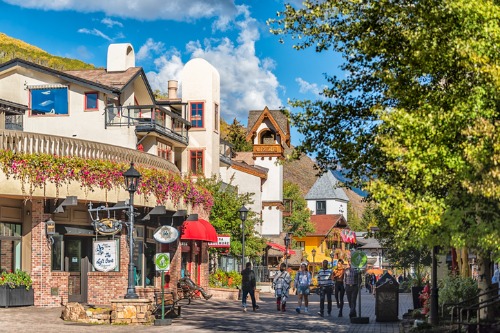
The scenery is jaw-dropping, but so are the prices. This former silver mining town turned ski haven draws deep-pocketed visitors chasing powder at Aspen Mountain. Luxury boutiques and high-end restaurants line the compact downtown. Even a simple lunch can feel like a splurge.
During peak ski season and summer festivals, hotel rates routinely climb into the hundreds or thousands per night. Short-term rentals have squeezed the local housing supply. Service workers often commute from downvalley communities to make ends meet. Visitors may come for exclusivity, but many leave grumbling about crowds and sticker shock.
3. Bar Harbor
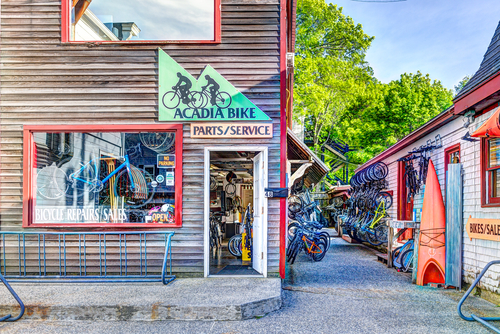
This coastal gateway to Acadia National Park swells dramatically when cruise ships dock. Quaint streets fill with tour groups hunting for lobster rolls and souvenirs. Traffic backs up along Mount Desert Island during peak foliage season. What feels peaceful in postcards can feel packed in person.
Seasonal demand pushes hotel and rental prices far beyond what many expect in rural Maine. Restaurants book out quickly, and waits can stretch past an hour in summer. Locals often face higher property taxes tied to rising home values. Visitors sometimes leave impressed by the scenery but frustrated by the crowds and costs.
4. Jackson
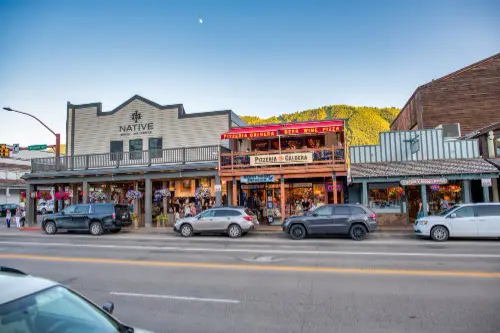
Framed by the Tetons, this Western town markets rugged authenticity with upscale polish. Its proximity to Grand Teton National Park makes it a magnet for outdoor enthusiasts. Art galleries and luxury lodges now share space with cowboy bars. The rustic vibe comes with very un-rustic price tags.
Home prices in Teton County are among the highest in the state. Seasonal workers often struggle to find affordable housing nearby. Peak summer and ski seasons bring heavy traffic through a relatively small town center. Travelers expecting solitude sometimes find a bustling resort atmosphere instead.
5. Sedona
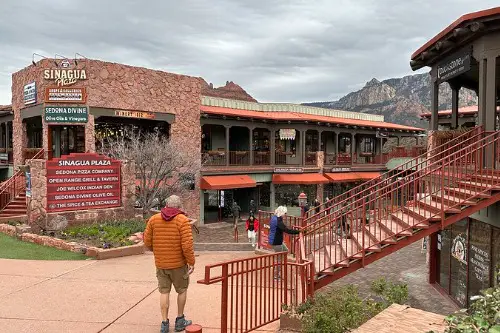
Red rock formations and so-called vortex sites have turned this desert town into a spiritual tourism hotspot. Jeep tours rumble through scenic canyons all day long. Wellness retreats and crystal shops line the main roads. The natural beauty remains stunning, but the commercialization is hard to miss.
Short-term rentals have grown significantly, tightening the local housing market. Traffic clogs State Route 179 during spring break and fall foliage season. Parking at popular trailheads can be nearly impossible without arriving at dawn. Many visitors leave inspired by the scenery but worn out by the logistics.
6. Gatlinburg

As a primary entrance to Great Smoky Mountains National Park, this mountain town sees millions each year. Its Parkway is packed with attractions, arcades, and themed restaurants. Neon signs and pancake houses compete for attention. The natural setting can feel secondary to the tourist strip.
Cabin rentals and hotels fill quickly during fall color season and summer vacations. Traffic jams are common on weekends and holidays. Local infrastructure strains under the sheer volume of visitors. Guests often enjoy the mountains but complain about congestion and inflated attraction prices.
7. South Lake Tahoe
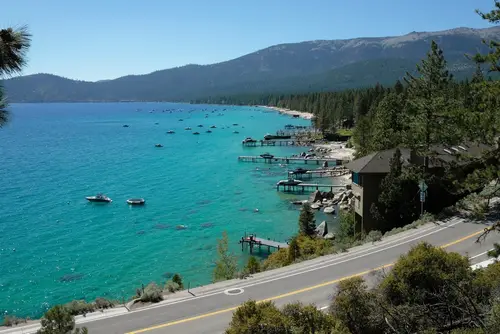
Straddling the California-Nevada border, this alpine town thrives on skiing and summer lake tourism. Casinos on the Nevada side add a different kind of draw. Outdoor recreation is world-class, from boating to hiking. Yet peak weekends can feel anything but serene.
Housing costs have climbed as vacation rentals proliferate. Wildfire risk and insurance costs add financial pressure for residents. Holiday traffic can turn a short drive into an hour-long crawl. Visitors often rave about the lake’s clarity but gripe about prices and packed beaches.
8. Nantucket
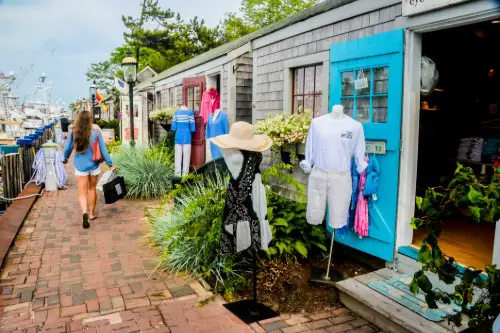
This historic island off Cape Cod becomes a playground for affluent summer travelers. Gray-shingled homes and cobblestone streets define its postcard look. Ferries and small planes funnel in seasonal crowds. The charm is undeniable, but it comes at a premium.
Median home prices are among the highest in Massachusetts. Seasonal demand drives up restaurant and lodging rates dramatically. Year-round residents face high living costs tied to tourism. Visitors may adore the scenery yet balk at the cost of even basic amenities.
9. Park City
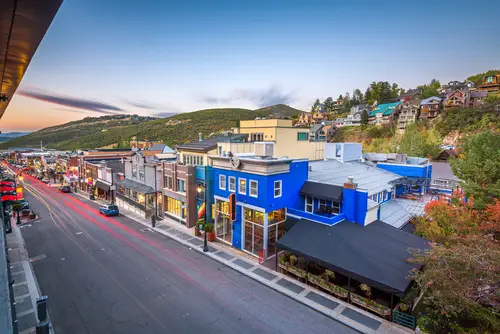
Known for hosting the Sundance Film Festival, this former mining town transformed into a ski and cultural hub. Winter brings skiers, while January brings celebrities and filmmakers. Main Street fills with galleries, bars, and luxury shops. The small-town feel shifts during major events.
Property values have soared alongside its reputation. Hotel prices can triple during festival week. Traffic and parking become daily challenges in peak season. Some visitors love the buzz, while others find it overwhelming and overpriced.
10. Santa Fe
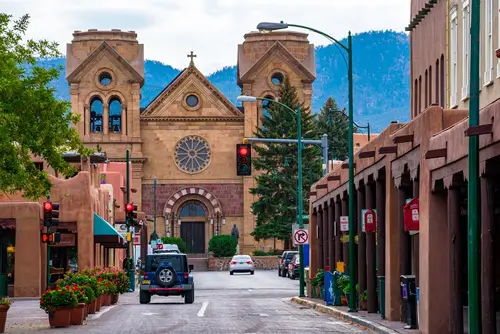
Adobe architecture and a thriving arts scene define this high-desert capital. The historic Santa Fe Plaza draws visitors year-round. Galleries, museums, and artisan markets fuel a strong tourism economy. The cultural richness is real, but so are the premium prices.
Housing costs have risen as second-home buyers enter the market. Popular restaurants often require reservations days in advance. Summer festivals and holiday markets bring dense crowds. Travelers may leave inspired artistically yet surprised by how quickly expenses add up.
11. Myrtle Beach
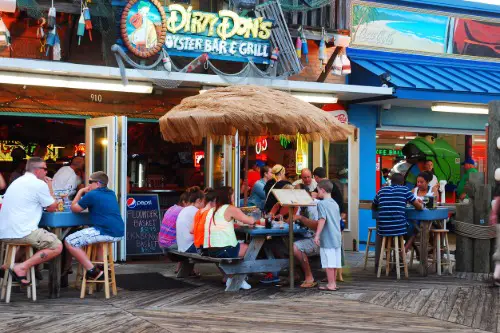
This Atlantic coast destination thrives on family vacations and golf trips. Its long boardwalk and amusement attractions define the experience. High-rise hotels line the shoreline in dense clusters. The beach is wide, but the development is wider.
Peak summer rates push hotel and condo prices upward. Seasonal employment dominates much of the local economy. Traffic on Ocean Boulevard can be slow and frustrating. Visitors often enjoy the sand but complain about commercialization and crowds.
12. Napa
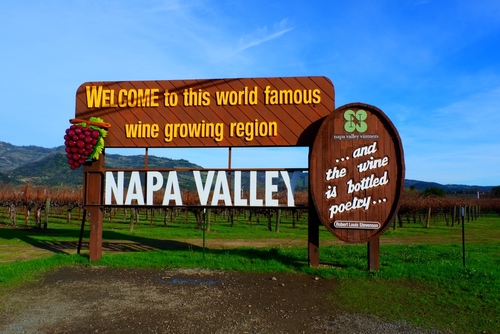
As the heart of Napa Valley, this city benefits from world-famous wine tourism. Tasting rooms and Michelin-starred restaurants abound. Vineyard views create an idyllic backdrop for weekend getaways. That idyllic setting often carries luxury-level pricing.
Hotel stays and tasting fees have steadily increased over the years. Agricultural land values translate into expensive real estate. Weekend traffic along Highway 29 can be bumper to bumper. Visitors may savor the wine but feel the sting on their credit card statements.
13. Honolulu
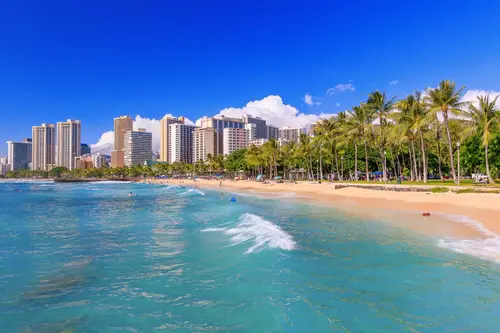
Home to Waikiki Beach, this tropical city is synonymous with Hawaiian tourism. High-rise resorts dominate the shoreline. International visitors arrive in large numbers year-round. Paradise is beautiful, but it is rarely quiet.
Hawaii consistently ranks among the most expensive states for groceries and housing. Tourism demand keeps hotel rates elevated. Traffic congestion is common despite the island setting. Some travelers leave enchanted by the ocean but surprised at how quickly daily costs accumulate.
14. Moab
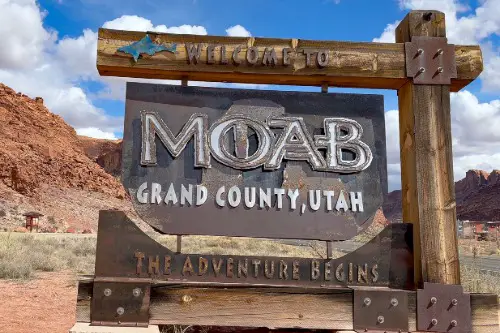
Surrounded by red rock landscapes, this small city anchors visits to Arches National Park. Off-road vehicles and mountain bikes are everywhere. Outdoor adventure is the primary draw. The once-sleepy desert town now feels constantly in motion.
Short-term rentals have expanded significantly in recent years. Limited infrastructure strains during peak spring and fall seasons. Campsites and park entries often require advance planning. Visitors may love the scenery but find the logistics and prices challenging.
15. Savannah
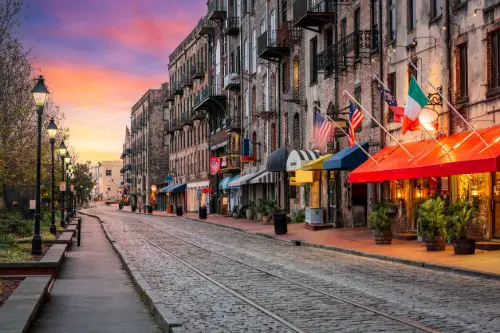
With its historic squares and moss-draped oaks, this coastal city draws steady tourism. Walking tours, ghost tours, and riverfront bars keep sidewalks busy. Film productions and weddings add to the visitor mix. The romantic image sometimes clashes with reality on crowded weekends.
Rising property values have affected long-term residents in the historic district. Short-term rentals have altered neighborhood dynamics. Popular restaurants and tours frequently sell out during peak seasons. Travelers often adore the architecture but grumble about wait times and rising costs.
This post 15 Towns Where Tourism Drives Up Everything Except Satisfaction was first published on American Charm.

