
1. Amity, Oregon
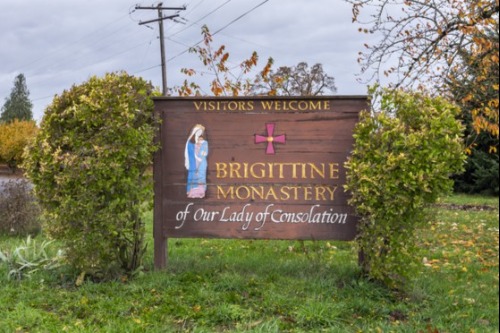
Nestled in the Willamette Valley, Amity feels like a town caught between a pastoral postcard and an uncertain future. Its proximity to both Portland and the wine country means weekend crowds and commuter interest spike at odd hours, but long-term job opportunities and infrastructure haven’t followed suit, making many locals wonder if the buzz will stick. Town leaders talk about balancing growth with rural character, but the turnover of small businesses and modest population changes make the progress feel tentative. People love the sense of community here, yet there’s a “not quite sure what’s next” vibe that hangs over Main Street conversations.
For residents, Amity’s charm is easy to describe — friendly faces, century-old buildings, and a slower pace of life. But that same charm has kept potential growth constrained, as big developers aren’t knocking down doors and economic drivers beyond agriculture and small retail remain limited. Young folks often leave for bigger cities once school’s done, a pattern that keeps the demographics skewed older. So while you’ll see new faces on holiday weekends or festival days, many locals quietly debate whether any of it will amount to sustained, permanent growth.
2. Saginaw, Michigan
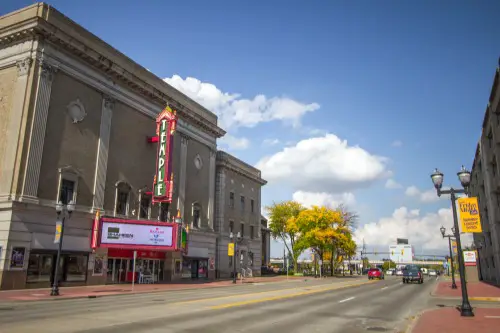
Saginaw has that unmistakable feel of a place that once bustled with industrial promise but hasn’t quite found its footing again. With a long history tied to manufacturing, particularly auto industry supply chains, the city saw its population shrink significantly as jobs left town over the last few decades, and many local families still feel the effects of that shift. Residents will tell you with both pride and frustration that the community spirit remains strong, yet the slow trickle of new economic opportunities makes growth feel uncertain. Main Street often seems quiet compared with memories of the past, giving the sensation that the town is always on the brink of something without ever fully breaking through.
Despite these challenges, there isn’t a lack of hope. Folks rally around local events, historic preservation, and grassroots business efforts, striving to revive that sense of vibrancy. Yet the struggle to attract major employers or new residents keeps the growth feeling fragile. It’s the sort of place where success stories seem to happen in fits and starts, which is precisely why many residents say they notice when growth feels temporary.
3. West Alton, Missouri
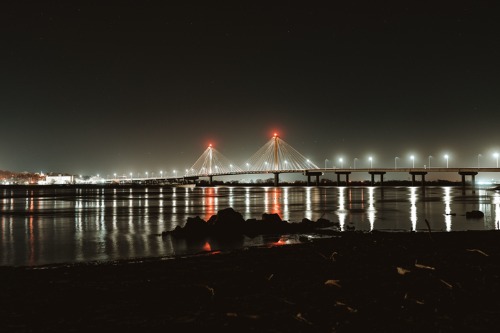
Down along the Mississippi River, West Alton is an example of how natural forces can make growth feel almost impossible. This tiny community once had a few thousand residents, but repeated, devastating flooding events have pushed people out and dramatically reduced the population over generations. Today, the town’s slow pace and resilience are celebrated, yet many locals admit that any economic momentum simply can’t stick when the city keeps getting hit with floods and infrastructure losses. There’s a real sense that hopes for new shops or housing projects can wash away overnight.
People who remain here speak of deep roots and generational ties to the land — and that’s where the town’s enduring spirit lies. Still, visitors and new residents often arrive with the impression of a quiet riverside gem only to bump up against the reality that climate risk limits long-term investment. Jobs are scarce and growth initiatives struggle to get traction when environmental threats are always front of mind. It’s a living reminder that sometimes resilience trumps growth, and that makes the latter feel very temporary.
4. Marfa, Texas
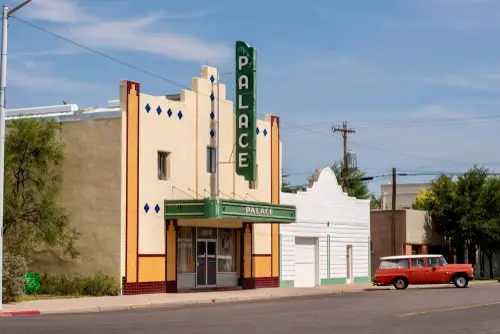
There’s no shortage of hype around Marfa thanks to its world-famous art installations and culture scene, but locals will tell you that the boom hasn’t necessarily meant sustainable growth. Once a quiet ranching town, it exploded onto the map after artists and collectors started congregating there, and those cultural drawcards have brought bouts of tourism that feel bigger than the town itself. But that buzz hasn’t translated into stable, affordable growth for families; housing prices and short-term rentals have outpaced local income levels, making daily life tough for long-time residents. You can feel the paradox when weekend crowds fill galleries and coffee shops, yet the town’s population barely shifts year-to-year.
That contrast can create a bit of an identity crisis between locals and newcomers. There’s an artistic pride here, no doubt, but many people notice that the energy seems seasonal rather than sustained. Grants and Alpine still absorb more growth from tourists rolling through than from new permanent jobs or industries planting roots. Marfa feels like a place everyone wants to visit, but fewer choose to settle in long-term, leaving an odd sensation that the growth is here — just not anchored very deeply.
5. Poolesville, Maryland
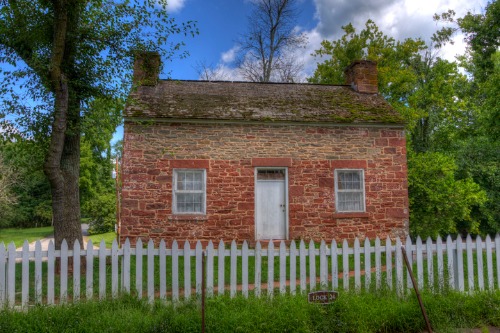
Poolesville’s deciding principle has always been careful growth rather than rapid expansion, and that mindset shapes how residents see their town’s future. Surrounded by Maryland’s Agricultural Reserve, the community deliberately limits development to preserve rural character and farmland, meaning population gains are slow and deliberate. Residents love the peaceful streets and close-knit feel, but some say that this restraint also causes moments where it feels like the town could blossom … but isn’t quite allowed to. There’s almost a collective shrug about whether new restaurants or housing developments will ever materialize, since so much is written into the town’s growth boundaries.
Still, it’s hard not to love the place — local festivals, school pride, and a quiet sense of belonging make Poolesville feel like home to many. But because leaders and neighbors actively push back on big change, it can be easy to slip into conversations about “what if” rather than “what’s next.” That mix of intention and hesitation creates a vibe where growth feels measured and perpetually paused. It’s a deliberate choice, to be sure, but one that makes even newcomers notice the temporary feel of change.
6. Key West, Florida
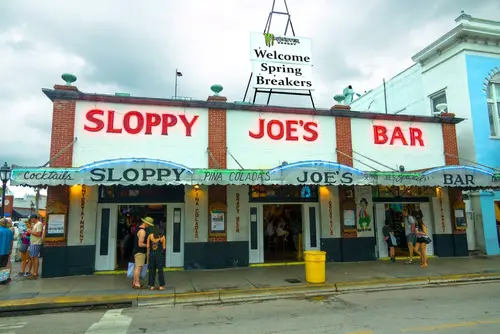
Key West might buzz like a beehive between December and April, yet step back and you’ll find a place where population growth barely budges. Thanks to limited land area, strict zoning, and astronomical costs of living, the number of permanent residents stays relatively stable, even as throngs of tourists flood the streets seasonally. Locals often joke that the island’s growth exists in cruise ship schedules and high-season rental demand more than in real, sustained demographic change. It’s lively, yes, but feel like it’s all surface energy with little depth.
Living there feels like a constant negotiation between serving visitors and maintaining a community for year-round residents. The bars overflow with out-of-towners, but classrooms, grocery aisles, and local boards don’t necessarily reflect a growing town population. Folks who’ve lived here a decade talk about the same old housing crunch and workforce issues year after year, making any sense of progress feel cyclical. All that makes Key West feel like a place that’s booming — until the season ends and the crowds leave.
7. Marietta, Ohio

Like many small Midwestern towns, Marietta sits on a river bend with a rich past and a present that can feel static. Once a bustling hub of river trade and early frontier life, it’s seen waves of optimism tied to heritage tourism and local festivals, but those boosts don’t always translate into sustained growth. Day-to-day, the town feels anchored by its historic architecture and community events rather than new jobs or young families moving in. There’s beauty in the way Main Street still hums with familiar faces, but growth beyond nostalgia seems elusive.
Economic development plans have tried to tap into Marietta’s scenic riverside location and its University branch, but progress often feels incremental at best. Residents talk about revival projects with fondness but admit it sometimes seems like talk more than action. It’s a place where you can feel the history — maybe a little too much — and where the present sometimes feels like a pause between past and future. New shops open then close, local festivals keep attendance up, yet the number of full-time residents barely shifts enough to call it real growth.
8. Newberry Springs, California
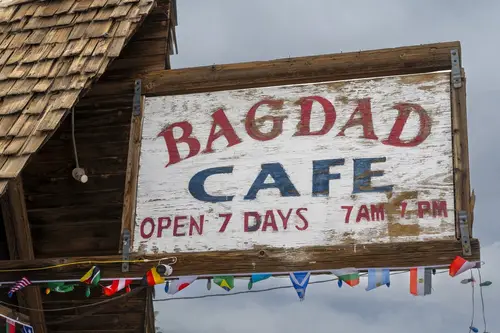
Out in the Mojave Desert, Newberry Springs is an interesting case of a town that seems to shift between lifeless and lively depending on outside trends. Once bypassed by the interstate, the town fell into near-oblivion, but interest around anniversaries of iconic Route 66 culture has sparked renewed attention and visitor curiosity. That ebb and flow makes the local economy feel like it exists on tourism spikes rather than steady year-round expansion. Locals often talk about “boom weeks” where events and nutty cross-country travelers make things feel alive, followed by long quiet stretches where growth feels stalled.
On its best weeks, Newberry Springs feels like a roadside postcard with music, vintage cars, and friendly wanderers exploring the Bagdad Café. Yet those moments are often tied to an anniversary or a nostalgic pilgrimage rather than any deep economic shift. Businesses cater to visitors and seasonal festivals but struggle to remain open off-peak. So the sense of growth sticks around in bursts — which just makes the lulls feel that much more pronounced.
9. Terlingua, Texas
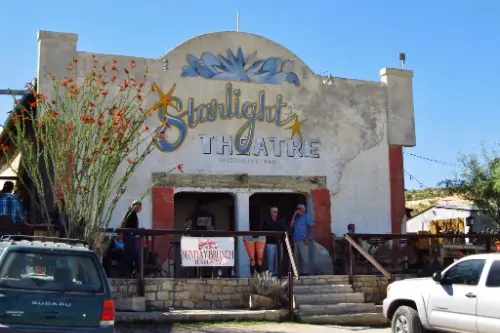
Down by Big Bend National Park, Terlingua has become a poster child for Texas desert boom-bust vibes. Once built around mercury mining, it later became an off-the-grid haven for artists and outdoor lovers, only to face new headaches from water scarcity and infrastructure questions as tourists and part-time residents move in. The growth here is unmistakable on paper — festivals, ranch stays, and outdoor adventure are bringing more interest — but the basic services needed to support a real community struggle to keep pace. Residents often remark that while the crowd looks like growth, the town still feels precarious without mapping its groundwater and expanding reliable utilities.
You’ll see new vacation rentals and creative businesses try their hand here, yet talk among locals often turns to worrying about whether the water will last or if housing will remain affordable. So for all its quirky charm, Terlingua feels like a place where growth could fade just as fast as it arrived. That experience of riding the line between boom and long-term stability is precisely why many here describe growth as temporary more than transformative.
10. Cairo, Illinois
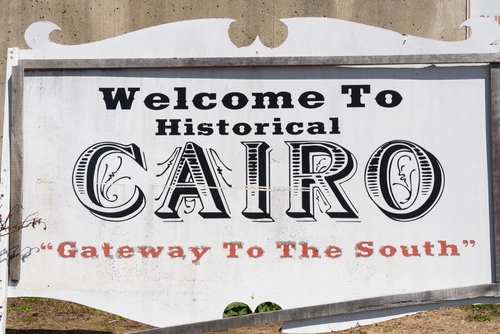
Cairo’s story is a stark one: what was once a bustling river junction has seen decades of decline tied to industrial loss, segregation, and repeated floods that pushed residents away. Once a vibrant commercial center at the confluence of the Ohio and Mississippi rivers, its population is now a fraction of what it was a century ago, with boarded-up buildings and economic challenges that make any talk of resurgence feel fragile. Locals who stay do so out of loyalty or necessity, but the ebb and flow of population makes the sense of growth or revival feel illusory. In everyday life, retail options are slim and jobs are hard to come by, so any temporary uptick in visitors or investment doesn’t seem to stick.
There’s a gritty beauty to Cairo’s historic streets and river views, and people here will passionately talk about the community’s legacy. But the stark realities of economic contraction and environmental risk make real long-term growth feel like a dream more than an imminent reality. For those who remained, every new initiative feels like the next in a long line of false starts — and that’s why residents talk about growth as if it’s always just around the corner but never quite here.
11. Sayre, Oklahoma
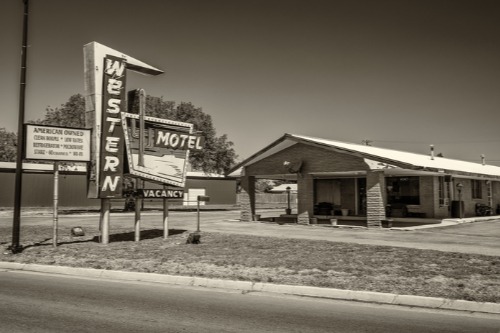
Sayre is a quiet Oklahoma town with history and a modest uptick in population recently, but many residents describe its progress as cautious rather than confident. Census data shows the town’s population rose between 2010 and 2020, marking the biggest headcount since its founding, yet that growth isn’t dramatic, and economic expansion beyond small retail and local services remains slow. On a visit, the Main Street feels familiar and friendly, but the sense of a larger boom making a permanent mark just isn’t present. Many locals work in surrounding cities or commute, and jobs within Sayre are limited, which keeps growth looking more incremental than transformative.
People who grew up here talk fondly about the town’s stability but also the way it can feel stuck in a comfortable but unchanging rhythm. New houses appear here and there, and there’s pride in the steady pace, yet the bigger opportunities that would anchor long-term newcomers seem scarce. So while numbers inch upward, the atmosphere remains familiar rather than forward-looking. It’s a place where growth feels measured, slow, and sometimes temporary — not because it’s unwelcome, but because it’s just not dramatic.
12. Ely, Nevada
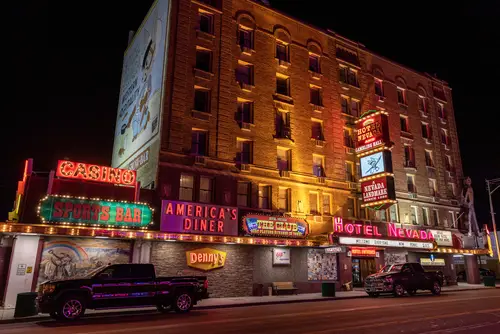
Ely has long been known as a small mining town in the Nevada desert, and its growth has always felt tied to the boom-and-bust cycles of the mineral industry. Once copper mining thrived, the town swelled with workers, but as prices dropped and mines closed, the population shrank just as quickly, leaving behind shuttered buildings and quiet streets. Residents often describe the town’s energy as seasonal, with temporary spikes when mining activity or tourism events draw crowds. It’s a place where the history of growth is obvious, but long-term expansion feels uncertain.
In recent years, Ely has tried to pivot with tourism, thanks to nearby state parks, historic railroads, and quirky local museums. Visitors arrive in bursts, supporting motels, diners, and gift shops, yet these boosts rarely translate into sustained population growth. Young people still leave for larger cities, and permanent job opportunities remain limited, reinforcing that sense of impermanence. Locals celebrate the town’s charm, but everyone notices that growth is often fleeting — here one day, gone the next.
13. Winthrop, Washington

Out in the Methow Valley, Winthrop has seen a neat influx of visitors and even some new residents with remote jobs, yet locals often describe this change as more seasonal than permanent. The Old West–themed downtown and scenic outdoor recreation draw crowds, but the underlying population shift is modest, and the economy still leans heavily on tourism and part-time workers. Drinks spill out on summer evenings, winter trails fill up with visitors, yet come mid-week in shoulder seasons, the quiet settles back in. For longtime residents, this makes growth feel episodic — here in the busy months, absent when the snow melts.
People who’ve lived here a generation will tell you they’ve seen new faces arrive, but they often leave by spring or migrate back to cities during slow months. The local sense of community is strong, yet the demographic data shows only incremental increases in permanent households. Talk around town is about how to convert visitors into residents, but that too feels more like aspiration than reality right now.
14. Sedona, Arizona
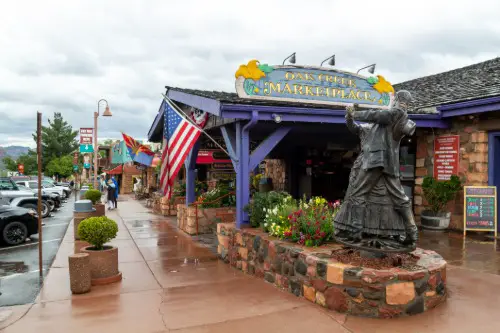
Sedona is another example of a place where the streets feel crowded, yet real permanent growth is constrained by geography and policy. Though nestled among the stunning red rock formations that attract millions of visitors a year, the cost of living, tight zoning regulations, and environmental protections mean that long-term population increases lag behind the daily peak crowds. Residents frequently remark how sidewalks and trails are packed with tourists in peak seasons, but the number of year-round neighbors hasn’t jumped in proportion. Locals might joke that you see more out-of-state license plates than hometown ones some days — and that feeling of transient boots on the ground reinforces the temporary pulse of growth.
Homeowners benefit from high property values, yet younger families and workers often find it hard to stay due to housing costs. So the town’s economic signature remains tied to short-term stays rather than a rising tide of permanent residents. When winter winds down and summer tourists arrive, Sedona’s energy feels unstoppable, but come autumn, that energy relaxes into something much quieter. It’s exactly that ebb and flow that makes many here question whether the growth they see is temporary — and only visible to visitors.
This post 14 Towns Where Growth Feels Temporary—And Residents Notice was first published on American Charm.

