
1. Fredericksburg, Texas
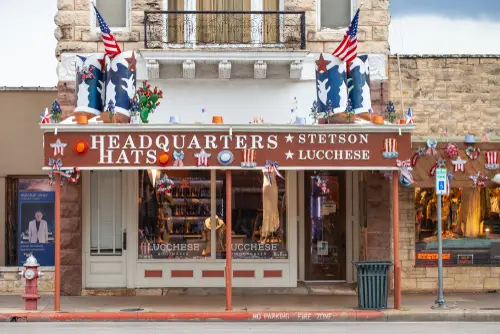
Fredericksburg was founded by German immigrants and remained quietly regional for generations. Its economy centered on agriculture and local trade. The Texas wine industry changed that trajectory. Weekend tourism from major cities exploded.
Wineries brought attention faster than the town could adapt. Housing and water resources became concerns. Tourism now defines much of daily life. Fredericksburg didn’t anticipate becoming a major destination.
2. Asheville, North Carolina
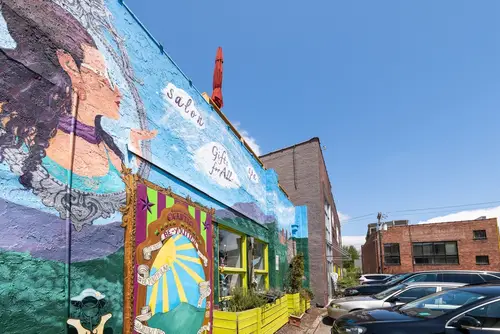
Asheville was once a quiet Appalachian town known mostly for nearby mountains and old hotels. For much of the 20th century, it was more of a regional getaway than a national destination. Then its arts scene, food culture, and craft beer reputation took off. Retirees, creatives, and remote workers followed right behind.
The Blue Ridge Mountains were always beautiful, but social media made them unavoidable. Downtown’s historic buildings became a major draw instead of a liability. Tourism surged faster than the local economy could absorb. Asheville now balances small-town roots with big-city demand.
3. Bend, Oregon
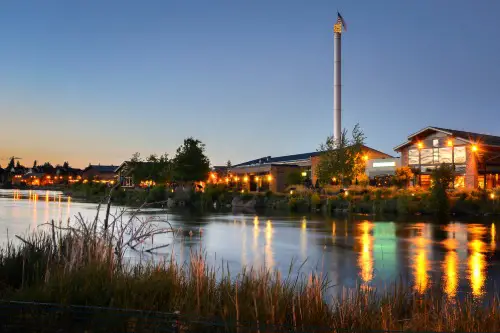
Bend was long a timber town with a modest population and a slow pace of life. When the logging industry declined, few expected Bend to reinvent itself so completely. Outdoor recreation, from skiing to mountain biking, filled that economic gap. The town’s natural beauty suddenly became its main export.
Remote work made Bend even more attractive to newcomers with urban salaries. Housing costs rose sharply as demand exploded. Local infrastructure lagged behind population growth. Bend’s popularity arrived faster than its long-term planning.
4. Bozeman, Montana
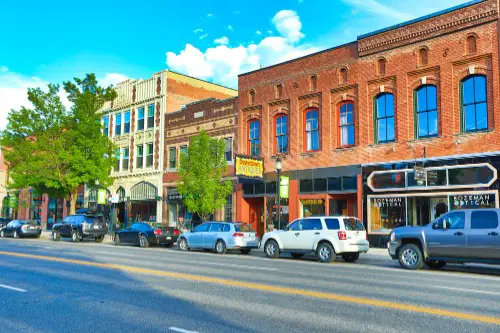
Bozeman spent decades as a college town centered around Montana State University. Its economy was steady but unspectacular, rooted in agriculture and education. Then access to Yellowstone and a growing outdoor lifestyle brand changed everything. People looking for space and scenery flooded in.
The pandemic-era remote work boom intensified that trend dramatically. Housing prices skyrocketed in a place once known for affordability. Longtime residents found themselves priced out. Bozeman wasn’t designed for sudden national attention.
5. Jackson, Wyoming
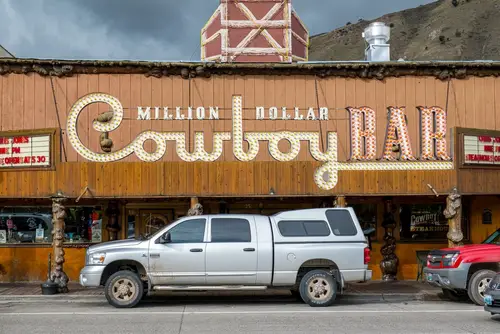
Jackson was originally a gateway town for ranching and nearby national parks. Its isolation was once considered a drawback rather than a feature. Over time, that remoteness became part of its appeal. Wealthy second-home buyers transformed the local economy.
Proximity to Grand Teton and Yellowstone National Parks drove tourism year-round. The town’s workforce now struggles with extreme housing costs. Service workers often commute long distances. Jackson’s popularity far exceeded its original small-town framework.
6. Sedona, Arizona
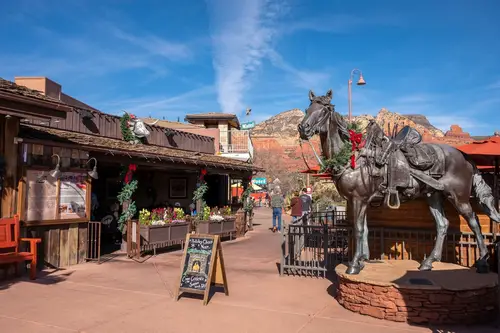
Sedona was once a small desert town with a modest tourism economy. Its red rock formations were known regionally, not globally. New Age spirituality and wellness tourism brought a different kind of attention. Then social media made its landscapes iconic.
Tourist traffic now overwhelms roads built for locals. Environmental concerns have grown alongside visitor numbers. The town has had to manage crowds without losing its character. Sedona never planned to be an international backdrop.
7. Park City, Utah
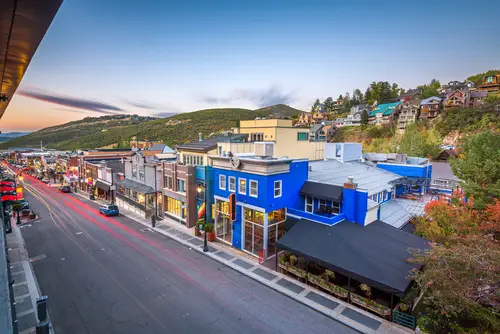
Park City began as a silver mining town before pivoting to skiing. For years, it functioned as a regional resort with seasonal swings. Hosting events tied to the Sundance Film Festival changed that scale. International visibility followed quickly.
Luxury development accelerated beyond what locals expected. Housing affordability became a serious challenge. Seasonal tourism turned into year-round pressure. Park City’s global profile outpaced its infrastructure.
8. Marfa, Texas
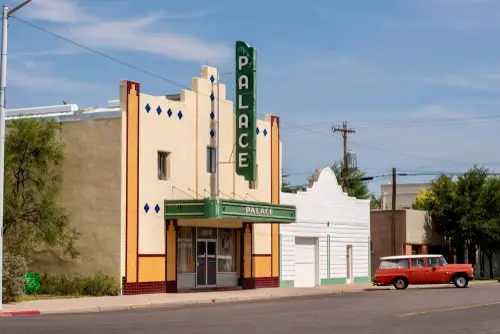
Marfa was a remote West Texas town with fewer than 2,000 residents. Its economy was traditionally tied to ranching and railroads. Minimalist art installations and Donald Judd’s legacy changed everything. Art tourism put Marfa on the cultural map.
Visitors now travel hundreds of miles for a town once passed through. Limited lodging and services strain local resources. Property values climbed in a place built for isolation. Marfa’s fame was never part of its original plan.
9. Key West, Florida
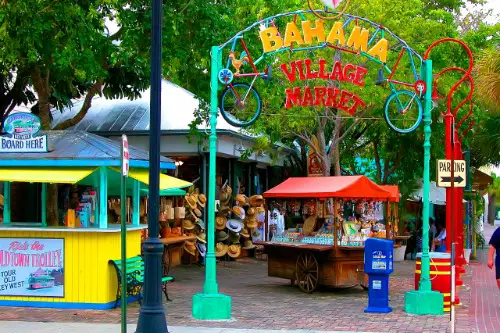
Key West was historically a naval outpost and working port. Its location made it feel cut off from mainland Florida. Over time, that isolation became part of the charm. Writers, artists, and tourists followed.
Cruise ships and vacation rentals transformed daily life. Infrastructure challenges are constant on a small island. Local housing is increasingly scarce. Key West’s popularity far exceeds its physical size.
10. Whitefish, Montana
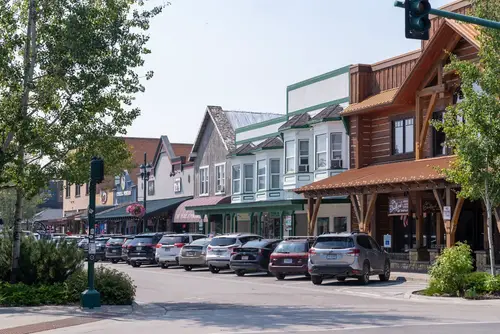
Whitefish was once a quiet railroad and logging town. Its growth was steady but limited for decades. Proximity to Glacier National Park changed the equation. Tourism brought national attention very quickly.
Vacation homes and short-term rentals surged. Local workers struggled to find affordable housing. Seasonal population swings became extreme. Whitefish wasn’t built for constant demand.
11. Leavenworth, Washington
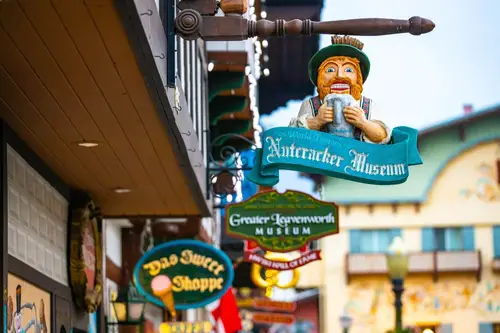
Leavenworth was an ordinary logging town facing economic decline. In the 1960s, it rebranded itself with Bavarian-style architecture. What started as a survival strategy became a massive success. Tourists embraced the theme wholeheartedly.
Festivals and seasonal events now draw huge crowds. The town’s infrastructure remains relatively small. Traffic and housing pressures are ongoing issues. Leavenworth’s popularity outgrew its original reinvention plan.
12. Austin, Texas
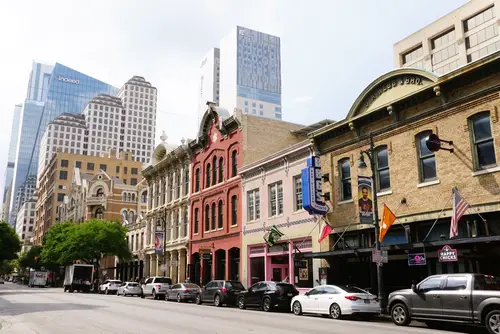
Austin started out as a mid-sized college and government town, not a global cultural hotspot. The University of Texas and state politics were the main engines, and for decades that was enough. Then live music, tech jobs, and a reputation for being weird collided at exactly the right moment. Suddenly, the city was fielding population growth and housing pressure it never planned for.
The tech boom accelerated everything, especially when major companies began opening offices there. South by Southwest transformed from a local festival into an international magnet. Infrastructure, from highways to housing, has struggled to keep up with that momentum. Austin didn’t chase global fame so much as wake up one day and find it.
13. Hood River, Oregon
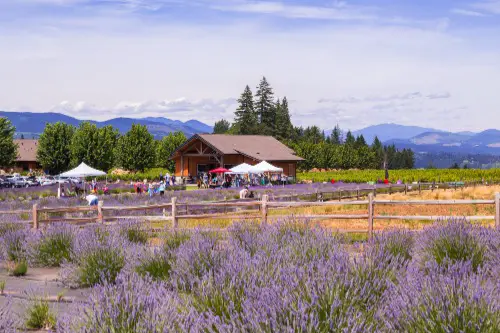
Hood River was historically a fruit-growing and shipping town. Its location along the Columbia River Gorge was practical, not glamorous. Windsurfing and kiteboarding changed its reputation. Outdoor sports made it internationally known.
Tourism and remote workers arrived in waves. Housing costs rose sharply for locals. The town’s small footprint amplified every change. Hood River’s popularity exceeded its planning assumptions.
14. Taos, New Mexico
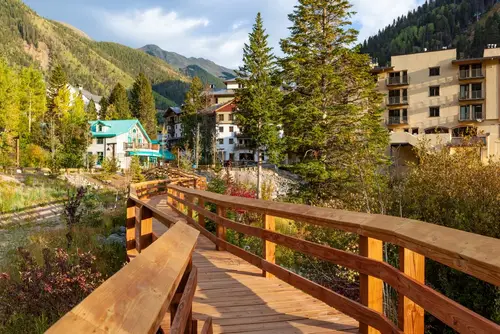
Taos was long known for its Pueblo and regional art scene. It attracted artists, but remained relatively quiet. Cultural tourism expanded alongside outdoor recreation. National attention followed slowly, then all at once.
Retreat culture and second-home ownership grew rapidly. Infrastructure struggled to keep pace. Housing affordability declined. Taos didn’t expect sustained national demand.
15. Stowe, Vermont
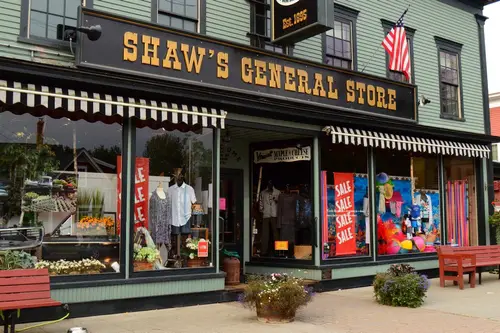
Stowe was a classic New England ski town with seasonal appeal. Its economy revolved around winter tourism and local agriculture. Over time, it became a year-round destination. Fall foliage tourism dramatically increased visibility.
Vacation homes and short-term rentals surged. Local housing became increasingly scarce. Seasonal traffic strains small-town roads. Stowe’s charm became more popular than it could easily support.
This post 15 Towns That Were Never Meant to Get This Popular was first published on American Charm.

