
1. Greenville, South Carolina
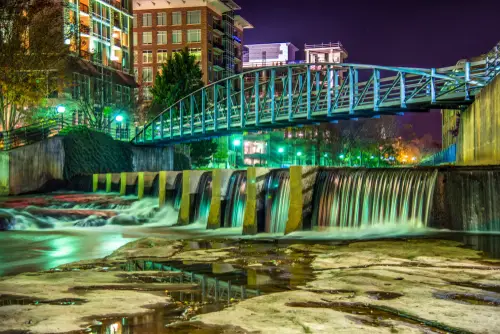
Greenville used to get lumped into the tired stereotype of a sleepy Southern mill town. That image lingered long after the textile mills shut down. What people missed was how deliberately the city rebuilt its downtown around the Reedy River. Falls Park and its pedestrian bridge quietly became the heart of daily life.
Today, Greenville attracts young professionals, engineers, and remote workers. BMW’s major manufacturing presence nearby helped diversify the local economy. A strong food scene grew alongside revitalized public spaces. The city evolved steadily rather than loudly, which is why many still underestimate it.
2. Bentonville, Arkansas
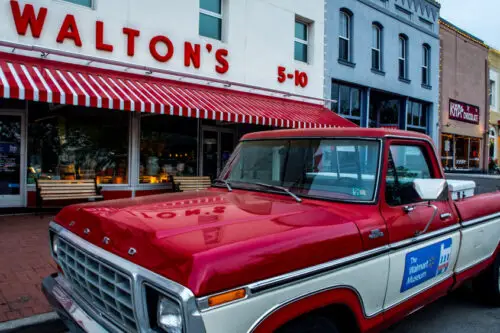
For decades, Bentonville was written off as nothing more than Walmart’s hometown. That single-company identity overshadowed everything else. The shift began when the town invested in culture, design, and public spaces. Crystal Bridges Museum dramatically changed how the town was perceived.
Bentonville now has a surprisingly international population. Its mountain biking trail system is considered one of the best in the country. A startup and creative economy developed alongside corporate careers. The town outgrew its stereotype without ever fully shaking the label.
3. Chattanooga, Tennessee
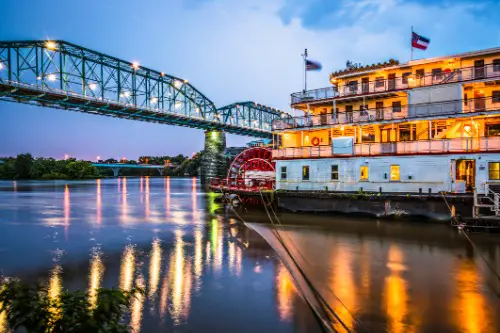
Chattanooga once carried the reputation of a grimy industrial city. In the mid-20th century, it had some of the worst air pollution in the nation. City leaders made long-term investments in environmental cleanup and riverfront access. Those changes reshaped daily life rather than just appearances.
Today, Chattanooga is known for its city-owned gig-speed internet. Outdoor recreation is central to the local identity. Tech startups operate alongside logistics and manufacturing jobs. The transformation happened gradually, so many still remember the old version.
4. Fargo, North Dakota
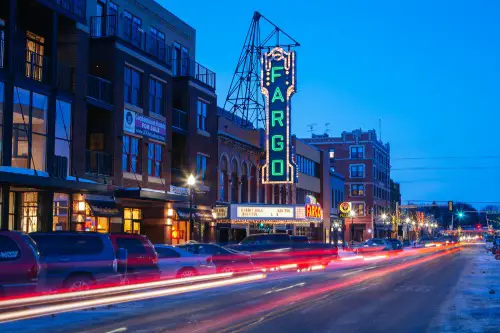
Fargo is often dismissed as flat, frozen, and culturally empty. Pop culture reinforced the idea that nothing interesting happens there. What people missed was a steady influx of young residents tied to education and healthcare. North Dakota State University played a major role in that shift.
The city now has a growing arts and music scene. Downtown Fargo supports independent restaurants and breweries. Healthcare and tech-related jobs stabilized the economy beyond agriculture. Fargo changed quietly, without trying to correct anyone’s assumptions.
5. Paducah, Kentucky
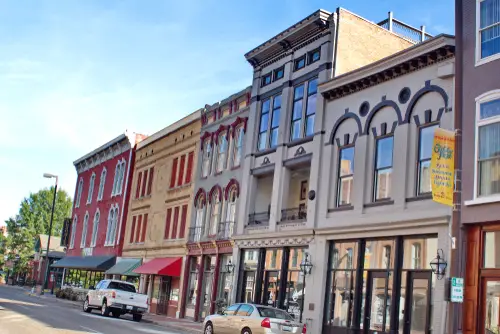
Paducah was long seen as a declining river town. Manufacturing losses left much of the downtown struggling for decades. Instead of chasing large employers, the city invested in artists. The Lower Town Artist Relocation Program reshaped entire neighborhoods.
Paducah now supports a nationally recognized arts district. It also hosts the National Quilt Museum, drawing visitors year-round. Tourism and creative work stabilized the local economy. The town evolved through small-scale decisions that rarely made headlines.
6. Lancaster, Pennsylvania
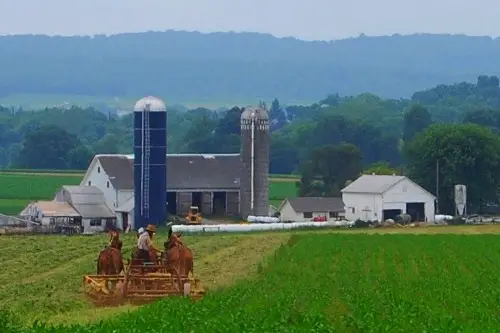
Lancaster is still often reduced to Amish tourism stereotypes. That image hides how much the city itself has changed. Former factories were repurposed into apartments and studios. A younger population moved in as affordability drew attention.
Today, Lancaster has a strong food and small-business scene. Its downtown supports galleries, theaters, and coworking spaces. Agriculture remains important, but it’s no longer the whole story. The city’s evolution gets overshadowed by its postcard reputation.
7. Lowell, Massachusetts
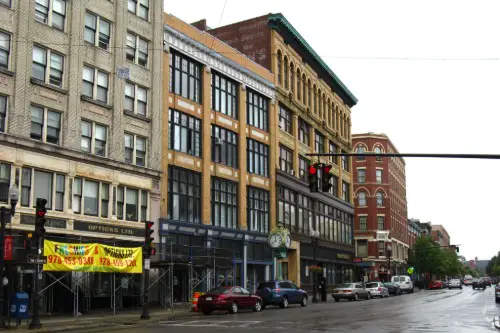
Lowell was once synonymous with abandoned mills and post-industrial decline. The city struggled after textile manufacturing collapsed. What altered its trajectory was preservation rather than demolition. Historic mills were adapted into housing, offices, and cultural venues.
Lowell now has a diverse population shaped by immigration. The city supports higher education through UMass Lowell. A growing tech and healthcare presence stabilized employment. Its comeback stayed mostly regional, not national.
8. Dubuque, Iowa
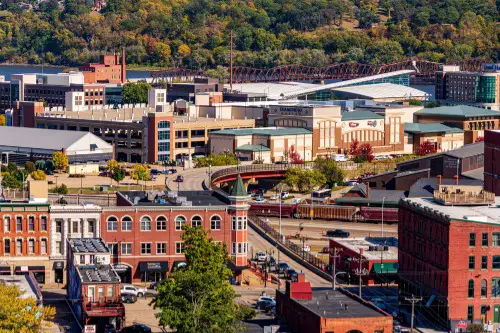
Dubuque was long categorized as a fading Midwestern river city. Population loss defined much of its late 20th-century story. Local leaders focused on sustainability and historic preservation instead of expansion. That strategy slowly paid off.
Today, Dubuque is known for its walkable downtown and riverfront. Education and healthcare anchor the local economy. Environmental initiatives became part of the city’s brand. Its progress flew under the radar because it avoided flashy growth.
9. Roanoke, Virginia
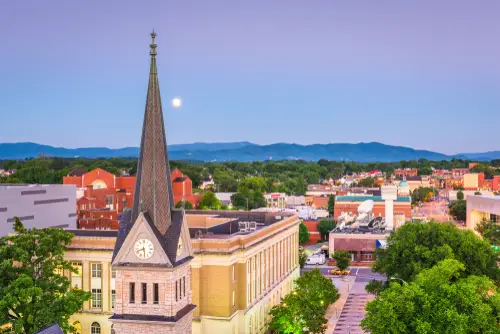
Roanoke was often labeled as just a railroad town past its prime. The collapse of rail jobs hit the city hard. Instead of chasing heavy industry, Roanoke leaned into healthcare and outdoor access. Its location in the Blue Ridge Mountains became an asset.
The city now serves as a regional medical hub. Trails and greenways are integrated into daily commuting. Downtown revitalization supported small businesses rather than chains. Roanoke changed functionally, not performatively.
10. Pueblo, Colorado
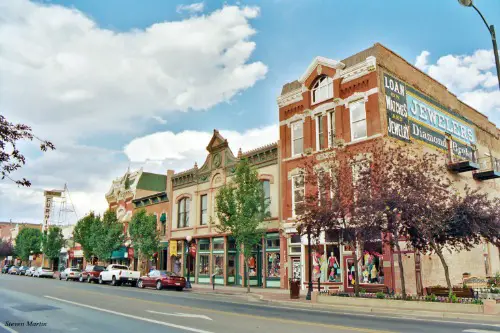
Pueblo spent decades associated with steel mill decline. That image stuck long after the economy diversified. The city leaned into education, healthcare, and riverfront redevelopment. Its climate and affordability attracted new residents quietly.
Today, Pueblo supports a growing arts community. Colorado State University Pueblo anchors local employment. Outdoor recreation is central without the resort-town pricing. Pueblo evolved steadily while attention stayed focused elsewhere in Colorado.
11. Bay City, Michigan
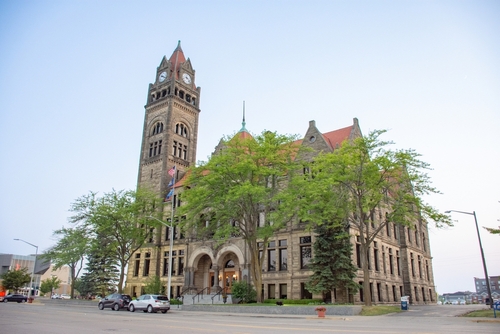
Bay City was long viewed as a struggling Great Lakes manufacturing town. Industrial job losses defined its reputation. What changed was a focus on waterfront access and small-scale tourism. Historic preservation played a key role.
Bay City now hosts festivals, marinas, and local businesses. Healthcare and education stabilized employment. Its downtown became walkable and active again. The city’s progress remained subtle compared to larger Rust Belt turnarounds.
12. Walla Walla, Washington
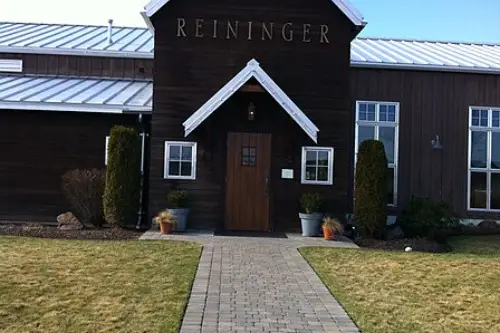
Walla Walla used to be known mainly for agriculture and a state prison. That narrow identity ignored what was developing beneath the surface. The rise of winemaking reshaped the local economy. Tourism followed, but at a measured pace.
Today, Walla Walla supports dozens of wineries. Its downtown balances hospitality with everyday livability. Education and healthcare provide employment stability. The town changed without ever trying to rebrand aggressively.
13. Lubbock, Texas
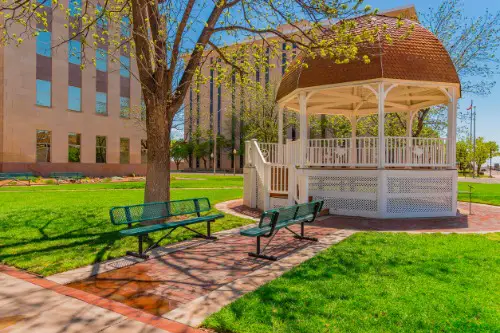
Lubbock is often dismissed as isolated and culturally limited. Its distance from major metros reinforces that perception. Texas Tech University quietly reshaped the city’s demographics and economy. Research and healthcare expanded alongside education.
Lubbock now supports a diverse job market. Arts, music, and food scenes grew around the university population. Wind energy also became a significant regional employer. The city’s evolution gets overshadowed by its geography.
14. Scranton, Pennsylvania
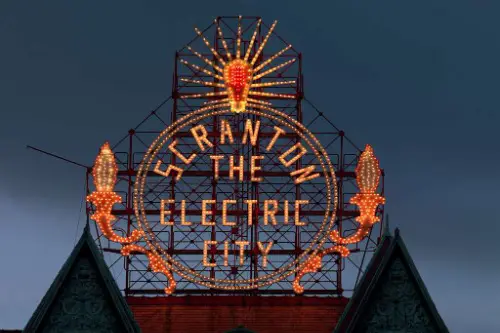
Scranton is frequently reduced to coal history and pop culture jokes. The collapse of mining left long-term scars. The city invested in education, healthcare, and historic preservation instead of chasing heavy industry. That strategy stabilized the population.
Today, Scranton serves as a regional medical center. Its downtown supports government, education, and small business. Affordable housing attracted new residents from larger cities. The stereotype lingered longer than the reality.
15. Elkhart, Indiana
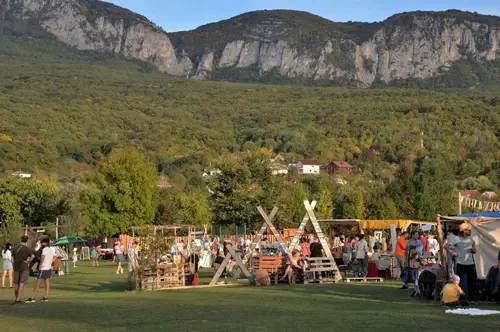
Elkhart was long known solely as an RV manufacturing town. That dependence made the economy feel fragile. Over time, the city diversified into healthcare and education. Cultural investments reshaped downtown life.
Elkhart now supports a revitalized riverwalk and arts district. Manufacturing remains important but no longer defines everything. The local economy became more resilient through incremental change. Its growth went mostly unnoticed outside the region.
This post 15 Towns That Outgrew Their Stereotype—but No One Noticed was first published on American Charm.

