
1. Midland, Texas
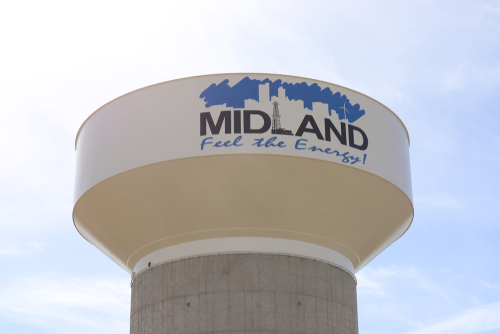
Midland’s rapid growth came with the oil boom, which attracted workers, families, and businesses eager to capitalize on the energy rush. Homes, schools, and commercial districts expanded almost overnight to support the population influx. But when oil prices dropped or production slowed, the town faced economic volatility, job losses, and strained public services. Residents describe Midland as a place of opportunity but also uncertainty, with prosperity tied closely to the whims of the energy market.
The boom left Midland with infrastructure and housing that sometimes outpaces demand, especially during downturns. Schools and city services face pressure to adapt to population shifts. Community leaders continue to invest in diversification efforts, including education and healthcare, to reduce dependence on oil alone. Midland’s story is a reminder that rapid growth can be both a blessing and a challenge, requiring careful planning for long-term survival.
2. Youngstown, Ohio
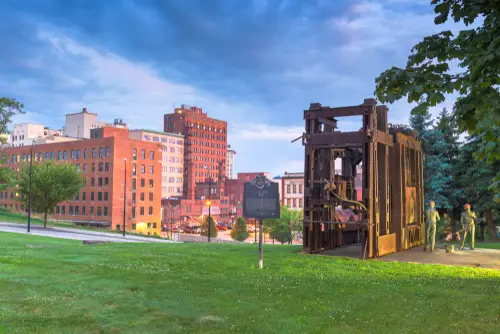
Youngstown once thrived as a steel center, with boom‑town energy around mills and factories that anchored local life and culture. When the steel industry collapsed and plants closed, the city sank into deep unemployment and population loss as families moved away in search of work. Large swaths of the city still show abandoned lots and derelict buildings that tell the story of that sudden bust. Community leaders and residents continue to push for economic renewal, but the shadow of industry’s retreat lingers.
This town’s rapid rise and fall didn’t erase its identity — but it changed it, shifting from confident industrial hub to a place defined by persistence amid decline. Efforts to diversify the economy have met resistance and resource limits, and many neighborhoods still feel the loss of good jobs. Youngstown’s struggle isn’t a quaint backstory — it’s an ongoing negotiation with the legacy of boom‑era dependency.
3. Flint, Michigan
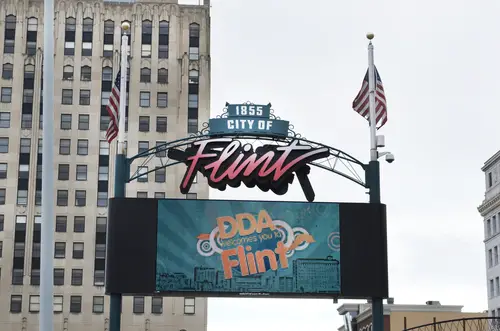
Flint’s rapid growth was closely tied to the automotive industry, especially during and after World War II when auto jobs drew in workers by the tens of thousands. But when automakers shifted production and downsized, the city’s economic engine sputtered, triggering population loss and reduced city revenues. Flint has faced a series of compounding problems, including a high crime rate and hardship in basic service delivery. Residents frequently describe a daily reality shaped by difficult choices, scarce opportunities, and a sense of being left behind.
Flint’s decline also intersected with public health challenges that brought national attention, highlighting how infrastructure and neglect can compound economic distress in post‑boom towns. While local pride runs deep, many families today balance hope with the long memories of better times. Schools, hospitals, and community organizations continue to fight against resource shortages. The city’s story is a lesson in how quickly a booming town can be shaken when its economic base erodes.
4. Saginaw, Michigan
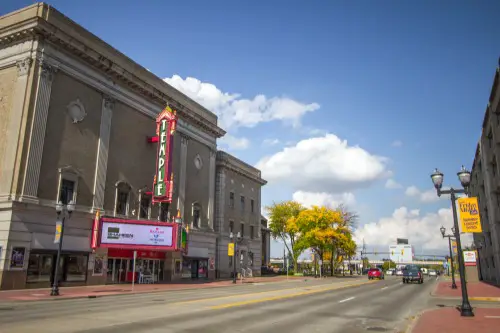
Saginaw thrived for decades as a manufacturing hub, growing rapidly thanks to auto and chemical industries that brought in workers and built vibrant neighborhoods. But when factories closed or moved, the population declined and downtown businesses shuttered, leaving behind wide swaths of abandoned homes and empty storefronts. Despite these challenges, the community maintains strong ties through local schools, churches, and civic programs that keep neighborhoods alive. Residents often describe a mixture of nostalgia and determination as they try to rebuild economic opportunity.
The town’s struggles reflect the classic pattern of boom-and-bust industrial towns in the Midwest. Young workers leave for bigger cities, tax revenues drop, and public services become strained. Yet Saginaw continues to invest in downtown revitalization and small-business development, showing that even rapidly declined towns can fight for survival. The city’s story is a testament to resilience in the face of long-term economic shifts.
5. Scranton, Pennsylvania
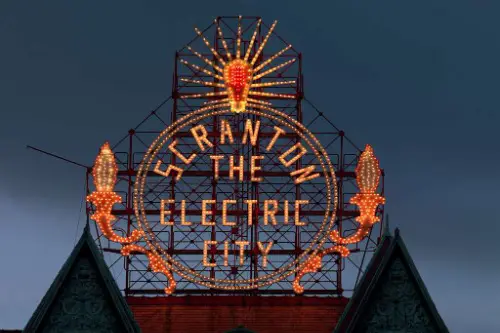
Scranton grew rapidly in the 19th and early 20th centuries thanks to anthracite coal mining, which attracted thousands of workers and families from across Europe. When coal demand declined and mines closed, unemployment rose and local economies contracted, forcing many to leave. Today, the city balances its industrial heritage with efforts to reinvent itself through tourism and education. Residents often reflect on the pride of their city’s past and the hard work of trying to maintain vibrancy amid economic changes.
The rapid boom left behind infrastructure and housing that now struggles to meet modern needs. Schools and public services are stretched, and some neighborhoods face persistent challenges with poverty. Yet Scranton’s tight-knit communities work to preserve local culture, from historic districts to community festivals. The city’s ongoing efforts highlight how a town can survive the fallout from a once-booming industry.
6. Akron, Ohio
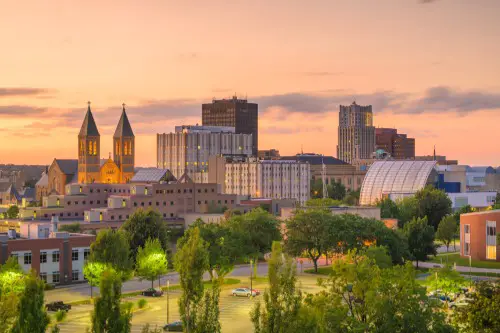
Akron boomed as the “Rubber Capital of the World,” with Goodyear and other tire manufacturers creating tens of thousands of jobs. The city expanded quickly, with neighborhoods and schools springing up to support the growing workforce. But as the tire industry consolidated and jobs left for cheaper markets, Akron’s population and economic stability declined. Today, residents navigate the tension between historic pride and ongoing economic challenges, working to revitalize neighborhoods while coping with long-term job losses.
The boom-and-bust pattern left behind sprawling neighborhoods and commercial corridors struggling to find new purpose. Public services sometimes lag behind community needs, and downtown areas have worked hard to attract new businesses. Yet Akron has invested in education, healthcare, and tech industries to create a more diversified economy. Its story shows that even industrial giants can struggle when their primary industry falters.
7. Gary, Indiana
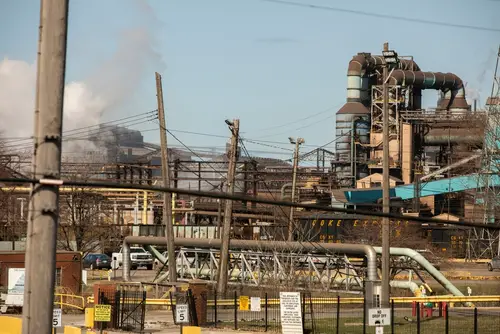
Gary was born as a steel town, founded by U.S. Steel in 1906, and its population exploded as workers arrived from across the country. The city’s early growth was meteoric, with vibrant neighborhoods and a bustling economy built around mills and factories. But as steel demand dropped and automation reduced the workforce, Gary faced massive population loss and shrinking tax revenues. Today, the city struggles with vacant homes, high crime, and underfunded schools, though some residents remain fiercely committed to rebuilding.
Gary’s experience is a stark example of how single-industry dependence can leave a city vulnerable. When the boom ended, jobs vanished almost overnight, leaving families without economic security. Local leaders have attempted revitalization through arts, industry diversification, and infrastructure projects. Residents’ resilience keeps the community alive despite decades of economic challenges.
8. Camden, New Jersey
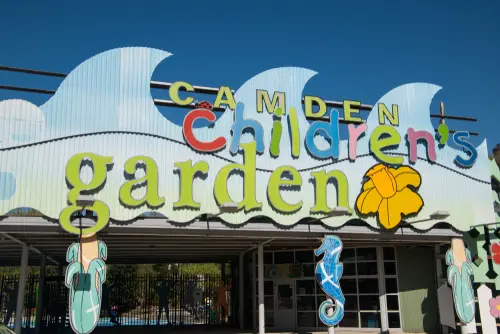
Camden grew rapidly in the 20th century as an industrial hub, with shipbuilding, manufacturing, and shipping jobs drawing thousands of workers. At its peak, the city had thriving neighborhoods, schools, and cultural institutions. When industry left, crime rates rose, and the population dropped, leaving behind struggling schools and high poverty levels. Despite these challenges, community organizations and city initiatives aim to rebuild opportunities and restore civic pride.
The city’s boom-and-bust trajectory left a legacy of abandoned buildings and infrastructure needing repair. Many residents describe Camden as a place of contrasts, with history and beauty alongside visible struggles. Efforts in education reform, community policing, and urban development show the city is not giving up. Camden’s story is a lesson in how sudden industrial departures can shake a city’s social and economic fabric.
9. Bridgeport, Connecticut
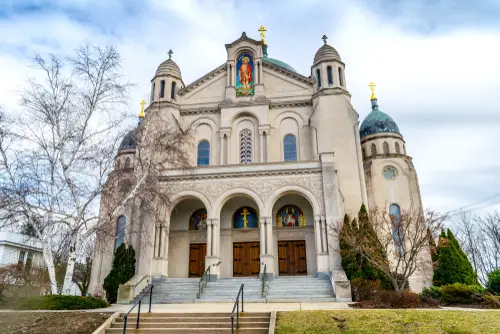
Bridgeport expanded rapidly in the 19th and early 20th centuries thanks to manufacturing, including sewing machines, firearms, and electrical equipment. Immigrant workers flooded in, creating vibrant neighborhoods and bustling streets. But the decline of American manufacturing hit the city hard, causing job losses and population decline. Today, Bridgeport faces challenges with poverty, crime, and underfunded services, though it continues efforts to attract business and tourism.
The city’s rapid growth left behind large infrastructure and housing that are costly to maintain. Schools and public services struggle to keep up with demand, and economic opportunity is uneven across neighborhoods. Residents often balance nostalgia for the city’s industrious past with the need to innovate for the future. Bridgeport’s story reflects the difficulty of recovering from industrial collapse while preserving community identity.
10. Reading, Pennsylvania
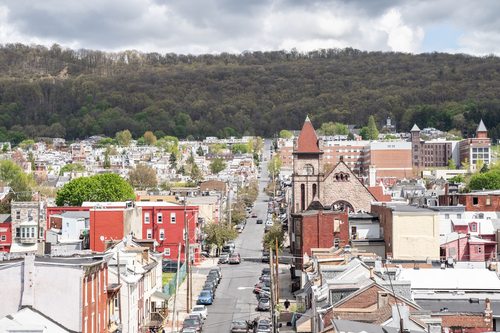
Reading boomed as a railroad and industrial town, drawing workers to factories, mills, and rail yards in the 19th and early 20th centuries. The city’s neighborhoods thrived, with shops, schools, and cultural institutions supporting a growing population. But as industry moved elsewhere, Reading experienced steep population decline and rising poverty. Residents continue to fight for revitalization through education programs, small-business support, and community engagement.
The city’s rapid rise left behind aging infrastructure and housing stock that are costly to maintain. Schools, public services, and local businesses feel the strain of diminished tax revenue. Yet Reading has pockets of resilience, where community groups work tirelessly to improve living conditions and create opportunity. Its story illustrates how a sudden economic downturn can ripple through every part of a community.
11. Paterson, New Jersey
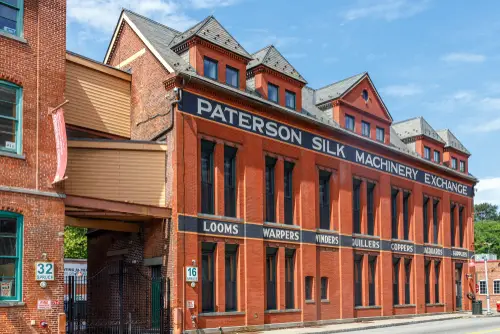
Paterson grew quickly during the 19th century as a hub for silk and textile manufacturing, earning the nickname “Silk City.” Workers from across the globe settled in neighborhoods near factories, creating a thriving community. But when textile production moved overseas, jobs vanished and the city struggled with unemployment and declining tax revenue. Residents today work to maintain neighborhood pride while addressing economic hardship and public safety challenges.
The rapid industrial expansion left behind large factory buildings and dense housing that are expensive to maintain. Schools and social services have struggled to keep pace with community needs. Local initiatives focus on small-business development, cultural programming, and historical preservation. Paterson’s story shows how industrial dependence can create both vibrant communities and lasting vulnerability.
12. Waterbury, Connecticut
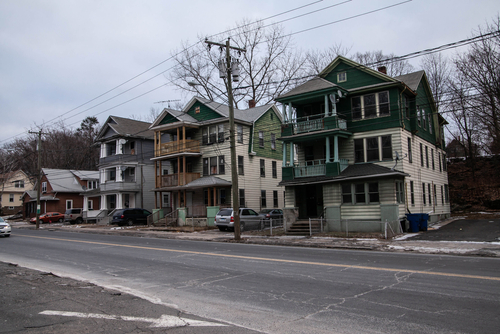
Waterbury, known as the “Brass City,” grew rapidly with brass manufacturing and related industries in the 19th and early 20th centuries. Families flocked to the city for work, building tight-knit communities and vibrant commercial districts. When brass manufacturing declined, Waterbury faced population loss, economic stagnation, and declining public services. Today, residents balance pride in their history with efforts to attract new business and revitalize neighborhoods.
The city’s boom left behind aging infrastructure and housing that are costly to maintain. Schools and local services have felt the impact of shrinking tax revenues. Despite economic challenges, Waterbury has pockets of resilience, with civic organizations working to restore community vitality. Its story highlights the long-term effects of industrial decline on a once-thriving town.
13. Young Harris, Georgia

Young Harris experienced rapid growth thanks to a small college and tourism that attracted new residents seeking education and recreation. Local businesses and housing expanded quickly to support students and visitors. However, the town has faced challenges sustaining population and employment outside of the academic and tourism sectors. Residents often balance pride in their college-town identity with the difficulty of maintaining economic stability year-round.
The town’s growth has strained public services and infrastructure, which are often underfunded compared to demand. Seasonal fluctuations in population create challenges for local businesses. Despite these difficulties, the community works to maintain its unique character and appeal. Young Harris illustrates how rapid growth in small towns can create opportunity while leaving vulnerability in its wake.
14. Casper, Wyoming
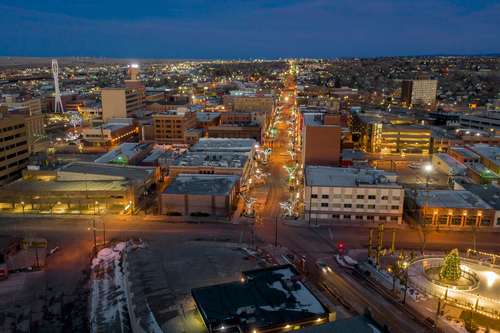
Casper grew rapidly during the oil and energy booms of the mid-20th century, attracting workers and families from across the region. Housing, schools, and local services expanded to keep up with the influx. But as oil prices fluctuated and energy jobs left, the city faced economic uncertainty and a shrinking population. Residents continue to adapt, working to diversify the economy while preserving their community’s identity.
Boom-and-bust cycles in energy-dependent towns often leave behind overbuilt infrastructure and underutilized resources. Casper’s schools and city services have sometimes struggled to keep up with rapid demographic changes. Yet, local initiatives in healthcare, retail, and tourism offer paths toward stability. The city’s experience shows the challenge of turning short-term prosperity into long-term resilience.
15. Detroit, Michigan
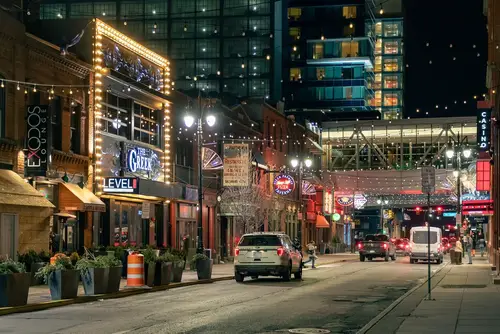
Detroit surged mid‑20th century as the heart of America’s auto industry, where factory jobs seemed like a ticket to the middle class. As manufacturing jobs fled and the suburbs drew residents away, the city experienced decades of population loss, high vacancy rates, and fiscal stress that culminated in a municipal bankruptcy. Even as revitalization efforts show promise downtown, many neighborhoods still grapple with blight and uneven services. Residents often describe Detroit as a city with deep pride but real scars from its rapid industrial ascent and decline.
Detroit’s story is a reminder that when a single sector dominates, its downturn can ripple through every corner of community life. After 1950, when the city was among the largest in the U.S., jobs began dispersing as automation and global competition reshaped manufacturing. This left many without steady employment and eroded the tax base needed to maintain basic services. Today, while some parts of the city rebound, others still struggle with population shifts and economic uncertainty.
This post 15 Towns That Grew Too Quickly—and Now Struggle to Survive was first published on American Charm.

