
1. Atlantic City, New Jersey
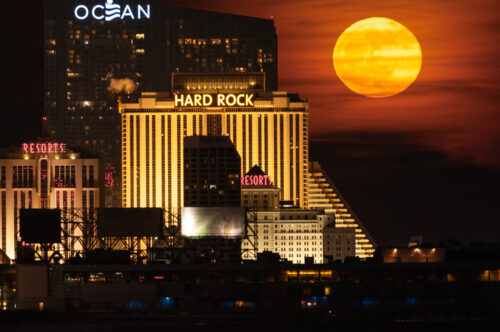
Atlantic City built its fame on gambling, but as competition from casinos in other states grew, leaders tried to diversify into family attractions and entertainment venues. Mega-projects like the Revel Casino promised a new era but quickly failed. Boardwalk businesses struggled, hotel occupancy remained low, and basic city services lagged. The city couldn’t move fast enough to escape its dependence on gambling revenue.
Despite repeated attempts, tourism outside casinos never fully caught on. Festivals, conventions, and minor redevelopment projects briefly generated excitement, but empty lots and shuttered buildings remain common. Marketing campaigns to brand Atlantic City as a broader leisure destination mostly fell flat. Locals often joke that the only thing tourists really come for is the beach.
2. Detroit, Michigan
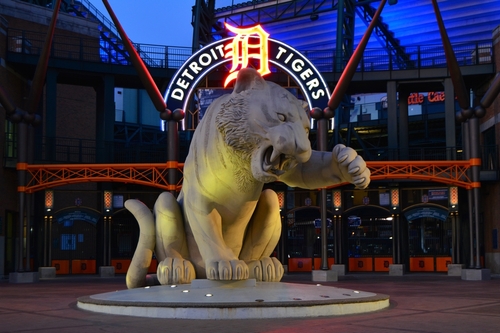
Detroit was the crown jewel of America’s automotive industry, but decades of factory closures and population loss forced the city to constantly search for a new identity. Leaders tried positioning it as a tech hub and arts haven, but the revitalization has mostly stayed downtown. Neighborhoods outside the city center continue to struggle with crime, poverty, and crumbling infrastructure. Despite shiny galleries and lofts, Detroit’s broader challenges remain largely unresolved.
The city’s attempts at reinvention often prioritize investors over residents. Programs like TechTown and startup incubators show promise, yet they touch only a fraction of Detroit’s population. The narrative of a “comeback city” clashes with the lived reality for many locals. Detroit exemplifies how reinvention can feel impressive on the surface while deeper systemic issues persist.
3. Baltimore, Maryland
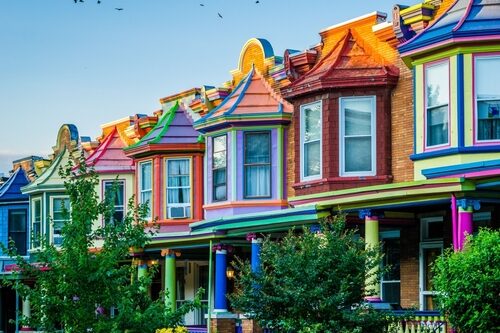
Baltimore poured money into the Inner Harbor in the 1980s and 1990s, hoping to transform the waterfront into a tourism magnet. The aquarium and Harborplace initially drew visitors, but nearby neighborhoods didn’t benefit from the investment. Crime, failing schools, and abandoned properties remained persistent issues. The harbor became a showcase without connecting to the broader city’s daily life.
The reinvention created an isolated tourist bubble. While the Inner Harbor looks polished in brochures, most residents see little tangible improvement in their quality of life. Subsequent redevelopment attempts, like mixed-use projects, have had limited impact. Baltimore’s experience shows that revitalizing a city center isn’t enough to reinvent a whole city.
4. Gary, Indiana
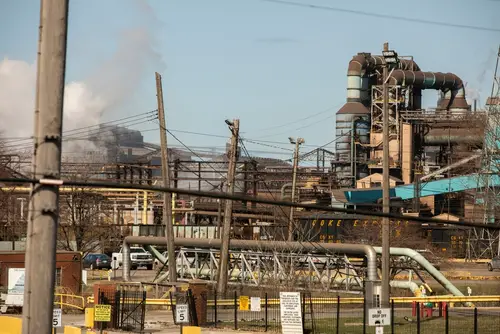
Gary thrived on steel production, but the collapse of the industry devastated the local economy. Efforts to attract arts programs, small businesses, and new industries have mostly stalled. Vacant buildings and abandoned neighborhoods dominate large parts of the city. Each attempt at reinvention has been overshadowed by decades of economic decline.
Even creative projects like public murals and community festivals haven’t shifted Gary’s trajectory. Population loss continues, limiting tax revenue and investment. The city struggles to redefine itself beyond its industrial past. Despite persistent efforts, Gary remains a stark example of industrial decline and stalled reinvention.
5. Paterson, New Jersey
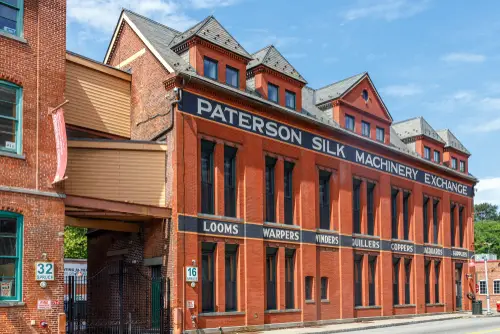
Known as “Silk City,” Paterson thrived on textile manufacturing, but deindustrialization hollowed out its economy. Leaders tried redeveloping downtown and promoting cultural tourism, yet funding constraints and complex social challenges kept progress limited. Vacant storefronts and declining infrastructure are still common. The city’s repeated attempts at reinvention never fully reshaped its reputation.
Paterson also struggled to balance heritage promotion with modern needs. Festivals and arts initiatives generate temporary attention but rarely create lasting economic change. Population decline and poverty remain central obstacles. The city’s history of multiple industrial identities makes each reinvention attempt feel like déjà vu.
6. Scranton, Pennsylvania
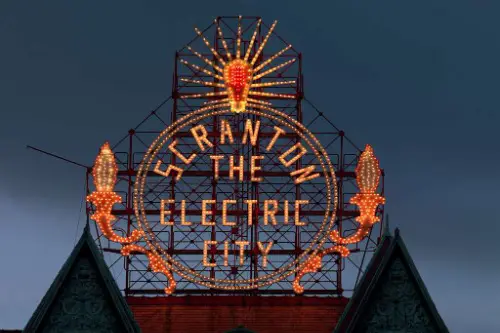
Scranton boomed on coal and railroads, but those industries disappeared in the mid-20th century. The city has tried to reinvent itself through higher education, minor tech investments, and tourism marketing tied to shows like The Office. While these efforts draw some attention, the broader economy hasn’t recovered. Unemployment and vacant properties still define parts of the city.
Rebranding Scranton as a quirky tourist destination has a charm, but it hasn’t brought deep transformation. Efforts to modernize infrastructure are slow and underfunded. The city remains trapped between nostalgia for its industrial past and an uncertain future. Scranton shows how media fame alone can’t drive urban reinvention.
7. Cleveland, Ohio
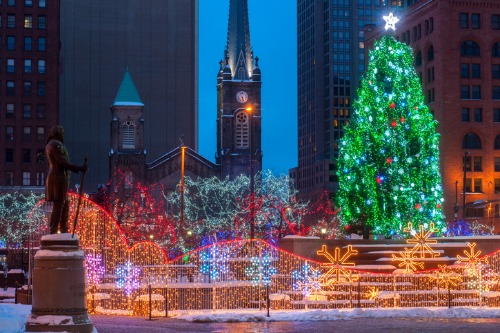
Cleveland has long tried to shed its “Rust Belt” image by focusing on healthcare, the arts, and professional sports. Institutions like the Cleveland Clinic and Playhouse Square are successful, yet poverty and population loss linger in many neighborhoods. Downtown revitalization feels vibrant, but citywide challenges remain. Manufacturing declines and suburban flight continue to hamper comprehensive reinvention.
Attempts to promote culture and sports tourism highlight the contrast between polished districts and struggling communities. Investment often bypasses residential areas that need it most. Cleveland’s repeated reinventions have produced pockets of success without transforming the whole city. The tension between progress and persistent decline is a recurring theme.
8. Buffalo, New York
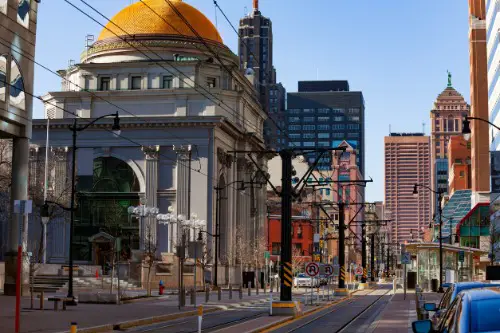
Buffalo was once a booming industrial center, but steel and grain industries collapsed in the mid-20th century. Efforts to reinvent as a cultural hub, with revitalized waterfronts and sports arenas, have made only partial progress. Many neighborhoods remain underdeveloped, and weather challenges further complicate redevelopment. The city frequently announces “renaissance” initiatives, but the benefits remain uneven.
Tourism and the arts help downtown feel vibrant, but Buffalo’s population has continued to decline. Persistent poverty and struggling schools indicate that reinvention hasn’t reached all residents. Plans to attract tech or service industries haven’t scaled quickly enough. Buffalo illustrates how revitalization efforts can look promising without truly transforming a city.
9. Rochester, New York
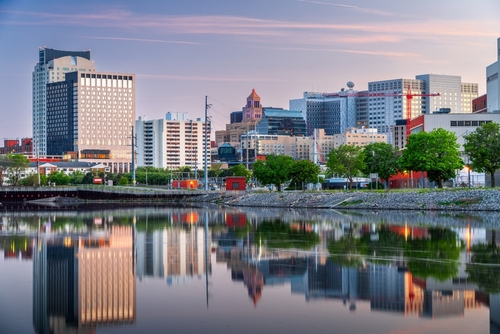
Rochester thrived on photography and imaging with companies like Kodak, but corporate decline devastated the local economy. The city tried positioning itself around education, healthcare, and innovation hubs. Small successes exist, but empty factories and declining neighborhoods highlight ongoing challenges. Reinvention attempts have often struggled against a shrinking population.
Rochester has invested in downtown redevelopment, cultural festivals, and tech incubators. While these initiatives show potential, the scale is insufficient to reverse decades of industrial decline. Job growth outside the service sector remains limited. The city’s reinvention story is one of incremental progress rather than full recovery.
10. Flint, Michigan
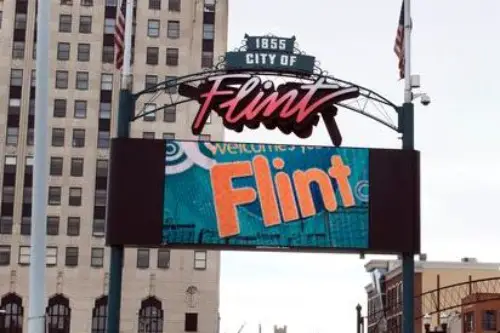
Flint’s attempts to reinvent itself after the collapse of GM factories have been met with extreme obstacles. Efforts to diversify through small businesses and arts projects were undermined by water crises and ongoing economic struggles. Downtown redevelopment has seen some modest success, but widespread poverty persists. The city remains a cautionary tale of reinvention overshadowed by systemic failures.
Flint’s identity as a resilient city is tested daily. New initiatives often face funding and infrastructure barriers. Residents experience firsthand how revitalization can fall short without broader structural support. Flint demonstrates how reinvention efforts must be paired with public health and economic stability to succeed.
11. Youngstown, Ohio
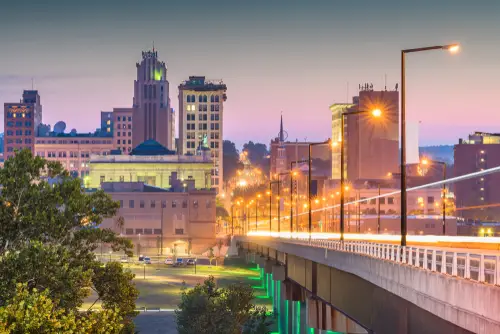
Youngstown relied on steel manufacturing for its identity, but the industry collapsed in the 1970s. Leaders have tried everything from downtown revitalization to tax incentives for new businesses. Yet the population continues to shrink, and many neighborhoods remain abandoned. The city’s repeated reinventions feel like cycles of hope and disappointment.
Arts initiatives and small business programs provide temporary sparks, but they haven’t reversed systemic decline. Youngstown’s identity crisis remains unresolved, caught between its industrial past and economic uncertainty. Even as some areas show improvement, the overall city faces persistent challenges. Youngstown exemplifies how reinvention can be difficult when the economic base erodes.
12. Camden, New Jersey
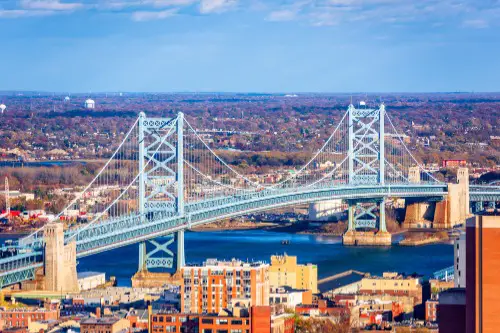
Once a thriving industrial port, Camden faced manufacturing collapse, crime surges, and urban flight. Efforts to revitalize waterfronts, attract casinos, and create educational hubs have been partially successful. Yet poverty, crime, and unemployment continue to plague the city. The gap between high-profile redevelopment projects and everyday life remains stark.
Camden’s attempts to reinvent itself often focus on small-scale interventions that don’t address systemic challenges. Federal and state grants bring temporary relief, but long-term growth is elusive. Residents still deal with unsafe neighborhoods and underfunded schools. Camden shows how repeated reinvention efforts can feel fragmented and insufficient.
13. St. Louis, Missouri
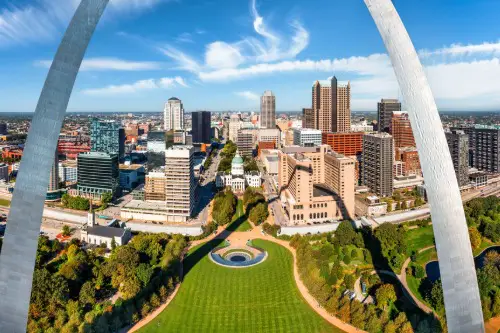
St. Louis tried reinventing itself after industrial decline through biotechnology, healthcare, and downtown sports development. The Gateway Arch and cultural institutions attract tourists, but many neighborhoods suffer persistent economic hardships. Population loss and suburban migration limit the city’s ability to fully transform. Downtown vibrancy masks continued disparities in housing and employment.
The city’s reinvention narrative often emphasizes high-profile projects while overlooking struggling areas. Redevelopment efforts in the central corridor don’t translate to all residents. Crime and poverty remain persistent obstacles. St. Louis highlights the challenge of reinventing a city when revitalization is unevenly distributed.
14. Pittsburgh, Pennsylvania
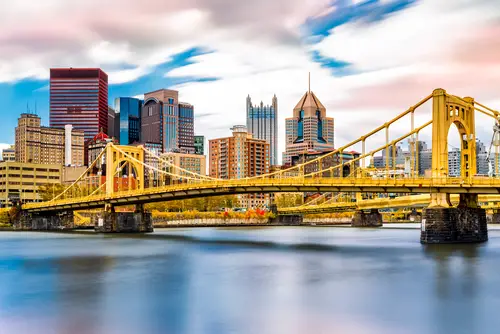
Pittsburgh moved from steel to tech, education, and healthcare, but the transition hasn’t benefited all residents equally. Downtown and university districts look vibrant, yet many neighborhoods remain underdeveloped. Attempts to attract startups and biotech have had limited citywide impact. Reinvention success is concentrated in select areas while older neighborhoods lag behind.
The city has invested heavily in branding itself as a tech hub, yet legacy economic issues persist. Jobs in new sectors often go to outsiders rather than long-term residents. Population decline and aging infrastructure present ongoing hurdles. Pittsburgh’s story shows that even well-managed reinventions can leave gaps.
15. Milwaukee, Wisconsin
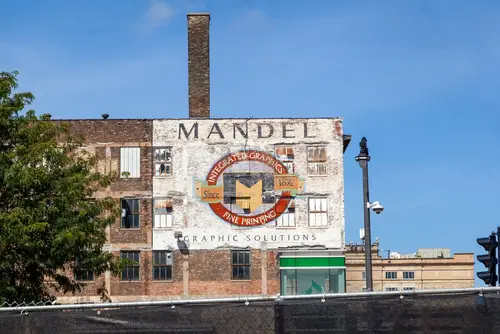
Milwaukee once thrived on brewing and manufacturing but has struggled with deindustrialization. Attempts to reinvent as a cultural and arts hub have helped downtown, but broader neighborhoods still face poverty and unemployment. Festivals, riverwalk projects, and tech incubators show promise but haven’t transformed the city. Economic disparity remains a constant challenge.
Efforts to attract young professionals and tourists create pockets of vitality. Yet much of Milwaukee’s population doesn’t feel the benefits of reinvention. Structural issues, including education and crime, persist across the city. Milwaukee illustrates how partial successes can coexist with ongoing systemic struggles.
This post 15 Towns That Constantly Try to Reinvent Themselves—and Fail Spectacularly was first published on American Charm.

