
1. Savannah, Georgia
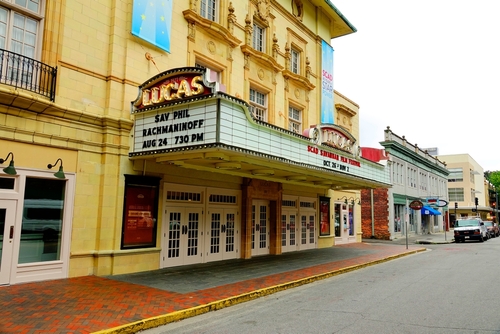
Savannah’s history shows up in its layout more than anything else. The city’s famous grid of public squares, designed in the 18th century, still shapes how people move through downtown today. Locals cut through shaded squares on their way to coffee or work without always thinking about their original defensive purpose. It’s a city where urban planning from the colonial era is still quietly doing its job.
Even the buildings tell layered stories if you look closely. Some homes include “haint blue” porch ceilings, a Gullah Geechee tradition meant to ward off spirits. Ironwork balconies and old carriage lanes hint at both wealth and the labor systems that supported it. You don’t need a museum visit to notice history here, it’s built into daily routines.
2. New Orleans, Louisiana
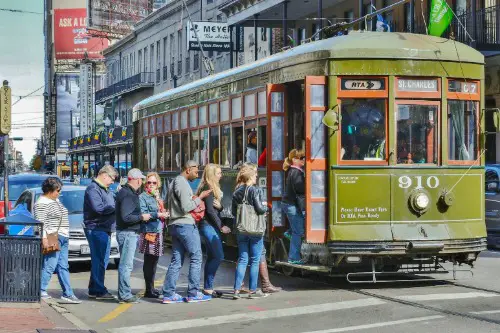
In New Orleans, history shows up in the way the city sounds. Brass bands practicing in neighborhoods and second line parades aren’t staged for tourists, they’re part of everyday life. These traditions trace back to African, Caribbean, and Creole cultural roots that have been passed down for generations. You might hear a full procession just walking to the corner store.
Architecture also carries subtle clues about the past. Shotgun houses, built long and narrow, reflect both climate adaptation and working-class design. Raised foundations speak to generations of flooding concerns long before modern systems. Even corner bars and social clubs often have decades of community history behind them.
3. Boston, Massachusetts
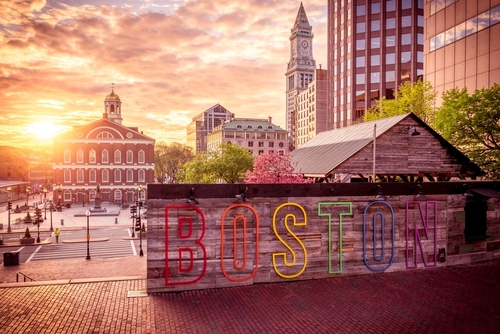
Boston’s streets reveal their history simply by being a little confusing. Unlike grid-planned cities, many roads follow old colonial paths and even former cow trails. Locals navigate winding routes that don’t quite make geometric sense. That irregular layout is a direct link to the city’s earliest days.
Everyday landmarks also carry quiet historical weight. Brick rowhouses and old meeting halls still serve modern purposes. You might pass a centuries-old cemetery on your commute without thinking twice. The past blends into the present so naturally it becomes part of the background.
4. Santa Fe, New Mexico
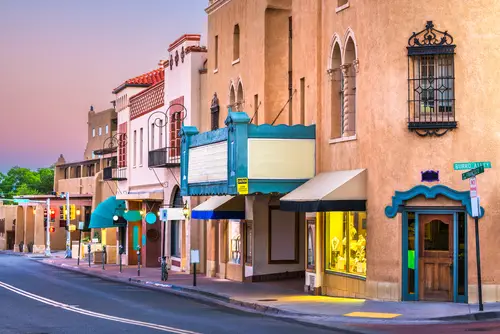
Santa Fe’s building style is one of its most subtle historical markers. The adobe architecture you see today isn’t just aesthetic, it reflects centuries of Indigenous and Spanish influence. Even newer buildings follow strict codes to maintain that traditional look. It creates a sense that the city has stayed visually consistent across generations.
Street names and languages add another layer. Spanish is commonly heard alongside English in everyday conversation. Many place names date back hundreds of years and still describe the landscape. The result is a city where history quietly shapes daily life rather than standing apart from it.
5. Philadelphia, Pennsylvania
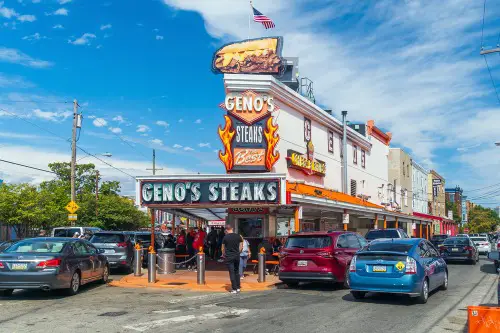
Philadelphia’s history shows up in its narrow side streets and alleyways. These were designed for early foot traffic and horse-drawn travel, not modern cars. Walking through them today feels like stepping into an earlier version of the city. Yet people still live, work, and socialize along those same paths.
Rowhouses tell another story of continuity. Built for working- and middle-class residents, they remain a dominant housing style. Their uniform appearance reflects early urban planning and industrial-era growth. Daily life unfolds in spaces shaped by centuries-old decisions.
6. San Francisco, California
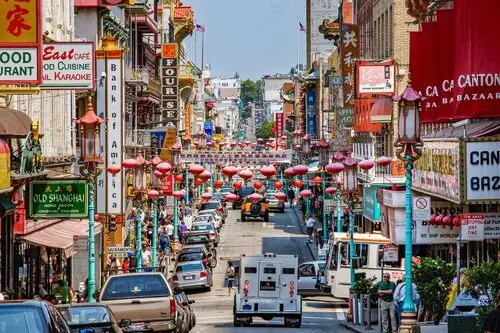
San Francisco’s hills and cable cars reveal how people adapted to geography in the past. Cable cars weren’t just charming, they were a practical solution to steep terrain in the 19th century. A few lines still operate today, woven into everyday transit. Riding one is both routine and historical at the same time.
The mix of architectural styles also tells a story. Victorian homes that survived the 1906 earthquake stand beside modern buildings. Neighborhood layouts reflect waves of immigration and rebuilding. History here isn’t frozen, it’s layered into the city’s daily texture.
7. Charleston, South Carolina
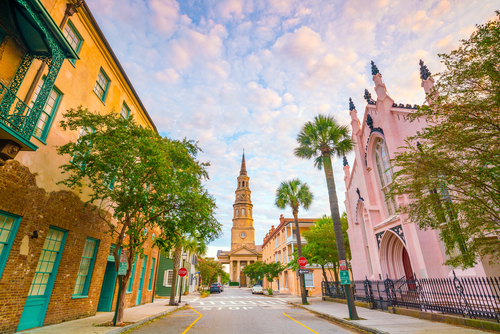
Charleston’s “single houses” are a subtle but distinctive historical feature. These narrow homes are oriented sideways to catch coastal breezes, a design choice rooted in climate and urban density. Locals still use the long side porches, called piazzas, as everyday living spaces. The architecture quietly reflects centuries-old adaptation.
Iron gates, cobblestone streets, and hidden gardens add to the sense of continuity. Many of these features date back to the 18th and 19th centuries. They’re not preserved behind glass, people interact with them daily. The city’s past is part of its lived environment.
8. Chicago, Illinois
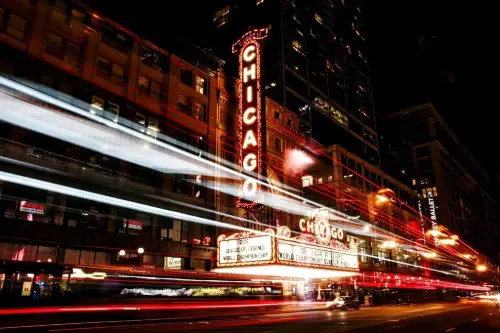
Chicago reveals its history in something you might not immediately notice, its raised downtown streets. After devastating flooding and sanitation issues in the 19th century, parts of the city were physically lifted. Today, multi-level streets still exist, especially in the Loop. You might pass beneath or above another roadway without realizing why.
The river itself also tells a story. Its flow was famously reversed in 1900 to improve sanitation. That engineering decision still affects the region today. Everyday infrastructure carries the imprint of past challenges and solutions.
9. St. Augustine, Florida

St. Augustine’s age shows up in small, easy-to-miss details. Narrow streets in the historic district follow layouts from the Spanish colonial period. Buildings use coquina stone, a material made from compressed shells found locally. These choices reflect both available resources and early settlement patterns.
You’ll also notice courtyards and balconies designed for heat and airflow. These features aren’t just decorative, they were essential for comfort centuries ago. Many are still used the same way today. Daily life continues in spaces shaped by some of the oldest European settlement in the U.S.
10. Deadwood, South Dakota
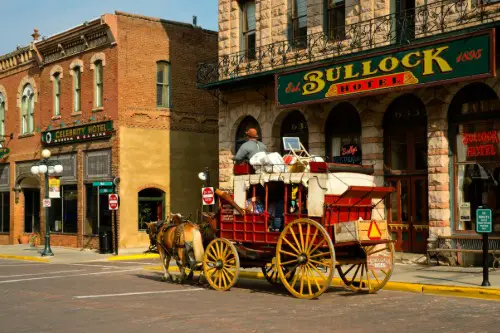
Deadwood’s past shows up in its street layout and preserved storefronts. The town grew quickly during the Black Hills gold rush, and its main street still reflects that boomtown structure. Buildings sit close together, designed for foot traffic and commerce. Walking through town feels like stepping into a working version of its past.
Even everyday businesses occupy historic spaces. Saloons and shops operate in buildings that date back more than a century. The pace of life is slower, echoing its frontier roots. It’s a place where history isn’t hidden, it’s simply still in use.
11. New Bedford, Massachusetts
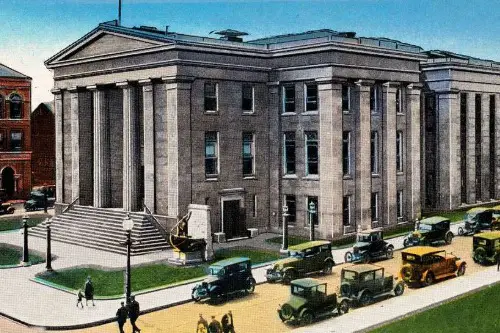
New Bedford’s whaling history shows up in its waterfront and street names. In the 19th century, it was one of the world’s most important whaling ports. Warehouses and docks built for that industry still line the harbor. Some have been repurposed, but their original purpose is easy to spot.
Even local culture carries those influences. Maritime traditions and fishing industries remain part of daily life. You’ll see working boats alongside historic structures. The city’s identity still reflects its ocean-based past.
12. Bisbee, Arizona
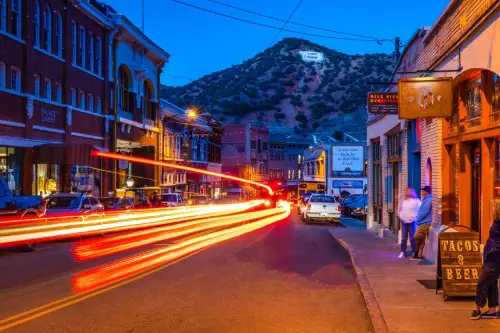
Bisbee’s mining history reveals itself in its unusual layout. The town is built into steep hillsides, with winding roads and staircases connecting neighborhoods. This reflects how it developed around copper mining operations rather than a planned grid. Daily movement through town still follows those original paths.
Old mining buildings and equipment remain scattered throughout the area. Many have been repurposed into homes, shops, or galleries. The town’s scale and structure reflect its boom-era origins. Living there means interacting with that history every day.
This post Towns in the U.S. That Reveal Their History in Subtle, Everyday Ways was first published on American Charm.

