
1. Cairo, Illinois
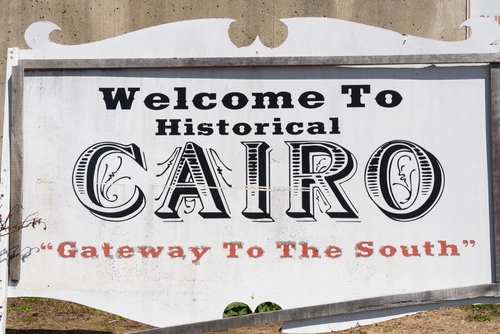
Cairo sits at the strategic confluence of the Mississippi and Ohio rivers, which once made it a booming trade hub. Over time, the decline of river commerce, manufacturing losses, and population flight hollowed it out. Racial tension and disinvestment accelerated the city’s downturn in the mid-20th century. Today, many buildings downtown stand abandoned, including grand former hotels and theaters.
The population has dropped dramatically from its peak, leaving city services strained. Flood risk remains a constant worry despite massive levee systems. Businesses struggle to stay open with so few customers left. Cairo feels locked into its decline, unable to leverage its geography the way it once did.
2. Centralia, Pennsylvania
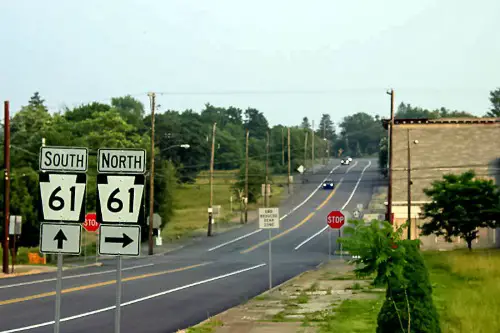
Centralia looks like a normal small Pennsylvania town until you realize almost no one lives there anymore. An underground coal mine fire, ignited in 1962 after a landfill burn, has been burning beneath the town for decades. Toxic gases, sinkholes, and unstable ground made daily life increasingly dangerous. The fire is still active today, making Centralia a literal example of a place stuck in a bad moment in history.
Most residents were relocated by the state during the 1980s and 1990s. The town lost its ZIP code in 2002, a rare administrative death knell. A handful of holdouts remain, living among empty streets and demolished homes. It feels frozen not for nostalgia, but because disaster halted normal progress.
3. Gary, Indiana
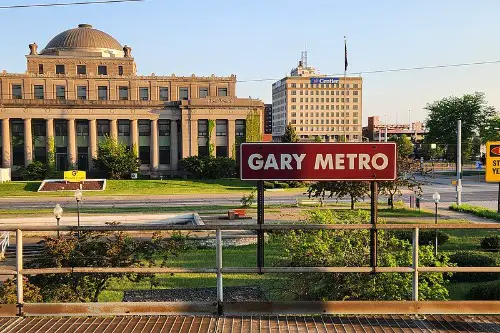
Gary was built around U.S. Steel and boomed quickly in the early 1900s. When steel production declined and automation increased, jobs disappeared just as fast. White flight and shrinking tax revenue followed, leaving large areas vacant. Entire neighborhoods now feature empty homes and crumbling infrastructure.
The city still has residents and cultural history, but progress has been uneven. Schools, public services, and transit have struggled with limited funding. Downtown development attempts have come and gone without lasting impact. Gary often feels stuck in the shadow of its industrial collapse.
4. East St. Louis, Illinois
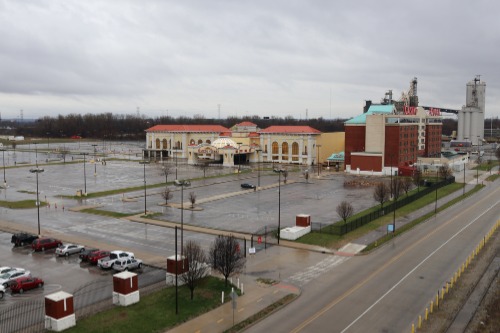
East St. Louis once thrived as an industrial and transportation hub across the river from St. Louis, Missouri. Deindustrialization, segregation, and suburbanization stripped away jobs and residents. The population plummeted, leaving behind vacant buildings and decaying roads. Flooding from the Mississippi River has also caused recurring damage.
The city has long struggled with underfunded schools and limited economic opportunities. Infrastructure problems are visible, from abandoned factories to broken streetlights. While community efforts persist, change has been slow. East St. Louis feels trapped in cycles it has been trying to escape for decades.
5. Flint, Michigan
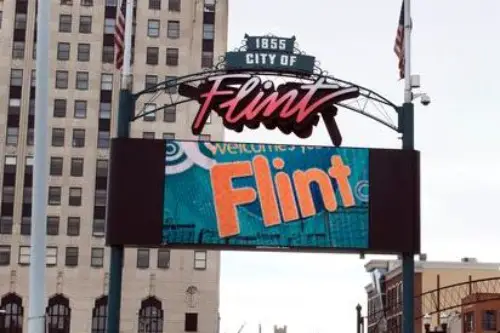
Flint’s identity was closely tied to General Motors, which once employed tens of thousands of residents. Factory closures beginning in the 1980s devastated the local economy. Population loss and shrinking tax revenue followed, weakening city services. The water crisis that began in 2014 deepened national awareness of Flint’s struggles.
The crisis eroded trust in government and left lasting health concerns. Many neighborhoods still contain boarded-up homes and empty lots. Efforts at revitalization exist but face uphill battles. Flint feels frozen by a combination of industrial loss and public policy failure.
6. Picher, Oklahoma
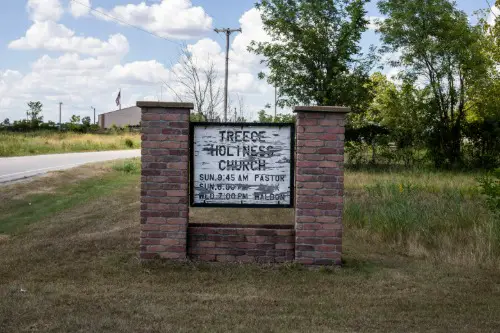
Picher was once a prosperous mining town in the Tri-State Mining District. Decades of lead and zinc mining left massive piles of toxic chat, or mining waste, around town. High rates of lead poisoning and environmental contamination made the area unsafe. The town was declared part of a Superfund site.
Federal buyouts encouraged residents to leave in the 2000s. A tornado in 2008 destroyed much of what remained. Picher officially disincorporated in 2009. It stands as a town permanently paused by environmental damage.
7. Camden, New Jersey
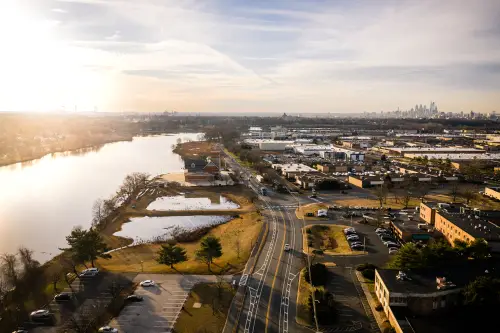
Camden boomed in the early 20th century with shipbuilding and manufacturing. When those industries declined, jobs vanished and residents moved away. Disinvestment and crime became persistent problems. Many historic buildings fell into disrepair or abandonment.
Despite proximity to Philadelphia, economic revival has been uneven. Some redevelopment has occurred, but large swaths remain struggling. Public schools and infrastructure continue to face challenges. Camden feels caught between renewal efforts and longstanding decline.
8. Youngstown, Ohio
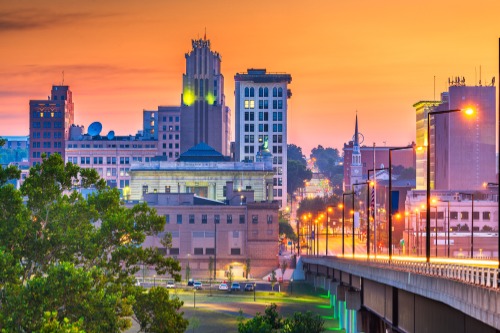
Youngstown was once a steel powerhouse in northeastern Ohio. The infamous “Black Monday” in 1977 marked the closure of major mills. Tens of thousands of jobs disappeared almost overnight. The population steadily shrank as people left for work elsewhere.
Vacant lots now dot neighborhoods where houses once stood. The city even planned for shrinkage rather than growth. While cultural pride remains strong, economic recovery has been limited. Youngstown still bears the scars of its industrial collapse.
9. Pine Ridge, South Dakota
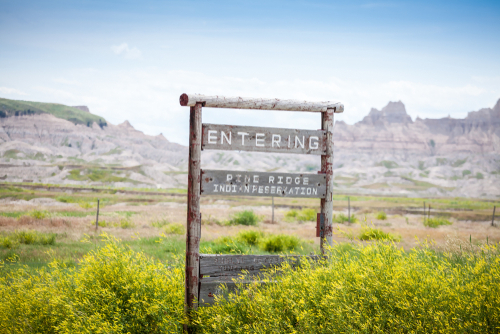
Pine Ridge is located on the Pine Ridge Reservation and faces deep systemic challenges. High unemployment, poverty, and limited infrastructure define daily life. Many homes lack adequate plumbing or heating. Opportunities for economic growth are scarce.
The town’s struggles are tied to historical injustices and federal policy failures. Life expectancy and health outcomes lag behind national averages. Despite strong community ties, resources remain limited. Pine Ridge feels frozen by circumstances beyond its control.
10. Salton City, California
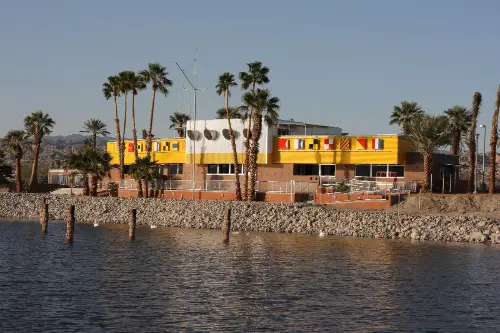
Salton City was envisioned as a resort destination on the shores of the Salton Sea. Environmental mismanagement caused the sea to become increasingly polluted and salty. Fish die-offs and foul odors drove tourists away. Development plans collapsed, leaving unfinished streets and empty lots.
Health concerns from exposed lakebed dust have worsened conditions. Infrastructure exists without a thriving population to support it. Attempts to revive the area have stalled repeatedly. Salton City remains stuck in the aftermath of a failed vision.
11. McDowell County, West Virginia
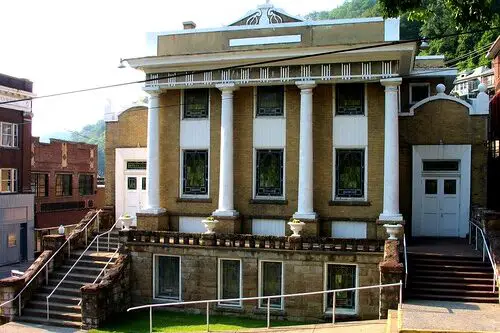
McDowell County thrived during the height of coal mining in Appalachia. As coal jobs declined, employment opportunities vanished. Population loss followed, leaving schools and towns underfunded. Many communities are isolated by geography.
Basic services like healthcare and broadband access are limited. Buildings and homes sit abandoned across the county. Efforts to diversify the economy face steep obstacles. The area feels frozen by the long decline of coal.
12. Blythe, California
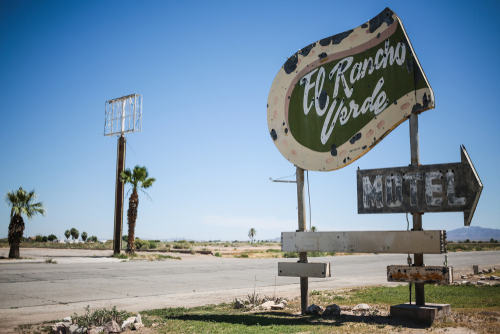
Blythe grew as a desert stopover and agricultural center near the Colorado River. Mechanization reduced farm labor needs over time. Extreme heat and isolation made growth difficult. Economic development slowed, and residents moved away.
Downtown areas show signs of stagnation rather than renewal. Job opportunities remain limited outside agriculture and corrections. The harsh climate compounds everyday challenges. Blythe feels paused, waiting for a future that hasn’t arrived.
13. Route 66 Towns like Amboy, California
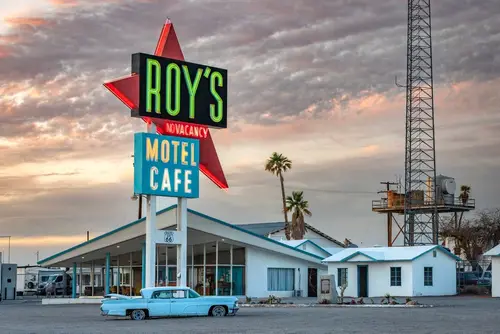
Amboy once thrived on Route 66 traffic through the Mojave Desert. When Interstate 40 bypassed the town, travelers stopped coming. Businesses closed, and residents left. Only a few structures, like the Roy’s Motel sign, remain active.
The town survives more as a roadside curiosity than a community. Infrastructure exists largely for nostalgia rather than residents. Economic activity is minimal and seasonal. Amboy feels frozen at the moment America drove past it.
This post 13 Towns Frozen in Time—and Not in a Good Way was first published on American Charm.

