
1. Portland, Oregon
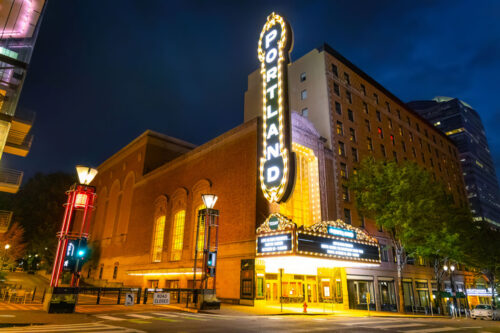
Portland built a reputation for being quirky, creative, and community-focused. Independent businesses, bike culture, and local food scenes defined its identity. It attracted people looking for an alternative to larger, more expensive cities. Neighborhoods felt relaxed and accessible.
In recent years, rapid growth and rising housing costs changed that dynamic. Homelessness and urban challenges became more visible. Some longtime residents feel the city lost part of its earlier simplicity. It still has character, but the atmosphere has shifted.
2. Brooklyn, New York
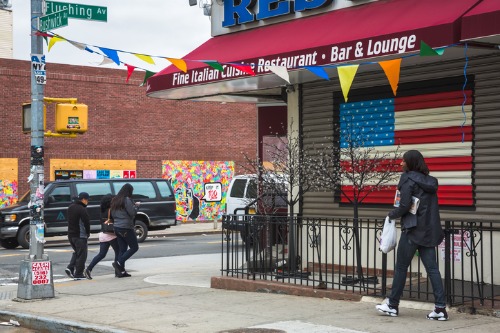
Brooklyn spent much of the 20th century as a collection of working-class neighborhoods with strong local identities. Industrial jobs, immigrant communities, and family-run businesses shaped daily life. Areas like Williamsburg and DUMBO were once dominated by warehouses and factories. Rents were relatively affordable compared to Manhattan.
Over the past few decades, redevelopment and gentrification transformed many neighborhoods. Former industrial spaces became luxury apartments, offices, and art venues. Rising costs pushed out some longtime residents and businesses. The borough still has deep history, but its look and feel have shifted significantly.
3. Nashville, Tennessee
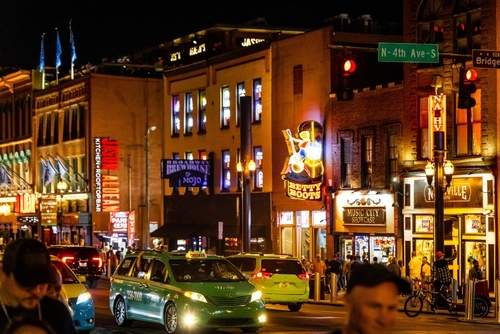
Nashville was long known primarily as the center of country music and the home of the Grand Ole Opry. Its downtown was quieter outside of major events, and much of the city retained a slower Southern pace. Local culture revolved around music, education, and regional business. Growth happened, but it was gradual.
In recent years, tourism and development have surged. Broadway became a nonstop strip of bars, live music, and bachelorette parties. New construction reshaped the skyline and surrounding neighborhoods. It still celebrates music, but the energy feels far more commercial and fast-moving.
4. Denver, Colorado
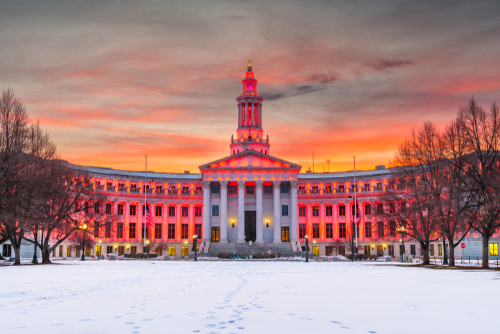
Denver once felt like a gateway city to the Rockies with a modest skyline and slower pace. Outdoor culture was always central, but the city itself was more understated. Housing was relatively affordable compared to coastal cities. It balanced urban life with easy access to nature.
Population growth and economic expansion accelerated in the 2000s and 2010s. Tech, energy, and new residents drove up housing demand and prices. Neighborhoods saw rapid redevelopment and denser construction. The city still loves the outdoors, but it feels busier and more expensive.
5. San Francisco, California
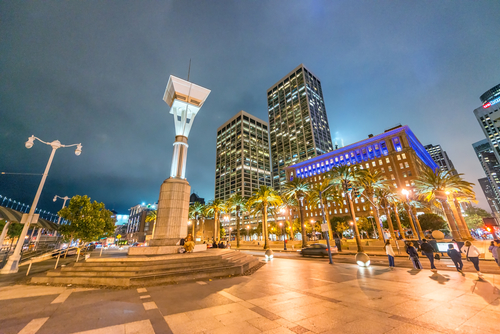
San Francisco used to be known for its counterculture roots and diverse, artist-driven communities. Neighborhoods like the Mission District were historically working-class and culturally rich. Housing was expensive, but still more accessible than today. The tech industry was present, but not as dominant.
The tech boom reshaped the city’s economy and demographics. Rents and home prices soared, pushing many residents out. Office growth and startup culture changed daily life in several neighborhoods. It remains iconic, but its character has shifted in noticeable ways.
6. Detroit, Michigan
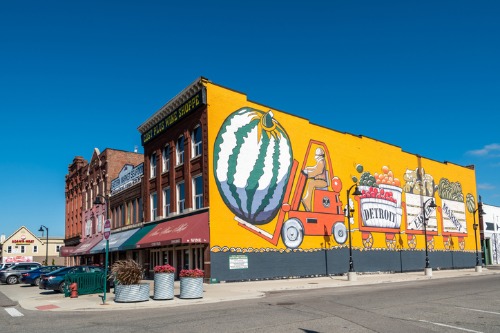
Detroit was once the center of the American auto industry and one of the largest cities in the country. Its neighborhoods were densely populated and economically active. Factories, shops, and cultural institutions created a strong urban rhythm. The city symbolized industrial strength.
Decades of population decline and factory closures changed that landscape. Many neighborhoods saw vacancy and disinvestment. In recent years, redevelopment has brought new businesses and residents to certain areas. The contrast between past density and present rebuilding makes the shift very visible.
7. Las Vegas, Nevada
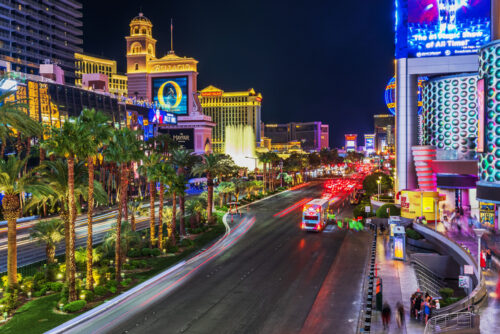
Las Vegas was once primarily known as an adult playground centered on casinos and entertainment. The Strip defined the city’s identity, and tourism drove everything. Residential areas existed, but they played a smaller role in its image. Growth was tied closely to hospitality.
Over time, the metro area expanded into a major residential and business hub. Master-planned communities spread across the desert. Economic diversification brought new industries beyond gaming. It still draws tourists, but it feels more like a full-scale city now.
8. Seattle, Washington
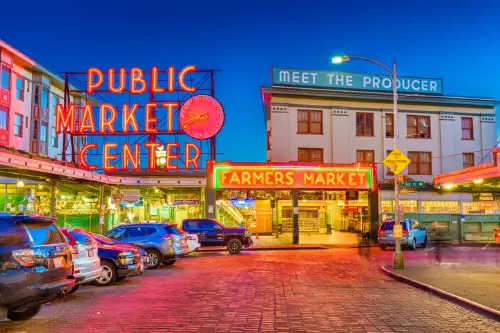
Seattle had a reputation as a rainy, somewhat sleepy port city with a strong local culture. It was shaped by shipping, aerospace, and a famous music scene in the 1990s. Neighborhoods felt distinct and relatively low-key. Housing costs were rising, but still manageable for many.
Tech expansion transformed the city’s economy and skyline. Companies like Amazon brought rapid job growth and population increases. Construction cranes became a constant presence. The city feels more crowded and globally connected than it once did.
9. Austin, Texas
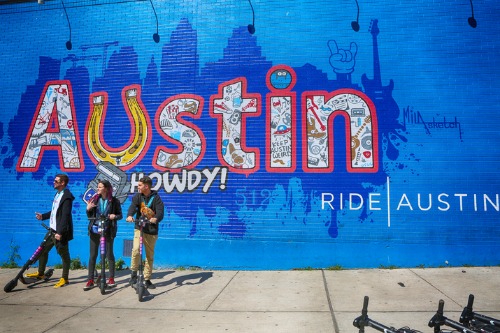
Austin used to feel like a laid-back college town with a strong local music scene and a “keep it weird” identity. The presence of the University of Texas shaped much of its culture and pace of life. In the 1990s and early 2000s, it was known for being relatively affordable compared to other major cities. Growth was steady, but it still felt manageable.
Tech expansion and population booms changed that rhythm dramatically. Major companies brought jobs, rising housing costs, and heavier traffic. Longtime residents often talk about disappearing venues and shifting neighborhood identities. It’s still creative, but the scale and speed of change feel completely different.
10. Miami, Florida
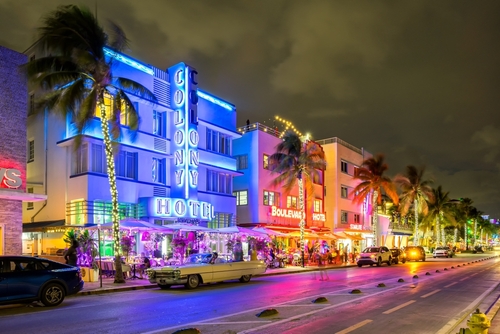
Miami has long been a gateway city with strong ties to Latin America and the Caribbean. Its culture blended international influence, tourism, and local neighborhoods. Decades ago, parts of the city felt more regional than global. Development was steady but not overwhelming.
Recent years brought a surge of investment, especially in real estate and finance. New high-rises and luxury developments reshaped the skyline. Population growth and remote work trends accelerated change. Miami now feels more like a global financial and cultural hub.
11. Bozeman, Montana
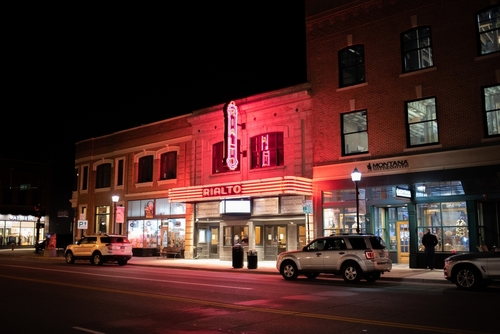
Bozeman used to be a quiet college town surrounded by ranchland and open space. Montana State University anchored the community and local economy. Outdoor recreation was always important, but growth remained modest. Housing was relatively affordable for residents.
An influx of new residents and remote workers changed that balance. Real estate prices rose quickly and development expanded outward. Tourism and lifestyle appeal brought national attention. The town still has charm, but it feels far busier than it once did.
12. Charleston, South Carolina
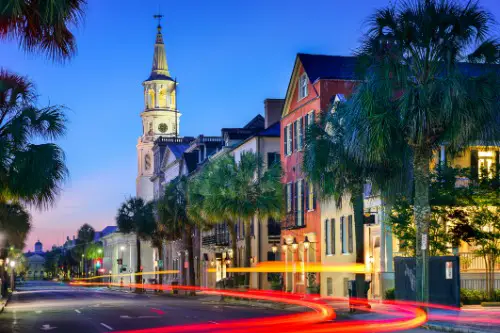
Charleston has long been known for its historic architecture and coastal charm. Decades ago, it felt quieter and more locally oriented. Tourism existed, but it was less intense than today. Daily life moved at a slower pace.
Visitor numbers and national attention increased significantly over time. New restaurants, hotels, and developments followed that demand. Preservation efforts continue, but crowds are more noticeable. The city still looks historic, but it feels more bustling.
13. Phoenix, Arizona
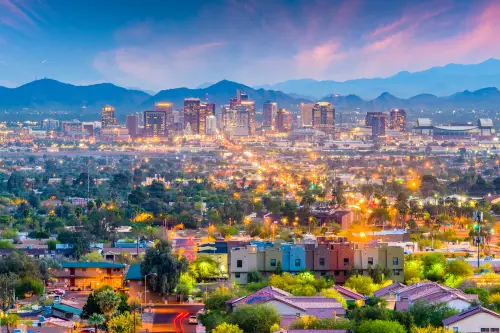
Phoenix was once seen as a sprawling desert city with steady but manageable growth. Retirement communities and suburban neighborhoods defined much of its expansion. Summers shaped daily life, but the pace remained predictable. It felt spread out and relatively affordable.
Population growth accelerated dramatically in recent decades. New industries and migration increased density and traffic. Housing demand pushed prices upward across the metro area. The city still sprawls, but it feels much larger and faster-moving now.
This post Towns Across the U.S. That Feel Different Than They Did Decades Ago was first published on American Charm.

