
1. Virginia City, Nevada
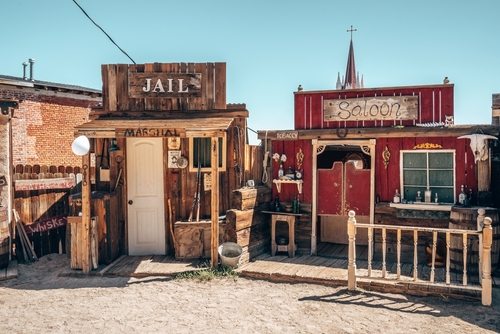
Virginia City lives on in memory as a roaring silver boomtown. The Comstock Lode brought thousands of miners, entrepreneurs, and entertainers. Saloons and theaters once kept the town buzzing day and night. Its reputation still carries that sense of nonstop activity.
Today, it’s a preserved historic town that moves at a much slower rhythm. Tourism brings visitors, but not the constant crowds of its mining era. Boardwalks can feel quiet between peak times. The atmosphere feels more reflective than bustling.
2. Atlantic City, New Jersey
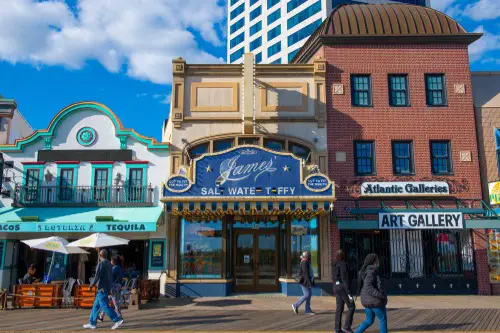
Atlantic City lives large in memory as a glittering seaside playground packed with performers, vacationers, and neon-lit energy. The Boardwalk once drew massive crowds, and its hotels were synonymous with East Coast glamour. Even after casinos arrived in 1976, there was a sense that the momentum would never slow down. For many people, that version of the city still lingers vividly.
In person today, the scale of those resorts can feel out of sync with the crowds, especially on weekdays. Competition from other regional casinos has thinned visitor numbers over time. Some properties have closed, leaving noticeable gaps along the skyline. The energy is still there in moments, but it’s more intermittent than memory suggests.
3. Detroit, Michigan
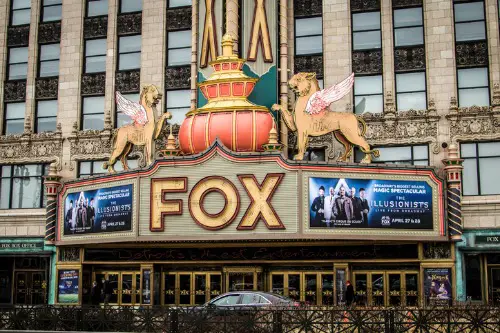
Detroit is remembered as the unstoppable heart of the American auto industry. Its mid-century image includes packed neighborhoods, bustling factories, and vibrant nightlife. The city’s population once approached two million residents. That scale still defines how many people imagine it.
Today, some areas feel far less dense than that memory suggests. Decades of population loss reshaped entire neighborhoods. You can still find lively districts, but they’re separated by quieter stretches. The city feels like a place still catching up to its own legend.
4. Cairo, Illinois
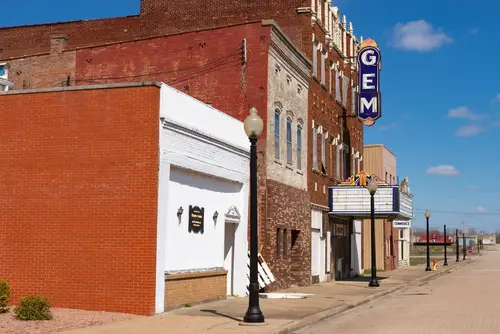
Cairo once seemed destined to be a major American river city. Its position at the junction of the Mississippi and Ohio Rivers made it a natural trade hub. Steamboats, rail lines, and commerce once filled its streets with activity. Historic buildings still reflect that ambition.
In person, much of Cairo feels still and sparsely populated. Economic shifts and population loss changed its trajectory dramatically. Many structures remain but are no longer in use. It feels like a place where the past crowd never quite came back.
5. Buffalo, New York
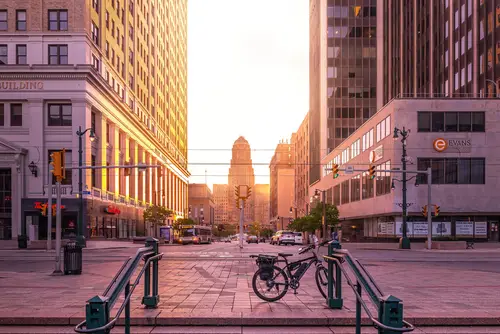
Buffalo’s reputation was built on industry, shipping, and its role along the Erie Canal. It was once one of the country’s busiest and fastest-growing cities. Dense neighborhoods and grand architecture supported that identity. For many, it still carries the image of a major industrial powerhouse.
Today, the city is quieter than that legacy suggests, especially outside revitalized areas. Population decline left parts of the city less densely occupied. Some commercial corridors don’t match their historic scale of activity. The memory of constant motion lingers more than the reality.
6. St. Louis, Missouri
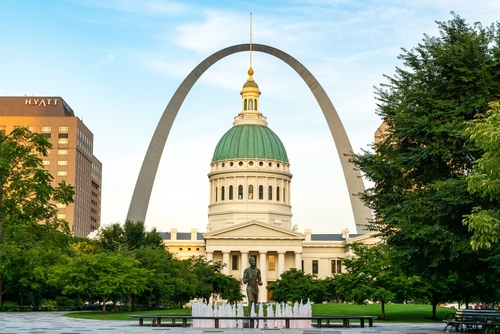
St. Louis is often remembered as one of the nation’s most important urban centers. Its riverfront, industry, and cultural institutions once drew large crowds and steady growth. Mid-century neighborhoods were packed and active. That image still shapes expectations.
In person, some parts of the city feel quieter than that legacy implies. Population loss and suburban shifts changed density patterns. Large stretches of land no longer match their original intensity. The result is a city that feels bigger than its current pace.
7. Gary, Indiana
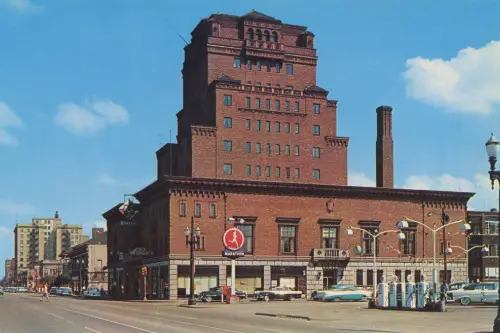
Gary is often remembered as a thriving steel town filled with workers, families, and busy commercial corridors. At its peak, the city supported a large population tied closely to industrial production. Schools, theaters, and neighborhoods were built for a full and active community. That sense of density still shapes how people picture it.
Walking through Gary now, the quieter reality stands out quickly. Population decline has left empty lots where homes once stood. Large civic spaces feel underused compared to their original purpose. The contrast between memory and present-day pace is hard to ignore.
8. Deadwood, South Dakota
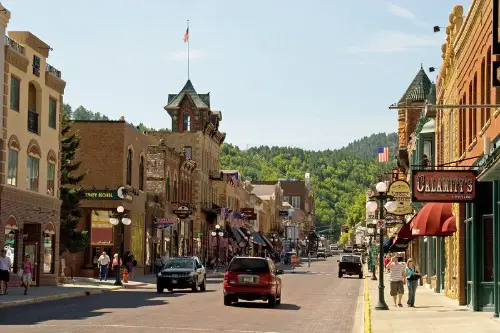
Deadwood is remembered as a chaotic gold rush town full of energy and larger-than-life figures. Prospectors, gamblers, and lawmen once filled its streets. Stories of figures like Wild Bill Hickok add to its legendary status. It’s easy to picture it as constantly lively.
In reality, modern Deadwood is much calmer outside of tourist peaks. Its economy now relies on heritage tourism and limited gaming. The preserved setting makes the quieter pace more noticeable. It feels like a stage set after the main event ended.
9. Centralia, Pennsylvania
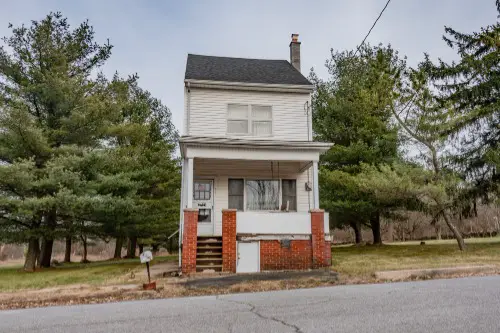
Centralia once functioned like many small coal towns, with a tight-knit community and steady activity. Homes, churches, and businesses supported everyday life. That image of a working town still shapes how people think about it. It wasn’t meant to disappear.
An underground mine fire starting in 1962 changed everything. Residents gradually relocated as conditions became unsafe. Today, only a handful of people remain and most structures are gone. The emptiness feels stark compared to the town people remember.
10. Bodie, California
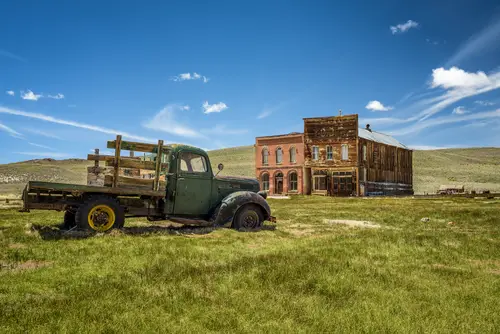
Bodie is remembered as a wild and crowded gold rush settlement. At its peak, thousands of people lived and worked there. Saloons, shops, and homes filled the dusty streets. It had a reputation for nonstop activity.
Now preserved as a state historic park, it stands almost exactly as it was left. Buildings remain, but people do not. Visitors walk through spaces that once held busy daily life. The silence makes its former energy easier to imagine than to experience.
11. Galveston, Texas
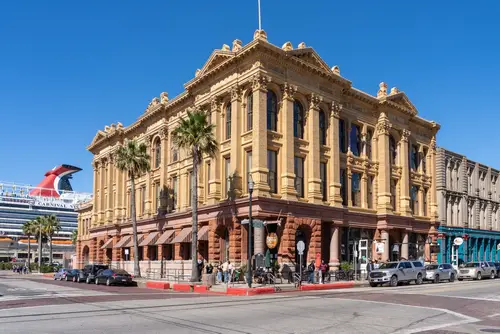
Galveston was once one of the most important port cities in Texas. Before 1900, it was a major economic and cultural hub along the Gulf Coast. Busy docks, grand homes, and commercial districts defined its identity. Many expected it to remain dominant.
The 1900 hurricane devastated the city and reshaped its future. Other ports, especially Houston, grew more influential afterward. Galveston rebuilt, but at a different scale and pace. Its historic areas hint at a busier past than what you see today.
12. Butte, Montana
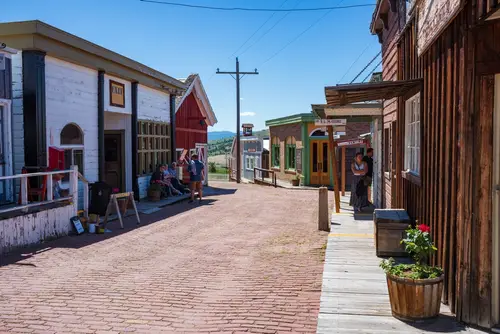
Butte was once one of the world’s most important mining cities. Copper production brought workers, wealth, and dense development. The city earned nicknames reflecting its industrial significance. Its streets were packed during its peak years.
As mining declined, the population dropped significantly. Many historic buildings remain, but not the crowds that once filled them. The city feels quieter than its reputation suggests. It’s a place where history still feels louder than the present.
This post Towns Across the U.S. That Feel Busier in Memory Than in Person was first published on American Charm.

