1. Key West, Florida

Key West once balanced bohemian charm, maritime history, and island life. Cruise ships and party tourism dramatically shifted that balance over time. Duval Street became dominated by bars, souvenir shops, and nightlife catering to day-trippers. Housing costs skyrocketed, pushing many workers off the island.
The town leaned into spectacle rather than sustainability. Cruise passengers often spend little money locally while adding strain to infrastructure. Longtime residents have repeatedly raised concerns about overcrowding. The laid-back island vibe is harder to experience than it used to be.
2. Gatlinburg, Tennessee

Gatlinburg was once a quiet gateway to the Great Smoky Mountains, focused on nature and small-town charm. Over time, it leaned hard into kitschy attractions like arcades, novelty museums, and traffic-heavy dinner theaters. The main strip became clogged with cars, neon signs, and chain restaurants competing for attention. What used to feel like a mountain town now feels more like an amusement corridor.
The town’s economy became almost entirely dependent on high-volume tourism. That pressure encouraged constant development rather than preservation or balance. Visitors still come for the national park, but many rush through Gatlinburg itself. The charm didn’t vanish completely, but it’s buried under excess.
3. Branson, Missouri
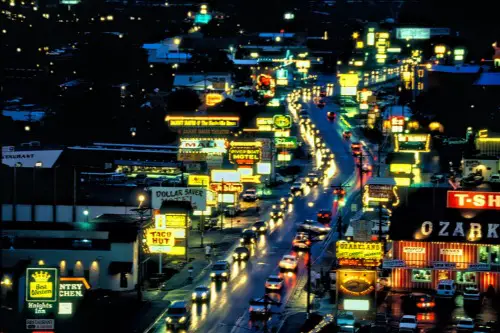
Branson built its reputation on wholesome entertainment and scenic Ozark surroundings. As tourism grew, the town doubled down on theaters, theme attractions, and aggressive roadside marketing. Highway 76 turned into a dense strip of marquees, go-kart tracks, and oversized signs. The natural beauty that once defined the area faded into the background.
The entertainment-first approach left little room for organic local culture. Many businesses cater to short visits rather than long-term community needs. Traffic congestion became a defining feature of peak seasons. Branson still attracts crowds, but its original simplicity is hard to find.
4. Sedona, Arizona
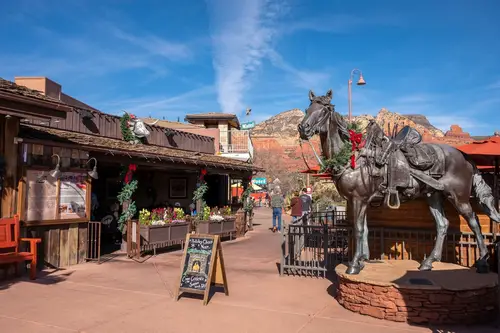
Sedona’s red rock landscapes made it a spiritual and outdoor destination. As tourism increased, New Age branding and luxury development followed quickly. Crystal shops and vortex tours multiplied faster than trailheads or parking could handle. Traffic through town often backs up for miles during peak seasons.
The surge overwhelmed local roads and hiking access points. Residents regularly struggle with congestion that didn’t exist decades ago. The focus shifted toward selling an experience rather than protecting the environment. Sedona remains beautiful, but the serenity feels compromised.
5. South Lake Tahoe, California
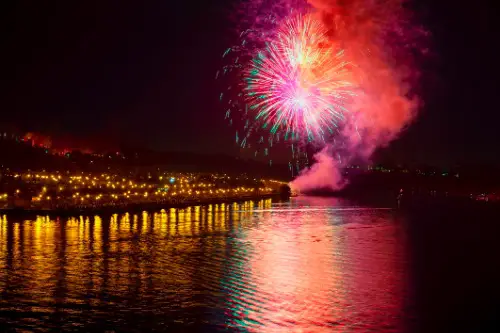
South Lake Tahoe was built around alpine scenery and seasonal recreation. Casinos and large resorts transformed the town into a year-round party destination. That development brought crowds, pollution, and shoreline pressure on the lake. The natural setting struggled to coexist with constant growth.
Housing became increasingly unaffordable for workers. Traffic congestion worsened as visitor numbers climbed. Environmental concerns about lake clarity gained national attention. Tahoe’s beauty endures, but commercialization took a toll.
6. Williamsburg, Virginia
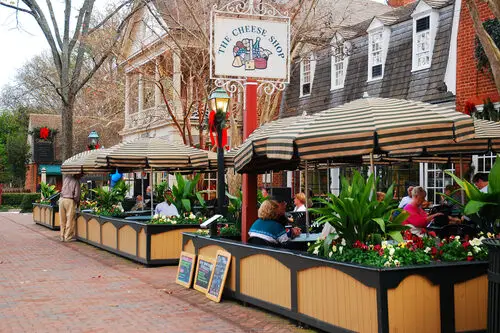
Williamsburg thrived as a carefully preserved colonial town with educational value. Surrounding development leaned heavily into tourism infrastructure like outlet malls and chain hotels. Over time, the area outside Colonial Williamsburg lost any historical cohesion. The experience became fragmented and overly packaged.
Some visitors now spend more time shopping than learning history. The town’s economy became narrowly focused on visitors. Local culture outside the historic district struggled to stand out. The charm remains, but it feels contained rather than lived-in.
7. Lake Havasu City, Arizona
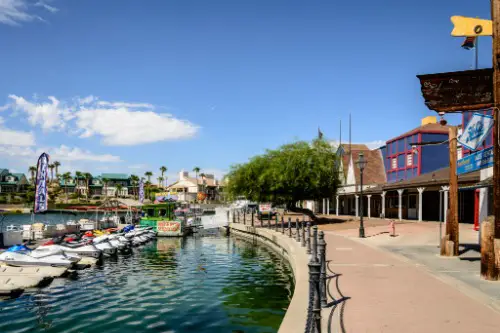
Lake Havasu City gained fame after relocating the original London Bridge. The novelty attracted spring breakers and party crowds year after year. Tourism marketing leaned heavily into drinking culture and boating excess. The town’s identity became tied to rowdy seasonal behavior.
Local resources were strained during peak events. Noise, litter, and safety concerns became recurring issues. Long-term residents often feel overshadowed by party tourism. The bridge remains interesting, but the atmosphere changed.
8. Pigeon Forge, Tennessee
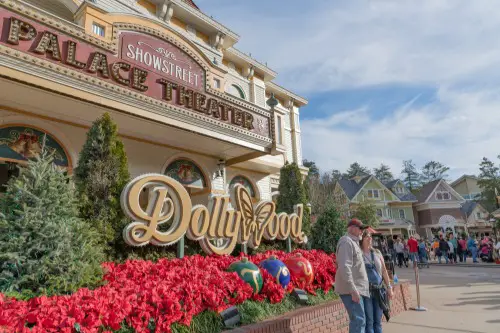
Pigeon Forge grew alongside Gatlinburg as a family-friendly destination. It embraced dense development of attractions, dinner shows, and theme parks. The town prioritized volume over character. Scenic views were replaced by parking lots and billboards.
Traffic congestion became notorious. Local businesses cater almost exclusively to tourists. There’s little sense of a traditional town center. What once felt charming now feels crowded and commercial.
9. Mackinac Island, Michigan
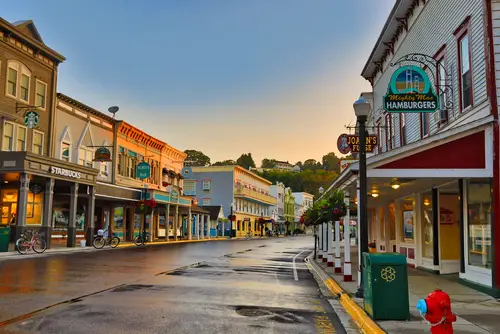
Mackinac Island is famous for banning cars and preserving Victorian architecture. Tourism surged as the island became a summer bucket-list destination. Fudge shops multiplied along the main streets. Seasonal crowds can overwhelm the small island footprint.
Many businesses operate only for tourists. Housing for workers is limited and expensive. The island feels drastically different when visitors leave. Its charm survives, but only briefly.
10. Nashville, Tennessee
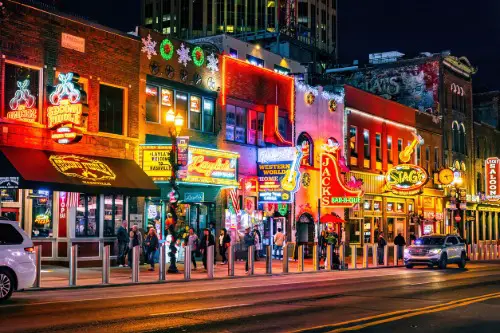
Nashville was once known for its deep-rooted music culture. Party tourism transformed downtown into a nonstop bachelor and bachelorette destination. Broadway filled with themed bars and rooftop venues. Local musicians increasingly struggled to afford living nearby.
Tourism dollars flowed, but culture shifted. Neighborhoods near downtown changed rapidly. Longtime residents voiced concerns about noise and displacement. The city’s soul feels diluted to some.
11. Aspen, Colorado
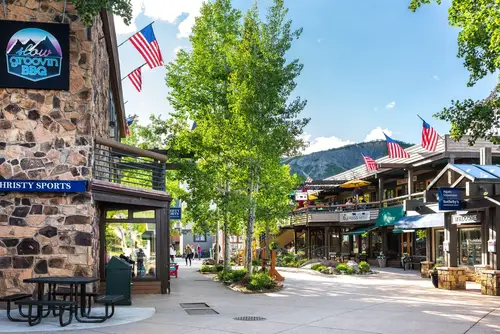
Aspen started as a ski town with a strong local community. Luxury tourism and second-home ownership changed its demographic makeup. Property prices soared beyond reach for most workers. Many essential employees now commute long distances.
The town leaned heavily into exclusivity. Local character gave way to high-end branding. Seasonal crowds dominate public spaces. Aspen remains scenic, but less accessible.
12. Jackson, Wyoming
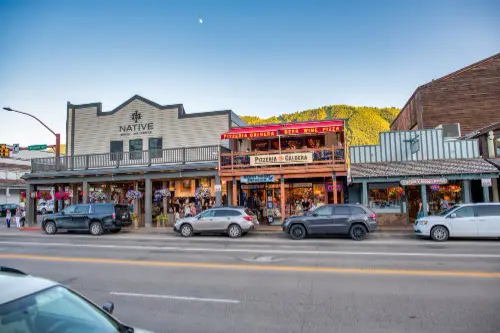
Jackson grew as a gateway to Yellowstone and Grand Teton National Parks. Tourism demand drove rapid development and rising home prices. Wealthy buyers reshaped the housing market. Service workers were pushed farther from town.
The community became economically polarized. Traffic increased dramatically during summer months. Infrastructure lagged behind visitor growth. Jackson’s charm now feels strained.
13. New Orleans, Louisiana
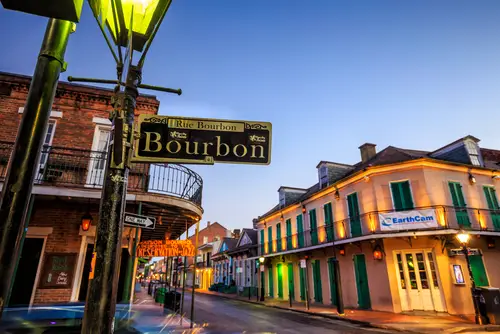
New Orleans has always welcomed visitors, but volume changed the equation. Short-term rentals reshaped historic neighborhoods. Bourbon Street tourism overshadowed local culture and traditions. Longtime residents left as rents climbed.
The city leaned into party branding. Infrastructure struggled to keep up. Cultural authenticity felt commodified. The magic is still there, but harder to find.
14. Myrtle Beach, South Carolina
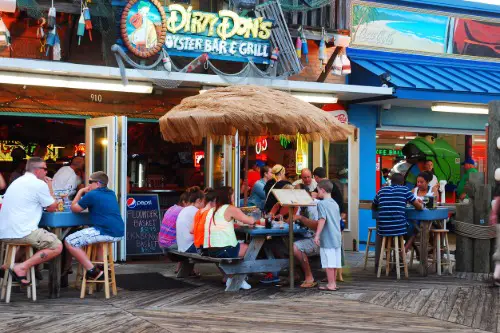
Myrtle Beach was once a relaxed coastal vacation town. Development focused on high-rise hotels and mass tourism. Natural dunes gave way to dense beachfront construction. Seasonal crowds overwhelmed roads and public services.
The area became dependent on peak tourism cycles. Environmental concerns increased over time. Local identity faded behind attractions. The beach remains, but the charm changed.
15. Times Square, New York City
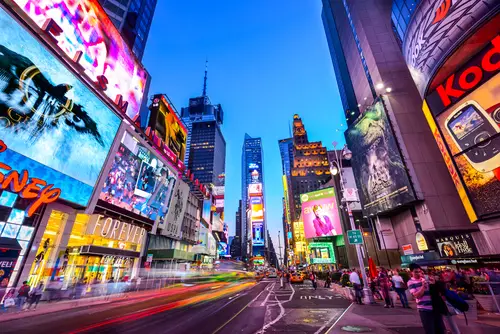
Times Square was once gritty, chaotic, and culturally influential. Redevelopment targeted family-friendly tourism and corporate branding. Chain stores and digital billboards replaced independent businesses. The area became heavily policed and sanitized.
Tourism dominates nearly every square foot. Locals largely avoid it. The transformation was economically successful but culturally flattening. Its edge disappeared along with its charm.
This post 15 Tourist Towns That Lost Their Charm Trying to Exploit It was first published on American Charm.