
1. Hersheypark, Pennsylvania (Temporary Closure During Renovation)
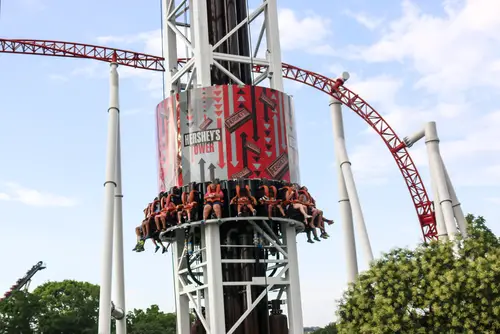
Hersheypark has been an iconic destination for chocolate lovers and thrill-seekers alike. When parts of the park temporarily closed for renovations, the surrounding Hershey community felt the pinch immediately. Hotels, restaurants, and local shops reported fewer visitors and dwindling revenue during the off-season. The park is such a staple that even a short closure ripples through the entire local economy.
Beyond the economic blow, local workers were also affected. Seasonal employment opportunities disappeared, leaving teens and college students scrambling for summer jobs. Tour operators and local attractions nearby had to adjust their marketing and operations to account for fewer guests. For a town that lives and breathes chocolate tourism, even a short closure was significant.
2. Six Flags New Orleans, Louisiana
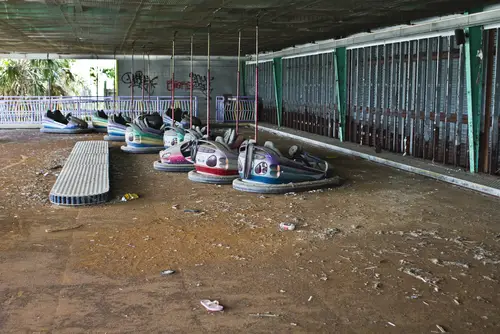
Six Flags New Orleans was a major draw before Hurricane Katrina hit in 2005. When the storm devastated the park, it never reopened, leaving New Orleans East without a major amusement attraction. The local economy suffered as hotels and restaurants that relied on park visitors lost a steady income source. The abandoned park also became a symbol of lost opportunity and urban blight.
Residents often tell stories of the jobs they once had at the park. Those seasonal employment opportunities vanished overnight, creating economic hardship. Neighborhoods that relied on park traffic for foot traffic saw small businesses shutter. The park’s closure also dampened tourism diversity in the city, reducing options beyond the French Quarter.
3. The Hershey Story Museum, Pennsylvania
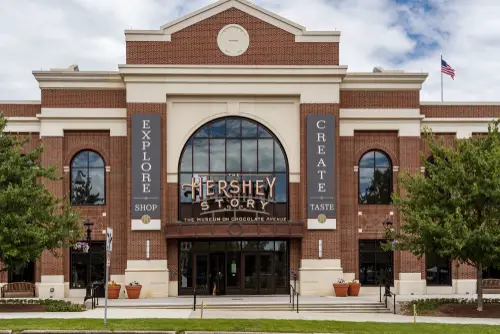
The Hershey Story Museum offered a rich dive into the history of Milton Hershey and his chocolate empire. When it temporarily closed for renovations, local guides, cafes, and gift shops noticed fewer visitors in town. People who made day trips to learn about Hershey’s legacy stayed away. It may not have the roller coasters, but the museum was a cornerstone of cultural tourism.
Without the steady stream of educational visitors, schools and tour buses also rerouted. Educators and families who planned trips for learning experiences had to choose other destinations. Local hotels and diners lost the smaller, consistent crowd that kept them afloat. Even cultural tourism plays a pivotal role in Hershey, and the museum’s downtime affected everyone.
4. Discovery Island, Florida
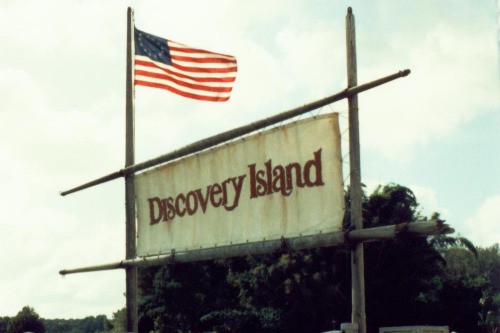
Discovery Island at Walt Disney World was once a beloved wildlife sanctuary. Its closure in 1999 left both tourists and locals disappointed, as Disney shifted focus to other projects. Tour companies that offered boat trips or animal-viewing excursions suddenly had fewer attractions to sell. Local souvenir shops and nearby hotels also experienced a drop in families seeking wildlife experiences.
Employees who worked closely with exotic animals had to transition to other positions or leave the area. For a town that thrived on Disney tourism, losing even a small, unique attraction created a noticeable ripple. Families who visited annually for a “wildlife day” now had one less reason to return. It highlighted how even niche attractions can anchor a community’s tourist economy.
5. Old Car City, Georgia
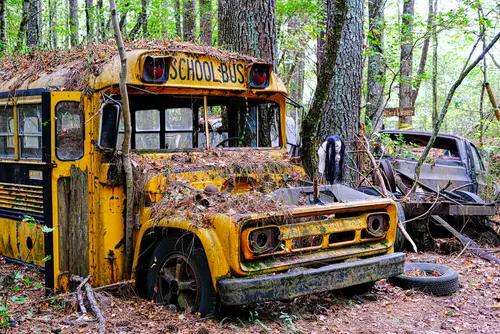
Old Car City was more than a junkyard; it was a nostalgic playground for car enthusiasts. When the site faced temporary closure, the local economy felt the effects immediately. Tourists traveling from across the country canceled trips, affecting lodging and dining in White, Georgia. Photography tours and car clubs, which formed the backbone of visitor traffic, had to reschedule or leave entirely.
Local artisans and sellers who thrived on the influx of tourists were hit hard. The unique draw of classic American cars brought steady revenue, and its absence was glaring. Schools and workshops that relied on visits from car fans also paused activities. The closure reminded the town that a single quirky attraction can hold surprising economic weight.
6. Old Orchard Beach Pier, Maine

The Old Orchard Beach Pier is central to Maine’s summer tourism. When storm damage forced it to close, the effect on local businesses was immediate. Restaurants, arcades, and hotels that rely on seasonal foot traffic saw a drastic decline. Summer, which should be the peak season, suddenly felt like the quiet off-season.
Fishermen and boat tour operators who docked near the pier also experienced fewer customers. Families who had planned trips to the beach for games, food, and entertainment found alternatives. Local festivals and events tied to pier activity lost some of their charm and draw. The closure showed how a single piece of infrastructure can impact an entire coastal town.
7. Pontchartrain Beach, Louisiana
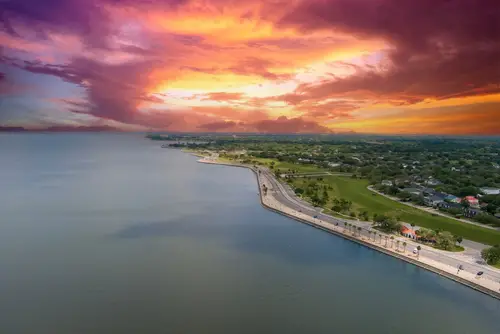
Pontchartrain Beach was a popular amusement park on Lake Pontchartrain’s shore. Its closure in 1983 left a major gap in New Orleans-area entertainment. Families who relied on summer outings there had fewer options, and the local economy lost a steady source of tourism revenue. Nearby businesses, particularly those offering food and souvenirs, saw noticeable declines.
The park’s disappearance also affected jobs. Teens and young adults lost seasonal employment, creating gaps in income during critical summer months. Tour buses that previously included the park in itineraries had to find new stops. For a town with a rich cultural scene, losing one of its main amusement draws left a palpable void.
8. Spreepark, Texas
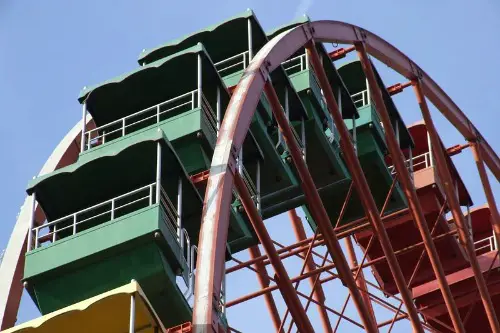
Spreepark, once an ambitious amusement park, struggled with management and maintenance issues. Its closure not only disappointed families but also left local vendors and employees without consistent work. Seasonal businesses that depended on park traffic saw income disappear. The park’s iconic rides had become a symbol of family summer fun, and their absence was deeply felt.
Local hotels reported fewer bookings as weekend traffic dropped. Tour operators who included the park in their itineraries had to restructure trips. Residents who grew up visiting the park felt a cultural and nostalgic loss as well. The economic and emotional impact underscored how intertwined tourism and community identity can be.
9. Six Flags America, Maryland
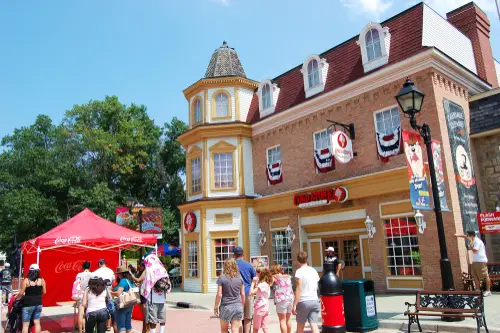
Six Flags America, located in Prince George’s County, Maryland, has been a staple of the local amusement scene for decades. However, the park is set to permanently close on November 2, 2025, as part of Six Flags’ strategic overhaul. This decision has left the community grappling with the loss of a significant entertainment venue. The closure will result in the loss of 70 full-time and 700 seasonal jobs, impacting many families who relied on employment during peak seasons.
Beyond employment, the park’s closure has broader economic implications for the area. Local businesses, including hotels, restaurants, and retailers, have experienced a decline in patronage, as the park attracted visitors from surrounding regions. The absence of the park during peak tourist seasons has led to reduced revenue for these establishments. Additionally, community events and programs that once utilized the park’s facilities are now seeking alternative venues, further straining local resources.
10. Opryland USA, Tennessee
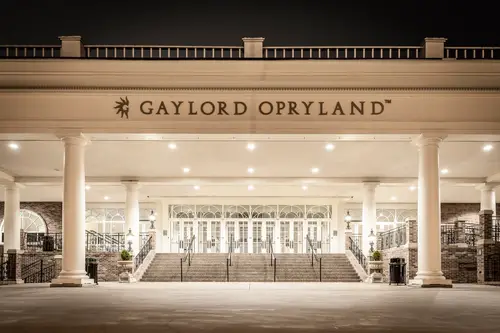
Opryland USA in Nashville was a cultural icon with live music, rides, and a massive indoor garden. Its closure in 1997 left an economic and emotional gap in the community. Hotels, restaurants, and souvenir shops that thrived on visitor spending were suddenly without a primary draw. Fans of country music and families alike felt the loss immediately.
The local workforce suffered as well. Seasonal and permanent employees faced layoffs or relocations. Tourism operators had to reroute itineraries and marketing strategies. Nashville’s economy, which relied on a blend of music and theme park tourism, felt the effects long after the gates closed.
11. Action Park, New Jersey
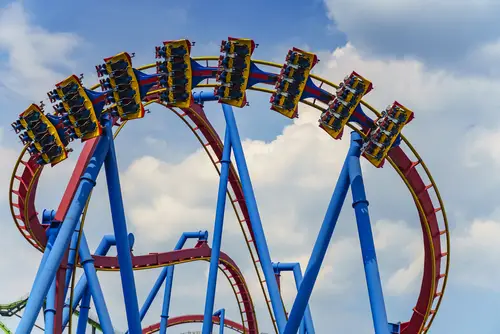
Action Park was legendary for extreme water slides and rides. When it closed due to safety concerns in 1996, the local community experienced a sharp drop in summer tourism. Hotels and motels that once filled every weekend saw cancellations. The park had become an adrenaline tourism hub, and its closure left a gap.
Local businesses that sold snacks, gear, and souvenirs struggled without the visitor base. Lifeguards and seasonal staff lost key employment opportunities. Families who planned vacations around the park had to change plans, affecting secondary revenue streams. Even today, the town recalls the economic impact of losing such a high-energy attraction.
12. Santa’s Village, California
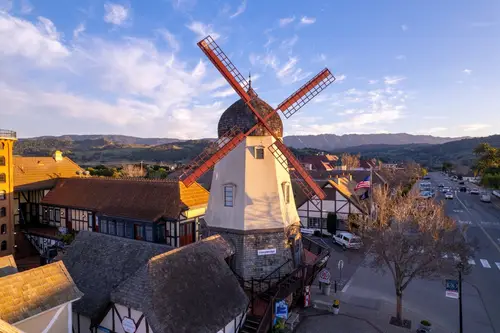
Santa’s Village was a festive destination for families during the holiday season. Its closure impacted not only entertainment revenue but also seasonal jobs. Hotels and local restaurants experienced fewer holiday visitors, and community events that depended on park traffic lost support. For a small town, this winter attraction was a crucial economic driver.
Local artisans and vendors who depended on the seasonal rush saw their sales drop. Families who traveled for holiday experiences sought alternatives, often leaving the area entirely. The park’s absence left both a cultural and financial void in the town. Santa’s Village demonstrated how even seasonal attractions could hold significant sway over a community’s economy.
13. Dogpatch USA, Arkansas
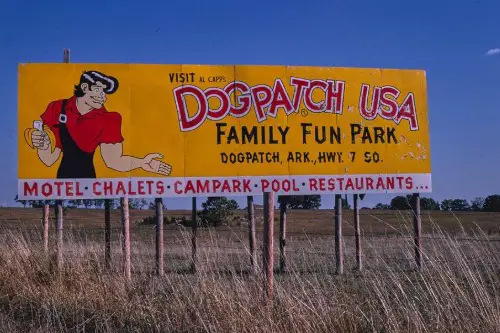
Dogpatch USA was a quirky, hillbilly-themed amusement park nestled in the Ozark Mountains. When it shut down in 1993, the town of Marble Falls lost its primary tourism engine. Families who once flocked to see live shows and rustic rides stopped visiting altogether. Hotels and restaurants that catered to the park’s crowd closed their doors within a few years.
Locals who relied on seasonal jobs at the park found themselves suddenly unemployed. Craft vendors and roadside shops selling souvenirs saw their incomes plummet. The closure also erased a piece of cultural identity that tied the town to the region’s folk heritage. For many residents, Dogpatch’s disappearance symbolized the fading of small, offbeat attractions.
14. Ghost Town in the Sky, North Carolina
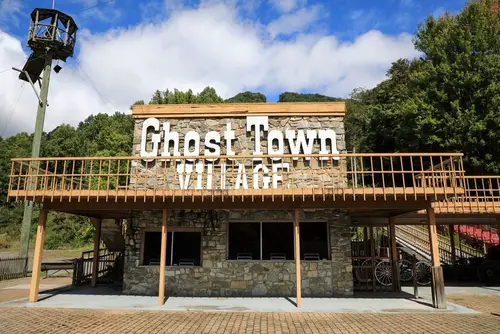
Ghost Town in the Sky was a Wild West-themed park perched atop a mountain in Maggie Valley. Its closure in 2009 hit the local economy hard, leaving hotels and motels with empty rooms. Families who once rode the chairlift to the top stopped booking vacations in the region. The community quickly realized how dependent it had become on the park’s seasonal visitors.
For workers, the closure meant scrambling to find other opportunities in an already limited job market. Local diners, souvenir stands, and gas stations reported steep declines in business. Festivals that relied on the town’s steady tourist flow lost much of their attendance. The absence of the park left Maggie Valley struggling to maintain its status as a mountain getaway.
15. Pleasure Island, Massachusetts
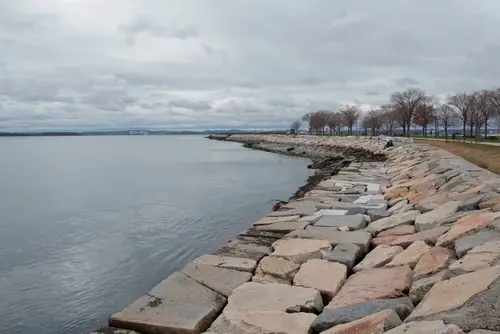
Pleasure Island in Wakefield was a 1960s amusement park often called the “Disneyland of the Northeast.” When it closed in 1969 after just a decade, the local economy took a hit. Restaurants and lodgings near the site lost traffic almost overnight. The sudden void reminded residents how fragile tourism-driven growth can be.
Former employees recalled the closure as a turning point, with many forced to leave town in search of new jobs. The community lost not only its primary draw but also a unique cultural landmark. Businesses that had invested heavily in catering to out-of-town visitors saw their revenue collapse. The closure left a long-lasting imprint on Wakefield’s local identity.
16. Frontier Town, New York
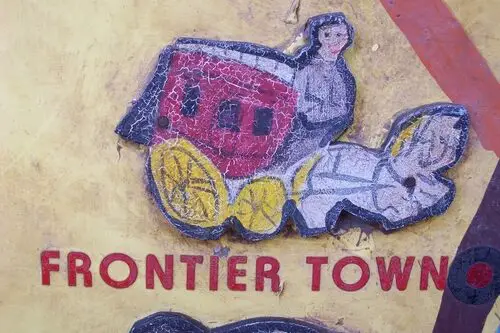
Frontier Town was a cowboy-themed attraction in the Adirondacks that entertained families for decades. Its 1998 closure devastated local shops and motels that thrived on summer crowds. Families who once returned year after year to see staged gunfights and frontier shows no longer came. The region lost a sense of tradition tied to generations of vacationers.
Employees, many of whom spent summers working at the park, faced abrupt job loss. Tour buses that once stopped regularly in North Hudson rerouted to larger, more modern attractions. Small towns nearby lost vital tax revenue from the tourism economy. Even today, residents look back at Frontier Town as a symbol of the area’s lost tourism boom.
17. Marine World Africa USA, California
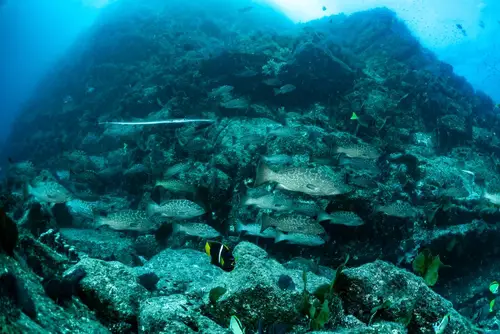
Marine World Africa USA in Redwood Shores was once a celebrated combination of theme park and animal attraction. When it closed in 1986 and relocated, the surrounding community lost a unique source of tourism revenue. Hotels and restaurants nearby saw fewer families checking in for weekend trips. Small shops that sold animal-themed souvenirs also struggled to stay afloat.
Former employees were forced to commute long distances or leave the region to continue in the tourism industry. The sudden absence of animal shows and rides also reduced the cultural diversity of attractions in the Bay Area. For a community that had proudly hosted a one-of-a-kind park, the closure left a cultural and financial gap. The site’s redevelopment could never fully replace what was lost.
18. Chippewa Lake Park, Ohio
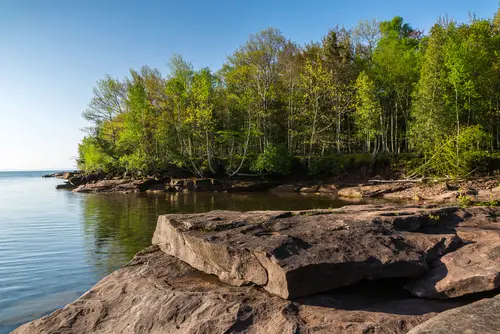
Chippewa Lake Park operated for over a century before finally closing in 1978. Its disappearance left Medina County without its central tourist draw. Families who once filled local cabins and hotels stopped returning. Businesses built to cater to summer visitors saw profits vanish almost immediately.
The loss of the park also meant the loss of seasonal work for young people in the region. Festivals and events tied to the park’s popularity dwindled, reducing tourism diversity. Residents felt the sting of losing both jobs and a beloved local institution. For decades, the site remained abandoned, a haunting reminder of the economic fallout.
19. Joyland Amusement Park, Kansas
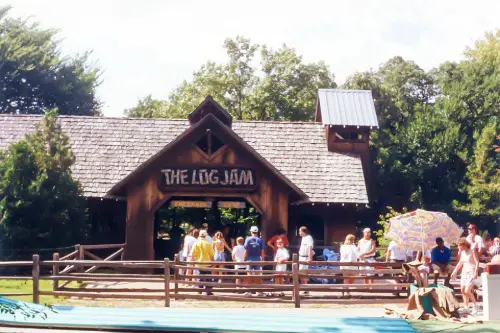
Joyland in Wichita was a beloved family-owned park that closed in 2004 after decades of operation. Its absence created a cultural and financial void for the city. Hotels and restaurants that thrived on families visiting the park saw fewer bookings. Local tourism struggled to replace the nostalgic pull Joyland had on Midwestern families.
Former employees and entertainers were forced to seek other work opportunities. Community groups that once held events at the park had to look elsewhere. Businesses that grew alongside Joyland faced immediate declines in sales. The park’s closure showed how even mid-sized cities can be shaken by the loss of a single attraction.
20. Magic Harbor, South Carolina
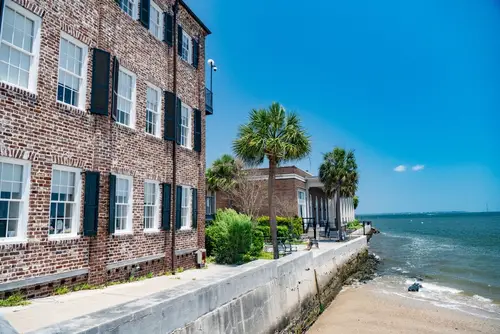
Magic Harbor in Myrtle Beach closed in 1995, ending years of family entertainment along the Grand Strand. Without the park, tourists shifted their attention to other beach attractions, leaving nearby hotels and diners struggling. The once-steady stream of families dwindled, and revenue losses hit hard. Businesses that had depended on the park’s steady crowd faced steep downturns.
Employees, from performers to maintenance crews, suddenly found themselves unemployed. Local vendors who relied on park-goers for sales saw business evaporate. The closure also meant the loss of a unique identity for the area’s tourism, which had relied on both beaches and theme parks. Residents still recall the shutdown as a moment when the community lost part of its character.
This post 20 Tourist Spots That Shut Down and Left Whole Towns Stranded was first published on American Charm.

