
1. Orlando, Florida
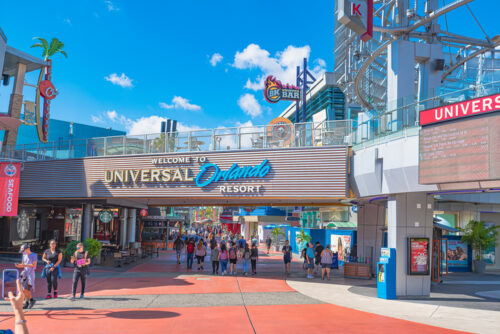
Orlando grew from an agricultural region into a tourism giant built around theme parks and conventions. Visitor spending funded roads, airports, and rapid population growth across Central Florida. But the economy became dominated by low-wage hospitality work with limited upward mobility. That imbalance left many residents financially exposed.
When theme parks closed or reduced capacity, job losses spread quickly beyond tourism itself. Housing prices rose sharply due to population growth and short-term rentals. Local wages struggled to keep pace with rent increases. Tourism revived the city, but it also locked many workers into economic precarity.
2. Las Vegas, Nevada
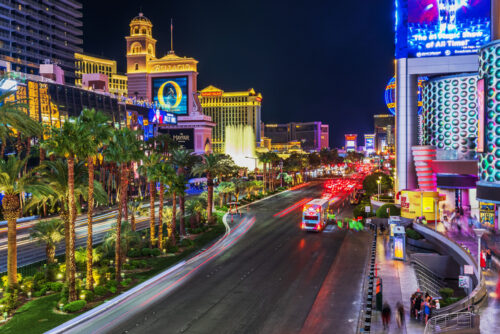
Las Vegas is the clearest example of tourism transforming a regional economy almost overnight. Casinos, conventions, and entertainment turned a desert city into one of the most visited places in the country, generating massive tax revenue and service-sector jobs. That success, however, made the city dangerously dependent on constant visitor flow. When tourism slows, there’s very little economic buffer.
During recessions and the pandemic, hotel closures and canceled conventions led to widespread layoffs. Housing costs continued rising even as incomes became less stable. Many service workers were priced out of the city they power. Las Vegas repeatedly rebounds, but each recovery reinforces the same vulnerability.
3. New Orleans, Louisiana

Tourism helped New Orleans rebound after decades of economic stagnation and later after Hurricane Katrina. Festivals, food culture, and conventions brought money back into the city and supported small businesses. At the same time, tourism reshaped neighborhoods into visitor-centric zones. Longtime residents increasingly found themselves displaced.
Short-term rentals expanded rapidly, shrinking the supply of affordable housing. Service jobs dominated employment growth but rarely paid enough to match rising living costs. When tourism paused during COVID-19, unemployment surged. The city’s reliance on visitors exposed deep structural weaknesses.
4. Honolulu, Hawaii

Honolulu’s economy has long depended on tourism as its primary private-sector driver. Visitors support hotels, restaurants, retail, and inter-island transportation. Tourism revenue helped fund public services and infrastructure across Oahu. But dependence on outside visitors made the cost of living spiral upward.
Housing prices soared as vacation rentals and second homes proliferated. Many local workers were pushed into long commutes or multigenerational housing. When travel halted, unemployment spiked faster than in most mainland cities. Tourism sustained Honolulu, but it also deepened inequality and vulnerability.
5. San Francisco, California
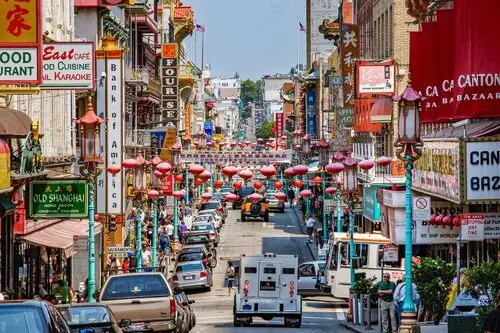
Tourism helped San Francisco recover after the decline of manufacturing and shipping. Visitors supported hotels, restaurants, retail corridors, and cultural institutions. Combined with tech growth, tourism fueled rapid economic expansion. But it also intensified pressure on housing and public space.
Hotel and short-term rental demand pushed rents higher across the city. Service workers struggled to live near their jobs. When tourism collapsed during the pandemic, downtown businesses shuttered. The city was left with high costs and fewer economic cushions.
6. Nashville, Tennessee
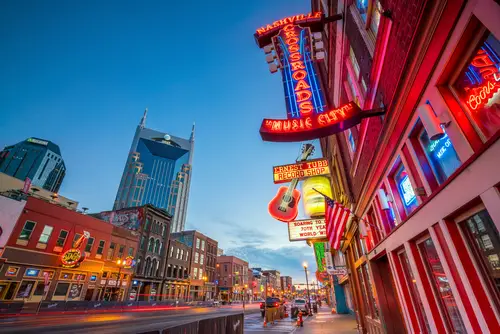
Nashville reinvented itself as a tourism destination centered on music, nightlife, and conventions. Tourism revenues helped diversify the economy and fund downtown development. The city attracted new residents and investment at a rapid pace. But growth came with steep trade-offs.
Short-term rentals expanded into residential neighborhoods. Housing prices climbed faster than local wages, especially for service workers. When tourism slowed, hospitality jobs vanished quickly. The city discovered that entertainment-driven growth can be both powerful and fragile.
7. Miami, Florida
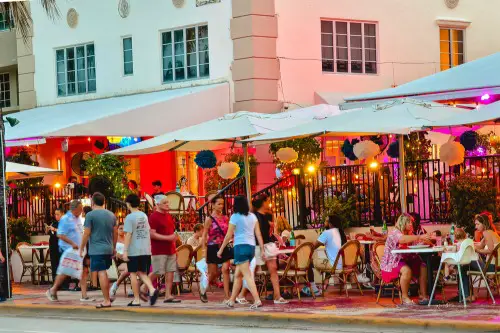
Miami leveraged beaches, nightlife, and international travel to fuel economic growth. Tourism brought global visibility and supported construction, hospitality, and retail jobs. The influx of visitors also attracted real estate investment. That investment, however, reshaped the city’s affordability.
Luxury development and short-term rentals squeezed local housing supply. Many tourism workers faced long commutes or unstable living situations. When international travel declined, job losses spread rapidly. Miami’s economy proved highly sensitive to visitor confidence.
8. Asheville, North Carolina
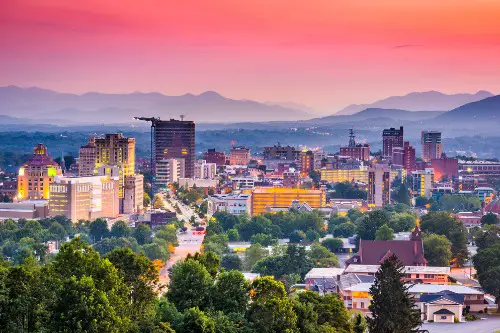
Asheville’s tourism boom revitalized a former industrial town in the Blue Ridge Mountains. Visitors drawn to breweries, arts, and outdoor recreation fueled small business growth. Tourism replaced lost manufacturing jobs and boosted tax revenue. But it also changed the city’s housing dynamics.
Vacation rentals expanded faster than residential construction. Service workers struggled to find affordable housing near the city center. When tourism dipped, businesses closed and layoffs followed. Asheville’s charm became both its economic engine and its biggest strain.
9. Savannah, Georgia
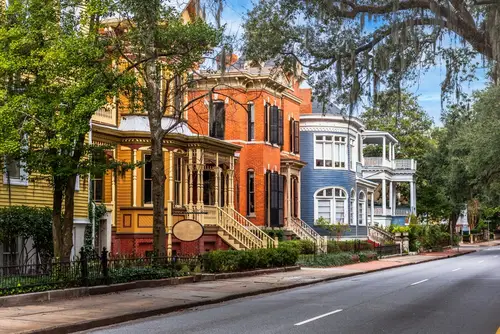
Savannah used historic preservation and tourism to revive its downtown economy. Visitors supported hotels, tours, restaurants, and preservation efforts. Tourism brought national attention and steady revenue streams. But it also altered who could afford to live in the city.
Short-term rentals spread into historic neighborhoods. Rents rose while service-sector wages remained modest. During downturns, tourism-dependent jobs disappeared quickly. The city’s economic revival proved uneven and fragile.
10. Sedona, Arizona

Sedona transformed from a quiet desert town into a high-end tourism destination. Visitors drawn by red rock scenery supported hotels, spas, and tour companies. Tourism became the dominant economic driver in the area. That dominance came with serious housing consequences.
Home prices surged as second homes and vacation rentals expanded. Local workers struggled to live anywhere near their jobs. When visitor numbers fluctuate, employment becomes unstable. Sedona’s economy thrives on beauty but lacks balance.
11. Key West, Florida
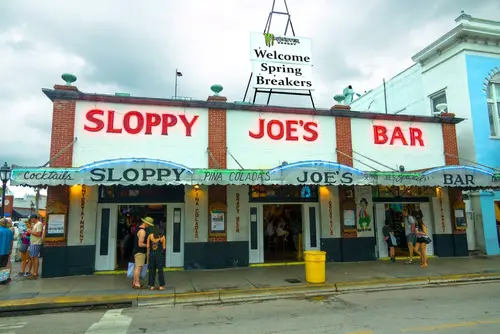
Key West relies heavily on tourism tied to cruises, nightlife, and coastal recreation. Visitor spending supports most of the local economy. Tourism helped offset the loss of military and maritime industries. But it also made the island extremely expensive.
Housing shortages worsened as vacation rentals expanded. Workers often commute long distances from the mainland. When cruises stopped, unemployment surged almost instantly. The island’s isolation magnified tourism’s risks.
12. Park City, Utah

Park City reinvented itself as a ski and festival destination after mining declined. Tourism created jobs and sustained local businesses year-round. Events like Sundance brought global attention. But prosperity came with severe affordability challenges.
Housing prices climbed beyond what service workers could afford. Many employees commute from far outside the city. When tourism slows, seasonal employment disappears. Park City’s success priced out much of its workforce.
13. Branson, Missouri
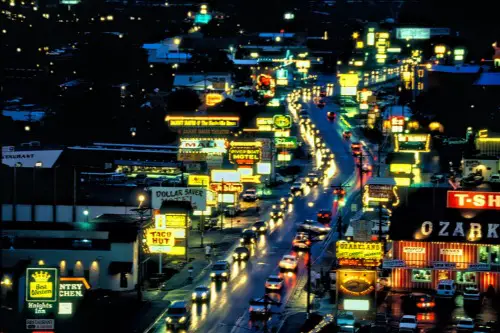
Branson built an economy around family-friendly entertainment and live shows. Tourism replaced declining regional industries and stabilized local employment. The city became a major draw for domestic travelers. But its economic base remained narrow.
Jobs were largely seasonal and low-wage. When travel demand dropped, layoffs followed quickly. Few alternative industries existed to absorb displaced workers. Tourism revived Branson, but never diversified it.
14. Atlantic City, New Jersey
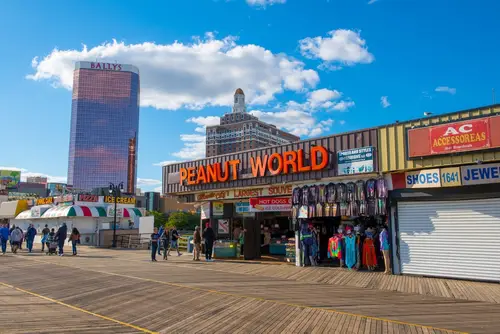
Atlantic City turned to casino tourism to replace lost manufacturing and port activity. Gambling revenue funded jobs and public services for decades. The city became a major East Coast destination. Over time, competition exposed its vulnerability.
Casino closures led to mass layoffs and declining tax revenue. Housing and infrastructure suffered as investment pulled back. Tourism alone couldn’t sustain long-term stability. The city’s recovery proved cyclical and incomplete.
15. Gatlinburg, Tennessee
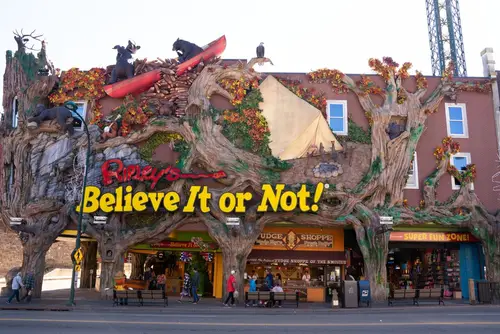
Gatlinburg’s economy revolves almost entirely around tourism to the Great Smoky Mountains. Visitor spending supports hotels, attractions, and retail. Tourism brought prosperity to a previously isolated area. But dependence on visitors created extreme risk.
Wildfires and pandemic shutdowns devastated local employment. Housing affordability declined as short-term rentals expanded. Few alternative industries exist nearby. When tourism falters, the economy has nowhere else to turn.
This post Tourism Fixed the Economy in These Cities—and Then Broke It Again was first published on American Charm.

