
1. The Landline Phone in the Kitchen

There was a time when every household had a landline phone mounted on the wall, usually in the kitchen with a cord stretched halfway across the room. It was the communication hub for the whole family, and everyone memorized important phone numbers because there was no digital contact list. Long-distance calls were expensive, so conversations were quick and purposeful. Caller ID wasn’t standard at first, which made answering the phone a small act of suspense.
Now most homes don’t have a landline at all because smartphones replaced the need entirely. Mobile plans became cheaper and more flexible, making a separate home phone feel redundant. Emergency services once encouraged landlines for reliability, but cellular coverage has improved enough to close much of that gap. As a result, the once-essential kitchen phone has mostly disappeared from modern homes.
2. Printed Phone Books
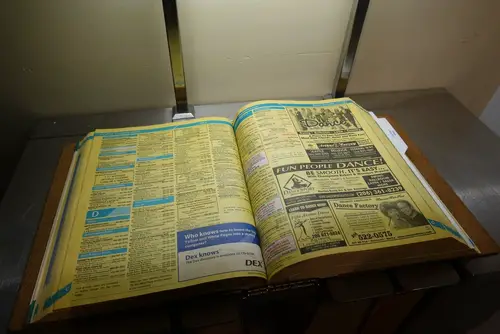
Thick printed phone books used to land on every doorstep once or twice a year. The White Pages listed residential numbers, and the Yellow Pages helped people find local businesses fast. If you needed a plumber or a pizza place, you flipped through paper instead of searching online. They were so common that many homes reused them as booster seats or doorstops.
Today, printed directories have nearly vanished because search engines and map apps are faster and constantly updated. Most major publishers stopped mass residential delivery in the 2010s as advertising revenue collapsed. Environmental concerns also made millions of unwanted books hard to justify. For most families, looking up a number now means typing a name into a phone.
3. Encyclopedias on the Living Room Shelf

Owning a full encyclopedia set once felt like a badge of seriousness for families. The volumes usually lived on a prominent shelf, ready for homework help or random curiosity. Kids learned how to research by flipping pages and following cross-references. Sets were expensive, but parents saw them as an investment in education.
Digital information changed everything once reliable home internet became widespread. Online encyclopedias update instantly instead of waiting years for a new edition. Even historic publishers like Encyclopædia Britannica ended their print editions in 2012. Today, physical sets are more likely to be décor than daily reference tools.
4. The Family TV Guide on the Coffee Table
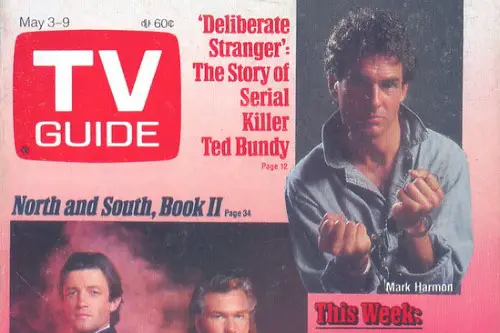
Weekly TV listings used to be essential because there was no on-screen program guide. Families planned their evenings by circling shows and penciling in reminders. It was common to argue over what to watch while flipping through thin, staple-bound pages. The magazine became part of the living room routine.
Cable boxes and streaming menus made printed listings unnecessary. Interactive guides show schedules instantly and update in real time. The long-running magazine TV Guide still exists, but it shifted focus away from detailed grids. Most viewers now discover shows through apps and recommendations instead of paper schedules.
5. VCRs and Stacks of VHS Tapes
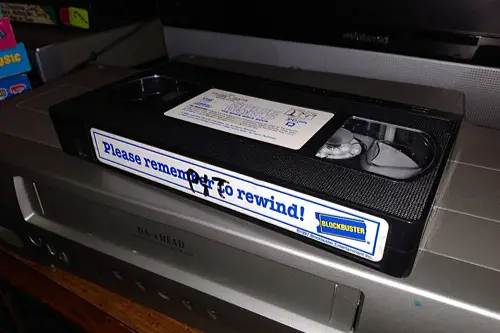
Movie nights once meant sliding a VHS cassette into a VCR and waiting for the tape to rewind. Families built personal libraries of bulky plastic cases that took up entire shelves. Recording shows required blank tapes and careful timer settings. If someone taped over your program, it was a genuine household crisis.
DVDs offered better quality and easier navigation, and streaming eventually removed physical media altogether. Tapes degraded over time, which made them less practical for long-term use. Rental chains like Blockbuster collapsed as on-demand viewing took over. Today, VCRs are mostly nostalgia pieces or collectors’ items.
6. Film Cameras and Photo Development Envelopes

Taking photos once meant using film rolls with a limited number of exposures. You couldn’t see results instantly, so every shot felt more deliberate. Finished rolls went to a store for development, often taking days to process. Families stored glossy prints in albums and shoeboxes.
Digital cameras and smartphones made photography immediate and essentially limitless. Editing tools replaced darkrooms and chemical processing. Film brands like Kodak shrank dramatically after digital imaging surged in the 2000s. While film still has enthusiasts, most households rely entirely on digital photos.
7. The Big Console Stereo System
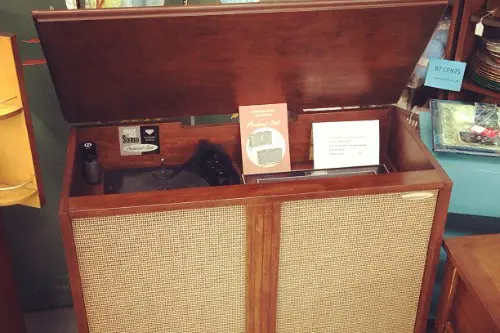
Large stereo consoles were once centerpieces of living rooms. They combined a record player, radio, and big speakers in one heavy wooden cabinet. Families gathered to play vinyl records, often listening to full albums straight through. Sound systems were furniture as much as electronics.
Compact speakers and wireless audio changed how people listen to music at home. Streaming services removed the need for physical media storage. Minimalist design trends also favored smaller, less bulky devices. Today’s home audio is powerful but far less visible.
8. Rolodexes for Contacts
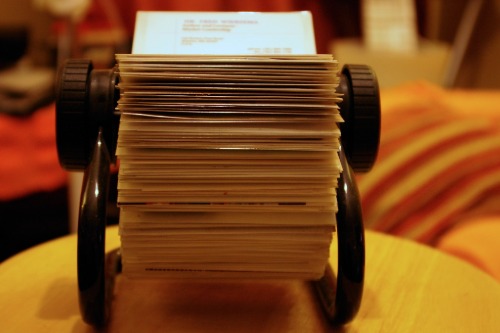
Before digital address books, contact information lived on rotating index card systems. You flipped through alphabetized tabs to find phone numbers and addresses. Updating details meant rewriting cards by hand. Offices and home desks almost always had one within reach.
Computers and smartphones centralized contacts and sync them automatically. Cloud storage keeps information backed up and searchable instantly. The tactile card system became slower than typing a name into a screen. Now the once-iconic desk accessory is largely obsolete.
9. The Household Fax Machine
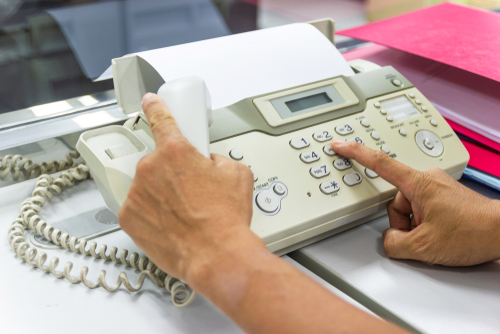
Fax machines were once standard in home offices and even some kitchens. They sent documents over phone lines, which felt incredibly advanced at the time. Important forms like contracts and medical paperwork often required faxing. The distinctive screeching dial tones became instantly recognizable.
Email attachments and secure web portals replaced most fax use. Digital signatures removed the need to print and resend paperwork. Maintaining a dedicated phone line for one device became impractical. Today, faxing survives mostly in specific industries rather than homes.
10. Door-to-Door Sales Catalogs
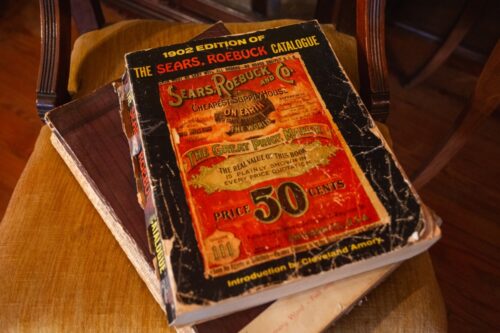
Mail-order catalogs once shaped how families shopped from home. Thick seasonal editions showcased everything from clothes to appliances. People filled out order forms and mailed them with checks. Waiting weeks for delivery was normal.
Major retailers shifted online as e-commerce became faster and cheaper. Printing and mailing huge books grew expensive and less effective. Historic giants like Sears scaled back their famous catalogs after dominating the 20th century. Now browsing happens on screens with instant checkout.
11. Tupperware-Style Home Parties
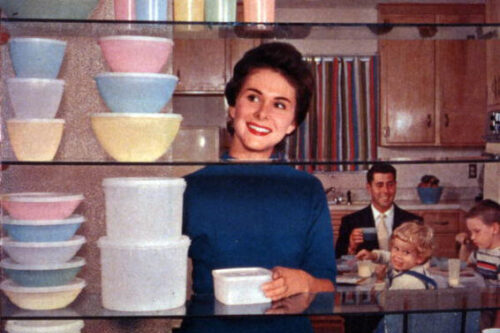
Home sales parties turned living rooms into temporary showrooms. Friends gathered to socialize while a host demonstrated kitchen gadgets and storage containers. It blended shopping with community in a pre-social-media world. Many households owned stacks of matching plastic containers from these events.
Online retail and social platforms replaced the need for in-person sales networks. Scheduling gatherings became harder as work hours and routines changed. Direct-sales brands like Tupperware struggled as buying habits moved online. The social shopping tradition still exists, but it’s far less common in everyday homes.
This post This Used to Be Normal in Every American Home — Now It’s Almost Gone was first published on American Charm.