
1. Caring About Retirement, Nervously
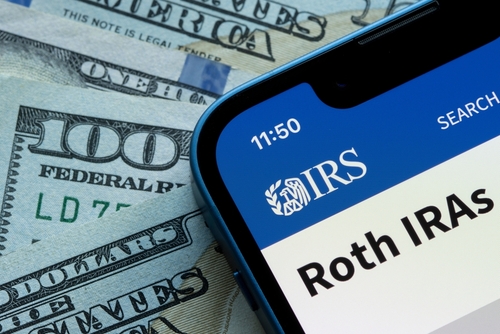
Middle-class Americans try to save for retirement through 401(k)s, IRAs, or employer plans. Progress is steady but often slower than ideal due to current living expenses. They worry about market volatility and whether contributions will be enough. Retirement planning is a source of pride and stress simultaneously.
This group often reads financial blogs or consults advisors, balancing optimism with caution. They may delay big purchases or vacations to protect retirement savings. The middle-class approach to retirement is disciplined but never entirely relaxed. It embodies a cautious hope for future stability.
2. Driving Reliable, Older Cars

Most middle-class families own cars that are functional, not flashy. Think mid-2010s sedans or SUVs, cars that get the job done without drawing attention. Car payments are often a serious line item in monthly budgets, and repairs can hit hard if unplanned. There’s pride in reliability, but there’s also a quiet anxiety about breakdowns.
Gas prices, insurance, and maintenance costs are a constant concern, so families carefully budget around them. Many people shop for fuel efficiency or look for deals rather than new models. Road trips are possible, but the car is more about necessity than luxury. This car culture reflects a middle-class practicality that prioritizes function over status.
3. Streaming Over Cable
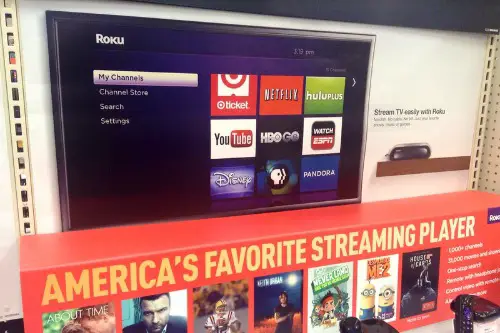
Cable TV subscriptions are declining, replaced by a mix of Netflix, Hulu, Disney+, and other streaming services. Middle-class households still consume a lot of media, but they’re cost-conscious and selective. They want entertainment but not at the expense of their budgets. The variety of streaming options means middle-class families are paying for many small subscriptions rather than one big package.
Streaming also represents a subtle shift in lifestyle: evenings at home instead of expensive outings. Binge-watching is a social norm in these households, and kids often dictate the content. Even with multiple subscriptions, people negotiate to avoid overpaying. It’s a clear example of balancing enjoyment with financial responsibility.
4. Grocery Shopping with Coupons

Middle-class families shop at chain supermarkets but are careful with spending. Coupons, loyalty apps, and weekly specials are part of their routine. They are focused on buying what’s needed while avoiding waste. Even with a comfortable income, thriftiness is a middle-class hallmark.
Meal planning is common to avoid overspending or frequent takeout. Fresh produce is prioritized but often supplemented with store brands to stretch the budget. Bulk buying is also a strategy to save money over time. This approach blends practicality with the desire for quality food.
5. Saving for College, Slowly

Many middle-class parents worry about higher education costs for their kids. 529 plans or regular savings accounts are common, but funds are often limited. They may hope for scholarships or grants but still contribute when they can. College is seen as essential but not guaranteed to be fully affordable.
This reality means middle-class families make tough choices—balancing their own retirement savings with their children’s education. Even incremental contributions feel like progress toward a long-term goal. Sacrifices may include fewer vacations or delayed home renovations. The effort reflects a deep commitment to upward mobility.
6. Holding Down Multiple Jobs

It’s increasingly common for middle-class adults to work more than one job. One might be a daytime office job while the other is evening gig work or freelance projects. This is often necessary to cover bills, healthcare costs, or savings goals. It’s a juggling act that can create stress but provides crucial financial breathing room.
Work-life balance is tricky, and family time may be compressed. Despite the pressure, middle-class workers often take pride in their resilience and adaptability. They value stability, but financial realities force flexibility. This underscores a reality often missed in discussions of the “comfortable” middle class.
7. Health Insurance Anxiety

Middle-class Americans often have employer-sponsored health insurance, but it’s rarely cheap or all-encompassing. Deductibles can be high, and out-of-pocket costs for unexpected illnesses can be shocking. Preventive care is accessible, but major procedures are a financial gamble. Families carefully weigh every medical decision against their budget.
Even with coverage, middle-class families often negotiate bills or use flexible spending accounts. Some may skip elective procedures to save money. Health-related stress is common, shaping daily decisions and long-term planning. It’s a reminder that middle-class security has limits, even with insurance.
8. Weekend Family Activities That Don’t Break the Bank

Middle-class families often prioritize quality family time but budget carefully. Parks, local museums, community events, and backyard barbecues are staples. Vacations, if affordable, are usually within driving distance. This lifestyle emphasizes experiences over extravagance.
These outings foster connection without creating debt. Parents track costs carefully to ensure everyone has fun responsibly. There’s creativity in stretching dollars, like picnics instead of expensive meals. It’s about making memories, not impressing others.
9. Gradual Tech Upgrades

Middle-class households own smartphones, laptops, and smart TVs, but upgrades are paced rather than impulsive. Devices are replaced when necessary, not just because a new model launches. Budgeting for technology is part of a larger financial plan. There’s pride in keeping up with tech, but cost-awareness prevails.
This careful approach often includes using warranties or refurbished items. Streaming devices and smart home gadgets may be added incrementally. Tech is integrated into daily life for work, school, and leisure. It reflects a balance between modern convenience and financial prudence.
10. Occasional Dining Out

Eating out is a treat rather than a regular habit for middle-class families. They may visit casual chains, coffee shops, or local diners, but expensive restaurants are rare. Dining out is often planned around special occasions or rewards. Food is enjoyment, but it’s always weighed against other expenses.
Meal prep at home dominates most weeks. Takeout is used sparingly to save time, not to indulge every craving. Families monitor costs carefully, often splitting meals or ordering strategically. It’s a small luxury that comes with conscious decision-making.
11. Living in Suburbia but Feeling the Squeeze
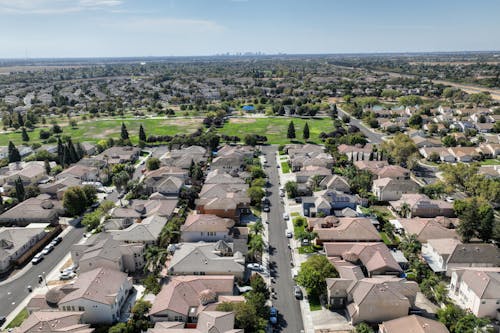
Many middle-class Americans still live in suburban neighborhoods, often in modest single-family homes or townhouses. These homes are usually mortgage-dependent, which means a sudden job loss can create real stress. They’ve got lawns, driveways, and sometimes even a garage, but unexpected expenses often loom. The feeling of “keeping up appearances” is real, especially when neighbors’ renovations or new cars come into view.
Despite owning a home, many families juggle multiple bills, like utilities, property taxes, and repairs. They may cut back on extras like dining out or vacations just to make the mortgage. Even with two incomes, financial surprises can feel overwhelming. This tension captures the duality of middle-class life: stability paired with constant vigilance.
This post This Is What “Middle Class” Looks Like in America Now was first published on American Charm.

