1. The Candy That Looked Like Cigarettes and Melted in Your Pocket
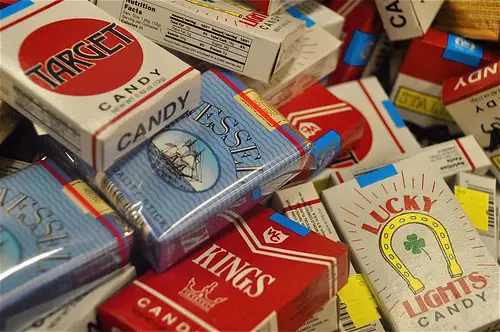
Candy cigarettes were everywhere mid-century, but there was a specific kind that didn’t just look like a cigarette—it oozed sugar when warmed up. The outer shell was powdery and white, with a red “lit” tip. But inside was a gooey center that melted if you kept it in your pocket too long. Sticky hands and angry moms were inevitable.
This version wasn’t as widespread as the chalky or chocolate kinds, so few people remember it. There are almost no photos, ads, or listings online for the goo-filled kind. But some regional candy makers did produce them as novelties in the ’60s. If your grandparents remember “realistic” candy smokes that ruined pants, it wasn’t just a sugar dream.
2. The Green Stamps Trading Post in Town
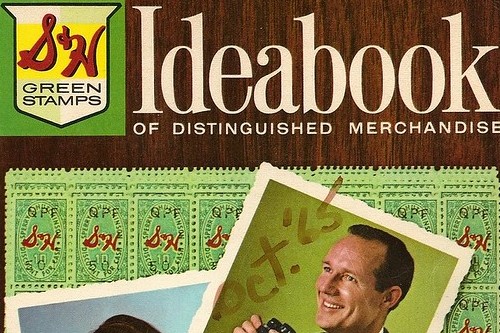
If your grandparents ever mentioned “going to the Green Stamps store,” they weren’t making it up—though it might feel like it now. S&H Green Stamps were once the most popular rewards program in the U.S., where shoppers collected stamps from grocery stores and gas stations to redeem for catalog items. But some towns had actual brick-and-mortar trading posts where folks would pick up toasters, lamps, or luggage. These storefronts were real, but few photos or official records of the smaller ones exist online.
Despite the popularity, most of these stores quietly vanished in the late 1980s as the stamp program declined. Local newspapers sometimes mentioned them, but documentation was usually limited to the catalog listings. Unless someone took family photos there, it’s hard to prove these shops were ever in your area. Your grandparents aren’t misremembering—they just lived through a pre-Google era of retail.
3. The Ice Cream Man with the Monkey

In some towns during the 1950s and ’60s, ice cream trucks were more than just vehicles—they were mobile sideshows. Grandparents often swear there was a man who sold popsicles while a capuchin monkey danced on top of the truck or collected money in a little cup. It sounds made up, but this was a real gimmick in some places, especially in the South and Midwest. However, it was rarely documented and certainly not standardized.
These monkeys were sometimes used to draw crowds, especially at carnivals or pop-up neighborhood events. But because this practice faded out quickly—partly due to animal rights concerns—it never got widespread media attention. It lived mostly in local memory, not in history books or internet archives. So when Nana insists the monkey was real, believe her—it just wasn’t Instagram-worthy at the time.
4. The Jell-O Dessert Recipe That Glowed Under Black Light
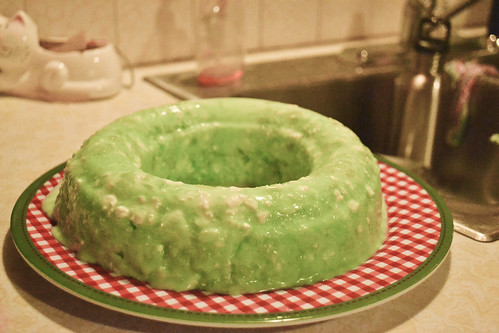
If Grandma ever talked about a “party Jell-O” that glowed in the dark, she wasn’t crazy. In the 1960s and ’70s, some people experimented with tonic water (which contains quinine) in Jell-O molds for parties. Under black light, the quinine would cause the gelatin to glow with a weird blue hue. It was popular at psychedelic parties and college gatherings.
The problem? Recipes like this were shared at Tupperware parties or in neighborhood newsletters—not cookbooks. The result is that very few “glow Jell-O” recipes ever made it to official publication or online databases. So while it might sound like something out of a rave, this was a real, if fleeting, culinary trend.
5. The Toy from the Gas Station with the Wings That Never Flew
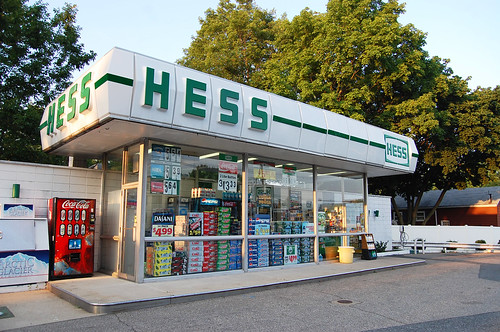
Grandpa might recall begging for a toy from a gas station—usually free with a fill-up—that had cardboard wings and a plastic nose cone. It was supposed to fly when thrown like a paper airplane but never really worked. Still, it was the toy of the moment, often branded with oil company logos like Texaco or Gulf. They were handed out in the ’60s and ’70s as promotions.
Because they were cheaply made and not meant to last, almost none of these toys survived. Most kids broke them within hours, and the rest were lost to time and basements. No surprise, then, that you can’t find much about them online. They existed, they just weren’t worth photographing or remembering—except by the kids who played with them.
6. The Kids’ TV Host Who Also Worked at the Hardware Store
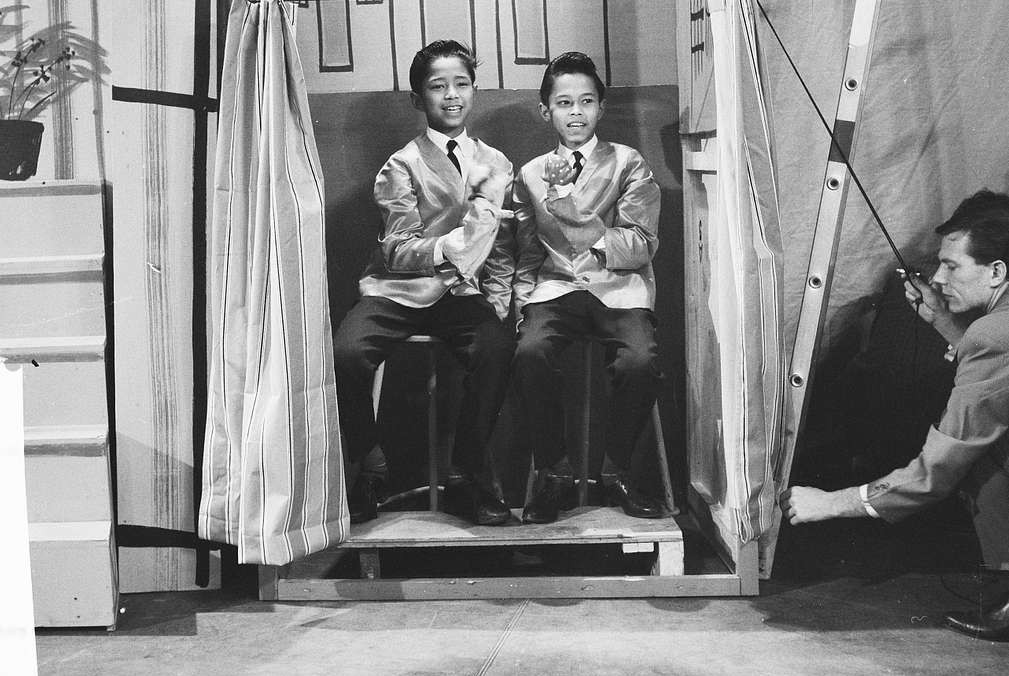
Before nationwide syndication, children’s TV shows were often produced by local stations with local talent. In many towns, the same guy who ran the hardware store on weekdays might don a cowboy hat or clown suit and host a Saturday morning kids’ show. Your grandparents might recall seeing “Ranger Rick” or “Cowboy Carl” in person and on screen. These shows were hyper-local and rarely archived.
Station budgets were tiny, so the sets were usually thrown together with whatever props were lying around. Most episodes were taped over or broadcast live, never saved. Unless someone in town kept old footage, it’s nearly impossible to find proof online. But to your grandparents, that quirky host was a star bigger than Mr. Rogers.
7. The “Haunted” Forest Behind the Old Drive-In
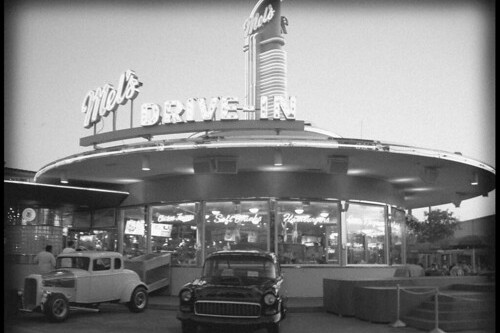
Many grandparents love to recount the spooky woods that supposedly sat behind the town’s drive-in movie theater. Kids would dare each other to sneak back there during horror movies, swearing they saw lights, shadows, or even a ghostly figure. Sometimes, the “haunted forest” was just undeveloped land—but drive-in folklore made it something more. These tales often became local legends passed down with embellishments.
Drive-ins were cultural hubs in mid-century America, often located on the outskirts of town where empty land was plentiful. But very few of these stories were ever documented, especially when the theaters closed and were torn down. Online searches bring up the movies shown there, but not the myths whispered about in the back rows. Still, if Grandma swears she saw a ghost behind The Blob in 1958, who are we to argue?
8. The Bubblegum Machine That Spat Out Tiny Comics
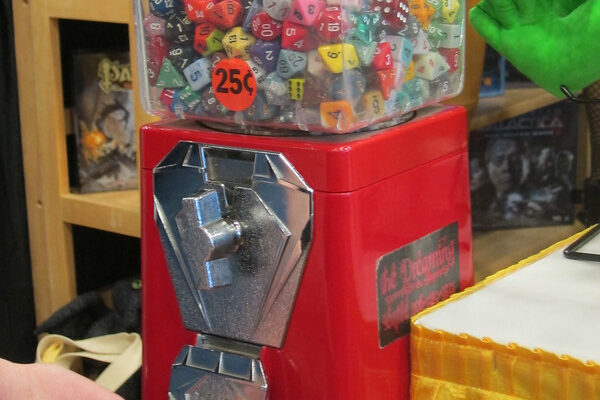
Not all gumball machines gave out candy—some dispensed miniature comics rolled into tiny capsules. These comics often starred knock-off superheroes or strange sci-fi characters, printed in black and white on newsprint. Kids collected them like mad in the ’50s and ’60s, usually for just a penny. They were often poorly drawn but beloved.
Because they weren’t licensed by major publishers, and most were thrown out or scribbled on, almost no copies survive. You’ll find a few references in collector circles, but they’re rare. These comics predate digital archives and weren’t considered worth preserving. So if Grandpa mentions “Captain Supernova” from the gumball machine, it’s not just his imagination—it’s just a lost piece of pop culture.
9. The Weird Cinnamon Toothpicks from the School Nurse
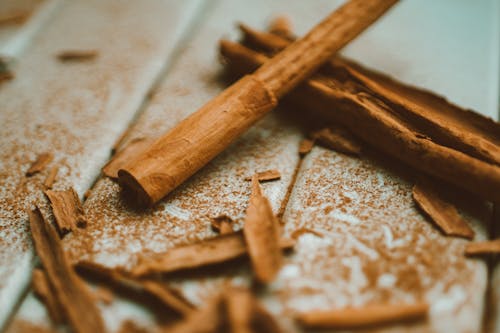
Cinnamon toothpicks were all the rage with kids in the 1970s, but not the kind you bought at the store. Grandparents might remember sneaking into the nurse’s office—or bribing the janitor—for toothpicks soaked in cinnamon oil that burned like fire. They were handmade, often unofficial, and kind of forbidden. The spicier, the better.
You won’t find these specific “homemade” ones online because they weren’t officially sold or documented. Recipes were passed around by word of mouth, and some schools banned them entirely. Kids hid them in pencil cases and shared them like contraband. Ask around today, and you’ll mostly get confused stares.
10. The Radio DJ Who Played the Same Song for 24 Hours Straight
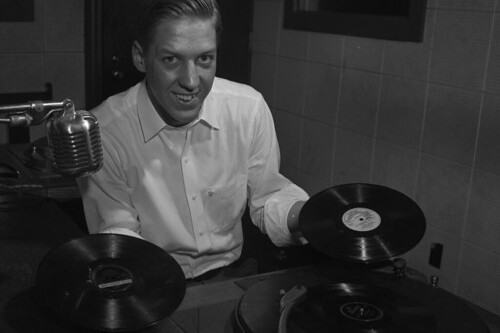
Once in a while, a radio DJ would pull a stunt so bizarre it burned itself into the town’s memory. One of the most famous was looping a song—usually something ridiculous or annoying—for a full day. This wasn’t just for laughs; sometimes it was a protest or a charity stunt. Grandparents love to mention how it drove the town crazy.
Unfortunately, many of these moments were never recorded or archived, especially if they happened on small AM stations. DJ logs and local news might have covered them briefly, but they’re not on Spotify or YouTube. So when Grandpa says he heard “Purple People Eater” a hundred times in a row in 1959, he might be dead serious. You just had to be there—and suffer through it.
11. The Classroom Filmstrip About Atomic Duck and Civil Defense
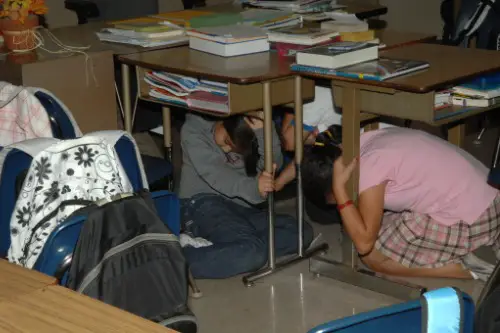
In the Cold War era, schools showed short educational filmstrips about nuclear preparedness, often featuring strange cartoon mascots. One such character was “Atomic Duck,” a duck in a helmet who taught kids to “duck and cover.” These characters were meant to make terrifying subjects more palatable. They were common from the late ’40s into the ’60s.
But unlike the better-known “Bert the Turtle,” many of these secondary characters were regionally produced and aired. They were rarely preserved, especially if the reels degraded or were discarded. There’s little record of Atomic Duck today, though multiple people swear he existed. Your grandparents may even remember the exact jingle.
12. The Roller Skate Keys That Only Worked on Sidewalk Cracks
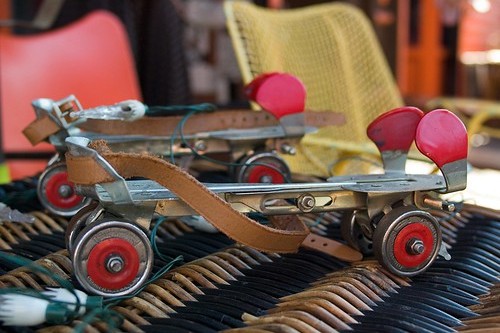
Before Velcro straps and snap-on wheels, roller skates came with a little key you wore around your neck. These keys adjusted the metal clamps that latched the skates onto your shoes. They worked decently—but only if you skated on just the right kind of sidewalk. Cracks and bumps were the enemy.
Kids learned to navigate their neighborhoods like skaters in a minefield, memorizing which blocks were skateable. Most of these skate models were discontinued by the 1970s, and the key concept became obsolete. There’s no TikTok tutorial explaining how to use them, and only vintage shops seem to remember. But your grandparents probably had scraped knees to prove their expertise.
13. The Town Parade Where Everyone Threw Bologna
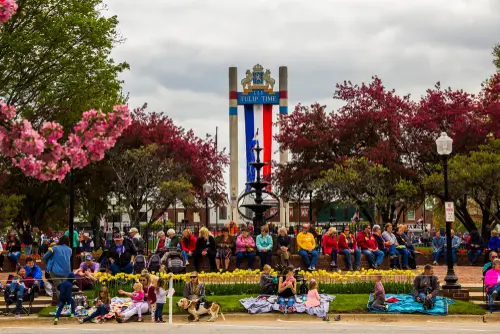
This sounds completely made-up, but there were towns—mostly in the Midwest—where tossing slices of bologna during local parades was a quirky tradition. It was part celebration, part joke, and maybe even a commentary on processed meat abundance. Kids would bring bags to catch the flying lunch meat. Some people even fried it up later.
Most of these odd parades stopped by the 1980s, and with them went the photographic proof. News coverage was minimal, if any, and people didn’t exactly frame bologna mid-air. But ask a grandparent from Ohio or Indiana, and they might swear it happened every summer. It’s the kind of hyper-local weirdness that thrived before everyone had a smartphone.
14. Coke in Glass Bottles That Had Ridges on the Bottom
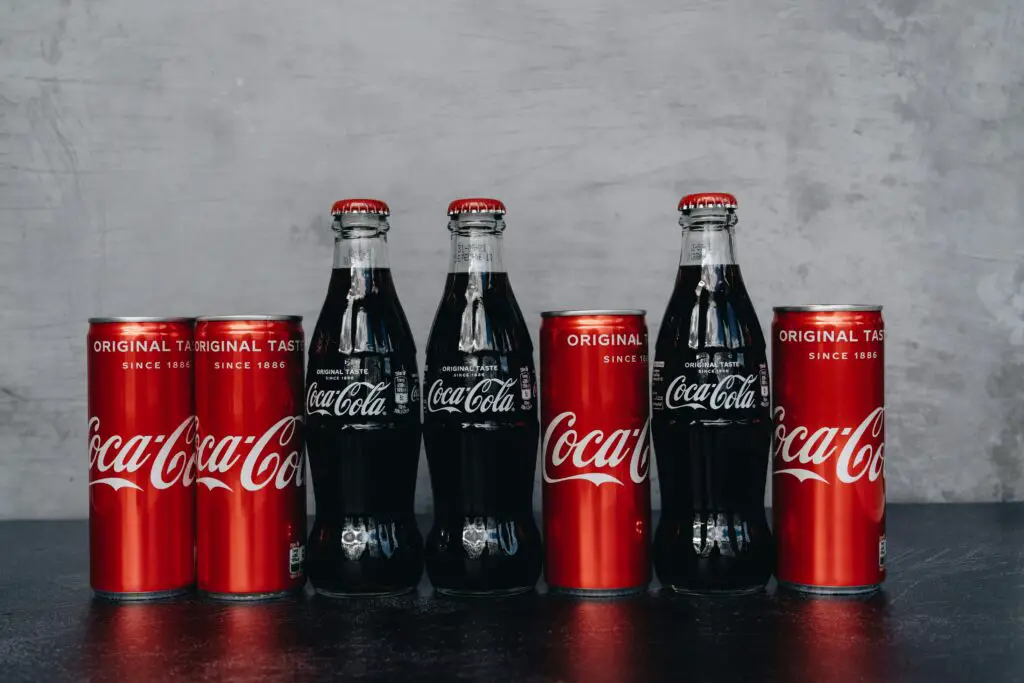
Your grandparents might mention a time when Coca-Cola bottles had strange ridges or embossed patterns underneath. These weren’t just decorative—they helped identify which bottling plant the soda came from. Each plant had a unique code or city name molded into the glass base. Kids used to compare them and trade the bottles like baseball cards.
While Coke bottle collecting is still a niche hobby, specific regional variations are rarely documented online. The ridged-bottom bottles mostly disappeared as Coca-Cola standardized its packaging in the 1980s. Unless someone posts a close-up photo on a collector forum, this little quirk of Americana has mostly faded from view. But your grandparents probably remember it clearly because, for them, those bottles were practically currency.
This post 14 Things Your Grandparents Swear Existed But Can’t Be Found Online was first published on American Charm.