
1. Vintage Baseball Cards
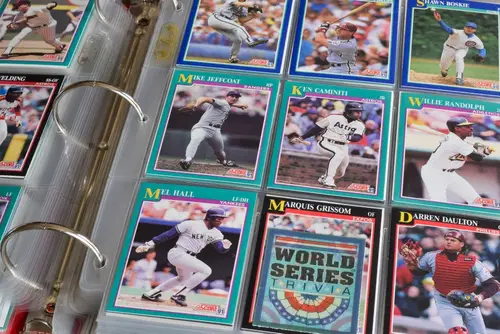
Baseball cards once came as afterthoughts in gum packs, so kids didn’t exactly treat them like heirlooms. That casual handling is partly why mint-condition cards from the 1940s to 1960s are rare today. Legendary sets like the 1952 Topps series have repeatedly brought six- and seven-figure prices. The combination of American nostalgia and dwindling supply boosted them into investment territory.
Families often uncover shoeboxes packed with cards that haven’t seen daylight for decades. Even lesser-known players’ cards can carry value if they complete desirable sets. The big jackpots are rookie cards of icons like Mickey Mantle or Hank Aaron. This all means that grandpa’s hobby sometimes ends up outperforming Wall Street.
2. First-Edition Comic Books
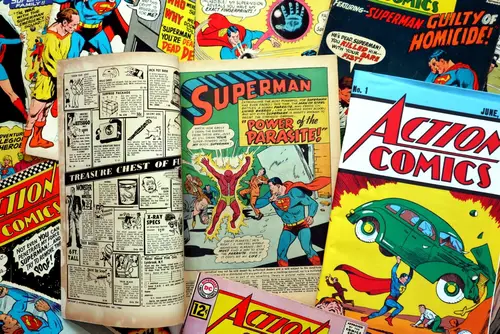
Many Americans tossed their childhood comic books into boxes thinking they were just ink and nostalgia. But early issues of series like Amazing Fantasy #15 or Detective Comics #27 have sold for eye-watering sums at auction. Condition matters, but even mildly worn copies can be surprisingly valuable. It’s the scarcity—combined with characters that became cultural icons—that turned these attic relics into blue-chip collectibles.
Today, collectors hunt for original print runs, not reprints, which is why those dusty boxes can matter so much. A forgotten stack often signals a time before mass merchandising inflated supply. When someone rediscovers a pre-1970 Marvel or DC issue, there’s a real chance of meaningful value. That’s why families keep calling appraisers after “cleaning out Dad’s attic.”
3. Mid-Century Modern Furniture
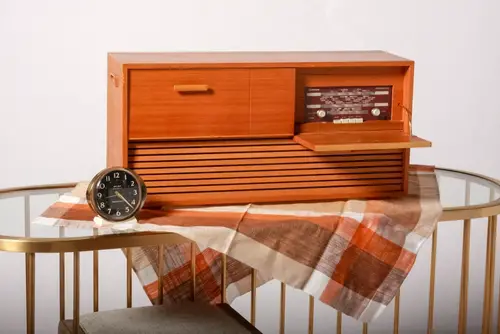
For years, mid-century chairs and tables were just… chairs and tables. Only later did pieces from designers like Charles and Ray Eames or Florence Knoll become highly sought-after. Their clean lines and quality craftsmanship made them ideal for collectors and interior designers. That demand pushed prices up, especially for authentic, early production pieces.
Attics and garages tend to hold the forgotten furniture that didn’t fit in newer homes. When these pieces are rediscovered and verified as originals, their value rises dramatically. Even worn items can be restored without losing investment worth. It’s a rare case of “old furniture” outperforming new designs in both style and market value.
4. Vinyl Records With Limited Pressings
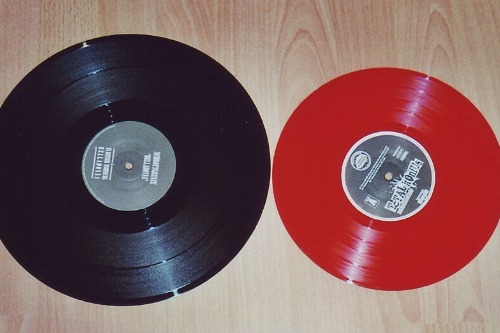
Old vinyl collections once seemed bulky and obsolete after CDs took over. But collectors now chase limited pressings, early editions, and albums with rare artwork. First pressings of iconic albums—think early Beatles, Bowie, or jazz classics—can sell for significant amounts. Condition, matrix numbers, and even misprints can multiply value.
Many Americans stored their collections away when digital formats arrived. Rediscovering them often reveals a few records far rarer than the owners realized. Some pressings were produced for only a short time before labels changed artwork or tracklists. That scarcity is exactly why these albums went from “old music” to investment assets.
5. Vintage Pyrex and Glassware
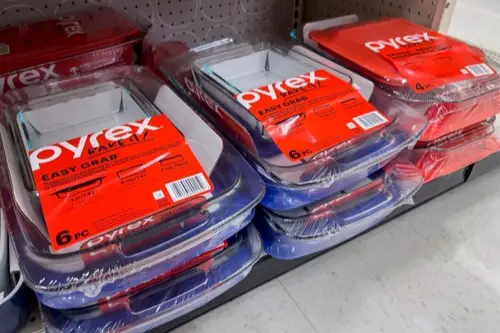
Mid-century kitchenware wasn’t meant to be collectible, but Pyrex patterns like “Lucky in Love” or “Butterprint” changed that story. Limited runs and discontinued designs created a niche but fiercely dedicated collector market. The most desirable pieces can fetch hundreds or even thousands of dollars. What started as everyday baking dishes now lives in display cabinets.
People often store mismatched bowls or casserole dishes in attics after kitchen renovations. Those forgotten sets sometimes contain rare patterns without the owners realizing it. Even gently used pieces can hold significant value if the pattern is in demand. That’s why flea-market flippers scour estate sales for what families overlook.
6. Old Concert T-Shirts
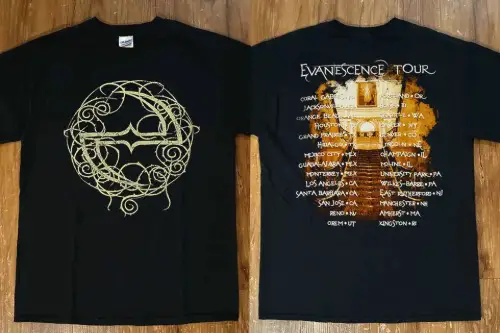
Concert tees from major tours were once just proof you showed up for the show. But original shirts from acts like Led Zeppelin, Pink Floyd, or early hip-hop artists have turned into collectible apparel. Limited tour runs and the fragile nature of old cotton make authentic pieces hard to find. When they surface in attics, they often fetch impressive resale prices.
People rarely thought of these shirts as investments, so they were stuffed into boxes with other nostalgia. Today’s collectors want the real thing, not reprints, which increases demand. Faded graphics can even add charm if they’re consistent with age. For music lovers and fashion fans alike, authentic tour shirts are cultural artifacts.
7. Early Apple Computers and Electronics
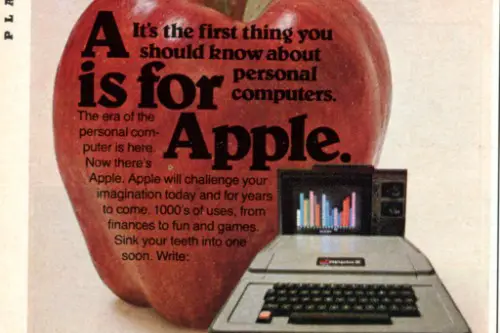
Tech geeks once stored old computers because they seemed too useful to throw away and too outdated to use. Early Apple machines like the Apple I, Apple II, and original Macintosh models have since become prized collectibles. Some units, especially those with original components, have sold for massive sums. They represent the earliest days of personal computing, which investors find appealing.
Attics often hide peripherals, manuals, or boxed accessories that add even more value. As tech history evolves, early hardware becomes culturally significant. Collectors look for machines that still power on, but even non-working units hold market value. These dusty computers can end up being the most valuable “junk” a family owns.
8. Antique Quilts
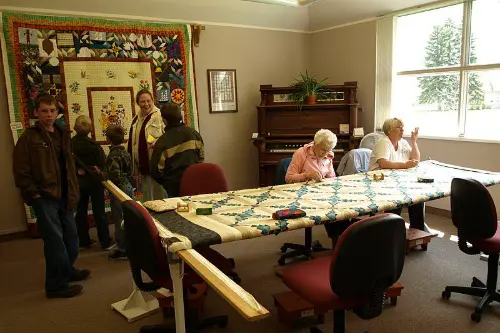
Hand-stitched quilts were practical household items for generations. Over time, patterns like “Double Wedding Ring” or “Baltimore Album” have gained recognition for their craftsmanship. Rare designs, unique color combinations, or quilts tied to specific regions command high prices. Textile historians and collectors both contribute to rising values.
Many families pass quilts down without realizing their significance. When stored in attics, they often remain remarkably well-preserved. Appraisers look for hand-stitching, period fabrics, and distinctive motifs. What once just kept people warm can now warm a collector’s heart—and wallet.
9. Early Board Games
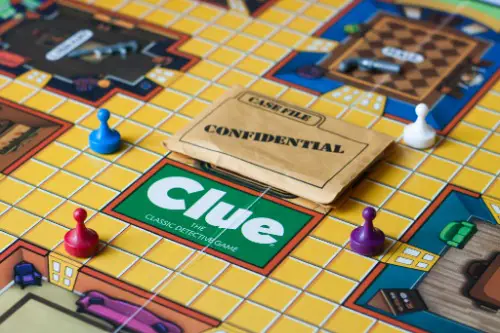
Board games from the early to mid-20th century can be surprisingly valuable. First-edition Monopoly sets or early versions of Clue and Scrabble attract serious interest. Complete sets with original pieces are rare, which boosts price. Even unusual regional games or limited runs can hold unexpected value.
Families often stash these in attics after kids grow up. When rediscovered, the cardboard and wooden pieces may still be intact. Collectors love games that reflect period artwork or rules that later changed. It’s a small slice of cultural history that turned into an unexpected investment.
10. Vintage Musical Instruments

Old guitars, saxophones, and violins frequently end up stored when owners stop playing. Vintage models—especially from brands like Gibson, Fender, and Martin—have skyrocketed in value. Certain production years are famous for their craftsmanship and materials. Even instruments in rough shape can be restored and resold for significant money.
Many families don’t realize how coveted these instruments are until someone opens an attic case. Serial numbers help confirm authenticity, which can dramatically affect value. Rarity and original parts further boost collector interest. These discoveries can turn into major windfalls for their owners.
11. Political Memorabilia
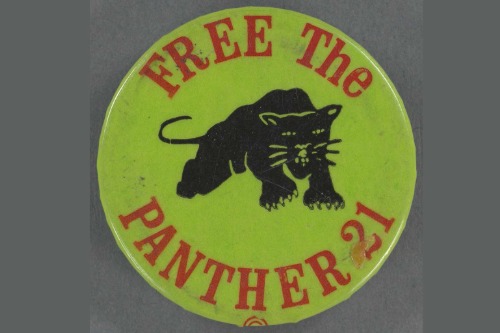
Campaign buttons, posters, and pins often seemed disposable when elections ended. But items from historic moments—like World War II-era campaigns or early civil rights–related elections—can be surprisingly valuable. Limited production and regional distribution contribute to scarcity. Condition and authenticity matter heavily for collectors.
People often store these items alongside family papers in attic boxes. Rediscovering them provides both sentimental and monetary value. Memorabilia from influential political eras carries strong historical appeal. That’s why even small items like buttons can command impressive prices.
12. Early Photography Equipment
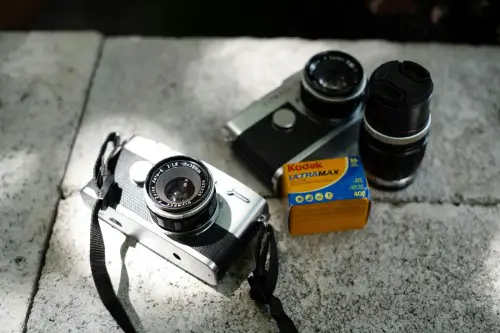
Old cameras, especially from brands like Leica and Nikon, have become high-end collectibles. Some models were produced in limited quantities or introduced groundbreaking features. Their mechanical precision gives them long-lasting appeal. A rare lens alone can fetch thousands.
Attics frequently hold camera bags stuffed with forgotten film gear. Collectors value accessories, original packaging, and functioning shutters. Even non-working bodies may be useful for parts or display. Photography enthusiasts love these pieces because they reflect the evolution of image-making.
13. Antique Maps
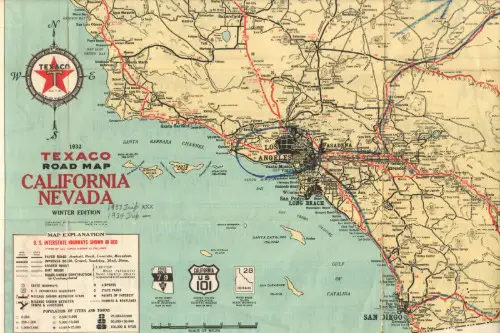
Maps from earlier centuries—especially those depicting early U.S. territories—are highly collectible. Their value rises when they include original coloring or notable cartographic errors. People appreciate them for both historical insight and visual appeal. Authenticity and condition play major roles in pricing.
Maps often survive because families treat them like documents rather than decor. That means they’re stored flat and forgotten in attics or trunks. When rediscovered, they can be surprisingly well-preserved. Collectors love them because they provide an unfiltered glimpse into how people once saw the world.
14. Vintage Holiday Decorations
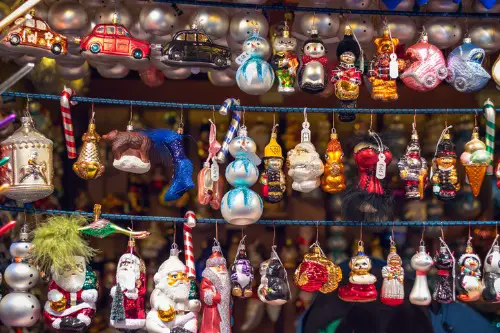
Old ornaments, especially from brands like Shiny Brite or hand-blown German glass makers, have gained cult collector status. Limited wartime production runs increased rarity for specific items. Their fragile nature means fewer survive each decade, boosting value. Nostalgia also plays a major role in their rising prices.
Many families store boxes of decorations they no longer use. When opened years later, some ornaments reveal rare patterns or colors. Original packaging can add value, too. These delicate pieces now shine brighter in the market than they ever did on a tree.
15. Early Video Games and Consoles
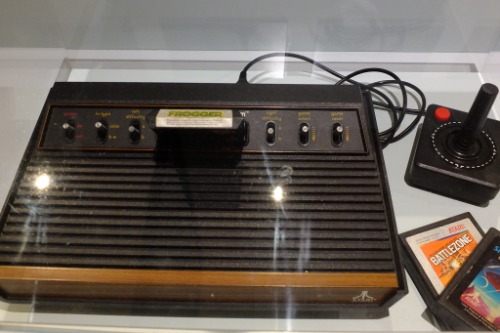
Classic game consoles like the NES, Atari 2600, and original PlayStation are now legitimate collectibles. Sealed games from the 1980s and 1990s have sold for staggering amounts. Even used copies of certain titles can be valuable if they’re rare or culturally iconic. Early hardware revisions and limited-edition releases add even more interest.
Attics often house entire collections that were boxed up after newer systems arrived. Rediscovering them can reveal long-forgotten gems, especially if packaging is intact. Games tied to major franchises or discontinued publishers command higher prices. What once felt like outdated tech is now part of gaming history—and a potential investment jackpot.
This post 15 Things Stored in American Attics That Accidentally Became Investment Pieces was first published on American Charm.

