
1. Boxes of Spare Buttons and Fabric Scraps
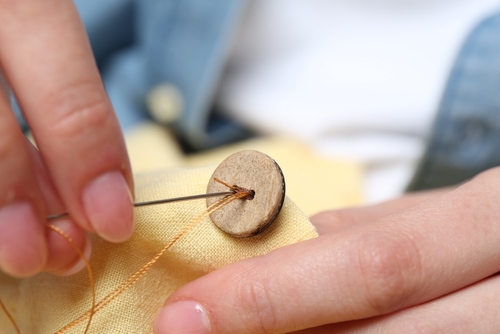
Clothing purchases often came with extra buttons or small fabric samples. People saved them in tins or sewing kits for repairs. The idea was to be ready if something tore or a button popped off. Over time, these collections quietly grew.
Fast fashion and cheaper clothing changed repair habits. Many people replace items instead of fixing them. As a result, fewer households keep organized repair supplies. Those little “just in case” pieces are less common now.
2. Extra Sets of House Keys
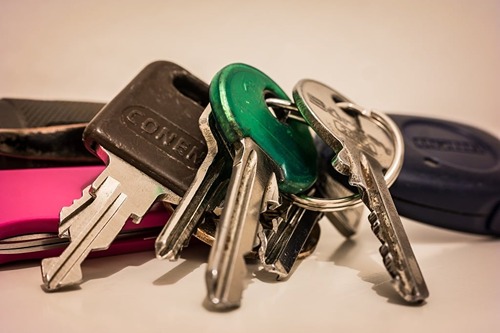
It used to be common to have multiple spare keys hidden or stored with trusted neighbors. People kept extras in junk drawers, under planters, or taped inside garages. The logic was simple: getting locked out was a real possibility, and you needed a backup plan. Having several copies just made sense.
Today, smart locks and keypad entry systems have reduced that need. Many households rely on codes or apps instead of physical keys. Even when keys exist, people tend to keep fewer duplicates. The “just in case” stash has quietly shrunk.
3. Rolodex Address Cards
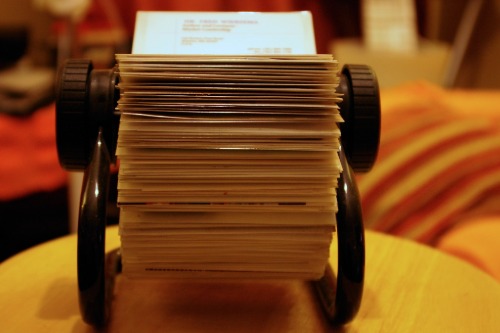
Before digital contacts, a Rolodex was the go-to system for organizing names, numbers, and addresses. People carefully updated cards and kept them within easy reach. Extra blank cards were often stored nearby “just in case” you met someone new. It was both a practical tool and a symbol of organization.
As smartphones took over, physical contact systems disappeared quickly. Information is now stored, synced, and backed up automatically. The tactile habit of flipping through cards faded away. Few people today keep a physical backup of contacts at all.
4. Emergency Cash Hidden at Home

Keeping a stash of cash somewhere in the house used to be standard advice. People tucked bills into envelopes, books, or kitchen containers for emergencies. It was meant to cover situations where banks were closed or cards weren’t accepted. The habit felt especially important in pre-digital payment eras.
Electronic payments and ATMs reduced the urgency of that practice. While some still keep cash, it’s often in smaller amounts. Many households rely entirely on cards or mobile payments. The hidden emergency stash is far less common than it once was.
5. Printed Maps and Atlases
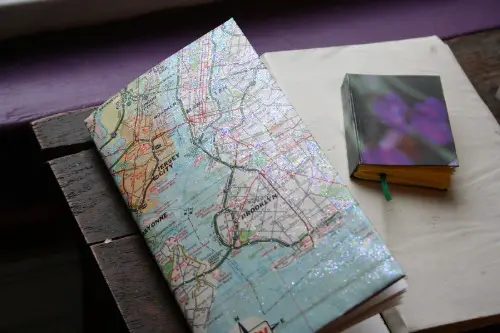
Families once kept road maps in glove compartments and atlases on bookshelves. They were backups for travel, especially if directions got confusing. People held onto outdated versions “just in case” they still worked. Having multiple maps felt like preparation.
GPS and smartphone navigation replaced that need almost entirely. Maps update automatically and provide real-time directions. Paper versions are rarely consulted or stored. The backup system has been replaced by constant connectivity.
6. Instruction Manuals in Drawers
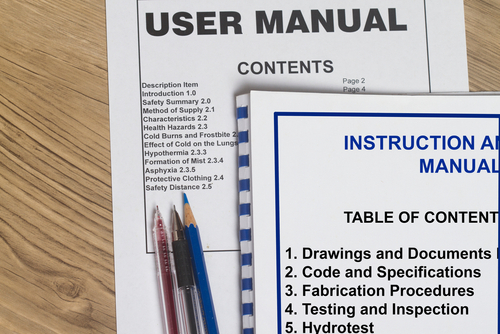
Households used to keep thick stacks of appliance manuals in a single drawer or folder. Each booklet felt important, even if it was rarely opened. People saved them in case something broke or needed troubleshooting. Throwing one away felt risky.
Now, most manuals are available online within seconds. Manufacturers often skip printing full guides altogether. People are more likely to search than to store paper copies. The drawer full of manuals has mostly disappeared.
7. Spare Phone Books

People used to keep thick phone books tucked into drawers, closets, or even under coffee tables. They weren’t just for looking up numbers, they were backups in case you forgot or lost contact information. Households often held onto older editions “just in case” the new one didn’t have what they needed. It felt safer to have more than one.
As landlines declined and online directories took over, phone books quickly became obsolete. Delivery of printed directories has stopped in many areas entirely. Even when they do exist, few people keep extras around anymore. The idea of saving one for emergencies now feels outdated.
8. Backup Batteries in Bulk
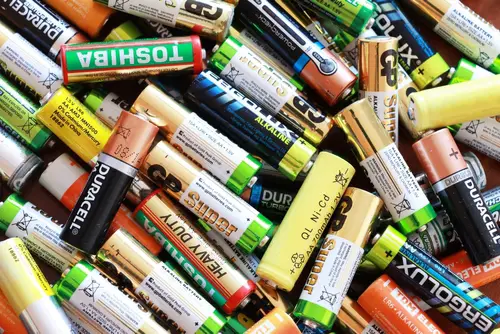
People once stocked up on AA, AAA, and other batteries for remotes, toys, and gadgets. Drawers filled with unopened packs were a common sight. The goal was to avoid being stuck with dead electronics. Running out felt inconvenient enough to prepare for.
Rechargeable devices and built-in batteries reduced that need. Many modern gadgets don’t require disposable batteries at all. Households still keep some, but rarely in large quantities. The bulk запас has largely disappeared.
9. VCR Tapes for Recording Shows
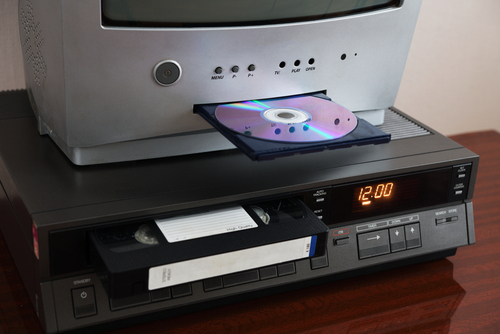
Blank VHS tapes were kept on hand to record TV programs or movies. Families stored extras so they wouldn’t miss a favorite show. Labeling and stacking tapes became a routine part of home entertainment. Having a few unused tapes felt necessary.
Streaming and digital recording eliminated that entire system. Content is now available on demand without physical media. There’s no need to plan ahead or save space for tapes. The “just in case I want to record this” mindset has vanished.
10. Printed Photos Stored in Bulk
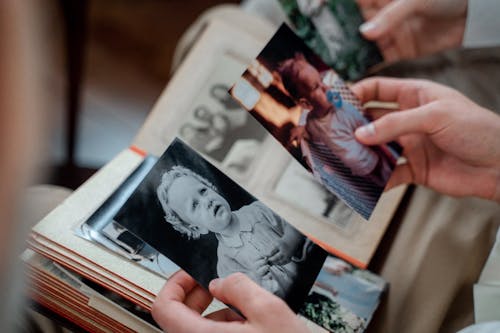
People once developed multiple copies of photos and kept extras in envelopes or boxes. These duplicates were saved in case originals were lost or damaged. Sharing photos often meant physically handing someone a copy. Keeping backups felt essential.
Digital photography changed everything about storage and duplication. Images can be copied endlessly without physical space. Cloud storage provides additional layers of backup. The idea of keeping stacks of extra prints is now uncommon.
11. Takeout Menus in Kitchen Drawers
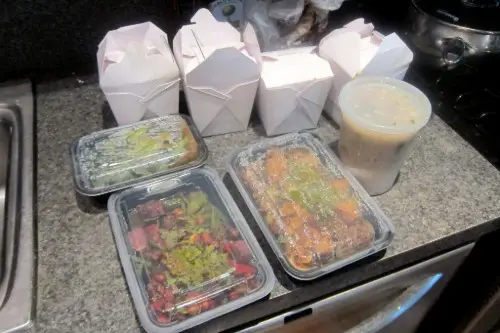
Kitchen drawers were once packed with paper menus from local restaurants. People saved them for quick ordering without needing to look anything up. Even outdated menus were kept “just in case” the place still delivered. It was a low-effort way to stay prepared.
Online ordering apps replaced the need for physical menus. Updated listings, reviews, and pricing are always available on demand. Many restaurants no longer print menus at all. The drawer full of takeout options has quietly disappeared.
This post Things People Once Kept “Just in Case” That Rarely Exist Now was first published on American Charm.

