
1. Beating Rugs or Bedding Outside
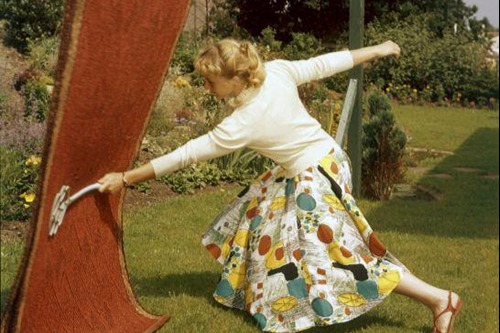
Before vacuum cleaners were common, many people cleaned dust from rugs and bedding first thing in the morning. The process usually involved taking items outside and beating them with a rug beater or stick. Doing it early helped avoid the heat of the day and allowed fabrics to air out afterward. It was a surprisingly physical way to start the morning.
Dust, soot from coal heating, and everyday dirt built up quickly in homes of the past. Beating rugs helped keep indoor air a little cleaner and prevented heavy buildup. You could often hear the rhythmic thumping in neighborhoods where many households did it. The spread of electric vacuum cleaners in the early 20th century made this morning chore largely unnecessary.
2. Shaking Down the Coal or Wood Stove

For many households in the 19th and early 20th centuries, the first order of business each morning was tending the stove. If the home used coal or wood heat, someone had to shake the grate, clear out ash, and add fresh fuel to get the fire going again. Overnight, the fire would burn low or nearly out, so the morning routine meant restarting the home’s main heat source. Without doing this, the kitchen and living space would stay cold for hours.
This task was often done before breakfast because cooking depended on the same stove. In winter especially, it could take time to build enough heat for boiling water or frying food. Ash also had to be carefully removed and carried outside, which meant soot and dust were common parts of daily life. Central heating and modern furnaces gradually made this ritual disappear by the mid-20th century.
3. Lighting Gas Lamps or Oil Lamps
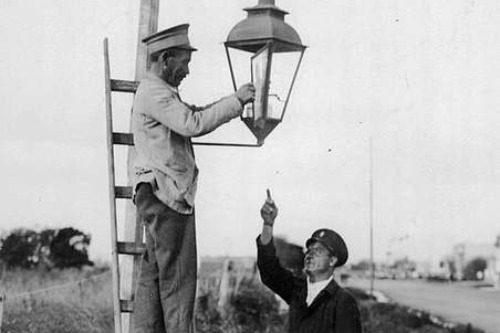
Before electric lighting became widespread, the day often started with lighting lamps around the house. In homes using kerosene or oil lamps, someone had to trim the wick and light the flame to brighten the kitchen or hallway. Gas lighting systems required turning valves and igniting small burners. This was especially common in the late 1800s and early 1900s.
Morning lamp lighting was necessary during darker months or in homes without much natural light. People also checked fuel levels and cleaned soot from the glass chimneys. It was a small job, but it had to be done every day. Once electric lighting became standard in the early 20th century, this daily ritual quickly disappeared.
4. Reading the Morning Newspaper at the Doorstep
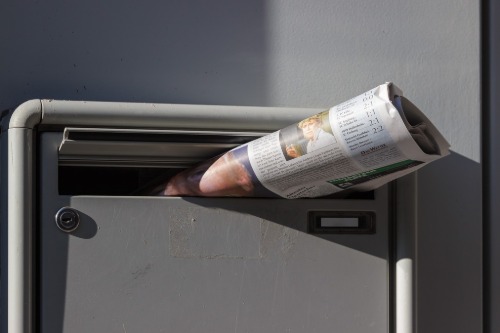
For much of the 20th century, many people began the day by picking up a freshly delivered newspaper from their doorstep or driveway. Newspaper carriers—often teenagers on bikes—would drop papers off before most households woke up. Grabbing the paper was one of the first things people did after stepping outside or opening the door. It became part of the rhythm of morning life.
People scanned headlines over coffee to learn about world events, sports scores, and local news. The morning paper also included weather forecasts, comics, and advertisements for nearby stores. This habit started fading as television news, radio updates, and eventually the internet replaced printed news as the fastest source. Today, many people wake up and check their phones instead.
5. Polishing Shoes Before Leaving the House
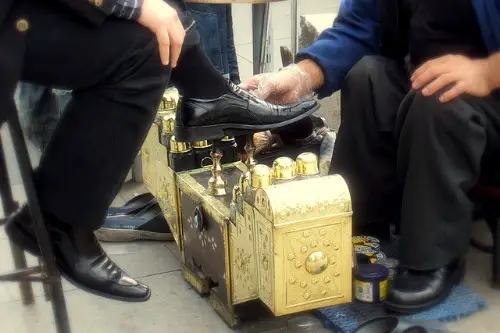
Not long ago, polished shoes were expected for work, school, and most public outings. Many people kept a shoe brush and tin of polish near the door or in the hallway. A quick polish in the morning helped leather shoes look neat and professional. It was such a common routine that offices, train stations, and hotels even had shoe-shine stands.
Leather shoes scuffed easily, especially in cities where people walked a lot. Keeping them shiny was part of maintaining a respectable appearance. Over time, casual dress codes and the rise of sneakers reduced the need for daily shoe care. Today, most people only polish shoes occasionally, if at all.
6. Pumping Water by Hand
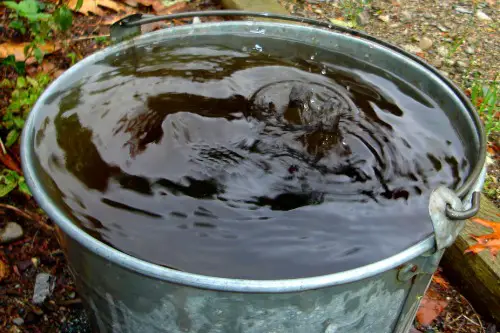
In homes without indoor plumbing, getting water in the morning required real physical effort. People often walked to a hand pump in the yard or kitchen to draw fresh water from a well. The first buckets of the day were used for washing faces, making coffee, or cooking breakfast. Without pumping water, the household couldn’t really start the day.
Winter mornings made the job even harder because pumps could freeze overnight. Some families kept a kettle warming on the stove just to thaw metal parts. Once municipal water systems and indoor plumbing became widespread in the early 20th century, this chore gradually vanished from daily life. For most people today, turning on a faucet has replaced it entirely.
7. Feeding and Releasing Backyard Livestock
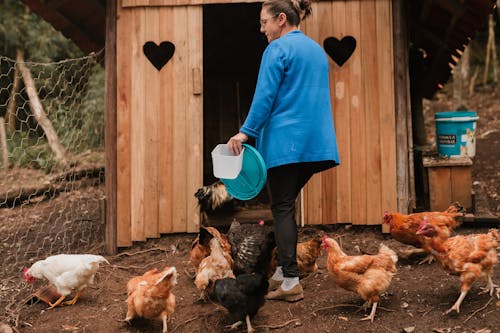
In rural areas and small towns, mornings often began with tending animals. Families kept chickens, goats, or cows close to the house, and they needed attention early in the day. Someone had to scatter feed, refill water containers, and open coops or pens. Animals depended on that routine to start their own day.
Collecting eggs was another typical morning task. If cows were kept, milking often happened at dawn before other chores began. These activities were once normal even for households that weren’t full-time farms. As urbanization increased and fewer people kept animals at home, the morning livestock routine largely disappeared.
8. Collecting Milk from the Porch or Milk Box

For much of the early 1900s, fresh milk appeared outside homes every morning thanks to local dairy delivery routes. Families would open the front door and retrieve glass bottles sitting in a small insulated milk box or metal carrier. The milkman typically arrived before sunrise, quietly swapping empty bottles for full ones. It was such a normal routine that many people didn’t even think twice about it.
Morning also meant checking whether cream had risen to the top of the bottle. Some households skimmed it off for coffee or cooking right away. The system depended on reusable glass bottles that were washed and returned daily. As supermarkets expanded and home refrigeration improved after World War II, daily milk delivery faded in most places.
9. Listening for the Factory or Town Whistle
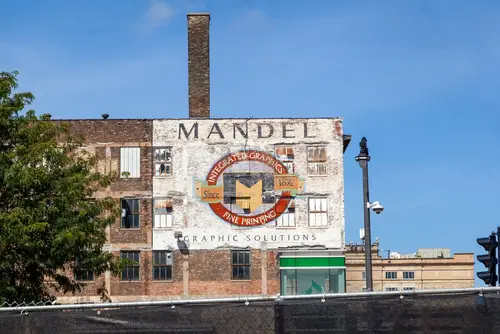
In many industrial towns, the workday started with the sound of a factory whistle. These whistles were loud signals that marked the beginning of shifts, lunch breaks, and the end of the day. For workers living nearby, hearing the morning whistle was a cue to hurry out the door. Entire neighborhoods structured their schedules around it.
The whistles served as a shared timekeeping system before everyone had reliable personal clocks. If you overslept and missed it, you were probably late for work. As workplaces adopted electronic timekeeping and communities became less centered around single factories, the whistles disappeared. Today they survive mostly in historical demonstrations or special events.
10. Checking Ice in the Icebox
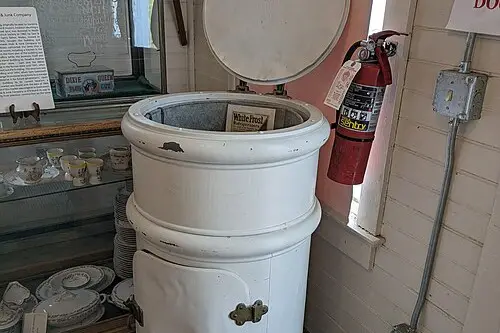
Before electric refrigerators became standard, households relied on insulated iceboxes. A block of ice inside kept food cold, but it slowly melted throughout the day. Many people checked the ice level each morning to make sure it would last. If it had shrunk too much, food could spoil.
Ice was typically delivered by an iceman who carried large blocks with metal tongs. Families sometimes placed a card in the window to signal how many pounds they needed that day. Morning checks helped people decide whether to request more ice. Electric refrigeration in the 1920s and 1930s gradually ended this daily concern.
11. Sending Children to Fetch Bread or Groceries

In many neighborhoods, children started the morning with a quick trip to the local bakery or grocer. Parents might hand them a small coin and a note for bread, milk, or butter. Shops were often within walking distance, so this errand took only a few minutes. It was considered a normal responsibility for kids.
Fresh bread was commonly baked early, which made morning the best time to buy it. Small daily shopping trips were typical because home refrigeration and food storage were limited. As supermarkets, cars, and larger weekly grocery trips became the norm, the morning dash to the corner shop faded away. Today it’s far less common for kids to run errands like this on their own.
This post Things People Once Did Every Morning That Have Disappeared was first published on American Charm.

