1. Cash-Only Transactions as the Default
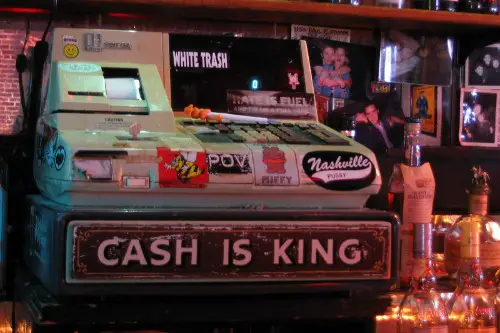
Cash was once the primary way to pay for everyday purchases. Credit cards existed but were not as universally accepted as they are today. Many small businesses operated entirely on cash transactions. People carried enough bills and coins to cover daily needs.
Budgeting often meant physically managing money in wallets or envelopes. ATMs became widespread later, changing how people accessed cash. Digital payments and mobile wallets have since transformed spending habits. The expectation of cashless convenience would have seemed unusual decades ago.
2. Riding in Cars Without Seat Belts
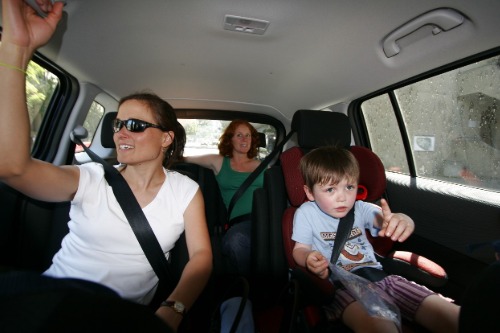
Seat belts existed for decades before they were widely used or legally required. Many cars didn’t even come equipped with them in earlier years, especially in the back seats. Kids often rode freely in the car, sometimes even standing or moving around. Safety standards were far more relaxed than they are now.
It wasn’t until the 1980s and 1990s that seat belt laws became widespread across states. Public awareness campaigns emphasized crash safety and injury prevention. Today, not buckling up feels reckless to most drivers and passengers. Back then, it barely registered as a concern.
3. Letting Kids Roam Unsupervised for Hours
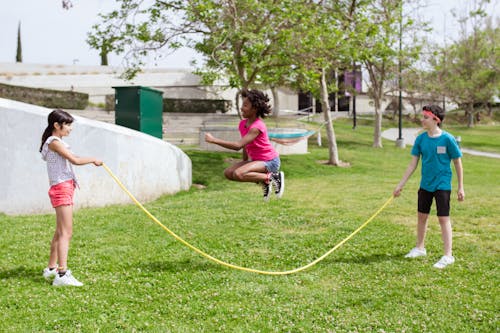
Children once had far more independence in their daily routines. It was common for kids to leave the house in the morning and not return until dinner. They biked across neighborhoods, explored woods, and played without adult supervision. Parents expected them to figure things out on their own.
This independence helped build confidence but came with fewer formal safety precautions. There were no smartphones for check-ins or GPS tracking. Communities often relied on informal social oversight instead. Today, that level of freedom can raise eyebrows or even legal concerns.
4. Drinking from Garden Hoses
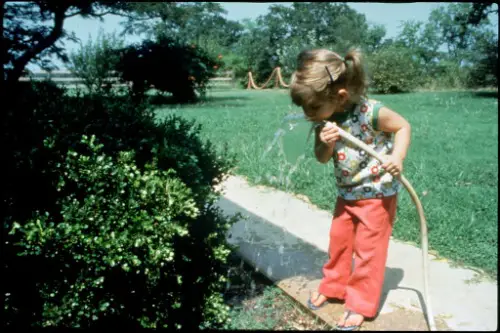
On hot days, kids routinely drank water straight from a garden hose. It was quick, convenient, and nobody thought twice about it. The taste of warm rubber was just part of the experience. Hydration didn’t require bottled water or filtration systems.
At the time, concerns about hose materials or water safety weren’t widely discussed. People trusted municipal water supplies and improvised access points. Today, many hoses are labeled as not safe for drinking water. What felt harmless then now seems questionable to some.
5. Corporal Punishment in Schools
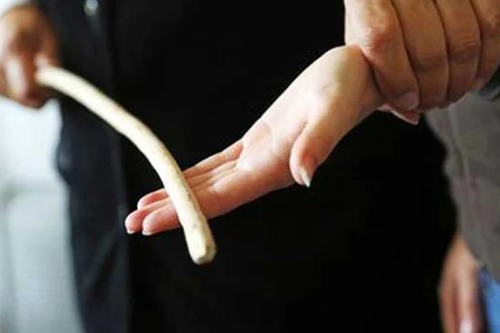
Physical discipline was once an accepted practice in many American schools. Teachers or principals could paddle students for misbehavior. Parents often supported or expected this form of discipline. It was seen as a way to maintain order and respect.
Policies began shifting in the late 20th century as attitudes toward child development changed. Many states banned corporal punishment in public schools. Today, the idea of physical discipline by educators is controversial and often prohibited. For earlier generations, it was simply part of school life.
6. Leaded Gasoline and Paint Exposure
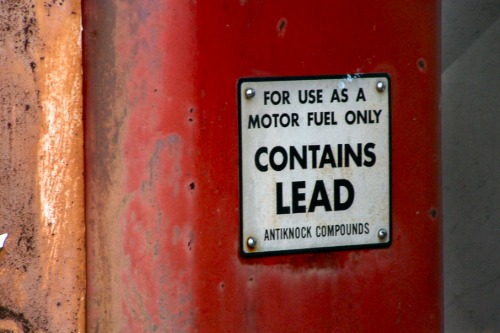
Leaded gasoline was widely used in the United States until it began phasing out in the 1970s. Lead-based paint was also common in homes built before 1978. People lived with these materials without fully understanding the health risks. Exposure was especially common in urban environments.
Scientific research eventually linked lead exposure to serious health and developmental issues. Regulations were introduced to remove lead from fuel and household products. Today, lead safety is taken very seriously in housing and public health. Earlier generations encountered it far more casually.
7. No Car Seats for Children
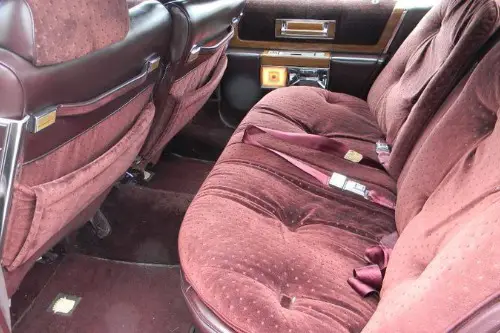
Child car seats were not always standard or legally required. Infants and toddlers were often held in laps during car rides. Safety-focused designs and regulations developed gradually over time. Early versions of car seats focused more on convenience than crash protection.
Modern car seat laws and engineering standards have drastically improved child safety. Installation guidelines and age-specific seats are now strictly defined. Seeing a child unrestrained in a moving vehicle is alarming today. Decades ago, it was widely accepted.
8. Calling Collect from Payphones
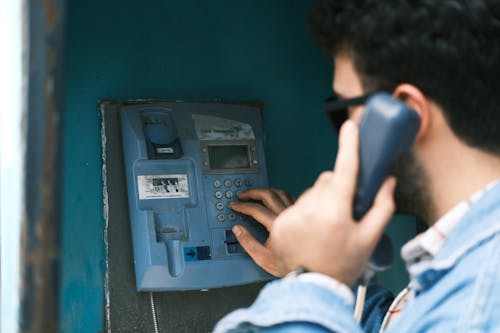
Before cell phones, payphones were a primary way to make calls on the go. If you didn’t have coins, you could place a collect call and ask the recipient to accept the charges. Families even developed coded messages through the system to avoid paying. It was a clever workaround that many people understood.
Payphones were common in public places like malls, airports, and gas stations. Kids used them to check in with parents after school or events. The system required memorizing phone numbers and understanding call procedures. Today, the concept feels almost obsolete.
9. Limited Workplace Protections

Workplace safety and labor protections were less comprehensive in earlier decades. Hazardous conditions were more common in industries like mining, construction, and manufacturing. Regulations existed, but enforcement and standards were less robust. Workers often accepted risks as part of the job.
Over time, agencies like the Occupational Safety and Health Administration strengthened safety requirements. Protective equipment, training, and reporting standards improved significantly. Today’s expectations for workplace safety are much higher. Earlier norms would feel risky by modern standards.
10. Airline Travel Without Security Screening
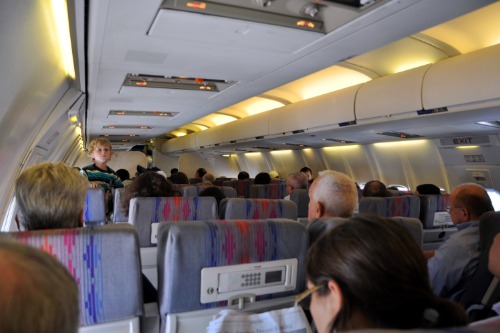
Air travel once involved far less security than it does today. Passengers could arrive shortly before departure and walk straight to their gate. Friends and family could accompany them all the way to the plane. There were no TSA-style screenings or restrictions on liquids.
This changed dramatically after the September 11 attacks. Security procedures became much stricter across all U.S. airports. Today’s travelers plan extra time for screening and identification checks. The earlier system now feels almost unimaginable.
11. TV Sign-Off and Limited Programming Hours
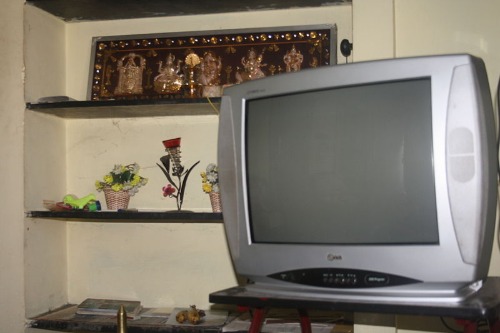
Television didn’t run 24 hours a day in its early decades. Many stations signed off late at night with a test pattern or national anthem. Viewers had a limited selection of channels and scheduled programming blocks. Missing a show meant waiting for a rerun, if it came at all.
This created a shared viewing culture around specific time slots. Families planned evenings around favorite programs. The rise of cable and streaming changed expectations completely. Today, constant access makes that limited schedule feel foreign.
12. Using Encyclopedias for Homework

Research once meant pulling out heavy encyclopedia volumes from a shelf. Families often invested in multi-volume sets for their children’s education. Students learned how to navigate indexes and cross-reference topics. Information gathering required time and effort.
Updates were limited to new editions, so some information could become outdated. Still, these books were trusted sources for school assignments. The internet eventually replaced them as the primary research tool. Today’s instant access contrasts sharply with that slower process.
13. Smoking Almost Everywhere Indoors

For much of the 20th century, smoking indoors was considered completely normal across the United States. People lit cigarettes in restaurants, offices, airplanes, and even hospital waiting rooms. Ashtrays were built into armrests, desks, and public counters as standard fixtures. The idea of secondhand smoke risks wasn’t widely accepted until later.
This meant children often grew up surrounded by smoke in everyday environments. Long flights or meals could leave clothes and hair smelling like cigarettes. Public health campaigns in the late 20th century gradually changed attitudes and laws. Today, the idea of smoking in enclosed public spaces feels jarring to most people.
This post Things Older Generations Considered Normal That Would Shock People Today was first published on American Charm.