
1. Eating while walking down the street

Grabbing a sandwich or coffee and eating it on the go is common in the U.S. Busy schedules make multitasking with food socially acceptable. In countries like Italy or Turkey, eating is more ritualized. Walking while eating can be seen as careless or disrespectful to the food.
Food carries cultural meaning beyond convenience. Americans often treat meals as fuel. Elsewhere, meals are moments meant for pausing and enjoying. Eating properly shows appreciation for both the food and the setting.
2. Smiling at strangers for no clear reason

Americans smile at people they don’t know in elevators, on sidewalks, and in checkout lines. In the U.S., smiling is a default sign of friendliness and harmless intent. In parts of Eastern Europe, Russia, or Scandinavia, this can feel odd or insincere. There, smiling is usually reserved for genuine social connections.
The reason lies in how cultures interpret facial expressions. Americans use smiles to reduce social tension and appear approachable. In other places, neutrality is the polite baseline. An unexplained smile can raise suspicion rather than goodwill.
3. Wearing shoes inside the house
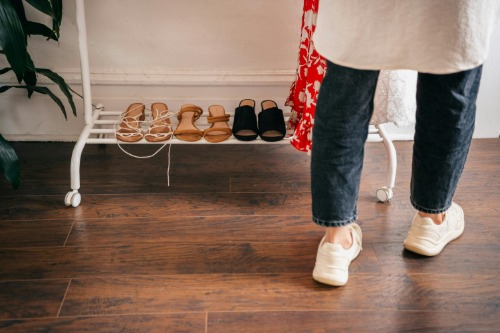
Many Americans walk through their homes wearing the same shoes they wore outside. This habit is common enough that hosts rarely ask guests to remove footwear. In countries like Japan, South Korea, or Sweden, this would be considered unhygienic and disrespectful. Shoes are seen as carriers of dirt meant to stay outdoors.
The difference comes from norms around cleanliness and boundaries. American homes often prioritize convenience and comfort. Other cultures place symbolic importance on separating outside life from private space. Removing shoes signals respect for the home and the people who live there.
4. Making small talk with service workers

Chatting casually with cashiers, baristas, or Uber drivers is typical in the U.S. Americans often ask how someone’s day is going, even if they don’t expect a real answer. In countries like France or Germany, this can feel unnecessary or intrusive. Service interactions there are expected to be polite but efficient.
This reflects different views on friendliness and professionalism. Americans blur the line between social and transactional interactions. Elsewhere, respecting someone’s time means keeping exchanges brief. Too much chatter can feel like a distraction from their job.
5. Sharing personal details with near-strangers

Americans often talk openly about their jobs, families, health issues, or weekend plans. This level of disclosure can happen within minutes of meeting someone new. In cultures like Japan or the UK, this might feel overly intimate. Personal information is shared more gradually.
The reason is how trust is built. Americans tend to build rapport through openness. Other cultures prefer boundaries until relationships deepen. Oversharing can be interpreted as lacking discretion rather than being friendly.
6. Talking loudly on the phone in public

In the U.S., it’s normal to take work calls on the subway or chat loudly on speakerphone in a café. Americans often prioritize efficiency and staying reachable, even in shared spaces. In many countries like Japan, Finland, or Germany, this behavior is seen as disruptive. Public spaces there are treated as collective environments, not extensions of someone’s personal life.
This difference comes from contrasting ideas of personal versus communal space. Americans often assume others can tune them out or move away. In cultures with strong public etiquette norms, that assumption doesn’t apply. Quiet is viewed as a shared responsibility rather than an individual choice.
7. Addressing older people or superiors by their first names

In many American workplaces, calling a boss or professor by their first name is normal. This reflects a cultural emphasis on equality and informality. In countries like South Korea, Germany, or Mexico, this would be inappropriate. Titles and last names signal respect and hierarchy.
The reason lies in how authority is acknowledged. Americans often minimize visible power differences. Other cultures rely on language to reinforce social structure. Skipping formal address can come across as disrespectful or overly familiar.
8. Expecting customer service workers to be cheerful

Americans often expect smiles, enthusiasm, and friendliness from service employees. A neutral expression may be perceived as rude or unhelpful. In many countries, including parts of Europe, professionalism does not require emotional performance. Workers are not expected to display happiness on demand.
This difference reflects attitudes toward emotional labor. In the U.S., friendliness is part of the service experience. Elsewhere, competence matters more than tone. Forcing cheerfulness can be seen as inauthentic or exhausting.
9. Talking openly about money and salaries

Americans are relatively open about discussing prices, earnings, and financial goals. Conversations about rent, debt, or job pay happen casually among friends and coworkers. In countries like the UK or Norway, this can feel uncomfortable or boastful. Money is often treated as a private topic.
The reason involves views on success and transparency. Americans often see money talk as practical or motivational. Other cultures associate it with status signaling. Keeping finances private helps maintain social balance.
10. Bringing children into adult-centered spaces
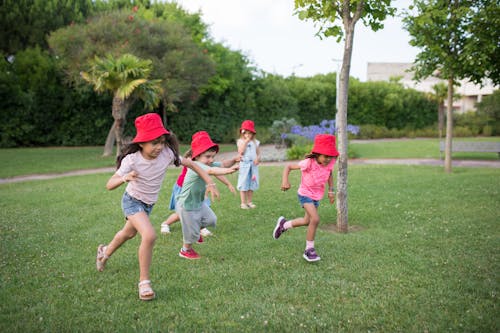
In the U.S., children are commonly present in breweries, upscale restaurants, and long events. American culture often prioritizes family inclusion. In countries like Spain or Switzerland, some adult spaces are more clearly defined. Kids may be expected to stay home or in child-focused settings.
This reflects different expectations around social environments. Americans adapt spaces to accommodate families. Other cultures maintain boundaries between adult and child activities. Ignoring those boundaries can feel disruptive.
11. Wearing workout clothes in everyday settings

Athleisure is widely accepted in American grocery stores, cafés, and airports. Yoga pants and hoodies are seen as practical and normal. In countries like Italy or France, this can appear sloppy or overly casual. Public appearance is more closely tied to social respect.
The reason comes down to comfort versus presentation. Americans prioritize ease and functionality. Other cultures emphasize dressing appropriately for public life. Clothing communicates effort and awareness of social context.
12. Speaking directly and getting to the point quickly

Americans often value directness in conversations, especially at work. Saying exactly what you mean is seen as honest and efficient. In cultures like Japan or Thailand, this can come off as blunt or rude. Indirect communication is used to preserve harmony.
The difference is rooted in communication style. Americans prioritize clarity over subtlety. Other cultures rely on context and implication. Too much directness can feel aggressive rather than helpful.
13. Leaving generous tips as an expectation

Tipping 18 to 25 percent at restaurants is considered standard in the United States. Servers rely on tips as a major part of their income, and customers are judged for tipping poorly. In countries like Japan or Australia, tipping is unnecessary or even awkward. Offering extra money can imply that workers are underpaid or need charity.
This habit comes from how labor systems are structured. Americans normalize shifting responsibility from employers to customers. Elsewhere, service charges are built into wages and prices. Expecting tips can feel unfair or confusing to visitors.
14. Using first names immediately in professional settings

Americans often introduce themselves by first name, even in formal or business environments. This happens at conferences, meetings, and even with clients. In countries like Germany or Austria, this level of familiarity would be premature. Formal address establishes boundaries and respect.
The difference reflects how relationships are defined. Americans favor quick rapport and flat hierarchies. Other cultures prefer distance until trust is earned. Skipping formalities can feel dismissive of roles and experience.
15. Eating dinner very early in the evening

In the U.S., dinner often happens between 5:00 and 7:00 p.m. Families and restaurants adjust schedules around early meals. In countries like Spain, Argentina, or Italy, this timing feels unusually early. Dinner there may not start until 9:00 p.m. or later.
This habit is tied to work schedules and routines. Americans structure evenings around productivity and early mornings. Other cultures treat evenings as social time. Eating too early can seem rushed or joyless.
16. Wearing pajamas or sleepwear in public

Seeing people in pajama pants at grocery stores or gas stations is not unusual in the U.S. Comfort often outweighs appearance in casual errands. In many countries, this would be viewed as careless or inappropriate. Sleepwear is meant to stay inside the home.
The difference lies in standards of public presentation. Americans often separate self-worth from appearance. Other cultures see clothing as a sign of self-respect. Leaving the house in pajamas can signal a lack of effort.
17. Refilling drinks multiple times for free

Free refills on soda, coffee, and iced tea are common in American restaurants. Customers expect unlimited refills as part of the meal. In many countries, each drink is paid for separately. Asking for multiple refills could seem excessive.
This habit reflects abundance and consumer expectations. Americans associate value with quantity. Elsewhere, moderation is more common. Unlimited refills can be seen as wasteful.
18. Splitting checks in detailed ways

Americans often split restaurant bills down to the exact item each person ordered. Servers are accustomed to separate checks and complex payments. In countries like France or China, this can feel awkward. One person usually pays, and balances are settled later.
This difference reflects views on fairness and generosity. Americans prioritize precision and independence. Other cultures value treating others and maintaining group harmony. Over-calculating can feel transactional.
19. Treating weekends as highly scheduled productivity time

Many Americans pack weekends with errands, workouts, and planned activities. Free time is often treated as something to optimize. In countries like Greece or Brazil, weekends are more relaxed. Doing nothing is socially acceptable.
The contrast lies in attitudes toward rest. Americans often feel pressure to stay busy. Other cultures value leisure for its own sake. Constant scheduling can seem stressful rather than admirable.
20. Drinking coffee throughout the entire day

Americans regularly drink coffee from morning until late afternoon. Carrying large to-go cups is part of daily life. In countries like Italy, coffee is time-specific. Ordering a latte late in the day can draw strange looks.
This reflects different relationships with food rituals. Americans focus on caffeine as fuel. Other cultures follow traditional timing. Ignoring those norms can feel culturally unaware.
21. Using disposable items excessively
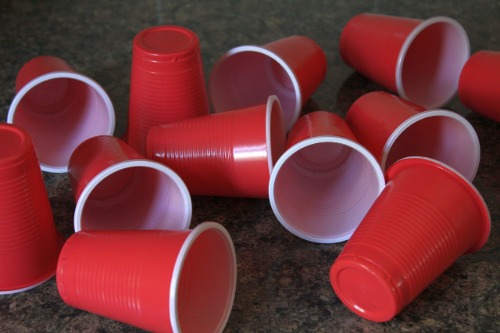
Single-use cups, plates, bags, and utensils are common in the U.S. Convenience often outweighs environmental concern in daily habits. In countries like Germany or Denmark, this would be frowned upon. Reusable items are the norm.
The difference comes from environmental expectations. Americans have long prioritized ease and speed. Other cultures emphasize responsibility and sustainability. Excess waste can be seen as careless.
22. Making casual jokes with people they just met
Americans often use humor early in conversations to break the ice. Jokes are meant to signal friendliness and ease. In cultures like Japan or Finland, this can feel inappropriate. Humor is usually reserved for established relationships.
This reflects different comfort levels with informality. Americans use humor to connect quickly. Other cultures value restraint and context. Joking too soon can feel disrespectful.
This post 22 Things Americans Do Daily That Would Be Socially Unacceptable Elsewhere was first published on American Charm.

