
1. Roads and Highways

Americans are constantly driving over potholes, cracks, and uneven surfaces, and yet, the underlying problems in infrastructure often go unaddressed. Instead of rebuilding roads from the ground up, patch jobs and temporary fixes dominate. Every winter, salt, plows, and temperature swings worsen the damage, making the patches look new for just a few months. Drivers end up spending money on car repairs because the roads are always half-fixed.
The bigger issue is funding and politics. Federal and state budgets often prioritize short-term fixes to show immediate results, even if long-term solutions are cheaper. Engineers argue that fully reconstructing key highways could prevent recurring expenses. Still, “patch and go” remains the preferred method because it’s faster and politically safer.
2. Health Care System

The U.S. spends more per capita on health care than any other country, yet millions remain uninsured or underinsured. Instead of overhauling the system to ensure universal coverage, we see incremental patches like ACA tweaks or short-term emergency funding. These patches help some, but many Americans fall through the cracks. The complexity and bureaucracy of insurance alone make it nearly impossible for people to navigate efficiently.
Hospitals and clinics often implement temporary programs to address gaps in care. These programs can alleviate immediate crises but don’t tackle the systemic issues like skyrocketing drug costs or hospital consolidation. The result is a cycle of stopgap measures without meaningful reform. Patients end up paying more and waiting longer for essential care.
3. Public Education Funding

Schools in America are chronically underfunded, especially in lower-income areas. Instead of addressing inequities directly, districts often rely on temporary grants, fundraising, or short-term staffing fixes. Class sizes remain overcrowded, and aging buildings get patched roofs and outdated technology. Students’ educational outcomes suffer, yet the public debate rarely focuses on comprehensive solutions.
Teachers spend more time managing crises than teaching, and support programs for mental health and enrichment are sporadic. Policymakers frequently tout small funding boosts or pilot programs as victories. Meanwhile, the structural inequities remain untouched. Patchwork solutions give the illusion of progress while leaving deep problems in place.
4. Immigration System
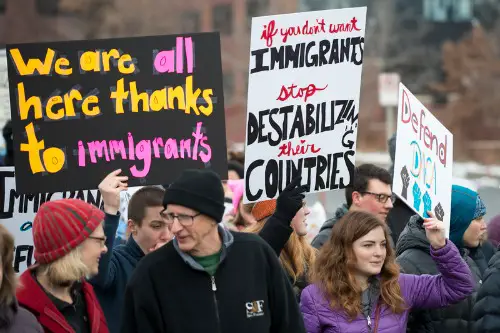
America’s immigration policies have long been criticized for being reactive rather than proactive. Instead of creating a comprehensive pathway to citizenship and modernized border management, temporary measures like travel bans, temporary protected status, or short-term funding are common. Courts and lawmakers repeatedly patch policies as crises emerge. The system becomes a patchwork quilt of conflicting rules, making it confusing and inefficient.
The result is a backlog of millions waiting for green cards, asylum hearings, or work permits. People face uncertainty, while employers struggle with labor shortages. Rather than reforming the bureaucracy, policymakers often focus on short-term optics. Migrants live in a limbo that’s stressful and avoidable.
5. Election Infrastructure
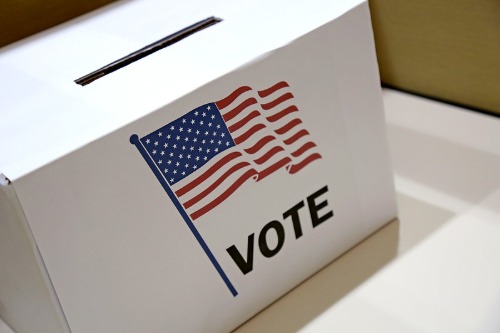
Voting in America frequently faces scrutiny over security, accessibility, and reliability. Many states rely on outdated machines and inconsistent procedures. Patches like emergency funding for new voting machines or temporary software updates are common. But the underlying infrastructure, such as secure databases and uniform standards, remains fragile.
These stopgap fixes also affect public trust. Whenever a problem arises—like machine malfunctions or ballot delays—the response is reactive. Election officials scramble to patch issues just in time for the next cycle. This leaves voters frustrated and suspicion high.
6. Affordable Housing
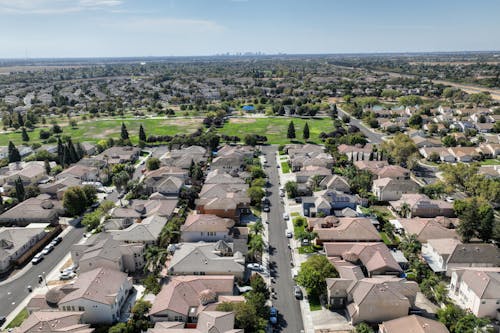
The U.S. has a persistent affordable housing crisis that affects millions of families. Policymakers often respond with small subsidies, temporary tax incentives, or patchwork zoning reforms instead of investing in long-term housing infrastructure. Renters still face skyrocketing prices in major cities. Homeownership remains out of reach for many first-time buyers.
Temporary shelters and short-term rental assistance help in immediate crises but don’t solve systemic problems. Developers often prioritize luxury projects over affordable units because of short-term profit. This approach patches the symptom—homelessness or housing insecurity—without addressing root causes. The cycle repeats every few years with little meaningful change.
7. Public Transportation
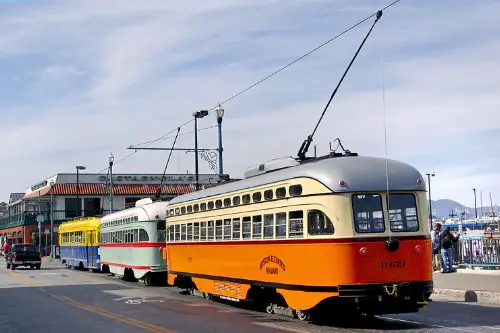
Many American cities struggle with aging public transit systems. Buses and trains often break down, but instead of rebuilding or expanding service, authorities opt for temporary repairs and incremental funding. Riders face delays, overcrowding, and unreliable schedules. The system discourages ridership and increases reliance on cars.
Infrastructure experts argue that long-term planning and investment could modernize transit, reduce emissions, and improve urban mobility. But political cycles often favor short-term solutions that can be implemented quickly. Maintenance gets funded sporadically while expansion projects languish. The result is a patchwork network that can’t meet growing city populations.
8. Social Security

Social Security is a cornerstone of retirement in America, yet its financial sustainability is often questioned. Lawmakers repeatedly patch funding gaps through minor adjustments instead of overhauling the system. Solutions like delaying benefits or modifying payroll taxes temporarily stabilize finances. However, the long-term demographic shift of an aging population is not fully addressed.
Beneficiaries rely on these patches to survive. While small changes help in the short term, the system still faces looming insolvency. Every few years, there’s a political debate that results in minor tweaks rather than a comprehensive plan. Patchwork fixes create uncertainty for future retirees.
9. Criminal Justice Reform

The U.S. criminal justice system is riddled with inequities and inefficiencies. Instead of addressing systemic issues like sentencing disparities or prison overcrowding, policymakers often implement small, reactive fixes. Programs like early release for nonviolent offenders or sentencing adjustments help some but leave larger problems untouched. The system continues to disproportionately affect marginalized communities.
Rehabilitation programs and community initiatives are often underfunded and inconsistent. Legislators tend to favor policies that appear responsive to public outrage rather than structural reform. This leads to cycles of reform and regression. The patchwork approach perpetuates mistrust and recidivism.
10. Veterans’ Services

America prides itself on supporting veterans, yet the system often struggles to provide consistent care. Temporary funding increases, small-scale mental health programs, and patchwork VA initiatives are common. Many veterans face long waits for medical appointments or disability claims. The underlying bureaucratic inefficiencies are rarely addressed.
Nonprofits and community organizations often fill in the gaps, but their resources are limited. Comprehensive solutions like systemic VA reform or housing programs remain stalled. Patches address immediate needs but fail to prevent recurring problems. Veterans end up navigating a maze of temporary fixes.
11. Climate Change Policies

The U.S. frequently reacts to environmental crises rather than proactively addressing climate change. Temporary disaster relief, small emission regulations, or short-term incentives for green technology are more common than sweeping reforms. Extreme weather events, wildfires, and rising sea levels continue to threaten communities. Policies often prioritize immediate political wins over long-term sustainability.
Investments in renewable energy, infrastructure resilience, and carbon reduction are incremental. The result is a cycle of emergency response rather than prevention. Scientists warn that without major systemic changes, the cost of patching will only increase. Yet the political and economic pressures often favor partial measures.
12. Postal Service

America’s postal system is struggling under outdated infrastructure, declining mail volumes, and budget pressures. Instead of modernizing facilities and routes, the USPS often relies on temporary staffing fixes, stopgap funding, and emergency overtime. Mail delays and service inconsistencies frustrate both businesses and everyday people. Packages pile up during peak seasons, revealing cracks in a system that hasn’t been fully upgraded in decades.
Long-term solutions like route optimization, automation, and digital integration are politically and logistically complicated. Meanwhile, Congress frequently passes short-term bailouts to keep the service running. This patchwork approach keeps the USPS functional but far from efficient. Customers and employees bear the brunt of a system kept alive by fixes rather than true reform.
This post 12 Things America Keeps Patching Instead of Fixing was first published on American Charm.

