
1. Detroit
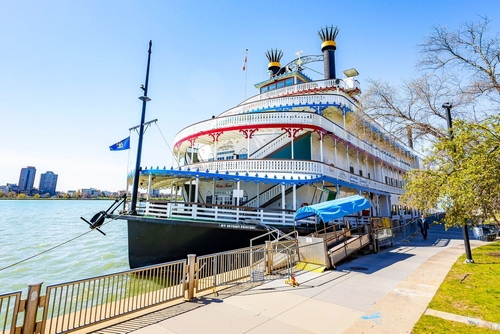
Detroit is still the Motor City, but it doesn’t feel frozen in its industrial heyday anymore. After decades of population loss and economic decline tied to the auto industry’s struggles, the city hit rock bottom with its 2013 bankruptcy. Since then, downtown and Midtown have seen major redevelopment, new businesses, and growing arts scenes. You’ll still find vacant lots and reminders of hard times, but the energy today is very different.
Walk through areas like Campus Martius and you’ll see outdoor events, restaurants, and renovated historic buildings. Young professionals and creatives have been moving in, reshaping neighborhoods that once felt abandoned. At the same time, longtime residents still wrestle with uneven recovery and infrastructure gaps. Detroit today is a story of reinvention rather than collapse.
2. New Orleans
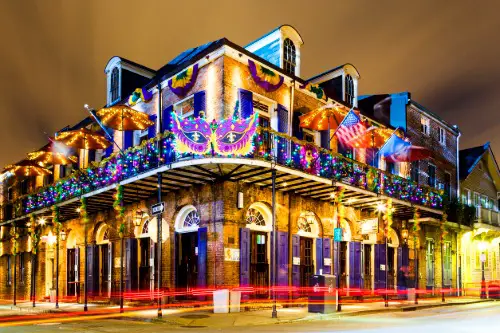
New Orleans still hums with jazz, parades, and Creole flavors, but Hurricane Katrina permanently reshaped the city. The 2005 storm flooded roughly 80 percent of the area and displaced hundreds of thousands of residents. Entire neighborhoods were destroyed, and the population dropped sharply for years. Recovery has been steady but uneven, leaving a city that feels both resilient and altered.
Levees were rebuilt stronger, and many historic districts have been restored with careful attention to culture and architecture. Yet some communities never fully returned, and housing costs have climbed as redevelopment accelerated. The tourism core feels vibrant, while other areas still show gaps where homes once stood. New Orleans today carries both its musical soul and the visible marks of survival.
3. San Francisco
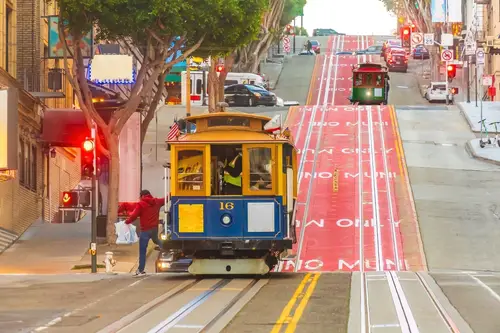
San Francisco’s skyline still hugs the bay, but the city’s rhythm shifted dramatically in the tech boom era. The rise of Silicon Valley wealth drove housing prices to some of the highest levels in the country. Longtime residents and artists were priced out as luxury developments multiplied. The pandemic later emptied downtown offices, reshaping daily life again.
Neighborhoods that once felt bohemian now lean corporate and high-end. Storefront vacancies and remote work have changed the feel of the Financial District. At the same time, parks, waterfront spaces, and food scenes remain lively and beloved. San Francisco still charms, just with a noticeably different crowd and pace.
4. Las Vegas
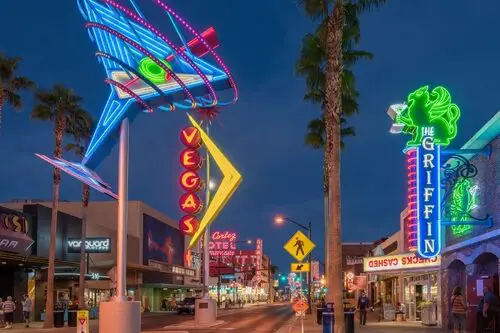
Las Vegas still dazzles with neon and spectacle, but it has grown far beyond a casino playground. Massive population growth turned it into one of the country’s fastest-expanding metro areas. Master-planned suburbs, pro sports teams, and diversified industries reshaped the economy. The city now markets itself as a place to live, not just visit.
The Strip remains iconic, yet locals often spend time far from the tourist core. Residential communities, schools, and tech employers have expanded across the valley. Water concerns and climate pressures also shape planning in ways visitors rarely see. Las Vegas today balances entertainment capital status with real suburban sprawl.
5. Pittsburgh
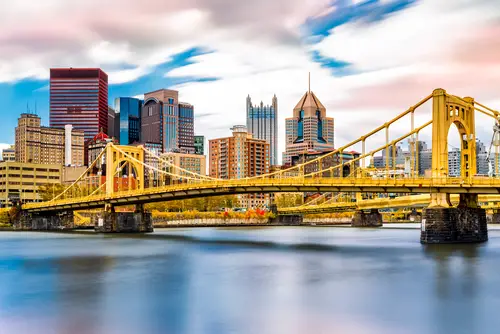
Pittsburgh once symbolized American steel, but the collapse of that industry forced a reinvention. In the 1970s and 80s, mill closures led to steep job losses and population decline. Rather than fade, the city pivoted toward education, healthcare, and technology. Universities and medical centers became the new economic backbone.
Former industrial zones now house robotics labs, startups, and riverfront trails. Neighborhoods feature renovated brick warehouses alongside modern research facilities. The skyline still reflects its industrial past, but the economy tells a different story. Pittsburgh today is often cited as a model for post-industrial recovery.
6. New York City
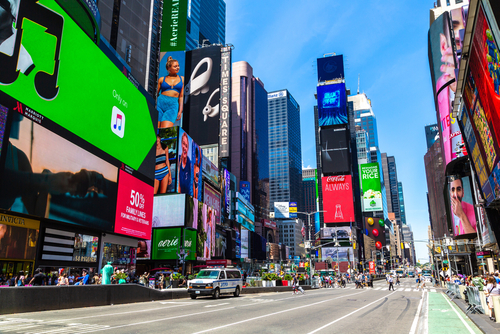
New York City never stops changing, but the post-pandemic era altered its daily pulse. Lockdowns emptied streets, offices, and subway cars that once felt constantly packed. Remote work reshaped commuting patterns and commercial real estate demand. Some longtime businesses closed permanently during the disruption.
Tourism and nightlife have rebounded, though not always in the same form. Outdoor dining structures, bike lanes, and pedestrian spaces became more permanent fixtures. Certain neighborhoods gained residents while business districts adapted to hybrid schedules. New York remains relentless, just with a slightly different rhythm.
7. Seattle
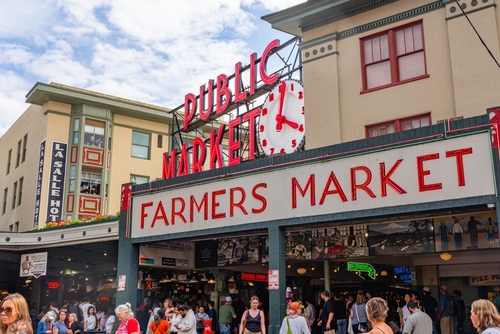
Seattle’s coffee-and-grunge image now shares space with a powerful tech identity. Companies like Amazon and Microsoft fueled rapid job growth and soaring housing costs. Glass towers transformed the skyline and reshaped once-quirky neighborhoods. Population growth brought opportunity alongside infrastructure strain.
Transit expansions and dense apartment developments changed how people live and move. Longtime residents debate affordability and the city’s evolving character. Waterfront renovations and green spaces keep the outdoorsy spirit alive. Seattle today blends startup ambition with Pacific Northwest calm.
8. Miami
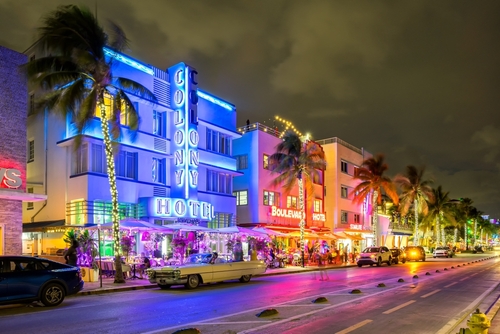
Miami has long been flashy and beachy, but climate realities are redefining its future. Rising sea levels and frequent tidal flooding affect streets even on sunny days. Infrastructure projects now focus heavily on drainage and elevation. Climate resilience is no longer theoretical here.
At the same time, finance and tech firms have expanded operations in the region. Luxury high-rises continue climbing despite environmental risks. Migration from other states boosted population and housing demand. Miami feels like a city racing forward while adapting to water at its doorstep.
9. Route 66 towns
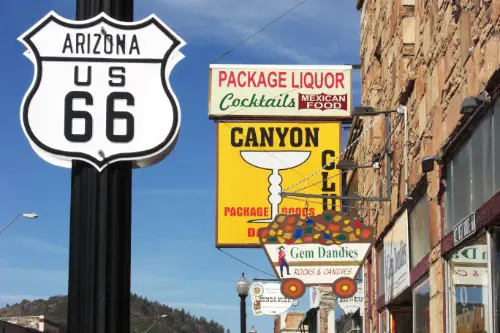
Communities along Route 66 once thrived on cross-country road trips. When interstate highways bypassed them, many towns lost steady visitor traffic. Motels, diners, and gas stations closed as travelers took faster routes. Local economies shrank and populations declined.
Some towns leaned into nostalgia and preservation to draw tourists back. Restored neon signs, vintage storefronts, and museums celebrate highway history. Others remain quiet, with faded infrastructure marking busier decades. These places are still mapped, but their purpose has shifted.
10. Centralia
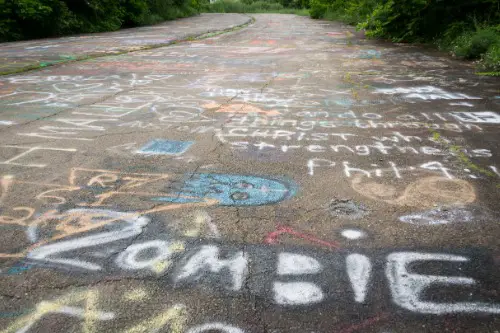
Centralia looks like a near-ghost town because an underground mine fire has burned since 1962. Toxic gases and ground instability forced most residents to relocate. The population dwindled from over a thousand people to just a handful. Streets were removed and buildings demolished for safety.
Graffiti-covered highway remnants became eerie landmarks for visitors. Legal battles eventually ended most municipal functions and services. The fire still smolders beneath the surface today. Centralia remains incorporated, but it no longer functions like a typical town.
11. Gary
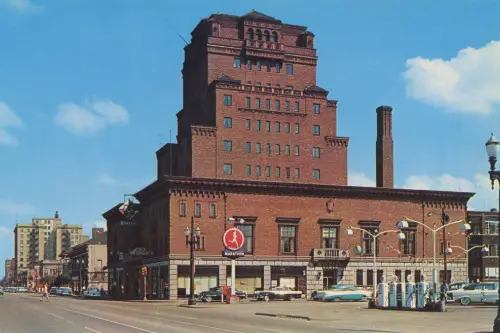
Gary boomed alongside the steel industry during the early 20th century. When manufacturing declined, jobs vanished and population fell sharply. Large areas of housing and commercial space were abandoned. Economic hardship reshaped the city’s footprint.
Recent revitalization efforts focus on downtown redevelopment and lakefront assets. Historic architecture and cultural history remain points of pride. Population is far below its peak, changing neighborhood density. Gary stands as a visible example of industrial rise and fall.
12. Paradise
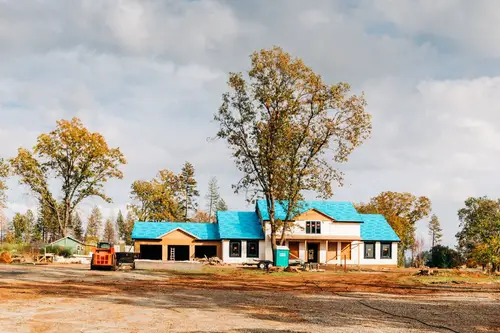
Paradise was largely destroyed by the 2018 Camp Fire, one of California’s deadliest wildfires. The blaze killed dozens of people and leveled thousands of structures. Entire neighborhoods were reduced to ash in a matter of hours. The disaster displaced most residents.
Rebuilding has been gradual, with updated fire safety standards and infrastructure. Some families returned, while others relocated permanently. Empty lots still mark where homes once stood. Paradise exists again, but it feels newly built and deeply changed.
13. St. Louis
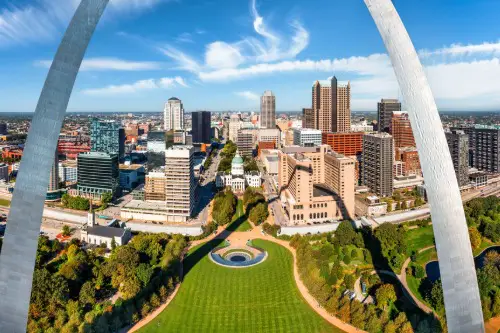
St. Louis remains anchored by the Gateway Arch and Mississippi River heritage. However, population decline and suburbanization shifted where people live and work. Downtown vacancy and neighborhood disinvestment altered the urban core. Economic challenges reshaped city services and density.
New development projects target revitalization through housing and entertainment districts. Cultural institutions and historic neighborhoods still draw visitors. Regional growth trends favor surrounding counties over the city proper. St. Louis today reflects both legacy prominence and modern transition.
This post They’re Still on the Map — But Not the Same as Before was first published on American Charm.

