1. St. Augustine, Florida
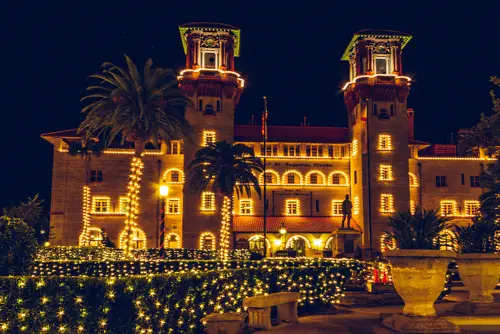
St. Augustine feels older every year because it quite literally is, having been continuously occupied since 1565. Walking its narrow streets, you notice how the Spanish colonial street plan still dictates traffic, crowding, and daily movement. The coquina stone buildings weather visibly in the salt air, giving the town a patina that never looks new for long. Even renovations tend to preserve that worn-in look rather than erase it.
There’s also a demographic reason it feels older. Retirees make up a sizable portion of the population, and many longtime residents have lived there for decades. The pace is slow, especially outside the tourist core, and businesses often cater to tradition over trends. You get the sense that St. Augustine isn’t chasing modernity, and that’s entirely by choice.
2. Deadwood, South Dakota
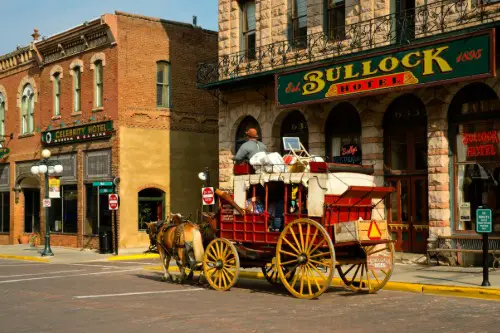
Deadwood’s age shows in its layout, which was never meant for modern traffic or growth. The town rose quickly during the Black Hills Gold Rush, and much of its infrastructure still reflects that improvised origin. Historic brick buildings line Main Street, many dating to the late 1800s. Even restored façades retain soot stains and uneven masonry that speak to their age.
Culturally, Deadwood leans into its past rather than moving away from it. Reenactments, preserved saloons, and strict historic district rules keep the town anchored in the 19th century. Many buildings can’t be significantly altered, which limits modernization. The result is a town that feels frozen in time, aging quietly while the rest of the world speeds up.
3. Galena, Illinois
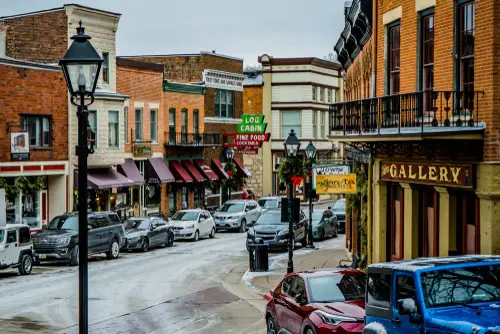
Galena looks older every year because its historic core has been preserved almost too well. Over 85 percent of its buildings are in a National Historic District, most dating to the mid-1800s. The steep hills and narrow streets were designed for horses and wagons, not cars. That mismatch becomes more noticeable as traffic and tourism increase.
The town’s economy also reinforces its aged feel. Many residents work in heritage tourism, antiques, or small local businesses rather than fast-growing industries. New construction is tightly controlled, so visual change is minimal. Galena doesn’t just remember its past; it lives inside it every day.
4. Eureka Springs, Arkansas
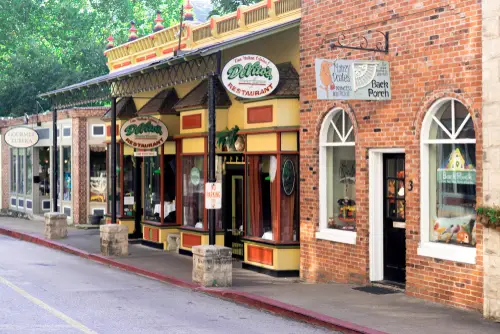
Eureka Springs feels older each year because it was never built to be efficient. The town’s winding roads and staircases were shaped by the Ozark terrain long before modern planning standards. Victorian homes cling to hillsides, many with original foundations and layouts. As they settle and creak, their age becomes more apparent.
The town also attracts people who value its old-soul character. Retirees, artists, and preservationists tend to stay long-term, reinforcing continuity over change. Chain stores are scarce, and local businesses often occupy century-old buildings. The town’s quirks, rather than being smoothed out, are carefully maintained.
5. Bisbee, Arizona
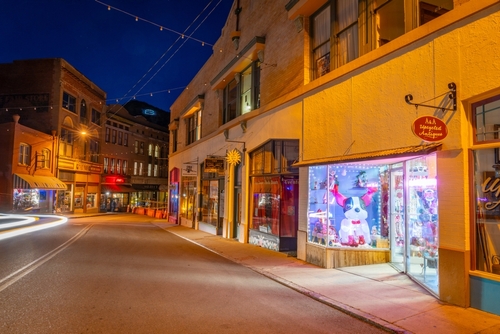
Bisbee’s mining past is impossible to ignore, and that’s why it keeps feeling older. Once a booming copper town, it never fully rebuilt after the mines closed. Weathered brick buildings, abandoned stairways, and aging infrastructure remain part of daily life. The desert climate preserves decay instead of hiding it.
Population trends add to the effect. Many residents are older, and newcomers are often drawn by the town’s historic, off-grid feel rather than modern amenities. Narrow streets and steep staircases discourage rapid development. Bisbee wears its age openly, and that honesty is part of its appeal.
6. Mackinac Island, Michigan
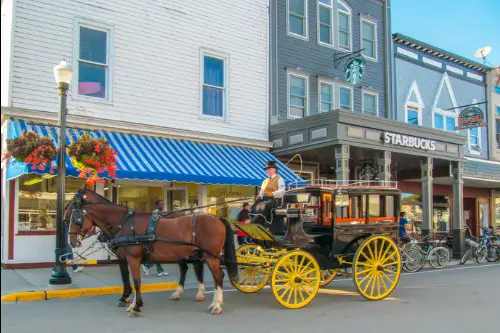
Mackinac Island feels older every year because it has intentionally limited modern technology. Cars have been banned since the late 1800s, leaving horses and bicycles as primary transportation. That alone slows the pace of life and preserves older rhythms. The clip-clop of hooves reinforces the sense of stepping backward in time.
Buildings on the island also show their age. Many date to the Victorian era and are carefully maintained rather than modernized. The seasonal nature of the population means less pressure to update infrastructure year-round. As a result, the island changes very little, and each year adds another layer of nostalgia.
7. Port Townsend, Washington
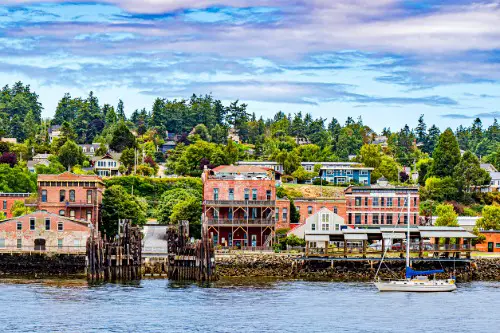
Port Townsend’s age is rooted in dreams that never came true. The town was once expected to become a major West Coast port, leading to overbuilt Victorian architecture. When that growth stalled, the buildings remained, aging gracefully instead of being replaced. Today, those ornate structures dominate the waterfront.
The population skews older, which influences the town’s priorities. There’s strong support for historic preservation and resistance to large-scale development. Maritime trades and arts communities value tradition and craftsmanship. Port Townsend feels like it’s settling into itself rather than reinventing anything.
8. Cape May, New Jersey
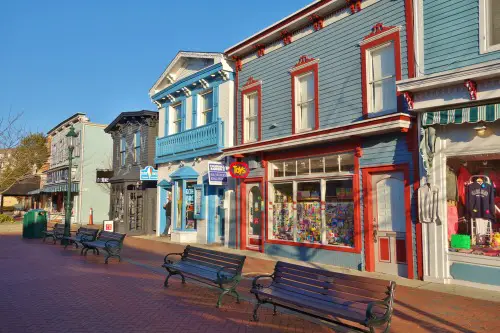
Cape May feels older every year because it has deliberately preserved its 19th-century resort identity. After a massive fire in 1878, the town rebuilt almost entirely in Victorian styles. Those homes and hotels still define the streetscape today. Strict preservation rules keep them from being significantly altered.
The town’s seasonal economy also contributes to its aged feel. During the off-season, Cape May slows dramatically, and many businesses close or shorten hours. Longtime residents and retirees dominate the winter months. That quiet, slightly faded atmosphere makes the town feel older than its calendar age.
9. Natchez, Mississippi

Natchez feels older because its physical reminders of the past are everywhere. Antebellum homes, some dating back over 200 years, line the bluffs above the Mississippi River. These structures require constant upkeep, and their aging details are visible up close. The town’s layout still reflects its early role as a river port.
Socially, Natchez moves at a measured pace. Many families have lived there for generations, creating strong continuity. Economic growth has been slow, which limits new construction. The result is a town that feels like it’s gently aging in place.
10. Santa Fe, New Mexico
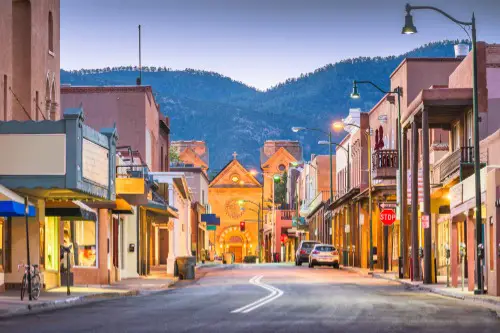
Santa Fe feels older every year because it enforces a specific architectural identity. Adobe-style construction is mandated in many areas, even for new buildings. That makes it hard to visually distinguish old from new, blurring the sense of time. The city’s earthy materials also weather quickly, emphasizing age.
Culturally, Santa Fe values tradition. Indigenous, Spanish, and Anglo histories are actively preserved and celebrated. Many residents are longtime locals or retirees drawn by the slower pace. Modern changes happen, but they’re carefully filtered through a historic lens.
11. Harpers Ferry, West Virginia
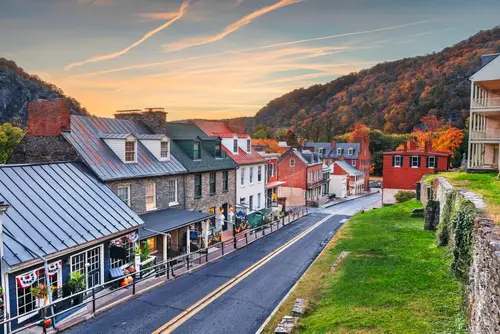
Harpers Ferry feels older because so much of it is preserved as a historical site. Large portions of the town are managed by the National Park Service. Buildings, streets, and even signage reflect 19th-century appearances. That level of preservation limits everyday modernization.
The town’s small permanent population adds to the feeling. Many people commute elsewhere for work, leaving Harpers Ferry quiet after daytime visitors leave. Infrastructure updates are slow and carefully regulated. Each year, the town feels a little more like a living museum.
12. Jim Thorpe, Pennsylvania
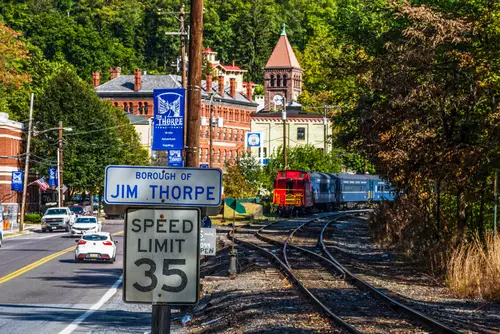
Jim Thorpe feels older every year because its industrial past is still visible. Former coal-era buildings line the streets, many repurposed but not fully renovated. The town’s steep hills and narrow roads were built for a different era. Those constraints are more noticeable as time goes on.
Tourism keeps the past front and center. Visitors come specifically for the historic architecture and old-world atmosphere. Local businesses often lean into that identity rather than modern branding. The town ages publicly, with very little effort to hide it.
13. Portsmouth, New Hampshire
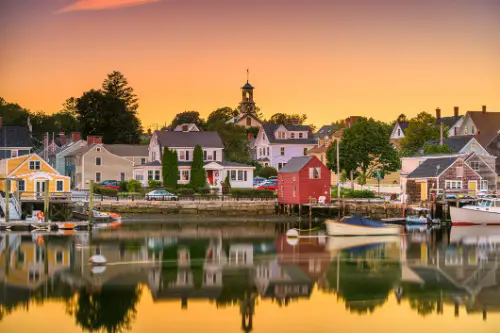
Portsmouth feels older thanks to its long maritime history. Many buildings date back to the 1700s and early 1800s, especially near the waterfront. Salt air and harsh winters leave visible wear on wood and brick. That weathering adds character but also highlights age.
The town has grown more expensive, skewing the population older. Longtime residents and retirees dominate certain neighborhoods. Preservation ordinances limit dramatic change. Portsmouth evolves slowly, carrying its past forward year after year.
14. Taos, New Mexico
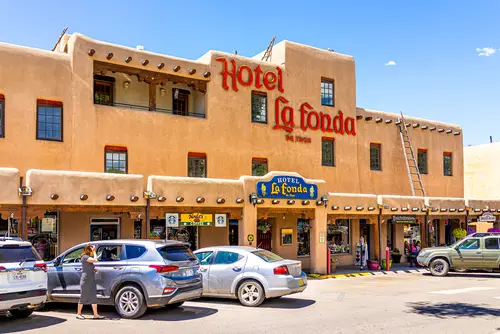
Taos feels older every year because it is deeply rooted in ancient traditions. Taos Pueblo has been continuously inhabited for over 1,000 years and still influences the town’s identity. Adobe buildings throughout the area echo that architectural heritage. The materials age visibly, reinforcing a sense of continuity.
The modern town mirrors that slower rhythm. Many residents value tradition, art, and land over rapid development. Growth happens cautiously, often meeting resistance. Taos doesn’t just remember history; it lives alongside it, letting time show openly.
This post These 14 U.S. Towns Feel Older Every Year—and It Shows was first published on American Charm.