
1. New York

New York has been losing residents at one of the fastest rates in the country, especially since 2020. High rents, high taxes, and remote work made it easier for people to leave New York City without leaving their jobs. The exodus showed up in empty apartments and reduced subway ridership. Even suburbs that once boomed started to feel softer demand.
While immigration cushions the blow, domestic outmigration remains a challenge. Some upstate cities continue to struggle with aging populations and limited job growth. Budget pressures rise when fewer high earners stay put. The state’s population loss is now part of its political and economic calculations.
2. California

California has posted sustained net domestic outmigration in recent years, and it’s visible in places like downtown San Francisco and parts of Los Angeles. Sky-high housing costs, long commutes, and concerns about public safety have pushed many middle-income families to look elsewhere. Tech layoffs amplified the trend by loosening the tie between high-paying jobs and high-cost cities. When moving trucks outnumber moving vans in some neighborhoods, the shift is hard to miss.
The state still grows through international immigration, but that hasn’t fully offset residents leaving for cheaper states. School enrollments have dipped in several districts, especially in coastal metros. Small businesses in urban cores have felt the loss of daily foot traffic. It’s less a collapse than a slow drain that keeps adding up.
3. Illinois

Illinois has been a steady population loser for over a decade, and the pattern hasn’t really changed. Residents frequently cite property taxes, pension concerns, and slow population growth in Chicago. When surrounding states offer lower costs and similar jobs, the choice feels obvious to many families. Census counts have reflected these ongoing departures.
Outside Chicago, many small towns are shrinking as young people move away. School consolidations and vacant storefronts are common in rural areas. The state has made progress on fiscal stability, but perception lags reality. Until confidence returns, outmigration remains a drag.
4. Louisiana

Louisiana’s population losses accelerated after repeated natural disasters and economic uncertainty. Hurricanes, flooding, and insurance costs have made rebuilding feel like an endless cycle for some residents. Energy sector volatility has also contributed to job instability. When people leave after storms and don’t return, communities thin out.
New Orleans and coastal parishes have seen noticeable declines. Labor shortages in healthcare and education reflect people moving elsewhere. Infrastructure strains grow when fewer taxpayers remain. The state’s losses are tied closely to climate and resilience challenges.
5. Mississippi
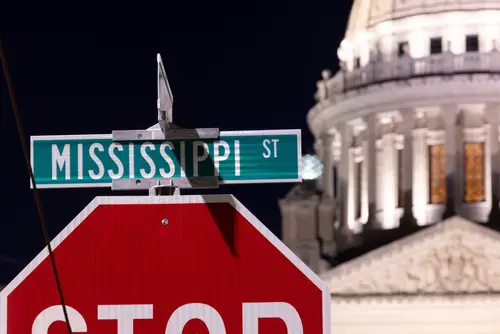
Mississippi continues to lose residents as job opportunities lag behind other regions. Lower wages and limited healthcare access push younger workers to relocate. Rural counties are especially affected as populations age and shrink. The change shows up in closing hospitals and consolidating schools.
Even urban areas haven’t fully offset rural losses. Brain drain is a persistent issue for the state. Federal investments help, but progress is slow. Over time, steady outmigration reshapes local economies.
6. West Virginia
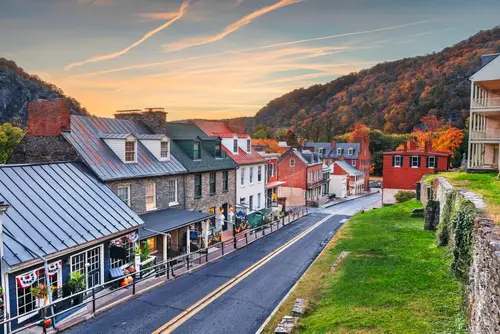
West Virginia has been one of the fastest-shrinking states by percentage for years. The decline of coal and limited diversification left many communities without replacement industries. Younger residents often leave for education and don’t come back. Empty homes and declining tax bases are common in former mining towns.
An aging population compounds the issue. Healthcare access becomes harder as hospitals close or downsize. Infrastructure maintenance gets tougher with fewer residents. The loss is gradual but deeply visible.
7. Alaska
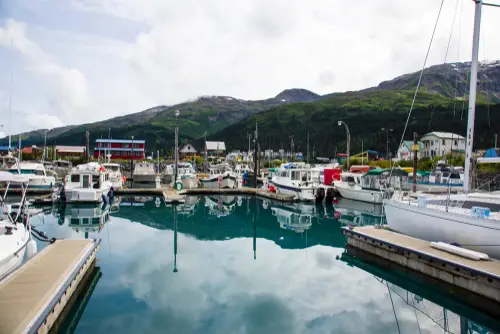
Alaska’s population decline is tied to a cooling energy sector and high living costs. Oil production jobs have become less stable, reducing the draw for new residents. Isolation and expensive goods make relocation easier to justify. The state has seen more people leave than arrive in recent years.
Military transfers once helped stabilize numbers, but that effect has weakened. Some remote communities are shrinking quickly. Schools in certain districts report falling enrollment. Alaska’s losses reflect both economic shifts and lifestyle tradeoffs.
8. Hawaii

Hawaii has experienced notable population loss as housing costs surged. Many residents moved to the mainland for cheaper homes and broader job options. The tourism downturn during the pandemic accelerated departures. Even as visitors returned, residents didn’t all follow.
Young families have been especially likely to leave. Public schools and local businesses have felt the impact. High utility and food costs remain a barrier to retention. The paradise premium has become too steep for many locals.
9. Connecticut
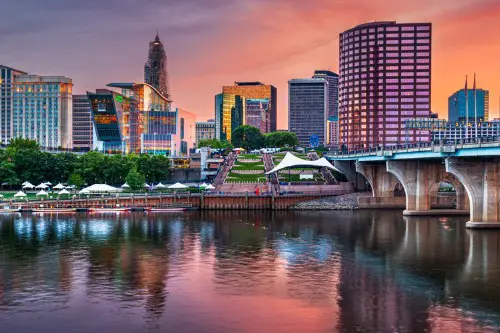
Connecticut has long struggled with slow growth and recent population losses. High taxes and a limited housing supply have pushed residents toward nearby states. The rise of remote work made leaving easier without changing jobs. Commuter patterns shifted almost overnight.
Some coastal towns remain affluent, but inland areas continue to lose people. An aging population adds pressure to public services. Efforts to attract new residents are ongoing. The state’s challenge is keeping working-age households.
10. New Jersey
New Jersey has seen consistent domestic outmigration despite strong job markets nearby. High property taxes are a frequent reason residents cite for leaving. Families often move to Pennsylvania or the South for more space and lower costs. The losses show up in suburban school enrollments.
Proximity to New York no longer guarantees retention. Remote work weakened the appeal of long commutes. While the state remains densely populated, growth has stalled. The churn is noticeable even without dramatic decline.
11. Pennsylvania

Pennsylvania’s population has edged downward due to slow growth and outmigration. Western parts of the state, in particular, continue to lose residents. Manufacturing decline and aging demographics play a role. Younger workers often head to faster-growing states.
Philadelphia and its suburbs offset some losses but not all. Rural areas face shrinking labor pools. Infrastructure costs rise as populations thin out. The state’s decline is quiet but persistent.
12. Massachusetts

Massachusetts posted population losses in recent years as housing costs soared. Even with strong job markets, affordability pushed residents elsewhere. Boston’s rents became a breaking point for many middle-class households. The effect showed up in net migration numbers.
Some growth has since returned, but the affordability issue remains. Families looking for starter homes often leave the state. Long-term retention is still uncertain. The earlier losses revealed how sensitive the state is to housing pressures.
13. Oregon
Oregon experienced population decline as housing costs rose and growth slowed. Portland, once a magnet for newcomers, saw residents move out. Public safety concerns and remote work influenced decisions. The shift marked a reversal from years of steady growth.
Rural areas also struggled to attract new residents. Job growth outside tech and healthcare lagged. Statewide losses were modest but meaningful. The change signaled a cooling of Oregon’s appeal.
14. Iowa

Iowa has seen population losses tied to limited job growth and rural decline. Young adults often leave for larger metro areas elsewhere. Agricultural consolidation reduced employment in small towns. These shifts steadily reduce local populations.
Urban areas like Des Moines help, but not enough to offset losses. School districts in rural counties continue to merge. Workforce shortages are becoming common. The state’s challenge is retaining younger residents.
15. Kansas
Kansas rounds out the list with ongoing population decline in many counties. Rural outmigration and slow wage growth drive the trend. Some western counties lose residents year after year. The pattern shows up in shrinking towns and aging populations.
Metro areas like Kansas City help stabilize numbers, but rural losses persist. School closures and hospital access remain concerns outside cities. Job growth hasn’t kept pace with neighboring states. The result is a slow, steady population drain that’s hard to reverse.
This post These 15 U.S. States Are Losing Residents So Fast It’s Starting to Show was first published on American Charm.

