
1. Celebration
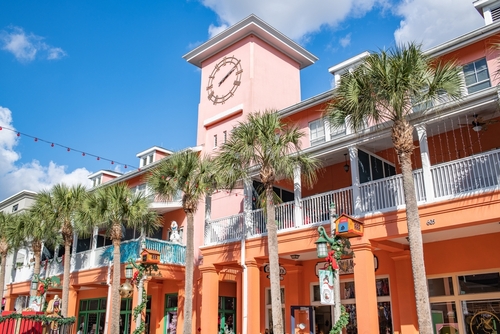
Celebration was developed by the Walt Disney Company in the 1990s as a master-planned community inspired by small-town America. The streets are walkable, the houses have welcoming front porches, and the downtown is designed for lingering. Parks, schools, and shops sit close together so daily life happens at a human pace. It feels intentional in a way most suburbs don’t.
It’s included because it was purpose-built around New Urbanist ideas that push back against car-heavy sprawl. Strict architectural guidelines keep the town visually cohesive and nostalgic. The layout encourages neighbors to actually see each other and share public space. It’s a modern experiment in recreating an old-fashioned sense of community.
2. The Villages
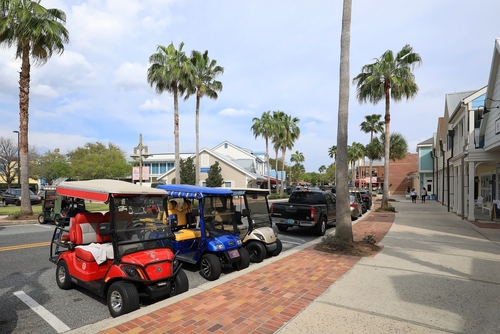
The Villages is one of the largest retirement communities in the world, designed specifically for residents aged 55 and up. Neighborhoods are connected by extensive golf cart paths that many people use instead of cars. Town squares host free nightly entertainment, from live bands to dancing. Recreation centers and clubs fill nearly every interest you can imagine.
It makes the list because it rethinks what everyday life after retirement can look like. Social life isn’t an afterthought here, it’s the main event. The entire layout reduces friction for staying active and meeting people. It’s a city-scale environment built around aging differently.
3. Levittown
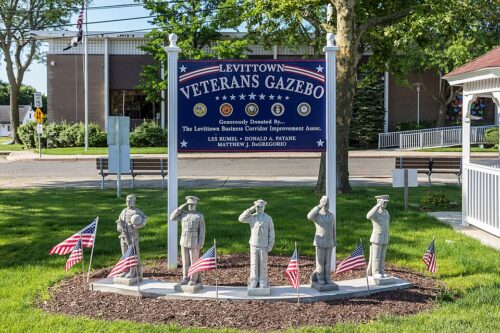
Levittown emerged after World War II as one of America’s first mass-produced suburbs. Rows of nearly identical houses could be built quickly and affordably for returning veterans and their families. The design emphasized private yards, quiet streets, and separation from dense urban cores. It became a symbol of the mid-century American Dream.
It’s here because it pioneered a new way of living centered on automobile commuting and suburban privacy. Developers standardized construction to make homeownership attainable at scale. Entire communities could appear almost overnight using assembly-line techniques. That model reshaped American housing for decades.
4. Seaside

Seaside is a pastel-colored beach town that looks straight out of a movie, and in fact it was a filming location for The Truman Show. Narrow streets, picket fences, and pedestrian paths make walking the easiest way to get around. Homes sit close to sidewalks, encouraging casual interaction. The town center is compact and lively rather than sprawling.
It belongs on this list because it became a showcase for New Urbanist planning in the 1980s. Designers intentionally rejected conventional car-dominated coastal development. Mixed-use spaces keep daily needs within a short stroll. It’s a resort town built around people instead of traffic.
5. Reston
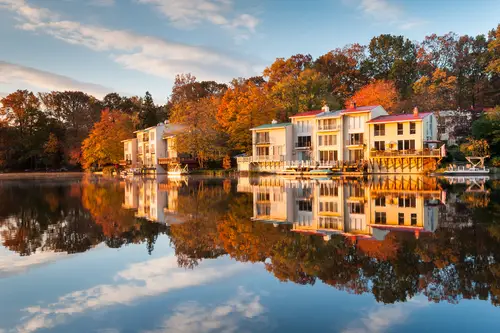
Reston was founded in the 1960s as a master-planned community organized around village centers. Each cluster combines housing, shopping, offices, and green space within walking distance. Miles of trails connect neighborhoods to lakes and recreational areas. The design aimed to blend suburban comfort with urban convenience.
It’s included because its founder wanted residents to live, work, and play without long commutes. Mixed housing types welcomed different income levels into the same areas. Preserved natural landscapes were treated as core infrastructure, not leftovers. Reston helped popularize balanced, self-contained suburban planning.
6. Greenbelt

Greenbelt was created in the 1930s as part of a New Deal experiment in cooperative community living. Homes were arranged around shared green spaces instead of traditional street grids. Pedestrian pathways separated walkers from cars for safety and comfort. A cooperative spirit shaped early governance and services.
It makes the list because it was federally planned to test a different social and physical design for towns. The layout encouraged neighbor interaction and shared responsibility. Access to nature was treated as essential to daily life. Greenbelt still reflects that Depression-era vision of collective well-being.
7. Pullman Historic District
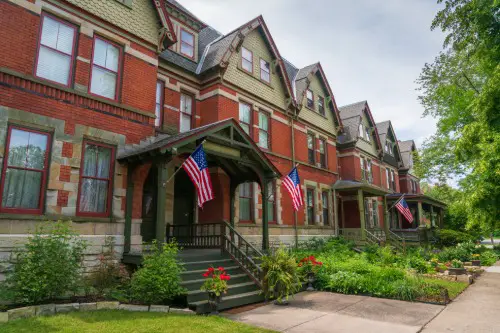
Pullman was built in the 1880s as a company town for workers who manufactured railroad sleeping cars. Housing, shops, churches, and factories were all owned by the Pullman Company. The neighborhood featured sturdy brick homes and landscaped streets uncommon for industrial workers at the time. It was designed to impose order and stability on employees’ lives.
It’s included because it represents an early attempt to engineer a model industrial society. The company controlled rents and community rules, tying daily life to employment. Tensions over that system eventually led to the famous Pullman Strike of 1894. Today the preserved district shows how corporate planning shaped worker life.
8. Irvine
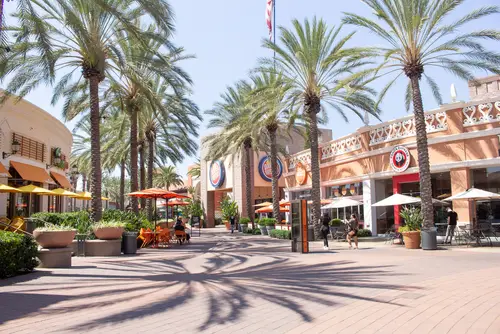
Irvine is a master-planned city developed largely by the Irvine Company beginning in the 1960s. Neighborhood “villages” were designed with their own schools, parks, and shopping centers. Curving residential streets feed into major arterial roads to reduce through traffic in housing areas. Extensive bike paths and greenbelts weave through the city, separating recreation from roadways.
It’s included because it was intentionally built as a controlled, comprehensively planned suburban environment. Zoning carefully separated residential, commercial, and industrial uses for predictability and order. Large portions of land were reserved for open space and university uses from the start. Irvine represents a corporate-led vision of organized, low-chaos suburban living.
9. Sun City
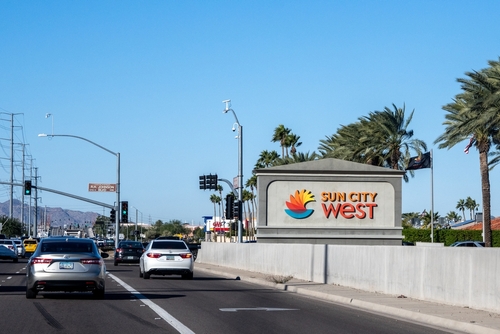
Sun City opened in 1960 as the first large-scale, age-restricted retirement community in the United States. It offered affordable homes bundled with golf courses, pools, and recreation centers. Marketing focused on leisure, sunshine, and an active lifestyle after work life ended. The concept proved wildly popular with retirees.
It’s on this list because it helped invent the modern retirement lifestyle community. Age restrictions shaped everything from amenities to programming. Residents could build social circles with peers in similar life stages. It reframed retirement as a vibrant chapter rather than a slowdown.
10. Mackinac Island
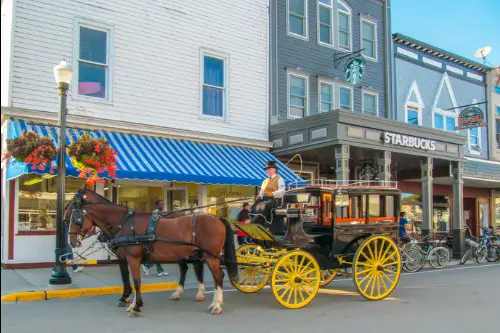
Mackinac Island feels like stepping back in time the moment you arrive. Most motor vehicles are banned, so transportation happens by bicycle, horse-drawn carriage, or on foot. Victorian architecture and waterfront views add to the old-world atmosphere. The pace of life slows naturally without engine noise.
It’s included because it preserves a car-free lifestyle rare in modern America. Daily routines revolve around human-scale movement and tourism rhythms. The absence of traffic changes how people interact with streets and public spaces. It’s a living example of mobility shaping community culture.
11. Serenbe
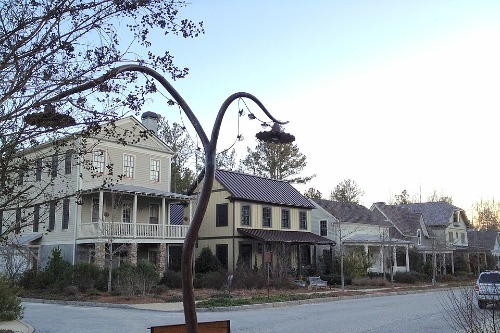
Serenbe is a wellness-focused community built on preserved rural land outside Atlanta. Homes cluster into hamlets connected by trails, farms, and natural areas. Organic agriculture and green building practices are core design principles. Shops and restaurants sit within easy walking distance.
It makes the list because it centers daily life around health and environmental sustainability. Residents can access fresh food grown steps from their doors. The layout encourages walking, outdoor time, and social connection. It’s a modern attempt to blend village living with ecological responsibility.
12. Arcosanti
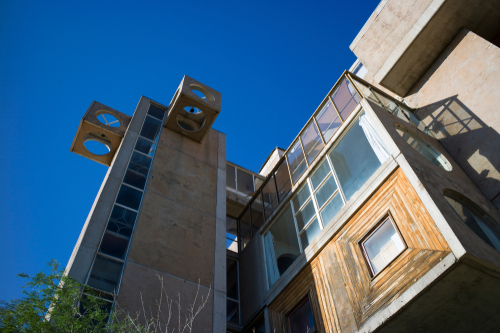
Arcosanti is an experimental town founded in 1970 by architect Paolo Soleri. It was built to explore “arcology,” the fusion of architecture and ecology. Structures are compact and multi-use to reduce sprawl and environmental impact. The desert setting doubles as a living laboratory for sustainable design.
It’s included because it’s a real-world test of radically dense, low-impact living. Residents share resources and spaces in ways uncommon in typical towns. The design challenges assumptions about land use and urban growth. Even unfinished, it remains one of America’s boldest planning experiments.
This post These U.S. Communities Were Built for a Different Way of Life was first published on American Charm.

