
1. Seattle, Washington

Seattle has gorgeous scenery and a reputation for being tech‑forward, but it also brings big challenges for families. Home prices are sky‑high, often pushing families to suburbs hours away from work and school. The weather — long gray winters — can wear on people used to more sunshine. And homelessness in parts of the city is a daily reality that parents can’t ignore.
While schools overall perform well, the cost of after‑school care and extracurriculars is steep. Crowded highways and limited public transit in some neighborhoods add to daily stress. Parents moving from smaller cities may feel like they traded one problem for another. Seattle’s beauty is real, but it doesn’t cancel out the financial and logistical headaches.
2. Austin, Texas
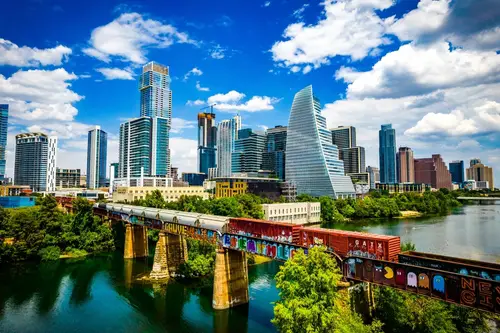
Austin seems like the quintessential family‑friendly city with its live music and outdoor culture, but the reality hits when you look deeper. The cost of living has soared far above the national average, making housing prohibitively expensive for many families. Traffic congestion has become a daily battle, turning what should be a quick school commute into a long drive. And while there are good schools, rapid growth has stretched classroom sizes and resources thin.
Beneath the friendly vibe, the city’s fast expansion has outpaced infrastructure. Parks are great, but weekends mean crowded trails and long wait times for activities. Families moving from quieter towns often underestimate how quickly “fun traffic” becomes just plain frustrating. If you value calm mornings and affordable living, Austin’s hustle may not be ideal.
3. Denver, Colorado

Denver attracts families with its outdoor lifestyle and sunshine, but it’s not all idyllic. The housing market has become one of the least affordable in the country, squeezing family budgets. Traffic leaving and entering the city during peak times can feel like a slow crawl. Plus, rapid growth has strained many school districts, leading to overcrowding.
The cost of living extends well beyond housing, affecting groceries, childcare, and entertainment. What once felt like a manageable mid‑sized city now feels sprawling and expensive. Some suburbs offer relief, but that often means longer commutes. If peace and affordability are priorities, Denver may fall short.
4. San Diego, California

San Diego’s beaches and temperate weather sound like a dream, but daily family life comes with a price tag. Housing costs are astronomical, even compared to other California cities. Many families spend hours each week commuting to school, work, and activities because they can’t afford to live near everything. Traffic is a constant companion, even in areas that look quiet on weekends.
The weather is near perfect, but that invites everyone to be out and about, making lines and crowds feel endless. Public transit is limited compared to the city’s size, so a car is almost a necessity. For families who crave space and budget breathing room, San Diego can be tougher than it looks. It’s hard to enjoy paradise when you’re stretched thin.
5. Portland, Oregon

Portland’s reputation for quirky culture and green spaces attracts families initially, but the downsides are real. Like many West Coast cities, housing prices have climbed significantly. Traffic congestion and limited highway options make school runs and errands longer than expected. Some neighborhoods also grapple with safety and maintenance issues that can concern parents.
The urban core feels vibrant, but families looking for calm often find it chaotic. Public transit doesn’t reach every suburb in a way that makes daily life easy without a car. School quality varies widely between neighborhoods, requiring deep research before moving. Portland may charm visitors, but day‑to‑day living brings stress many don’t anticipate.
6. Miami, Florida
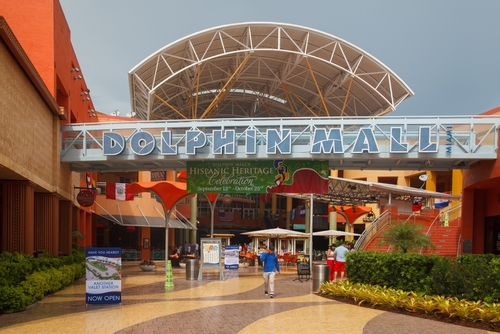
Miami’s sunny weather and cultural diversity seem great for kids, but practical family life is harder. The cost of living and housing has climbed faster than incomes in many areas. Traffic is notoriously bad, especially during peak tourist seasons. And while there are excellent schools, others lag behind, so choices matter more here than in some markets.
The city’s susceptibility to hurricanes adds another layer of anxiety for parents. Insurance costs — for homes, cars, and even flood coverage — can skyrocket budgets. Public transit is limited, making a car essential for family logistics. What looks like a vibrant coastal city can feel like a logistical puzzle for everyday family life.
7. Nashville, Tennessee

Nashville’s music scene and Southern charm are big draws, but the city isn’t always easy for families. Rapid growth has made housing expensive, with prices far above what many expect in Tennessee. Traffic congestion especially around popular neighborhoods makes daily travel slow. And while there are good schools, the influx of new residents has strained capacity and quality consistency.
Entertainment options abound, but they come with crowds and costs. Weekends in hotspots feel more like tourist season than family downtime. Families seeking affordable, quiet living might feel pinched here. Nashville’s energy is infectious, but everyday family life may feel more hectic than harmonious.
8. San Francisco, California

San Francisco feels like a cultural epicenter with great food and history, but families face serious hurdles. Housing prices here are among the highest in the nation, often forcing families into tiny spaces. Commute times — whether by car or transit — can easily eat up hours each day. And many good schools are oversubscribed and competitive to access.
The city’s high cost of living extends to childcare, groceries, and activities. Neighborhoods that seem safe and welcoming can still be blocks from visible homelessness challenges. Outdoor spaces are lovely but can feel crowded in a dense urban setting. For many families, the dream of living here meets the reality of stretched budgets and schedules.
9. Boston, Massachusetts

Boston’s rich history and top‑tier universities are impressive, but family life here isn’t without frustrations. Housing costs and property taxes rank high, making budgets tight for many households. Traffic and parking are constant headaches, especially in older, narrow streets. The school system is strong in some districts, but uneven in others, requiring careful neighborhood choice.
Winter weather adds another layer of challenge for parents ferrying kids around. Snow days can turn routines upside down and make daily life unpredictable. Public transit is powerful but crowded during rush hours. The charm of Boston doesn’t erase the practical stressors families face here.
10. Los Angeles, California

Los Angeles looks glamorous and exciting, but families often struggle with daily life here. Long traffic commutes are infamous, turning short distances into long drives. Housing costs are high in most family‑friendly neighborhoods, pushing many to far out suburbs. And while there are good schools, quality varies widely by area.
Air quality and smog can be a concern for parents with young children, especially in summer months. Public transit options are improving but still limited compared to the city’s scale. Activities for kids often require driving significant distances, which adds time and expense. LA’s sprawl and cost make what looks beautiful on Instagram less appealing in reality.
11. Chicago, Illinois

Chicago’s museums, parks, and lakefront suggest a family wonderland, but real life is more complex. Certain neighborhoods struggle with crime rates that are higher than many expect. Property taxes are among the highest in the nation, putting pressure on family budgets. Winters are brutally cold, with snow and wind that make outdoor time tough for months.
Public transit is strong in some parts but unreliable in others, making daily logistics tricky. School quality varies greatly between neighborhoods, requiring research to avoid disappointment. Traffic congestion downtown and near airports adds stress to routine trips. Chicago’s cultural richness doesn’t erase the practical challenges many families encounter.
12. Orlando, Florida

Orlando may look like a kid’s paradise thanks to theme parks, but everyday life isn’t always magical. The cost for housing and property insurance has increased significantly in recent years. Traffic around major attractions can be overwhelming, especially during peak tourist seasons. And while there are solid schools, others lag behind, making district research essential.
Weather also brings intense heat and humidity for much of the year. Hurricanes and storms are recurring concerns for families considering long‑term residency. Public transit is limited, so a car is critical for navigating daily needs. Orlando’s fun factor doesn’t automatically translate into a smooth family life.
13. Minneapolis–Saint Paul, Minnesota

The Twin Cities are often touted for quality of life, but families should know the downsides. Winters in Minneapolis–Saint Paul are long and harsh, with temperatures that can feel extreme. While housing is more affordable than coastal cities, property taxes are high. Traffic isn’t terrible, but snow removal and icy roads can make commutes stressful.
Some schools perform exceptionally well, but others don’t, so district choice matters. Outdoor activities are amazing in summer, but months of cold can limit family fun. Public transit is decent but far from comprehensive. The climate and expense balance can be tougher than newcomers expect.
14. Raleigh, North Carolina

Raleigh’s reputation as a family destination comes with hidden frustrations. Rapid growth has driven up housing costs faster than incomes. Commutes are getting longer as suburbs expand outward. While schools are generally strong, some districts are now facing overcrowding and stretched resources.
The city’s tech and research job market brings professionals, but also competitive real estate pressure. Recreational amenities are great, but weekends can feel packed. Public transit options are limited compared to city growth. Raleigh’s surface appeal doesn’t always match the everyday reality for families moving in.
This post These 14 U.S. Cities That Look Perfect for Families—but Aren’t was first published on American Charm.

