
1. Conroe, Texas
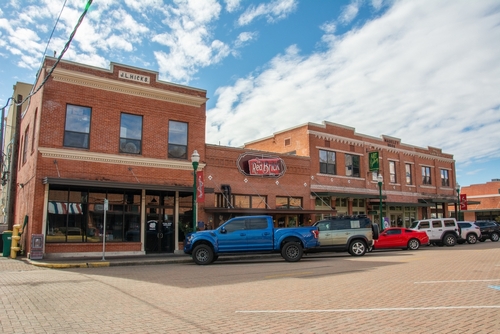
Conroe was a quiet town north of Houston until the past decade, when a massive population boom pushed city services and utilities, especially water supply, to their limits. Officials had to temporarily pause parts of new home construction because existing wells and treatment plants couldn’t keep up with hundreds of new residents moving in. The city scrambled to expand water capacity while also balancing demands from developers eager to keep building. What was once affordable growth became a real juggling act between infrastructure and population.
The city’s struggle became a cautionary tale for planners: rapid growth can easily outpace roads, schools, and emergency services. Residents in new subdivisions often experienced delays in water hookups and streets under construction. The tension between development and public service capacity became a central political topic. Conroe now represents the challenge of booming suburbs trying to grow responsibly.
2. Princeton, Texas
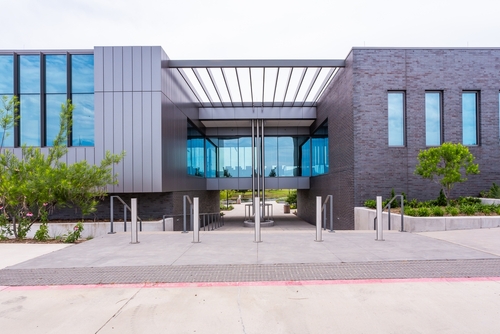
Princeton’s population surged by nearly a third in a single year as people moved from pricier Dallas neighborhoods in search of more space. This rapid expansion strained the town’s roads, utilities, and public services that weren’t designed for such a sudden influx. City leaders had to temporarily pause new residential construction to give water, sewer, and road systems time to catch up. Residents watched their quiet town transform into a bustling suburb almost overnight.
The boom brought jobs and retail stores, but also traffic congestion and stretched emergency services. Planning teams are racing to align schools, utilities, and roads with continued population increases. Residents now experience construction zones, detours, and crowded streets as the town expands. Princeton shows how fast growth can challenge the quality of life even while boosting the local economy.
3. Celina, Texas
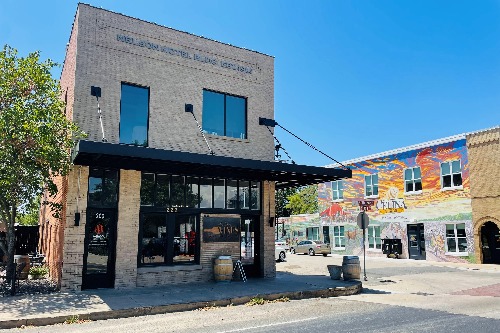
Celina has exploded from a small town into one of the fastest-growing suburbs in the Dallas–Fort Worth area. Population growth has put enormous pressure on water, sewer, and road infrastructure, which was never designed for so many residents. Officials have had to plan new east-west roads, expand water systems, and manage storm drainage to keep pace with construction. New subdivisions rise weekly, but infrastructure upgrades sometimes lag behind.
Residents enjoy new amenities, but they also notice longer commutes and crowded schools. City meetings often focus on balancing growth with quality of life. Celina demonstrates the challenges of small towns suddenly becoming large suburbs. The town is a textbook example of growth outpacing planning.
4. Kiryas Joel, New York
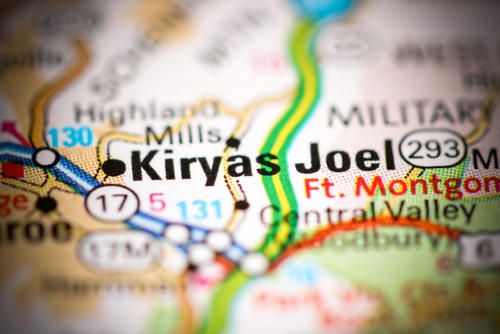
Kiryas Joel’s growth has been almost entirely natural, driven by one of the highest birth rates in the country. Its population expanded rapidly over the early 2000s, creating pressure on housing, schools, and utilities. To accommodate families, the village annexed land multiple times, which sometimes sparked disputes with neighboring communities. Infrastructure development lagged behind population growth, forcing planners to play catch-up.
The town’s rapid expansion challenged zoning and land-use planning. Schools had to add classrooms quickly, and roads experienced more traffic than designed. Utilities, including water and sewer systems, stretched to serve the growing community. Kiryas Joel shows that even high birth rates alone can create town planning crises.
5. Pithole, Pennsylvania

Pithole exploded almost overnight during the 1865 oil boom, going from wilderness to a bustling town of nearly 20,000. Hotels, pipelines, and a large post office were built within months to serve workers and speculators. Streets were laid out and businesses opened faster than any normal town could manage. The pace of growth was breathtaking but unsustainable.
When the oil ran out and fires destroyed parts of town, residents left just as quickly. Within a decade, the town was abandoned and unincorporated. Buildings and infrastructure built for a large population were left empty. Pithole remains a historic example of a boomtown that couldn’t handle its own growth.
6. Jeffrey City, Wyoming
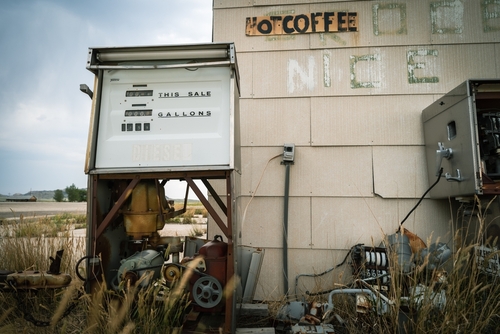
Jeffrey City became a bustling community during the uranium boom of the mid-20th century, growing from a tiny settlement to thousands of residents almost overnight. Schools, stores, and recreation facilities were built to serve miners and their families. Growth was rapid, but tied entirely to one industry.
When uranium demand collapsed, the population plummeted by more than 95% in just a few years. Homes and public buildings built for thousands sat mostly empty. The town is now nearly deserted, a reminder of how resource-dependent growth can collapse quickly. Jeffrey City demonstrates how infrastructure can become a burden after the economic engine disappears.
7. Grants, New Mexico
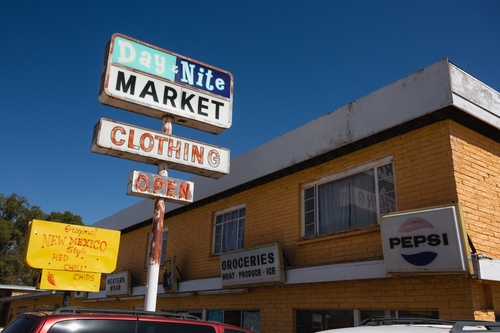
Grants experienced a uranium-fueled boom in the 1950s, quickly growing from a small village to a town of tens of thousands. New homes, roads, and utilities were built to accommodate workers flocking to processing mills. The population growth was dramatic and sudden, stressing local services.
When the uranium market declined, many residents left, and the town’s infrastructure exceeded the needs of its smaller post-boom population. While still inhabited today, Grants illustrates the long-term impact of growth tied to a single industry. Lessons from Grants show the challenges of maintaining infrastructure when the economy shrinks.
8. Moab, Utah
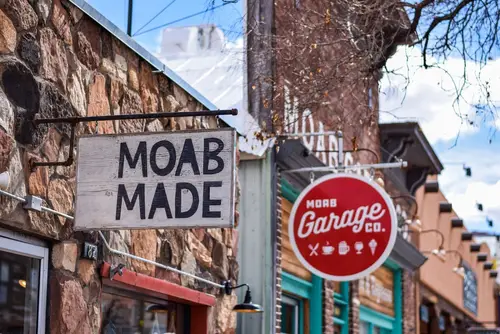
Moab’s population skyrocketed in the 1950s and 1960s during the uranium boom, growing from about 1,200 to over 6,000. Housing, roads, and public utilities were stretched to accommodate the influx of workers and their families. Although tourism later stabilized the town, early growth tested infrastructure capacity.
Even decades later, the legacy of rapid mid-century expansion required ongoing adaptation of roads and utilities. The town demonstrates the strain sudden resource-based growth can place on small communities. Moab also shows how towns can reinvent themselves after the initial boom ends.
9. Cairo, Illinois
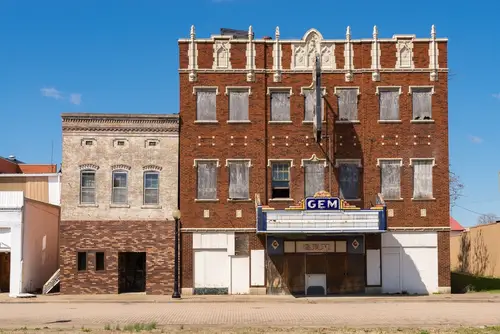
Cairo was planned as a major river port with wide streets and large public infrastructure, anticipating growth that never fully arrived. The rise of railroads and declining river shipping caused economic expectations to fall short. The town ended up with oversized streets and empty buildings relative to its smaller population.
The mismatch between infrastructure and actual demand persists to this day. Maintaining streets, public buildings, and utilities with a small tax base is challenging. Cairo illustrates how planning for growth that never comes can be as complicated as managing growth that happens too fast.
10. Soul City, North Carolina

Soul City was conceived in the 1970s as a planned community aimed at attracting businesses and residents while creating economic opportunities for underrepresented groups. Roads, utilities, and public facilities were built quickly to accommodate anticipated growth. Economic downturns and lack of industry interest slowed development drastically.
The town never reached its projected size, leaving streets, utilities, and facilities underused. The community became a cautionary tale about ambitious growth plans without solid economic support. Soul City demonstrates that even well-intentioned growth projects can fail when external conditions change.
11. Bozeman, Montana
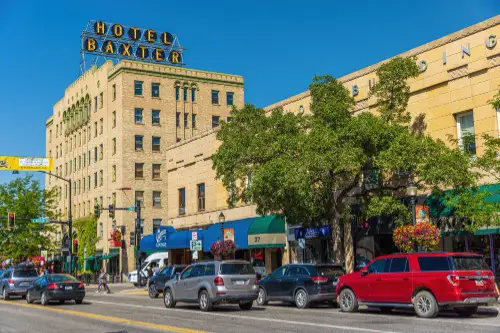
Bozeman has grown rapidly in recent years due to outdoor lifestyle appeal, remote work, and a strong local economy. Housing affordability has dropped sharply, and roads, utilities, and trails are under strain. Infrastructure built for a smaller population struggles to accommodate the influx of new residents.
City leaders are attempting to expand services and improve connectivity, but growth has outpaced planning. The town’s popularity has forced residents to adapt to traffic, high prices, and crowded schools. Bozeman shows that small towns can feel pressure even when growth is positive.
12. Boulder, Colorado
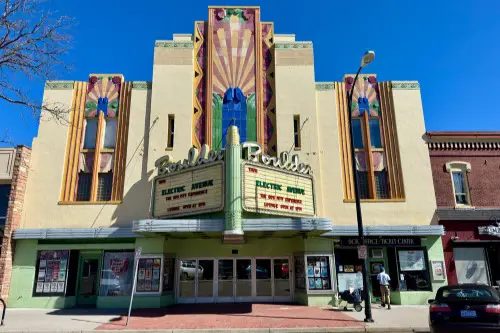
Boulder’s natural beauty, tech scene, and high quality of life have drawn waves of new residents. Roads designed for light traffic now experience congestion, and housing affordability has plummeted. Public transit has not scaled quickly enough to meet population growth.
City planners continue to expand infrastructure, but demand often outpaces capacity. Open-space preservation and lifestyle appeal complicate adding density or new roads. Boulder illustrates how desirability can stress infrastructure before planning catches up.
13. Nashville, Tennessee
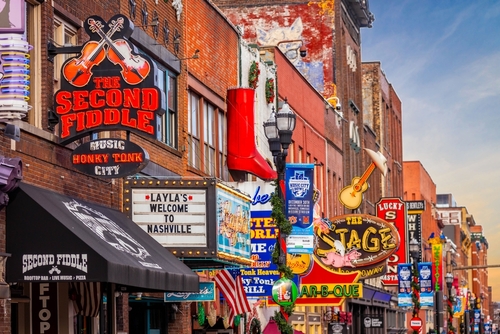
Nashville’s boom as an economic and cultural hub has brought jobs and entertainment options but also traffic congestion and crowded public services. Roads built for a smaller city now struggle under commuter volumes. Public transit ridership has not kept pace, and housing costs have risen dramatically.
City officials are investing in transportation and infrastructure improvements, but growth continues to outpace solutions. Neighborhoods once quiet are now under heavy development pressure. Nashville exemplifies the growing pains that come with rapid urban expansion.
This post These 13 Towns Swelled Too Fast and Couldn’t Handle It was first published on American Charm.

