1. Gadsden, Alabama

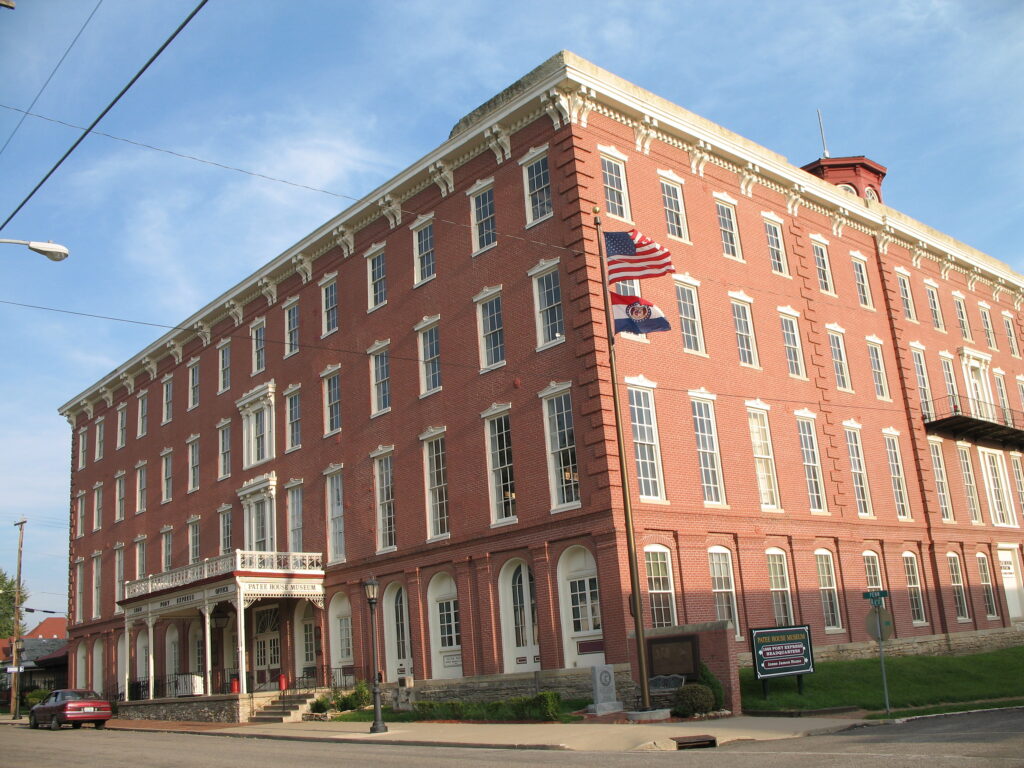
Gadsden’s economy historically centered on textiles and manufacturing plants that supported local families. Global competition and factory closures weakened that foundation. Employment losses rippled through retail and housing markets. The city has spent years trying to redefine its economic identity.
Young adults frequently see limited industry variety compared with larger Southern hubs. Some find work locally, but specialized careers often require relocation. Redevelopment efforts highlight tourism and small business growth as future pillars. For many residents, the challenge is turning nostalgia into sustainable opportunity.
2. Macomb, Illinois
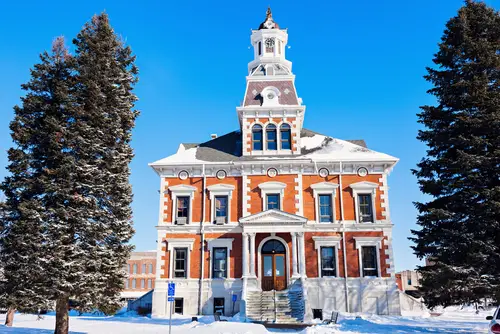
Macomb once revolved around Western Illinois University, which long powered the town’s economy and social life. For years, steady enrollment meant packed apartments, busy cafés, and plenty of entry-level jobs for students and graduates. Over the past decade, enrollment has fallen sharply, leading to staff cuts and quieter commercial districts. That shift has made the town feel less like a growing college hub and more like a place adjusting to contraction.
Young people who expected a lively campus town often find fewer work options and less energy than advertised. Part-time jobs that once depended on student traffic are scarcer, which narrows early career stepping stones. Local leaders are trying to diversify beyond the university, but rebuilding momentum takes time. For many young residents, Macomb represents promise slowed by forces largely outside their control.
3. Brownsville, Pennsylvania

Brownsville thrived when river commerce and heavy industry made it a regional employment anchor. Steel’s decline rippled through the town, erasing jobs that had sustained families for decades. As work dried up, population loss followed, leaving historic buildings underused or vacant. The downtown still hints at former prosperity, but daily life reflects long economic retreat.
Young residents face limited professional options, which often pushes them to commute or move away. Small businesses work hard to survive, yet they can’t fully replace lost industrial employment. Civic pride remains strong, but it competes with the reality of constrained growth. For many, Brownsville feels like a community still waiting for its next chapter.
4. Jeffrey City, Wyoming
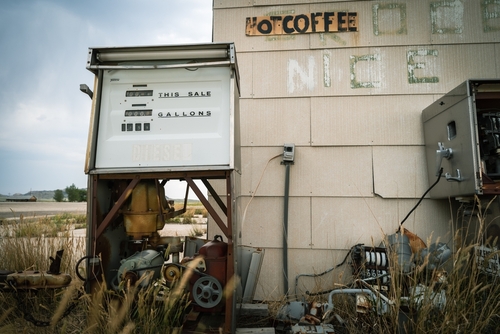
Jeffrey City boomed around uranium mining, drawing workers with high wages and the allure of frontier opportunity. When the mine shut down in the early 1980s, the town’s economic engine stopped almost overnight. Businesses closed, families relocated, and the population collapsed to a fraction of its peak. The landscape still shows traces of a once-busy company town frozen in time.
Today, there are few services or employers to anchor young adults looking to build a life locally. Most teenagers who grow up nearby plan their futures elsewhere because opportunities are scarce. The town serves as a stark example of how single-industry dependence can unravel quickly. For those who remain, daily life is shaped by resilience more than expansion.
5. Youngstown, Ohio
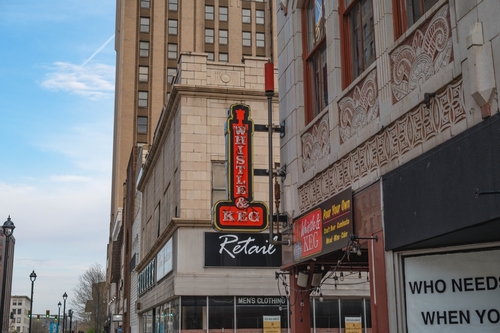
Youngstown’s steel mills once defined the city, promising steady work and generational stability. The industry’s collapse in the late 20th century triggered mass layoffs and neighborhood decline. Population loss followed as families sought work in healthier regional economies. Entire blocks now tell the story of a city that expanded faster than it could adapt.
Young professionals often struggle to find career ladders that match their education or ambitions. Revitalization efforts have brought pockets of innovation, but they compete with decades of disinvestment. Many residents feel caught between loyalty to their hometown and practical economic realities. That tension fuels a persistent sense of frustration about unrealized potential.
6. Shenandoah, Pennsylvania
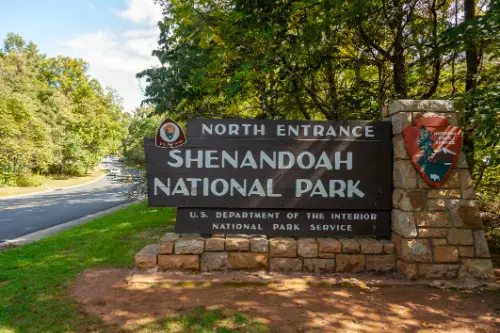
Shenandoah grew alongside Pennsylvania’s coal industry, which once provided steady employment and community identity. As mining declined, so did the jobs that anchored local households. Population shrinkage left schools smaller and commercial corridors quieter. The town’s infrastructure reflects years of adjusting to a reduced economic base.
Young adults frequently cite limited job diversity as a reason to seek opportunities elsewhere. Seasonal or service work exists, but long-term career paths are harder to map out locally. Community organizations work to preserve heritage while exploring new development ideas. Even so, many families feel the town hasn’t replaced what the coal era once guaranteed.
7. Braddock, Pennsylvania
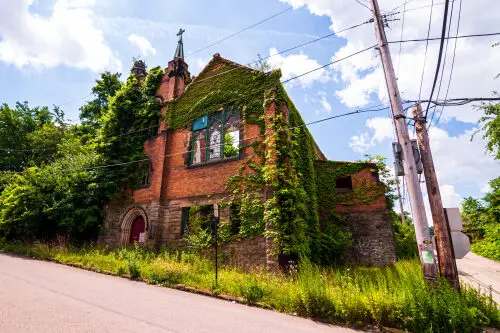
Braddock rose with steel production, becoming a classic example of industrial-era prosperity. When the mills cut back, employment losses cascaded through housing, retail, and public services. Population decline forced the demolition of many abandoned structures. The result is a town still visibly shaped by deindustrialization.
Young residents often view Braddock as a place rich in history but thin in opportunity. Creative projects and grassroots initiatives have introduced sparks of renewal. However, those efforts haven’t yet translated into broad job growth. For many, the town symbolizes how difficult rebuilding can be after a dominant industry leaves.
8. Butte, Montana
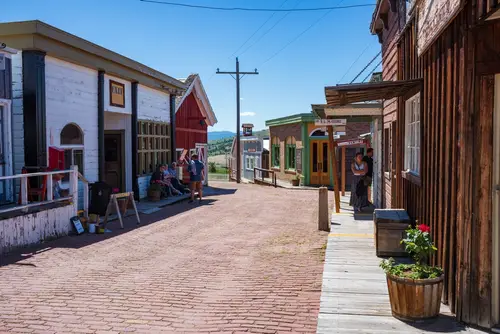
Butte was once one of the world’s most important copper mining centers, drawing workers with the promise of good wages. Mining consolidation and market shifts reduced employment over time. Environmental cleanup and economic restructuring changed how the city functioned. The population stabilized below historic highs, reflecting a smaller economic footprint.
Young people today find a strong cultural identity but fewer specialized career options. Many pursue education elsewhere and weigh whether returning makes financial sense. Tourism and heritage preservation create jobs, yet they don’t fully replace mining-era scale. The city’s charm coexists with ongoing questions about long-term growth.
9. Saginaw, Michigan
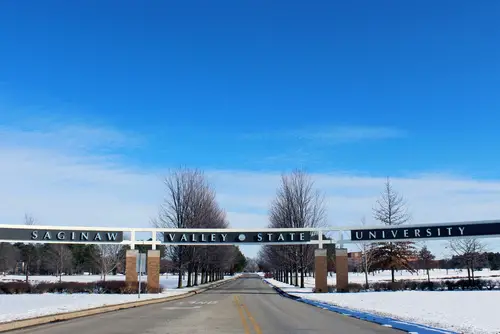
Saginaw expanded with Michigan’s manufacturing boom, offering assembly-line jobs that supported entire neighborhoods. As factories automated or closed, unemployment rose and residents relocated. Property vacancies and shrinking revenues strained municipal services. The city entered a prolonged period of economic recalibration.
Young adults often encounter a tight labor market with limited high-growth sectors. Regional revitalization efforts aim to attract new industries, but results take time to materialize. Many graduates leave in search of broader professional ecosystems. Those who stay frequently balance optimism with the realities of a slower recovery.
10. Scranton, Pennsylvania
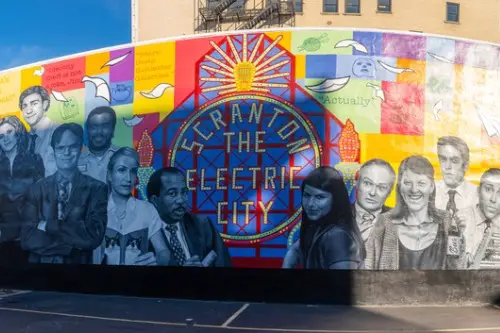
Scranton flourished on coal and railroads, becoming a magnet for working families. Industrial decline reduced those employment pillars, prompting outmigration. While healthcare and education provide some stability, they don’t match former industrial scale. The city now blends historic pride with ongoing economic transition.
Young professionals sometimes find that advancement opportunities plateau quickly. Lower living costs are appealing, but wages and industry diversity can lag larger metros. Civic leaders promote redevelopment projects to attract new residents. Even so, many twenty- and thirty-somethings feel compelled to look elsewhere for momentum.
11. Decatur, Illinois
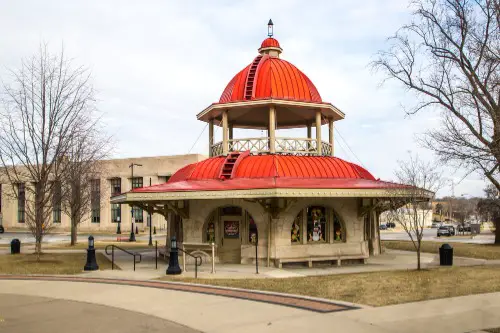
Decatur developed around large manufacturing and agribusiness employers that once anchored middle-class life. Automation and restructuring trimmed payrolls and slowed population growth. Neighborhoods adjusted to a leaner economic reality. The city continues to rely on a narrower set of major employers.
Young workers may find stable jobs, but upward mobility can feel limited without relocating. Commuting or career pivots are common strategies for ambitious residents. Economic development plans target diversification, yet competition from bigger cities is intense. The gap between expectation and opportunity shapes local frustration.
12. Pine Bluff, Arkansas
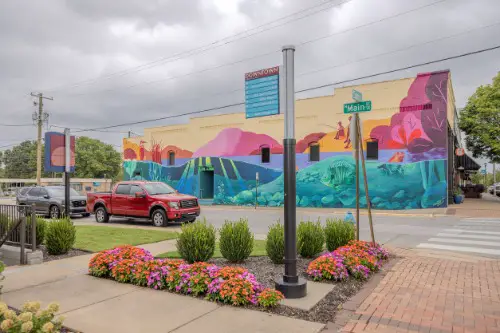
Pine Bluff has long faced economic challenges tied to industrial decline and persistent poverty. Job growth has lagged behind faster-expanding regional cities. Population loss has reduced the tax base that funds public services. The city continues to search for sustainable economic drivers.
Young residents often describe a shortage of pathways into higher-paying careers. Workforce programs exist, but matching training to available jobs is an ongoing hurdle. Community leaders push redevelopment and investment initiatives to change the trajectory. Until broader growth takes hold, many young adults feel constrained in their options.
13. Flint, Michigan
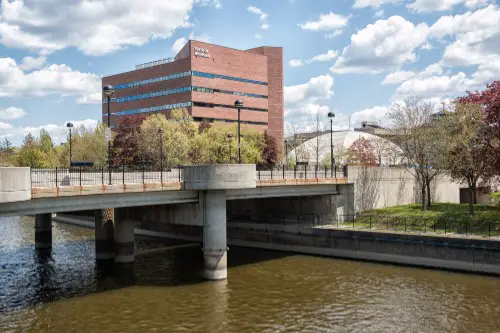
Flint built its reputation on auto manufacturing, offering generations of young workers stable wages and a clear path to the middle class. When factories closed or downsized, thousands of jobs disappeared and the population steadily declined. The shrinking tax base strained schools, infrastructure, and city services that families depended on. The water crisis later deepened distrust and added another layer of hardship to an already struggling city.
Young adults growing up in Flint often describe a mismatch between the city’s proud history and its present opportunities. Career paths that once existed locally now frequently require relocation to larger job markets. Community groups continue to push revitalization, but progress feels uneven to many residents. The frustration comes from loving a hometown that hasn’t yet recovered its footing.
This post These Towns Promised Young Americans Growth—and Delivered Frustration Instead was first published on American Charm.