
1. Cahaba, Alabama
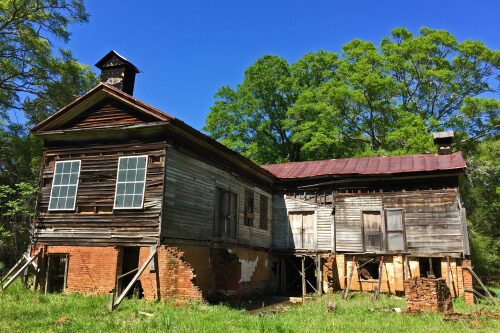
Cahaba was Alabama’s first state capital, chosen with high hopes for political importance and economic growth. Its location at the confluence of two rivers was marketed as ideal for trade and transportation. Early residents expected it to become a lasting center of power. The town was built with ambition and confidence.
Frequent flooding made daily life difficult and drove residents away. Political power moved elsewhere, draining Cahaba of relevance. By the mid-1800s, it was largely abandoned. Today it’s remembered as a ghost town born from overconfidence in geography.
2. Salton City, California
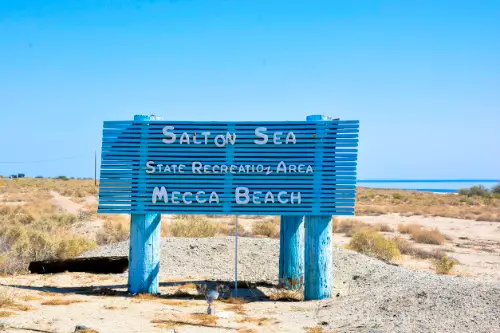
Salton City sprang up during the mid-20th-century boom around the Salton Sea, which was hyped as California’s next Riviera. Developers promised waterfront living, boating, fishing, and tourism riches. Celebrities visited, marinas were built, and lots sold fast. The pitch assumed the lake would remain stable and attractive.
Environmental problems quickly shattered that dream as salinity rose and fish died off. The smell and pollution drove tourists away, and property values collapsed. Infrastructure was left half-finished as residents moved out. What remains is a stark reminder of how fragile hype can be when nature doesn’t cooperate.
3. Centralia, Pennsylvania
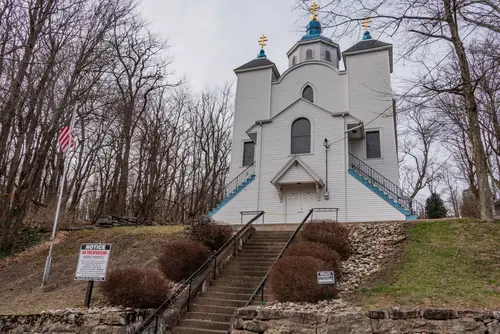
Centralia thrived as a coal-mining town, drawing families with steady jobs and the promise of long-term prosperity. The town had churches, schools, and a tight-knit community built around the mines. Coal was marketed as the backbone of a secure future. Few imagined that success could literally ignite disaster.
An underground coal fire, discovered in 1962, made the town increasingly unlivable. Toxic gases, sinkholes, and government buyouts slowly erased the community. Residents were forced to abandon homes they thought would last generations. Centralia became a cautionary tale about single-industry dependence.
4. Picher, Oklahoma
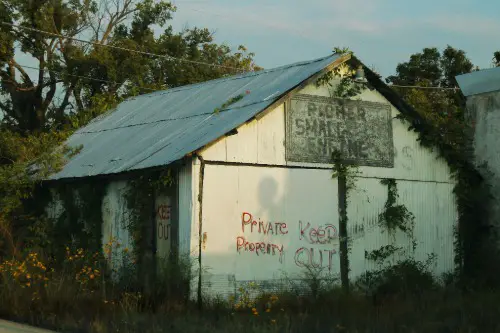
Picher boomed in the early 1900s as one of the world’s largest lead and zinc mining centers. Jobs were plentiful, and the town grew rapidly with theaters, hotels, and schools. Mining wealth gave residents confidence that prosperity would endure. The town was promoted as a place where hard work paid off.
Decades of mining left behind toxic waste known as “chat” piles, contaminating air and water. Health problems mounted, especially among children. A federal buyout eventually emptied most of the town. What was once a symbol of industrial success became an environmental warning.
5. Times Beach, Missouri
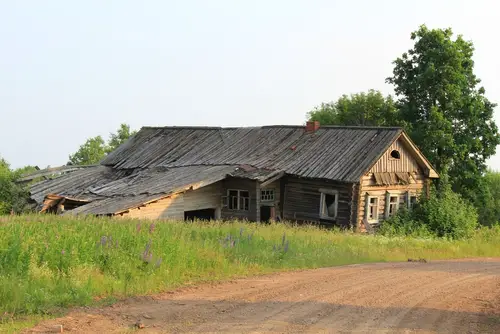
Times Beach started as an affordable riverside community that attracted working families and weekend homeowners. It was marketed as a quiet, small-town escape near St. Louis. People were drawn in by low prices and the promise of stability. Few suspected anything was wrong beneath the surface.
In the 1970s, the town was found to be contaminated with dioxin, one of the most toxic chemicals known. The discovery led to a complete evacuation and government buyout. Homes were abandoned and later demolished. Times Beach was erased from the map, turning optimism into shock.
6. Gary, Indiana
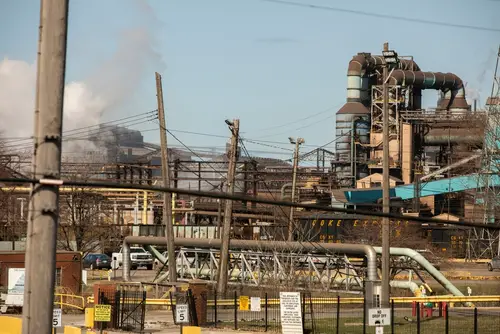
Gary was founded by U.S. Steel and promoted as a model industrial city with guaranteed employment. The promise of well-paying factory jobs attracted workers from across the country. Modern housing, cultural institutions, and infrastructure reinforced the optimism. For decades, the city symbolized American manufacturing might.
As steel production declined, jobs vanished and the population plummeted. Businesses closed, tax revenue collapsed, and entire neighborhoods were abandoned. The city’s rapid rise made its fall even more painful. Gary remains a stark example of how quickly an industrial dream can unravel.
7. Youngstown, Ohio
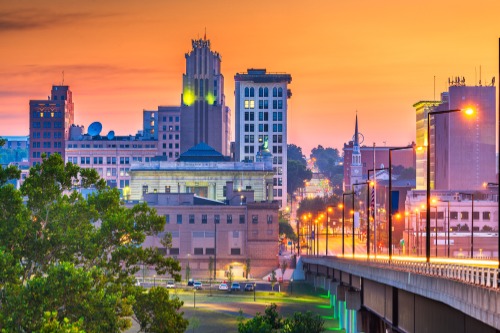
Youngstown sold itself for decades as a place where steel meant security and generational stability. Mills dominated the skyline and provided solid union jobs that supported entire families. The city grew around the assumption that steel demand would never disappear. That confidence shaped everything from housing to schools.
When the steel industry collapsed in the 1970s, the impact was sudden and devastating. Tens of thousands of jobs vanished almost overnight. Population loss, poverty, and blight followed quickly. The city became a symbol of how deeply industrial hype can misjudge long-term change.
8. California City, California
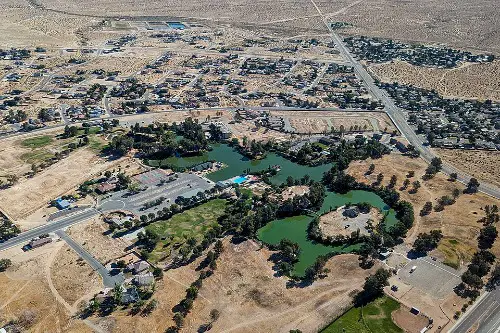
California City was sold in the 1950s as the next great metropolis of the Mojave Desert, complete with glossy brochures and celebrity endorsements. Developers promised aerospace jobs, suburban comfort, and a booming population to rival Los Angeles. Streets were paved across the desert in anticipation of tens of thousands of homes. Most of those homes never came, leaving a grid of empty roads and a population far smaller than advertised.
People bought lots believing they were getting in early on California’s future. What they got instead was isolation, limited services, and land that was hard to resell. The job growth never materialized at the promised scale. Today it stands as one of the clearest examples of marketing outrunning reality.
9. Bodie, California
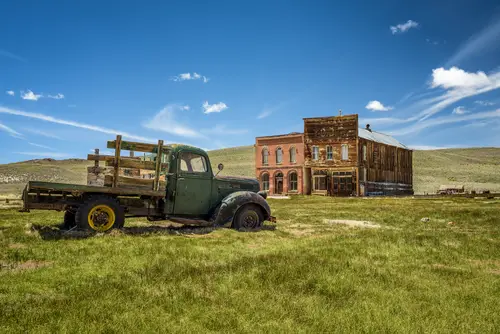
Bodie exploded during the late 1870s gold rush and was advertised as a town of instant fortune. Thousands arrived believing wealth was just waiting to be pulled from the ground. The town quickly added saloons, hotels, schools, and newspapers. It felt permanent while the gold lasted.
Once the gold declined, people left just as fast as they had arrived. Businesses closed and families moved on to the next boomtown. Bodie never diversified beyond mining. Its preserved ruins now highlight how speculation can outpace sustainability.
10. Monowi, Nebraska
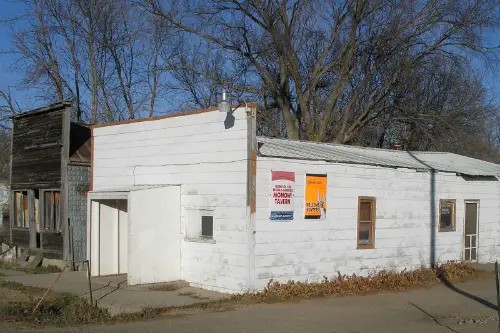
Monowi was once a small but hopeful Great Plains town supported by farming and rail traffic. Like many rural towns, it promised stability, community, and land ownership. Families settled expecting gradual growth and permanence. The town functioned normally through much of the early 20th century.
Economic shifts and population decline hollowed it out over decades. Younger residents left for cities, and businesses slowly disappeared. Today, Monowi has just one resident. Its story reflects how quiet optimism can still end in disappointment.
11. Kennecott, Alaska
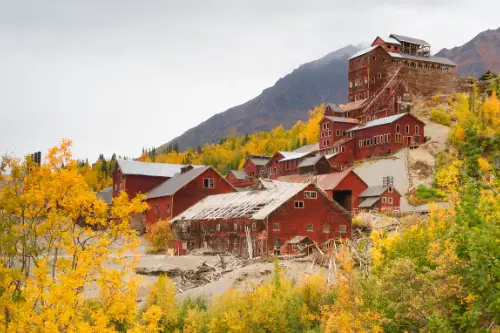
Kennecott was built as a company town around a massive copper mining operation. Workers were drawn by high wages and modern amenities in an otherwise remote region. The town was technologically advanced for its time. It looked like proof that industry could conquer isolation.
When the copper ran out in the 1930s, the company shut everything down. Residents were forced to leave almost immediately. Buildings were abandoned in place. Kennecott shows how quickly a carefully engineered dream can be dismantled.
12. Rosewood, Florida
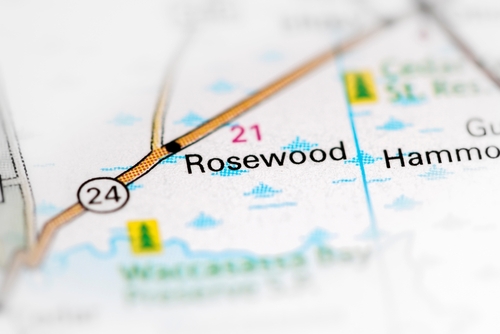
Rosewood was a thriving, predominantly Black town with businesses, schools, and land ownership. It represented economic independence and generational progress. Residents believed they were building something lasting. The town had every reason to expect stability.
A racist massacre in 1923 destroyed the town and displaced its residents. Survivors fled, and Rosewood was never rebuilt. Promises of safety and prosperity were violently shattered. Its inclusion reflects how hype can ignore deeper social dangers.
13. Arco, Idaho
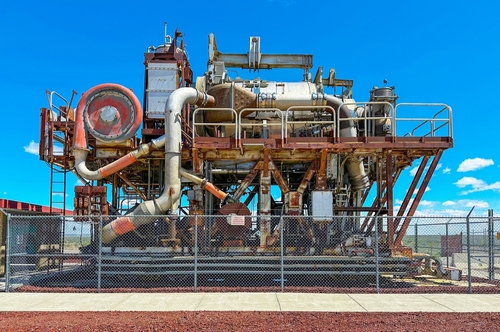
Arco gained attention as the first U.S. town powered by nuclear energy in 1955. The connection to nearby nuclear research facilities promised high-tech jobs and national relevance. The town leaned into its atomic identity. It felt like a glimpse of the future.
Long-term economic growth never matched the attention. Employment remained limited and dependent on federal facilities. The nuclear novelty faded, but structural challenges stayed. Arco became an example of symbolic hype without broad opportunity.
14. Elkhorn, Montana

Elkhorn was founded as a silver mining town and quickly attracted investors and workers. It boasted hotels, theaters, and a grand governor’s mansion. The town looked destined for importance in Montana’s early development. Money flowed freely during its peak years.
Silver prices collapsed, and the mines closed. Residents moved away, leaving structures behind. Elkhorn never recovered or reinvented itself. Its ruins tell the story of a dream tied too tightly to a single promise.
This post These Towns Lured People In With Hype—Then Broke Their Dreams was first published on American Charm.

