
1. Pine Bluff, Arkansas
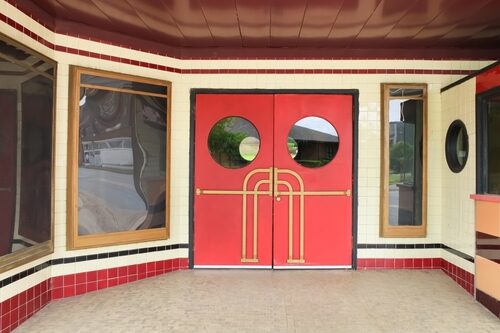
Pine Bluff can look inviting at first glance — affordable homes, wide streets, and historic downtown buildings make it seem like a great place to settle down. But the city has been losing population for decades, and many longtime residents struggle with low-wage jobs and limited opportunities. Poverty rates are high, public schools are underfunded, and essential services often feel stretched thin. While it’s cheap to buy property, building a stable life here is far more challenging than it appears.
Newcomers quickly realize that the charm of Pine Bluff is tempered by economic hardship. Empty storefronts, dwindling local businesses, and a lack of career prospects can make daily life feel isolating. Even the most enthusiastic families often face tough choices between affordable housing and access to good schools or healthcare. It’s a town that looks ready for growth but is quietly struggling under the weight of systemic decline.
2. Telluride, Colorado
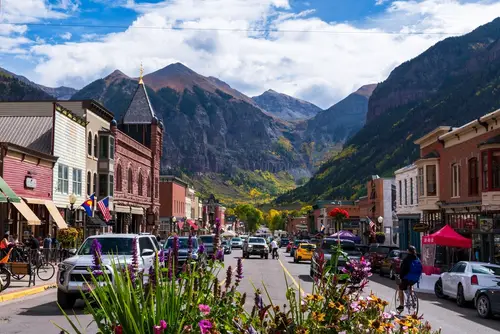
Telluride seems like a dream destination with its ski slopes, festivals, and sweeping mountain vistas. Yet the people who keep the town running often can’t afford to live there full-time. Housing prices are astronomical compared with local wages, forcing workers to live far away and commute long distances. The town thrives on tourism, but it struggles to sustain a permanent community for families and professionals.
The paradox of Telluride is that its beauty and popularity hide serious challenges for everyday life. Essential workers, from teachers to service staff, often live hours away because they can’t afford local housing. Seasonal swings in employment also make steady income unpredictable. For those looking to plant roots, the town’s charm doesn’t erase the high cost of simply surviving there.
3. Brownsville, Texas

Brownsville offers a warm climate, rich culture, and a low cost of living that can seem perfect for newcomers. But behind the surface, the city faces high poverty, limited healthcare access, and schools that often struggle to meet community needs. Jobs are concentrated in low-wage sectors, and economic mobility is harder than it appears. While it looks like an affordable option, building a long-term life here requires navigating significant challenges.
Families often find themselves juggling multiple pressures just to maintain stability. Food insecurity, limited public resources, and a lack of local amenities make day-to-day life more difficult than in many other cities. Young adults frequently leave in search of better opportunities, contributing to population decline. Brownsville’s vibrancy masks the real obstacles that come with establishing a home here.
4. Saginaw, Michigan
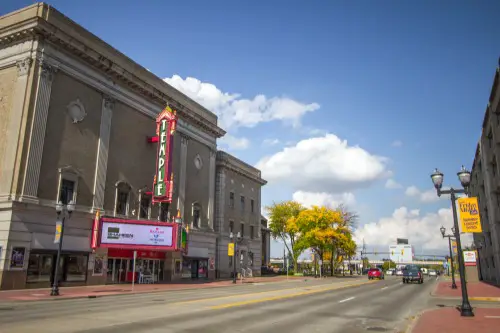
Saginaw has all the trappings of a classic Midwestern city — tree-lined streets, historic buildings, and a proud industrial history. But decades of manufacturing decline have left the city with high unemployment, population loss, and one of Michigan’s highest crime rates. Property values are low, but the economic base that once supported families has eroded. A seemingly thriving downtown can feel hollow when steady work is scarce.
Living in Saginaw means facing challenges that go beyond appearances. Schools and public services have struggled to keep pace with population changes, and community resources are often limited. Even those who love the city’s heritage face difficulties in finding well-paying jobs. The reality is that Saginaw’s history as a manufacturing hub hasn’t translated into modern prosperity for most residents.
5. Camden, New Jersey
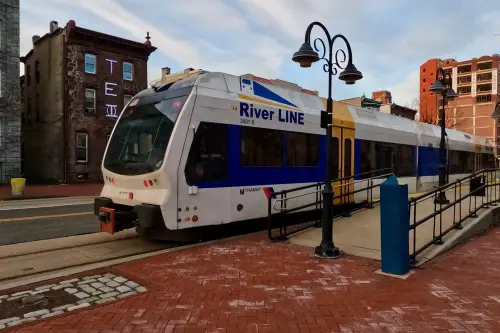
Camden’s waterfront and proximity to Philadelphia give the impression of a city on the rise. However, it has long battled high crime rates, poverty, and declining local businesses. Affordable housing may draw newcomers, but social services are overstretched, and employment opportunities are limited. Families often confront a stark contrast between the city’s potential and the daily reality of survival.
Even with investments and revitalization efforts, Camden remains a difficult place to build a stable life. Residents frequently contend with safety concerns, underfunded schools, and gaps in healthcare access. The city’s scenic spots and cultural history can’t fully mask the ongoing systemic issues. Living there requires resilience, and even then, opportunities are uneven.
6. Flint, Michigan
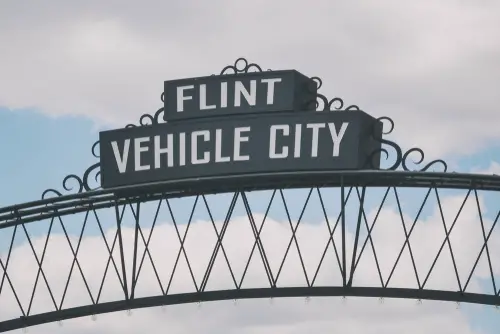
Flint’s image as a city in recovery belies decades of industrial decline and the public health crisis that followed the water contamination scandal. Affordable homes and historic neighborhoods are appealing at first glance. But families face challenges with clean water, public health concerns, and limited high-paying jobs. The city’s struggles are deeply structural, and newcomers quickly see the complexity beneath the surface.
Flint’s schools and community services continue to face resource constraints. While residents are committed to rebuilding and revitalization, it’s not an easy environment for raising children or building a career. Long-term economic prospects remain uncertain for many households. The city’s story is one of resilience, but also caution for anyone hoping for a smooth start.
7. Gary, Indiana
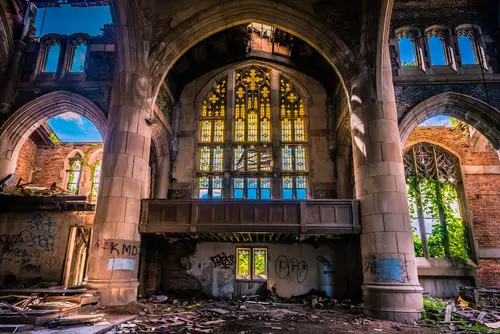
Gary is known for its industrial past and proximity to Lake Michigan, creating an impression of opportunity and lakeside living. In reality, the city has seen decades of economic decline following the collapse of the steel industry. Unemployment is high, crime remains a concern, and population loss has hollowed out neighborhoods. Homes may be cheap, but the conditions for long-term stability are hard to find.
Residents face a challenging combination of limited public services and a shrinking tax base. Local schools and infrastructure often struggle, and community revitalization has been uneven. The city’s waterfront and cultural history are attractive, yet everyday life can be tough. For newcomers, Gary is a place where potential meets significant practical challenges.
8. Youngstown, Ohio
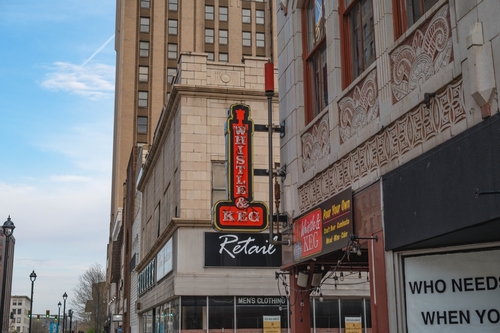
Youngstown has the appearance of a city bouncing back with its parks and historic architecture. However, decades of industrial decline have left the city with high unemployment and population shrinkage. Affordable housing is tempting, but the reality of job scarcity and reduced public services is striking. Many newcomers discover that life here requires navigating economic uncertainty.
Even with revitalization efforts in certain neighborhoods, opportunities remain uneven. Schools often struggle with limited funding, and local businesses face challenges reaching sustainable growth. Long-term residents work hard to maintain community cohesion. The city’s charm is real, but stability is harder to achieve than outsiders might expect.
9. East St. Louis, Illinois
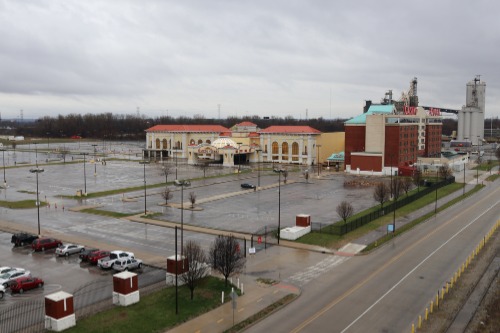
East St. Louis offers proximity to St. Louis, Missouri, and the hope of an affordable suburban-style life. Yet it consistently ranks among the most economically distressed cities in the country. Unemployment is extremely high, schools are underfunded, and crime rates are significant. Homes are inexpensive, but the social and economic infrastructure makes building a life there very difficult.
Daily life in East St. Louis is marked by challenges that newcomers often underestimate. Residents face limited healthcare, struggling schools, and few well-paying jobs. While the city has historic significance and some revitalization projects, progress is uneven. For families looking for stability, these factors can outweigh the lure of cheap housing.
10. Detroit, Michigan
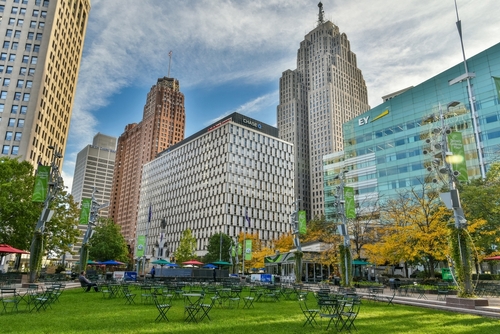
Detroit has experienced a cultural and economic revival in certain areas, leading many to assume the city is booming again. But large swaths still face vacant homes, high crime, and struggling schools. While opportunities exist downtown and in revitalized neighborhoods, many residents outside those areas face tough economic realities. The city’s surface-level energy can be misleading for families trying to settle long-term.
Living in Detroit requires careful navigation of opportunity and risk. Public services vary widely by neighborhood, and reliable access to jobs can be limited. Many newcomers are drawn to the city’s culture and arts, but everyday life can remain precarious. The gap between revival hotspots and struggling communities remains stark.
11. Rockford, Illinois
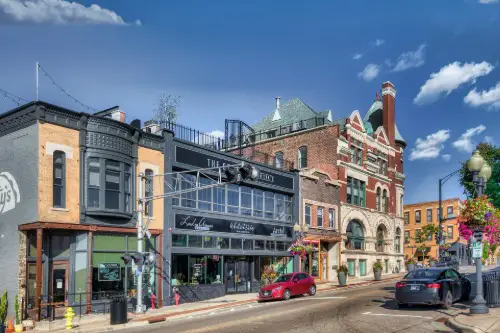
Rockford appears charming with its rivers, parks, and historic districts. However, the city has struggled with job losses, declining population, and public safety concerns. Housing is affordable, but economic and social supports can be inconsistent. Families often encounter challenges that make long-term stability a complex pursuit.
Residents face a city in transition, where revitalization efforts are underway but uneven. Schools and community resources are stretched in some neighborhoods. Jobs in manufacturing and services are less plentiful than in decades past. While Rockford has appeal, building a life there requires careful planning.
12. Camden, South Carolina
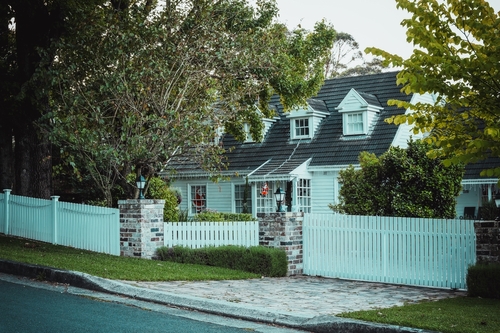
Camden has a quaint, historic look with its antebellum homes and small-town charm. Behind the surface, limited economic opportunity and underfunded schools create difficulties for families hoping to settle long-term. Jobs tend to be concentrated in low-wage industries, making career growth harder. Affordable housing is offset by challenges in access to healthcare, education, and amenities.
Life in Camden is slower-paced and attractive in some ways, but it’s not an easy environment for economic advancement. Newcomers may find themselves commuting for work or services. The town’s charm and history are undeniable, but practical realities complicate long-term plans. Building a life here requires patience and realistic expectations.
13. Scranton, Pennsylvania
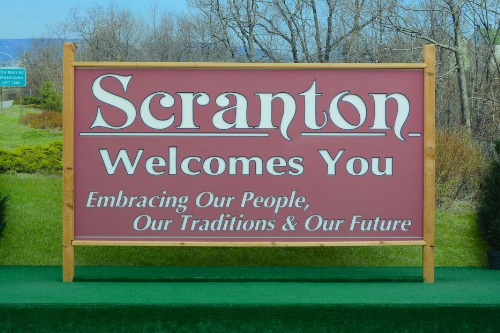
Scranton’s image is bolstered by historic architecture and a lively downtown scene. Yet the city struggles with population decline and a limited local economy. Manufacturing jobs that once anchored the community have vanished, leaving fewer options for stable, well-paying work. While affordable housing makes it seem accessible, sustaining a household long-term can be difficult.
Residents often contend with challenges that are easy to overlook as a visitor. Public schools and healthcare services can feel stretched, and some neighborhoods face persistent economic stress. While Scranton has cultural appeal and community spirit, newcomers quickly see that building a life here involves navigating limited opportunities. Its charm is real, but stability comes with hard choices.
This post These Towns Look Thriving—Until You Try to Build a Life There was first published on American Charm.

