1. Jackson, Wyoming
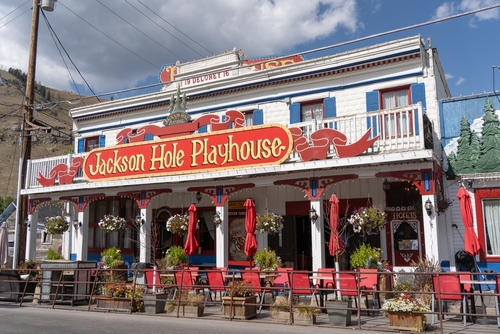
At first glance, Jackson looks like a postcard version of the American West. The town sits near Grand Teton National Park and is surrounded by dramatic mountains and wildlife. Elk wander through the valley in winter, and the downtown square with its famous antler arches feels straight out of a travel magazine. It’s easy to see why so many visitors fall in love with the place during a long weekend.
Living there, however, can be a completely different story. Housing prices have soared for years, with many workers commuting long distances from other towns because they simply can’t afford to live nearby. The local economy revolves heavily around tourism, which means seasonal swings and limited job diversity. Even basic services can be harder to find because many workers struggle to stay in the area long-term.
2. Sedona, Arizona

Sedona is famous for its towering red rock formations and glowing desert sunsets. The landscape around town feels almost otherworldly, especially near places like Cathedral Rock. Visitors come for hiking, spiritual retreats, and the town’s reputation for mysterious energy vortexes. Spend a few days there and it’s easy to imagine a peaceful life surrounded by that scenery.
But day-to-day living often comes with unexpected headaches. Tourism brings heavy traffic for a town of its size, especially during peak seasons and holiday weekends. Housing prices have climbed steeply as vacation homes and short-term rentals take over parts of the market. For many locals, the constant influx of visitors can make simple errands feel like navigating a small city rather than a quiet desert town.
3. Aspen, Colorado
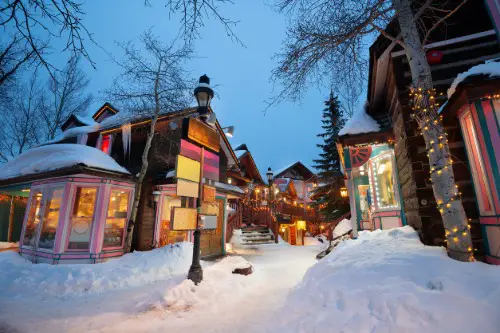
Aspen has long been associated with luxury ski trips and breathtaking alpine scenery. Nestled in the Rocky Mountains, the town looks stunning year-round, from snowy winters to wildflower-filled summers. The historic downtown, lined with Victorian-era buildings, adds to the charm. It’s easy to understand why people dream about living in a place like this.
The reality, though, is that Aspen consistently ranks among the most expensive towns in the United States. Home prices and rents are extremely high, often pushing teachers, service workers, and even some professionals to live far away. The local economy leans heavily on tourism and seasonal residents. That combination can make the community feel transient and financially out of reach for many people who work there.
4. Bar Harbor, Maine
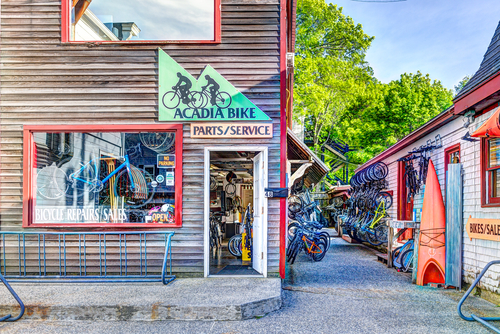
Bar Harbor sits along the rugged coast of Maine and feels like the quintessential New England seaside town. It also serves as the gateway to Acadia National Park, which draws millions of visitors each year. Lobster shacks, ocean views, and charming inns give the town a storybook appeal. On a sunny summer afternoon, it feels like the perfect place to settle down.
Living there year-round can feel very different once the tourist season fades. The population drops dramatically in winter, and many businesses close or reduce hours. Jobs can be heavily tied to tourism, making year-round employment less predictable. Harsh coastal winters and limited housing availability add another layer of challenge for residents.
5. Taos, New Mexico
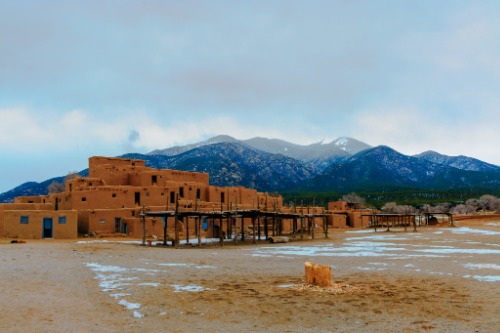
Taos has a creative, free-spirited vibe that attracts artists, writers, and travelers from around the world. The historic adobe buildings around Taos Plaza give the town a timeless Southwestern character. The surrounding high desert and nearby mountains create an incredible landscape for outdoor adventures. For many visitors, it feels peaceful, soulful, and inspiring.
Living there full-time can be tougher than it appears during a short visit. Job opportunities outside tourism, art, and hospitality can be limited. Healthcare access and specialized services often require traveling to larger cities. The town’s remote location and slower economy can make everyday logistics more complicated than newcomers expect.
6. Key West, Florida
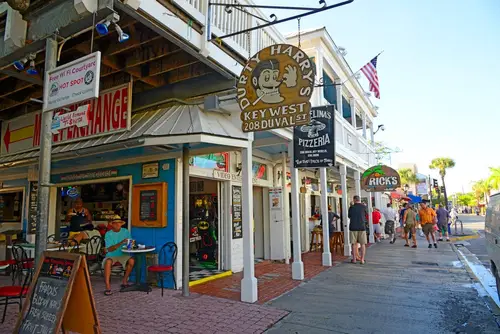
Key West is known for pastel houses, palm trees, and sunsets that draw crowds to Mallory Square every evening. The island’s laid-back vibe and tropical climate make it feel like a permanent vacation spot. Colorful streets and historic sites tied to figures like Ernest Hemingway add to the town’s charm. Many visitors leave thinking it would be a dream place to live.
But living on a small island has its downsides. Housing costs are extremely high, and the limited space makes new development difficult. Hurricanes and flooding risks are a constant concern for residents. Add in heavy tourist traffic and the high cost of everyday goods that must be shipped in, and daily life can become surprisingly complicated.
7. Telluride, Colorado
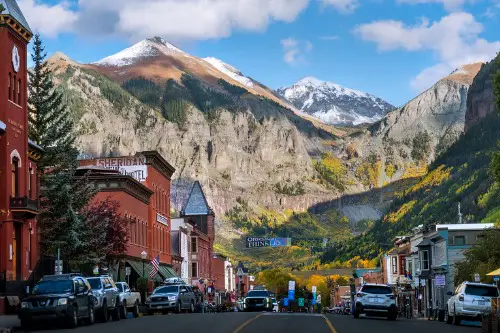
Telluride sits in a dramatic box canyon surrounded by towering peaks in the San Juan Mountains. The historic downtown looks almost frozen in time with its preserved 19th-century buildings. Skiing, festivals, and outdoor recreation give the town a lively energy throughout the year. From the outside, it seems like the perfect mountain escape.
The flip side is that Telluride is both remote and expensive. Housing availability is extremely limited, pushing many workers into neighboring communities with long commutes. Winter weather can isolate the town and complicate travel. While the scenery is incredible, the practical realities of living there can be challenging.
8. Nantucket, Massachusetts
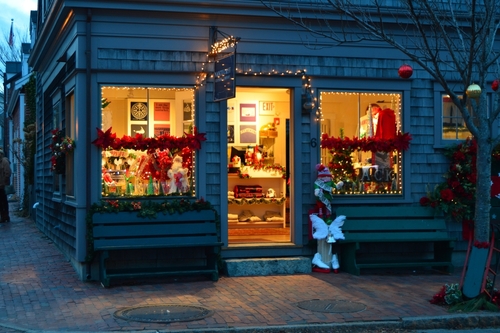
Nantucket’s cobblestone streets and gray-shingled homes give it a classic coastal New England look. The island sits about 30 miles off the coast of Cape Cod and has become a famous summer getaway. Beaches, historic lighthouses, and sailing culture make it feel idyllic. During warm months, the island buzzes with energy and visitors.
Year-round residents experience a very different rhythm. The cost of living is extremely high, especially when it comes to housing and groceries. Ferry and flight schedules can complicate travel to the mainland for work, healthcare, or supplies. Winter also brings a much quieter island with fewer services and fewer job opportunities.
9. Ketchikan, Alaska
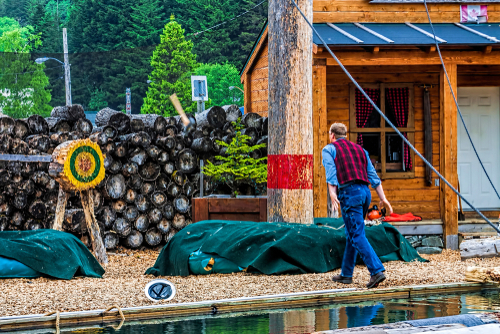
Ketchikan sits along Alaska’s Inside Passage and is surrounded by rainforest-covered mountains. The colorful buildings along the waterfront and the historic boardwalk at Creek Street make it look like something from a travel brochure. Cruise ships bring thousands of visitors during the summer. For travelers, it feels adventurous and charming.
Living there full-time requires adjusting to some unique realities. Ketchikan is only accessible by boat or plane, which makes travel and shipping more expensive and complicated. The town also receives a huge amount of rainfall each year, contributing to its nickname as one of the rainiest places in the U.S. That combination of isolation and weather can wear on some residents over time.
10. St. Augustine, Florida
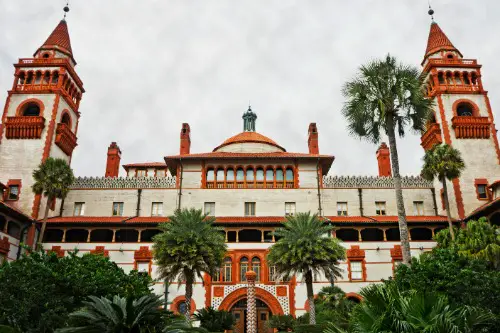
St. Augustine proudly calls itself the oldest continuously inhabited European-established city in the United States. Landmarks like Castillo de San Marcos and narrow historic streets give the city undeniable charm. Tourists flock to explore its Spanish colonial history and scenic waterfront. For visitors, the atmosphere feels lively and full of character.
For residents, the constant tourism can become exhausting. Traffic and crowded streets are common, especially during peak travel seasons and festivals. Some neighborhoods face flooding concerns because of the city’s low elevation and coastal location. Balancing historic preservation with modern living can also make development and infrastructure improvements more complicated.
11. Eureka Springs, Arkansas
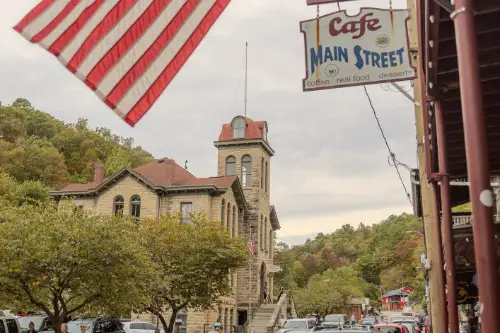
Eureka Springs is tucked into the hills of the Ozarks and feels like a hidden Victorian village. The entire downtown is part of the Eureka Springs Historic District, with winding streets and colorful historic buildings. Art galleries, quirky shops, and scenic overlooks give the town a whimsical personality. Visitors often describe it as one of the most charming small towns in the region.
Living there, though, can come with trade-offs. The town’s steep hills and narrow streets make driving and parking more difficult than people expect. Job opportunities are limited, with much of the economy tied to tourism and hospitality. Its small population also means fewer services and amenities than larger cities, which can require regular trips elsewhere for certain needs.
This post These Towns Look Like Hidden Gems Until You Try Living There was first published on American Charm.