
1. Frisco, Colorado
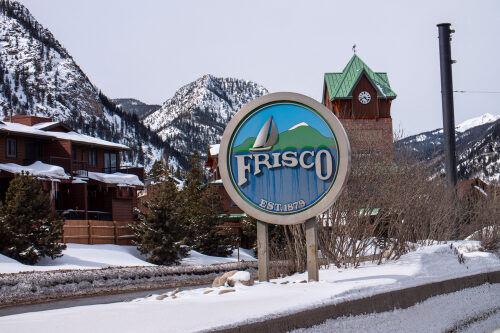
Frisco sits high in the Rockies near Dillon Reservoir, and nearly all homes are vacation or part-time properties. Year-round residents, including ski resort employees, often have to live in neighboring towns because housing is scarce and expensive. During peak winter and summer, the town is bustling, but outside of those months, it’s quiet. Many locals describe hearing more visitor accents than hometown voices on Main Street.
High demand from seasonal buyers pushes prices out of reach for essential workers. Building new permanent housing is difficult due to land scarcity and construction costs. Workforce housing projects struggle against luxury vacation homes. Locals often feel Frisco prioritizes tourism over being a stable, year-round community.
2. Dewey Beach, Delaware
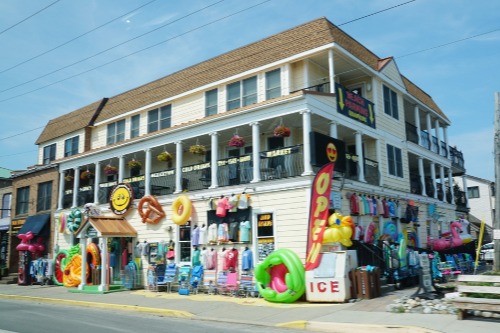
Dewey Beach is a small coastal town where almost all the homes are vacation properties. Roughly 98% of the housing stock is used seasonally, leaving very few options for people who want to live there year-round. Locals, especially those working in hospitality or retail, struggle to find affordable homes close to their jobs. In the winter, streets that are crowded in summer become eerily quiet, showing just how different seasonal and permanent life can be.
The town’s popularity as a beach getaway drives property prices up, making ownership nearly impossible for many longtime residents. Local businesses often have trouble keeping staff who can’t afford to live nearby. Community members worry that without more permanent housing, Dewey Beach could lose the charm that made it appealing in the first place. Many locals feel like the town has become a playground for summer visitors rather than a place to call home.
3. Quogue, New York
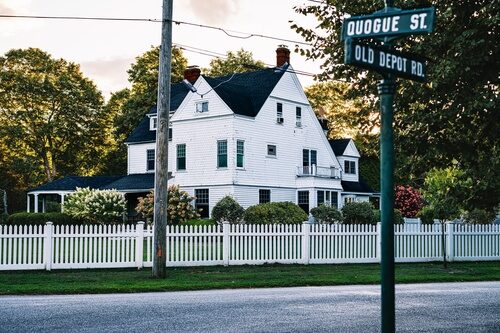
Quogue on Long Island is famous for its sprawling estates, but nearly all homes are used as second homes or vacation properties. Year-round residents, including teachers and shopkeepers, often find it nearly impossible to buy a house at a reasonable price. During the off-season, the village feels quiet and deserted compared with the busy summer months. The seasonal dominance of housing has reshaped the community, leaving fewer people invested in schools and local projects.
The demand from wealthy part-time owners pushes median home prices into the millions. Many locals must commute from nearby towns just to work in Quogue. Restaurants and stores struggle to keep employees year-round, affecting economic stability. Longtime residents worry that Quogue will remain a summer getaway rather than a thriving community for families.
4. Bald Head Island, North Carolina
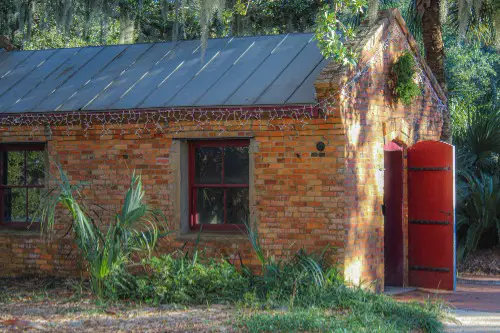
Bald Head Island is accessible only by ferry, and most of its homes are vacation properties. Limited year-round housing forces workers like hospitality and maintenance staff to live on the mainland and commute daily. The small number of permanent residents means schools, shops, and services are stretched thin. Residents describe the island as lively in summer but eerily quiet the rest of the year.
The island’s charm and privacy attract wealthy buyers, driving property prices out of reach for many locals. Efforts to build workforce housing have been slow due to limited space and conservation rules. Seasonal ownership dominates community life, leaving full-time residents feeling outnumbered. Many longtime residents say Bald Head Island has become a vacation destination more than a home.
5. Barnegat Light, New Jersey
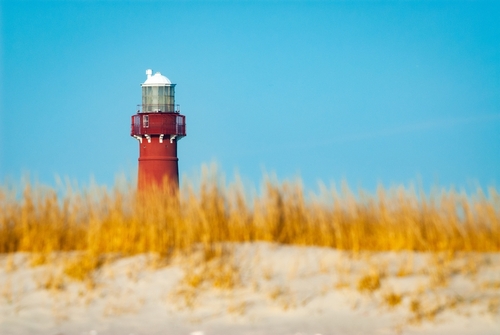
Barnegat Light on Long Beach Island has almost all of its homes used seasonally. Local workers, particularly those in fishing, hospitality, or retail, struggle to find housing within town limits. Off-season, streets are quiet and businesses see fewer customers, leaving the permanent community small. Many locals feel the town has shifted from a tight-knit village to a seasonal playground.
Demand for vacation property has driven home prices higher than what most locals can afford. Families often move to nearby towns, changing the character of the community. Municipal services are affected because the population fluctuates dramatically between seasons. Longtime residents lament that Barnegat Light feels lively in summer but deserted in winter.
6. Breckenridge, Colorado
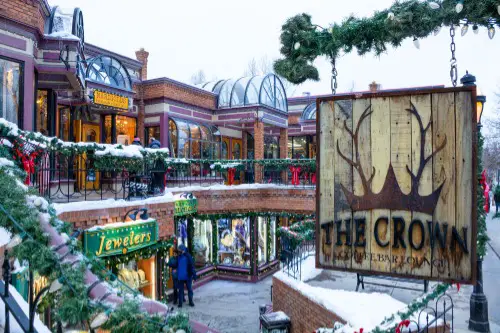
Breckenridge is a ski town where most homes are second homes or seasonal rentals. Permanent residents, like restaurant staff and teachers, often live outside town and commute in. Streets are bustling with tourists in winter, but much quieter in the off-season. The seasonal housing market has reshaped the community, making it difficult to maintain strong local connections.
High prices driven by vacation buyers make it hard for families to settle permanently. Workforce housing initiatives are often limited by land and cost constraints. Residents feel the town has shifted from a hometown to a recreational playground. Many longtime locals note that Breckenridge thrives economically but struggles socially outside tourist season.
7. Fontana-on-Geneva Lake, Wisconsin
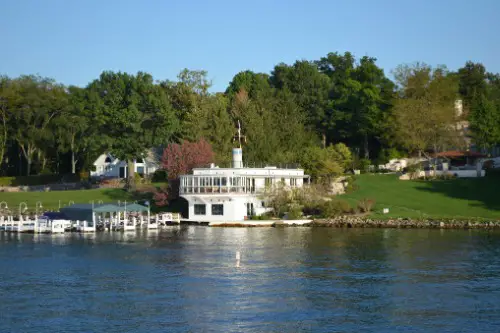
Fontana-on-Geneva Lake is a picturesque town where nearly all homes are vacation properties. Summer months see a surge of visitors, but in the winter, streets are nearly empty. Local workers in hospitality and retail struggle to find housing close to jobs. Families hoping to live year-round find options limited and expensive.
The town depends heavily on seasonal tourism, which affects schools and services. Residents say it’s challenging to maintain community continuity when so many homes are empty off-season. Efforts to encourage year-round occupancy have met resistance from part-time owners. Many locals feel the town is a postcard most of the year rather than a home.
8. Innsbrook, Missouri
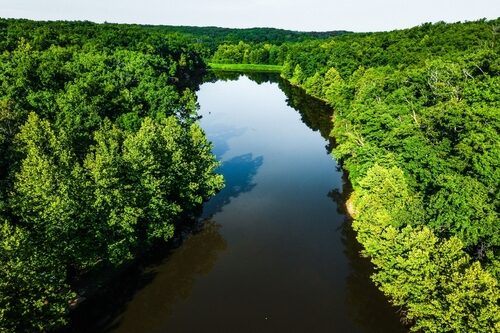
Innsbrook is a resort community where almost all homes are part-time or vacation properties. Very few houses are available for year-round residents who work in maintenance, dining, or property services. The town’s services are scaled for high tourist seasons, not permanent residents. Full-time locals often feel like a minority in a community dominated by seasonal visitors.
Because so many homes are held as second residences, prices remain high compared with neighboring towns. Employees often commute long distances, weakening the sense of community. Attempts to create long-term rental options meet resistance from part-time owners. Residents joke that the town can feel like two different places depending on the season.
9. Longport, New Jersey
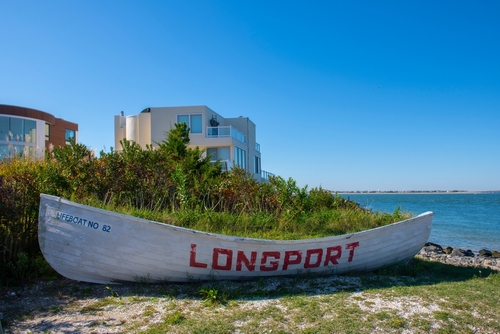
Longport, at the southern tip of Absecon Island, is dominated by seasonal homes. Few properties are available for people working locally, such as in hospitality or fishing. In the off-season, many streets are quiet, making the town feel deserted. Locals often comment that it’s easier to spot vacationers than neighbors for much of the year.
The town’s beaches and proximity to Atlantic City attract wealthy buyers, pushing prices out of reach for permanent residents. Families are forced to live in neighboring towns, making commuting a necessity. Efforts to encourage permanent occupancy have had limited success. The gap between seasonal and year-round community life remains a central tension.
10. McCall, Idaho
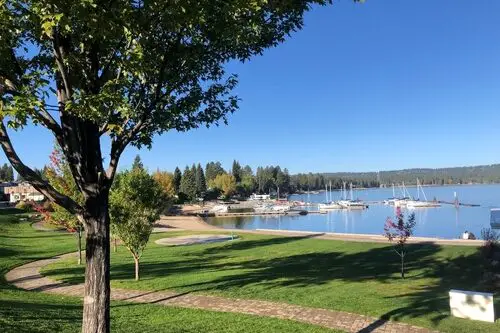
McCall is a lakeside town with most homes owned as vacation properties. Locals working in restaurants, schools, and healthcare struggle to find affordable housing. Summer and winter bring in tourists, but off-season, many streets are empty. Residents often say the town feels like a postcard without a permanent community.
Tourism drives the local economy, but seasonal ownership affects schools, shops, and services. Workforce housing proposals are ongoing but challenging to implement. Many locals feel priced out of their hometown. Life in McCall often revolves around serving visitors rather than permanent residents.
11. Nantucket, Massachusetts
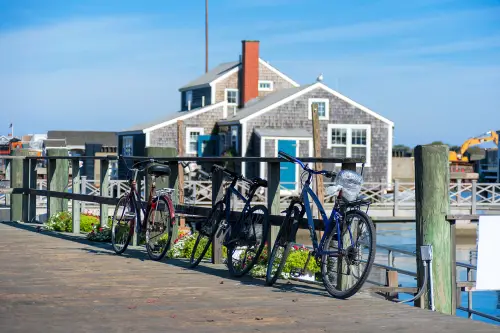
Nantucket is an iconic island where most homes are second homes or short-term rentals. Permanent residents often can’t compete with wealthy vacation buyers. Many locals, including teachers and service workers, have to live off-island and commute. The seasonal housing dominance leaves the island quiet in the off-season.
Discussions about rental caps and affordable housing are frequent but progress is slow. The result is a community where locals feel priced out of the market. Families struggle to remain close to jobs and schools. Residents often describe Nantucket as beautiful but challenging for those who live there year-round.
12. South Lake Tahoe, California
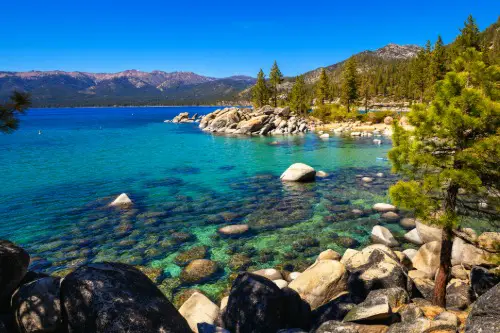
South Lake Tahoe has a high percentage of homes used as vacation properties, leaving limited options for locals. Year-round residents, including service workers and teachers, find housing expensive and scarce. Tourist seasons fill the town with visitors, but off-season streets are quieter. Many locals feel like they support the town’s economy without being able to participate fully in its housing market.
Rising vacation-home demand drives property values higher than what workers can afford. Workforce housing projects are complicated by geography and cost. Locals worry about losing the sense of community that made the town home. Residents say the town is vibrant for visitors but difficult for permanent life.
13. Jackson, Wyoming
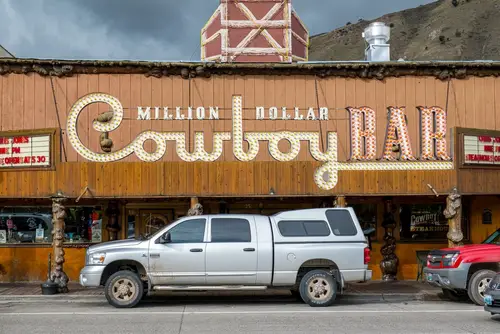
Jackson is a resort town near national parks where many homes are vacation or investment properties. Local workers in hospitality, health care, and education are often priced out of the housing market. Streets bustle with tourists, but permanent residents remain a small portion of the population. The seasonal market has transformed community life, leaving gaps in civic participation and local engagement.
High demand for luxury properties drives housing prices to extreme levels. Workforce housing programs exist but are often insufficient for local needs. Longtime residents sometimes live far from the town center just to afford housing. Jackson feels economically vibrant but socially challenging for those who want to stay year-round.
This post These 13 Towns Have Plenty of Houses—Just Not for Locals was first published on American Charm.

