1. Sarasota, Florida
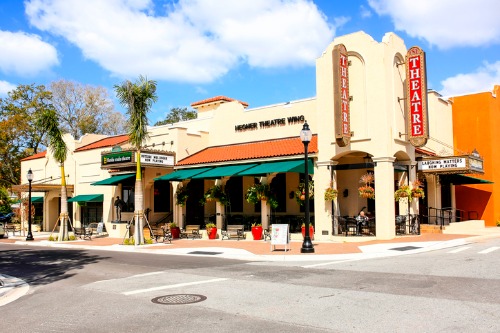
Sarasota is renowned for its arts scene, beaches, and cultural amenities, but it’s also a magnet for retirees, giving it a significantly higher median age than most U.S. cities. The city attracts older adults with its warm climate, golf communities, and active lifestyle options, shaping the culture around retirement living. You’ll notice plenty of senior-focused social clubs, healthcare facilities, and recreational programs, while school enrollments remain modest relative to population. Sarasota exemplifies how a mid-sized city can thrive while accommodating an aging population.
The concentration of older residents creates practical challenges for the city, including transportation access, healthcare demand, and workforce availability. Local businesses often tailor services for seniors, and planning must consider aging in place, mobility, and accessibility. Meanwhile, younger workers may commute from other areas, impacting the local economy and housing. Sarasota demonstrates that even a lively, culturally rich city must plan strategically for an aging demographic.
2. The Villages, Florida
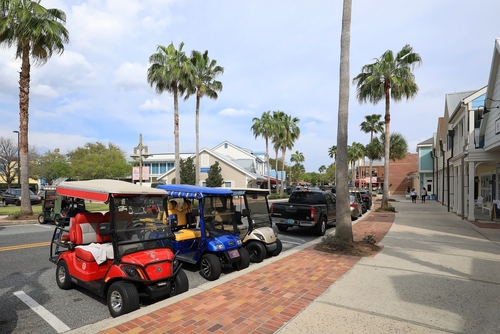
The Villages is one of the most famous retirement communities in America, and its demographics back that reputation up: the median age is extraordinary compared with other U.S. places. Nearly everyone here is past traditional working age, drawn by age-targeted housing, social activities, and warmer weather. It’s less a typical “town” and more a sprawling retirement ecosystem where golf carts share roads with serious intent. That unique population profile makes it a standout in any discussion of places struggling to balance age diversity.
Because such a large share of residents are seniors, everything from healthcare demand to transit needs tilts toward later life. Pharmacies, urgent care clinics, and senior services see heavy use, while schools and youth programs are nearly invisible. Local planners often speak about how to keep services accessible without overloading systems built for younger populations elsewhere. In The Villages, aging isn’t just part of life — it defines nearly every aspect of daily living.
3. Fort Myers, Florida
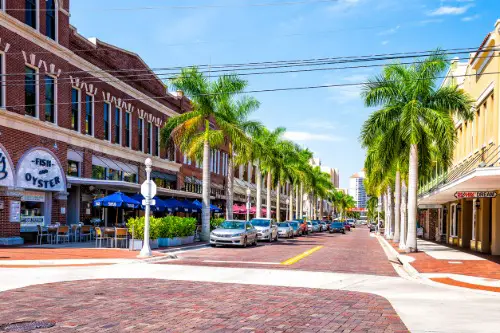
Fort Myers has long been a favorite for retirees seeking warmth, beaches, and affordable living, giving it a notably higher median age than the national average. Retirement communities and senior-friendly housing abound, making the city feel like a hub for those over 55. Parks, golf courses, and healthcare facilities dominate community planning, while younger residents make up a smaller share of the population. This demographic tilt shapes city services and the rhythm of daily life.
As the population ages, demand for medical care, accessible transportation, and social programs grows rapidly. Workforce shortages can occur in key industries like hospitality, caregiving, and retail because the younger population is relatively small. Planning for aging-in-place infrastructure is a priority, and city leaders must balance amenities for seniors with economic growth. Fort Myers shows how a popular retirement destination handles the pressures of an aging community.
4. Deltona, Florida
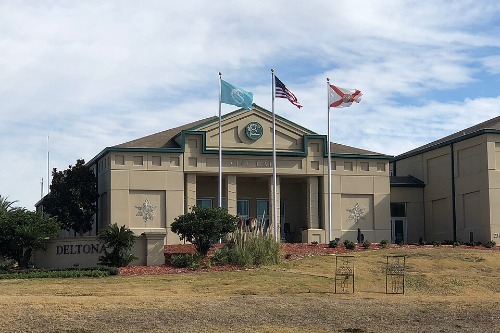
Deltona is one of Florida’s larger inland cities, and while it’s not strictly a retirement town, it has seen a noticeable uptick in older residents moving in. Its affordable housing, mild winters, and quiet suburban vibe attract retirees seeking a slower pace outside the tourist-heavy coastal cities. The median age is climbing, and social services and city planning increasingly reflect the needs of older adults. Local neighborhoods show a mix of families and seniors, but seniors’ influence is growing steadily.
This shift has implications for transportation, healthcare access, and recreational planning, as the city must serve residents across a wider age spectrum. Schools remain active, but senior services like community centers, wellness programs, and accessible public spaces are expanding. Deltona illustrates the challenge for cities that aren’t explicitly retirement communities but are seeing their populations age rapidly. It highlights how demographic shifts can affect suburban infrastructure and community priorities.
5. Indian River Shores, Florida
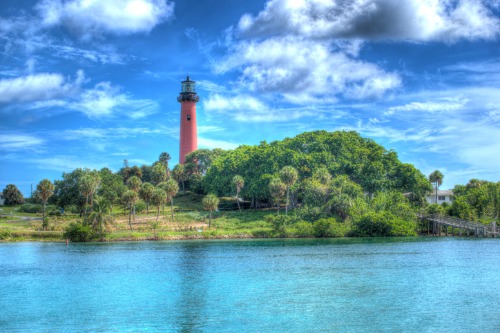
Indian River Shores is known for its scenic location and older population, standing out even among Florida’s many retirement spots. Residents here tend to be well past working age, making the town’s median age well above national averages. The beaches, calm streets, and mild winters have drawn people who want to enjoy leisure and nature without the hustle of younger communities. But that popularity among seniors brings serious questions about medical access and transportation, especially as residents age further.
The high concentration of older adults means families with kids are rare, which alters everything from housing stock to grocery aisles. Long-term residents age in place, and while that contributes to community stability, it also places pressure on local clinics and support services. Indian River Shores highlights how geographic desirability combined with an aging population creates both benefits and challenges.
6. Horseshoe Beach, Florida
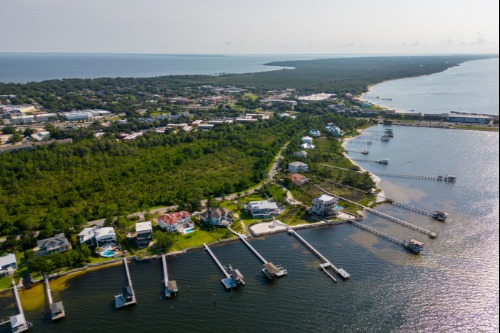
Horseshoe Beach is a tiny coastal town that tops charts for high median age, partly because younger people tend to move toward bigger job markets. Seniors here enjoy bay views, fishing piers, and a slower pace that younger adults often skip. With a small year-round population and a pronounced absence of children, the town’s age profile is unmistakable. Local services naturally gear toward older residents’ needs, from simple snowbird clinics to beachside accessibility.
That absence of youth doesn’t just affect schools – it also influences emergency response, volunteer fire departments, and even dinner hours. When most activity centers around morning coffee and early evening gatherings, social life looks different than in towns with mixed ages. For planners and community volunteers, the challenge is how to keep the town livable and vibrant without a younger workforce to fill essential roles. Horseshoe Beach embodies the trade-offs of a rapidly aging small community.
7. Naples, Florida
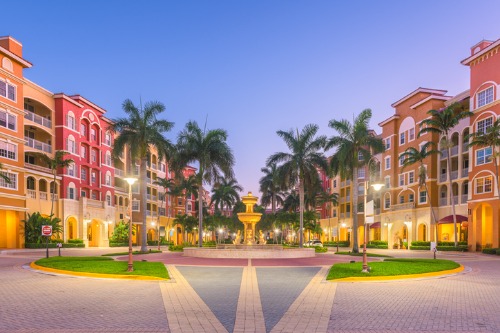
Naples is famous for its beaches, golf courses, and luxury lifestyle, but it’s also a hotspot for retirees, giving it one of the highest median ages among larger Florida cities. Many residents move here specifically to enjoy their retirement years, which shapes the local culture and economy around older adults. You’ll find fewer children in schools relative to the population size, and neighborhoods are often designed with accessibility in mind. The city’s services, from healthcare to leisure activities, reflect this older demographic focus.
This concentration of older adults also presents challenges: as the population ages, demand for healthcare, assisted living, and senior-friendly infrastructure keeps growing. Workforce shortages in hospitality, caregiving, and essential services are noticeable because fewer younger adults live in the area year-round. City planners are increasingly focused on balancing the needs of retirees with attracting and retaining younger workers. Naples illustrates how even a well-known, affluent city must adapt to a rapidly aging population.
8. Pelican Bay, Florida
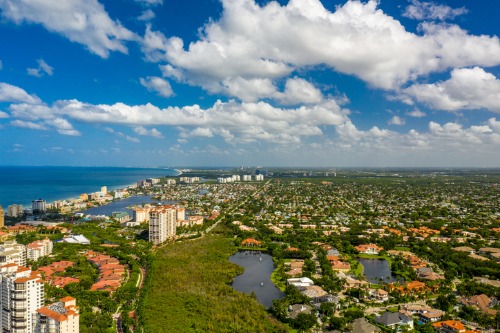
Pelican Bay combines beautiful Gulf fronts with a very mature population, making it feel more like a retirement enclave than a traditional town. Most households consist of older adults, and children are rare enough that schools aren’t central to the community calendar. Instead, amenities like walking paths and healthcare access are prioritized. That demographic tilt creates a quiet, slow-paced atmosphere that many love — but also underscores the need for tailored services.
For local planners, the question becomes how to retain livability as residents continue to age in place. Support networks like meal delivery and senior transport grow in importance, while younger worker recruitment becomes harder. Pelican Bay’s story reflects a broader narrative about U.S. towns where retirement shapes daily life.
9. Sharon, Connecticut

Sharon, up in northwest Connecticut, isn’t a Florida retirement town, but its median age is much higher than statewide averages and climbing. Smaller New England towns like this have seen long-time residents age in place while fewer young families move in. That leads to a situation where the share of older adults keeps rising, even if the town feels stable and scenic. Sharon shows that aging isn’t just a southern coastal story — it’s happening in small towns up north too.
That trend drives local conversation around housing, healthcare access, and volunteer services. Older populations often want to stay in their homes, yet aging infrastructure can make that harder without nearby support. Meanwhile, few newcomers under retirement age settle here, which shrinks the potential workforce. Sharon represents a kind of quiet demographic shift that many rural towns are only starting to grapple with.
10. Westbrook, Connecticut
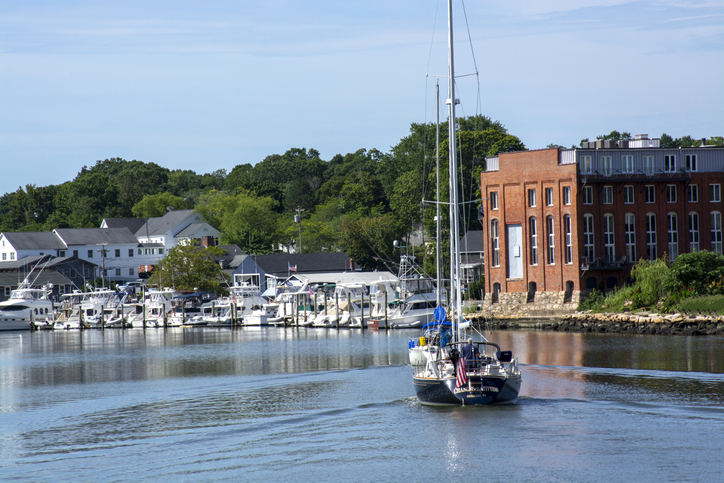
Westbrook, a shoreline town in Connecticut, has seen some of the highest proportions of residents aged 75 or older in state data. While coastal access and small-town charm attract people at all life stages, the concentration of older adults sets Westbrook apart. Residents talk about the need for better medical transport and support networks as neighbors age. That shift has real implications for schools, local businesses, and municipal planning.
As the share of older residents climbs, town leaders balance preserving the area’s appeal with the need for age-friendly infrastructure. Emergency services, accessible walkways, and community healthcare become bigger budget items. Younger families, meanwhile, often look to larger cities for work and schools. Westbrook’s demographic profile highlights how seaside towns can age rapidly without a pipeline of younger newcomers.
11. Old Saybrook, Connecticut
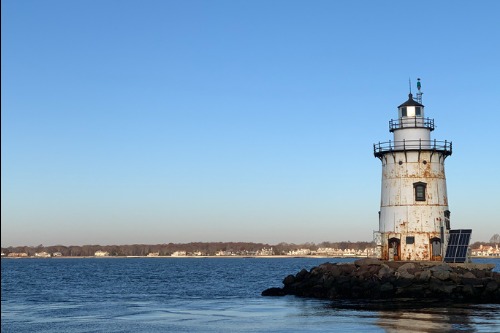
Old Saybrook, straddling the Connecticut shoreline, consistently reports a median age well above national figures, and the balance of age groups leans heavily toward older adults. This historic town has scenic river views, charming villages, and a population that’s noticeably older than most American towns. That doesn’t mean young people aren’t present at all, but compared with national patterns, retirees and near-retirees play a dominant role. Those demographics shape everything from volunteer work crews to local economic priorities.
Local services reflect this tilt: healthcare partnerships, accessible parks, and senior support programs get big attention, while school expansion is a distant conversation. Young professionals often commute or move for larger job markets. Long-time residents age in place, and that deepens the town’s median age year after year. Old Saybrook is a classic example of New England’s aging small-town landscape.
12. Leisure World, Maryland
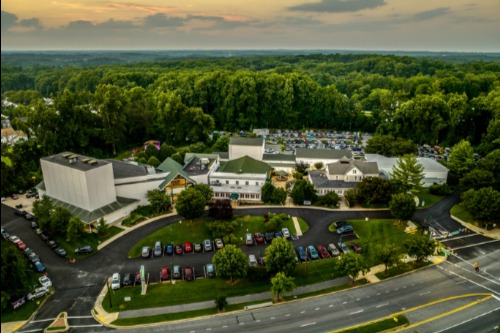
Leisure World isn’t your typical “town,” but as an age-restricted community its demographic makeup skews heavily toward older adults, making it relevant to this list. Most residents are retirees enjoying planned amenities and close-knit community life. These intentional communities highlight how planned living developments — not just geography — can drive high median ages. Leisure World’s design — limited younger households, abundant senior services — makes it a striking example of population aging by choice.
That concentrated age skew affects local infrastructure and economies, often requiring specialized healthcare access and gate-community transport. Younger workers often live outside the gates and commute in for services. This setup shows how retirement-focused living can shape an entire local ecosystem.
13. Farmersville, Pennsylvania
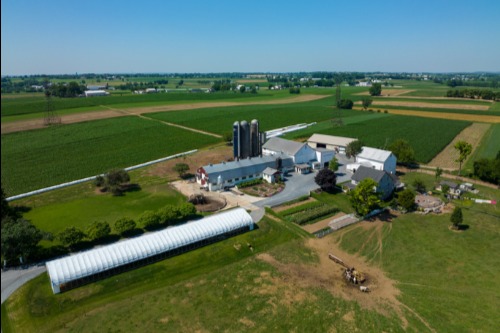
Farmersville is another example of a small U.S. town with one of the highest median ages nationally, reflecting patterns seen in rural places where younger adults leave for work and older residents stay. When median age numbers soar, local stores, churches, and civic groups naturally lean toward senior-friendly programming. That’s not just a statistic — it’s a lived experience for residents who notice fewer school buses and more senior lunches. Farmersville reminds us that aging populations aren’t confined to sunshine states; they’re happening in quieter corners of America too.
These shifting demographics shape daily life, from volunteer fire departments struggling to recruit younger members to social calendars focused on walking clubs rather than youth sports. Healthcare access and reliable transport become community priorities. Meanwhile, property turnover can slow as long-time residents hold onto homes instead of moving away. Farmersville shows how age concentrations change the fabric of small-town America.
This post These 13 Towns Can’t Keep Up With Aging Populations was first published on American Charm.