
1. Naples, Florida
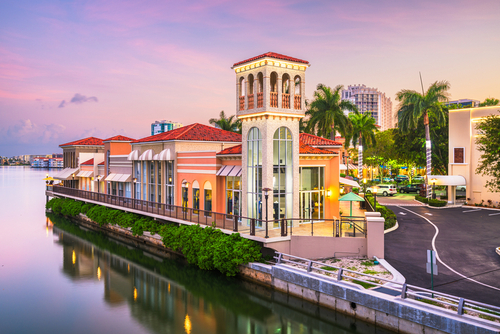
Naples is known for its affluent retiree population and upscale coastal lifestyle. The local economy revolves around healthcare, real estate, and services tailored to older adults. Private medical practices and specialty clinics are widespread. Many workers are employed supporting residential communities and seasonal residents.
Aging residents drive demand for everything from home maintenance to cultural programming. Golf clubs, arts centers, and nonprofits rely heavily on retirees’ participation. Even retail reflects a preference for quality and convenience. Naples has effectively built prosperity around aging with resources.
2. The Villages, Florida
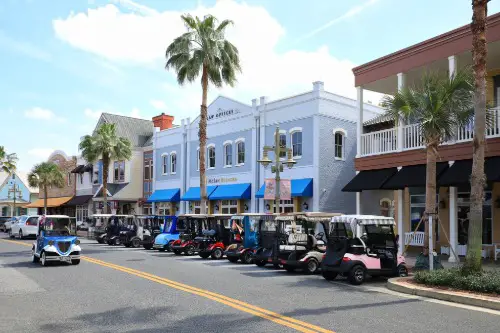
The Villages is often the first place people think of when retirement towns come up, and that’s because it was designed specifically for that purpose. The entire community was built around age-restricted living, with housing, shopping, healthcare, and entertainment all tailored to residents 55 and older. Golf courses, recreation centers, and nightly live music aren’t side attractions here; they’re core economic drivers. A huge share of local jobs exist because of retiree demand, from healthcare workers to activity coordinators and service staff.
What really makes The Villages stand out is how self-contained the economy is. Residents rarely need to leave town for medical care, dining, or social life, which keeps money circulating locally. Businesses open and thrive specifically because the population is older and active. It’s a place where aging isn’t accommodated as an afterthought, but treated as the main event.
3. Sun City Center, Florida
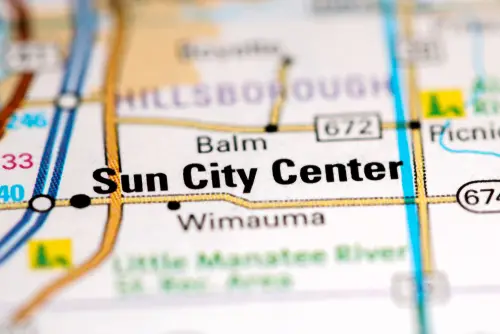
Sun City Center follows a similar blueprint to its predecessor and is also age-restricted. Most residents are 55 or older, and nearly all commerce reflects that reality. Golf cart paths connect homes to grocery stores, clinics, and restaurants. The design reduces dependence on driving, which is especially appealing to older adults.
The local economy depends heavily on healthcare, home services, and recreation-based businesses. Physical therapy offices, assisted living facilities, and maintenance services are widespread. Retail skews toward practical needs rather than nightlife or youth culture. Aging isn’t just common here, it’s the organizing principle.
4. Green Valley, Arizona

Green Valley sits south of Tucson and has quietly built an economy around retirees for decades. The town has one of the highest concentrations of older adults in Arizona, shaping housing and services. Recreation centers, hobby clubs, and volunteer organizations form the social backbone of the community. Tourism plays a smaller role compared to long-term residency.
Healthcare and senior services are major employers in Green Valley. Clinics, home health providers, and transportation services thrive due to steady demand. Even construction focuses on accessible, single-story homes. The town’s economic stability comes from knowing exactly who lives there.
5. Prescott, Arizona
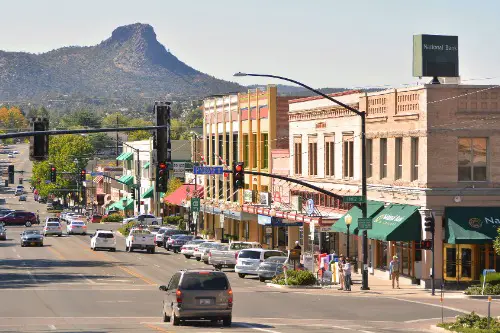
Prescott attracts retirees looking for a cooler climate and a walkable historic downtown. The city has expanded healthcare services significantly to meet the needs of older residents. Specialty medical practices, rehabilitation centers, and senior housing developments are prominent. These services support a growing population that plans to age in place.
The presence of retirees has reshaped Prescott’s job market. Healthcare and personal services employ a large share of the workforce. Cultural attractions, like museums and performances, cater to daytime schedules and long-term residents. Aging residents aren’t a side demographic here, they help sustain the city year-round.
6. Sarasota, Florida
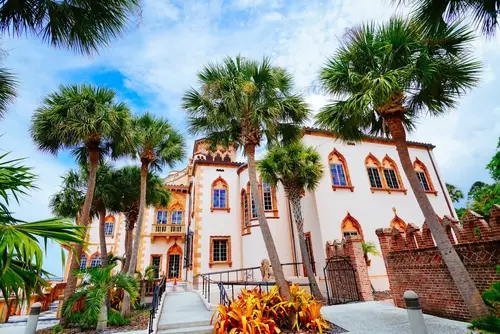
Sarasota has long been a magnet for retirees, especially those interested in arts and coastal living. The city’s economy blends tourism with services geared toward older adults. Hospitals, specialty medical centers, and senior living communities are major employers. Cultural institutions thrive thanks to residents with time and disposable income.
Retirees support a robust service economy beyond healthcare. Restaurants, theaters, and fitness studios design programming for older audiences. Real estate development focuses heavily on condos and maintenance-free living. Sarasota’s economic mix works because aging residents stay engaged locally.
7. Sun City, Arizona

Sun City is one of the original master-planned retirement communities in the United States, developed by Del Webb in the 1960s. From the beginning, its economy was shaped around retirees who wanted amenities rather than commutes. Medical offices, recreation centers, and age-restricted housing dominate the local landscape. Many businesses exist almost exclusively to serve older residents’ needs and preferences.
The town’s infrastructure reflects this focus on aging residents. Streets are designed for golf carts instead of heavy commuter traffic, and community centers anchor daily life. Healthcare employment is a major economic pillar, supported by the town’s older population. Sun City works because it doesn’t try to be everything to everyone.
8. Punta Gorda, Florida

Punta Gorda attracts retirees seeking a quieter alternative to larger Florida cities. The town has invested in walkability, waterfront access, and accessible housing. Healthcare facilities have expanded as the older population has grown. Senior living communities play a major role in the local economy.
Local businesses cater to long-term residents rather than tourists. Restaurants, fitness centers, and clubs operate on schedules that fit retiree lifestyles. Employment is concentrated in healthcare, property management, and services. Punta Gorda’s economy runs on stability rather than growth spikes.
9. Hilton Head Island, South Carolina
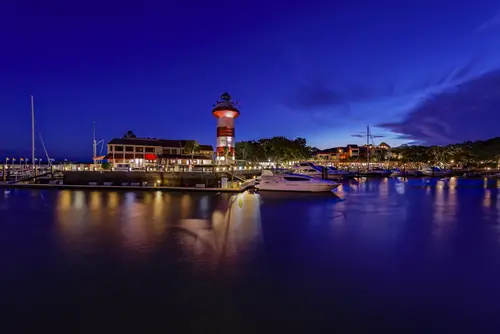
Hilton Head Island draws retirees who want resort-style living year-round. While tourism remains important, a large permanent older population shapes the economy. Healthcare services and age-friendly housing developments have expanded steadily. Recreation, especially golf and walking trails, supports active aging.
Many businesses adjust their offerings for older residents outside peak tourist seasons. Medical providers, home services, and community organizations rely on year-round demand. Volunteerism is high, reducing strain on local institutions. Aging residents help smooth the boom-and-bust cycle of tourism.
10. Beaufort, South Carolina
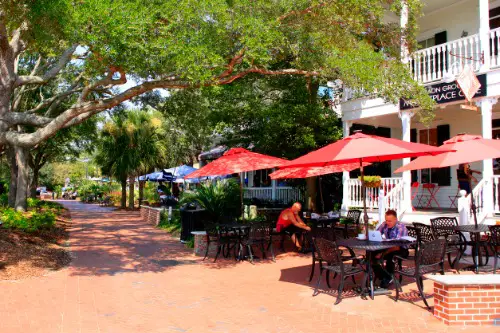
Beaufort appeals to retirees interested in history, coastal living, and a slower pace. The town’s economy benefits from older residents who settle permanently. Healthcare and assisted living facilities have grown alongside the retiree population. Local government planning often prioritizes accessibility and preservation.
Retirees support small businesses year-round. Restaurants, galleries, and service providers benefit from steady, predictable demand. Many older residents are involved in civic and nonprofit work. Beaufort’s economy reflects long-term residency rather than short-term visitors.
11. Asheville, North Carolina
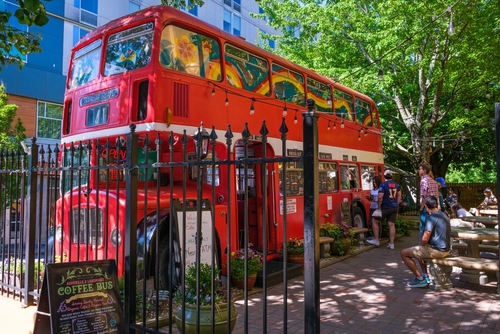
Asheville attracts retirees drawn to mountains, culture, and healthcare access. The city is home to a major regional medical center, which anchors employment. Senior housing and wellness services have expanded significantly. Retirees contribute to a diversified but aging-friendly economy.
Older residents support arts, dining, and local retail. Many have moved from larger cities and bring expectations for quality services. Aging has influenced city planning and housing development. Asheville balances youth culture with the needs of older adults.
12. Traverse City, Michigan
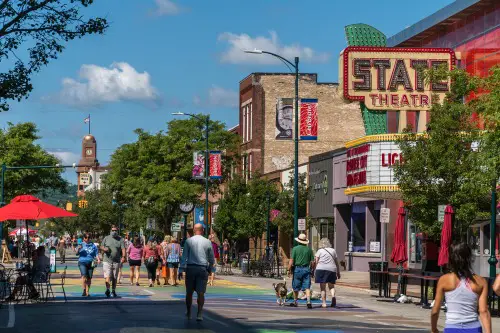
Traverse City has become a retirement destination for people seeking natural beauty and four seasons. The healthcare sector has expanded to support an aging regional population. Assisted living and independent senior housing are growing industries. Seasonal tourism is balanced by permanent older residents.
Retirees help stabilize the economy outside summer months. They support local shops, cultural events, and healthcare year-round. Many are active volunteers and civic participants. Aging residents add consistency to a tourist-driven town.
13. Santa Fe, New Mexico
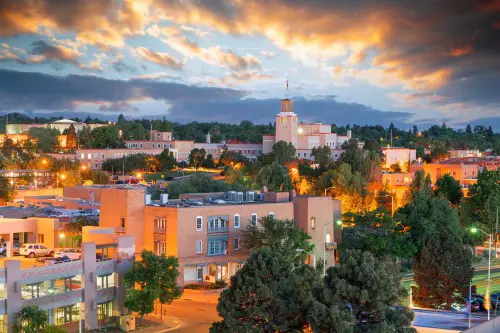
Santa Fe attracts retirees interested in art, culture, and a mild high-desert climate. The city has a well-developed healthcare system relative to its size. Senior living communities and home-care services are a significant part of the economy. Aging residents tend to stay long-term.
Retirees support galleries, museums, and cultural institutions. Many businesses cater to daytime crowds and long-term locals. Housing development increasingly reflects aging-friendly design. Santa Fe’s economy benefits from residents who are both older and deeply engaged.
14. Palm Springs, California

Palm Springs has been a retirement destination for decades, particularly for active older adults. Healthcare, real estate, and service industries are shaped by an aging population. The city offers extensive senior housing and wellness services. Seasonal residents also contribute to the economy.
Older residents support retail, dining, and cultural events outside peak tourist seasons. Recreation is designed around low-impact activities like swimming and golf. Aging is part of the city’s identity, not a niche. The economy reflects that openness.
15. Medford, Oregon
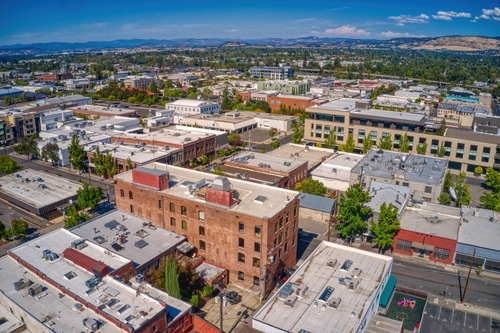
Medford has become a hub for retirees in southern Oregon. The region’s healthcare system has expanded to serve an older population across multiple counties. Senior housing, rehabilitation, and specialty care are major employers. The cost of living attracts people planning long retirements.
Retirees support local businesses and healthcare year-round. Many move from more expensive West Coast cities and settle permanently. Aging residents influence housing and transportation planning. Medford’s economy increasingly revolves around long-term care and stability.
This post These 15 Towns Built Entire Economies Around Aging was first published on American Charm.

