
1. Centralia, Pennsylvania
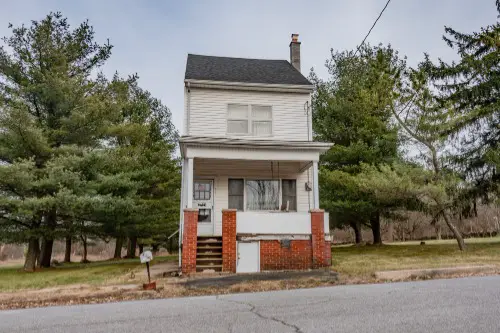
Centralia’s collapse began in 1962 with an underground coal mine fire that continues to burn today. Toxic gases and unstable ground made living there dangerous, prompting a government-funded relocation program. Streets were torn up and homes demolished as residents accepted buyouts. The town effectively ceased to function as a community.
What makes Centralia unsettling is how deliberate and slow its disappearance was. Families didn’t flee all at once, but gradually watched neighbors leave. The remaining roads lead to empty lots and smoke-venting ground. It’s a rare case where environmental disaster erased a town without a single dramatic moment.
2. Cairo, Illinois
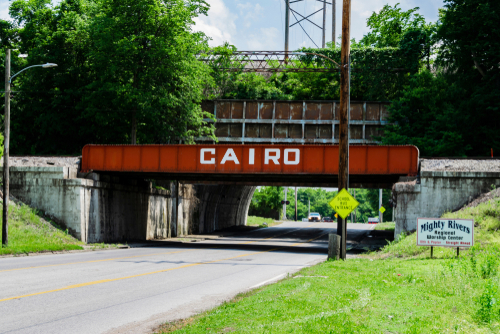
Cairo sits at the meeting point of the Mississippi and Ohio rivers, a location that once made it a thriving transportation and trade hub. As river commerce declined and rail traffic dried up, jobs disappeared faster than replacements could arrive. Longstanding racial tensions and episodes of violence in the mid-20th century accelerated population loss and disinvestment. What remains is a town far smaller and poorer than its former self.
The sense of collapse in Cairo is visual and immediate. Downtown blocks are filled with shuttered storefronts and vacant civic buildings. Essential services exist but feel fragile and stretched thin. Cairo shows how economic decline paired with unresolved social division can hollow out a community over decades.
3. Flint, Michigan
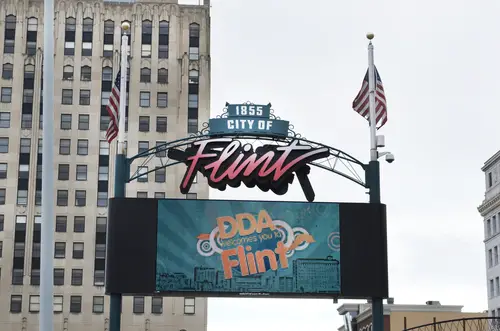
Flint’s fortunes were tied to General Motors, and when manufacturing jobs declined, the city unraveled. Plant closures led to unemployment, population loss, and shrinking public revenue. The 2014 water crisis exposed residents to lead after officials switched water sources to save money. That decision highlighted how little political power the city retained.
Flint represents collapse not just economically, but institutionally. Residents lost trust in government systems meant to protect them. Many neighborhoods still struggle with abandoned homes and underfunded services. The city shows how long-term disinvestment can turn routine cost-cutting into catastrophe.
4. Gary, Indiana
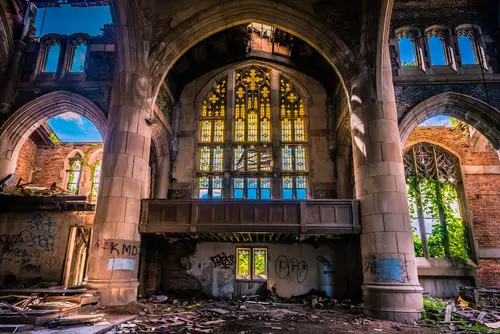
Gary was built by U.S. Steel and grew rapidly as a company town in the early 20th century. When the steel industry declined in the 1970s, tens of thousands of jobs vanished. Population loss followed quickly, draining the city’s tax base. Attempts to diversify the economy came after much of the damage was done.
Gary’s collapse is visible in its oversized infrastructure. Schools, hospitals, and public buildings remain but serve far fewer people. Entire neighborhoods sit partially abandoned. The city illustrates how dependence on a single employer can leave a place defenseless when the market changes.
5. Youngstown, Ohio
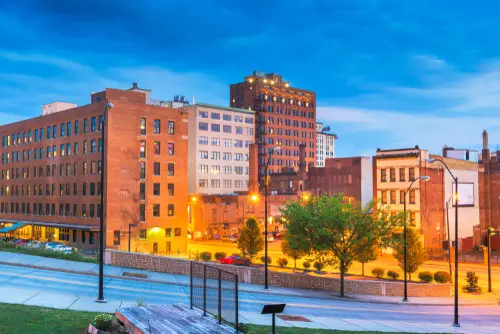
Youngstown’s defining moment came in 1977 when major steel mills announced mass closures. Known locally as “Black Monday,” it marked the beginning of long-term economic decline. Thousands lost jobs almost overnight, and small businesses soon followed. Population steadily declined as residents left in search of work.
The collapse in Youngstown feels personal because it was sudden and deeply communal. Families who had worked the mills for generations were displaced. Vacant lots replaced once-dense neighborhoods. Youngstown shows how industrial collapse can fracture identity as well as income.
6. Pine Ridge, South Dakota
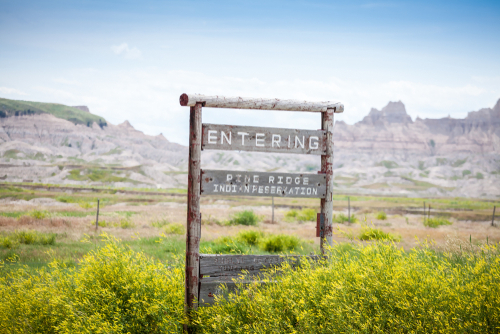
Pine Ridge sits on the Pine Ridge Reservation and reflects systemic collapse rooted in federal policy. Chronic underfunding, limited employment opportunities, and poor infrastructure have persisted for generations. Life expectancy and poverty rates are among the worst in the country. These conditions didn’t emerge accidentally.
What makes Pine Ridge a collapse story is its normalization of crisis. Housing shortages, food insecurity, and inadequate healthcare are routine. The community survives despite structures that fail it. Pine Ridge demonstrates how neglect over time can be just as destructive as sudden disaster.
7. Detroit, Michigan
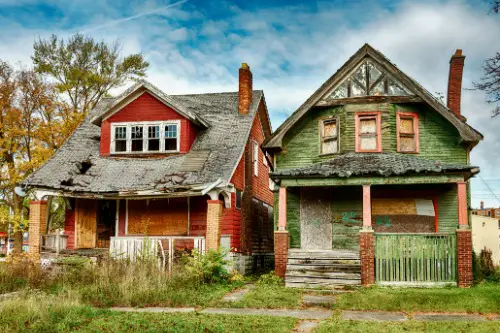
Detroit was once the symbol of American industrial power, fueled by the auto industry. As manufacturing declined and suburbs expanded, the city lost both jobs and residents. Mismanagement and shrinking revenue culminated in the largest municipal bankruptcy in U.S. history in 2013. Entire neighborhoods emptied out.
Detroit’s collapse is defined by scale rather than absence. Miles of abandoned housing sit alongside revitalized downtown pockets. Public services struggled to keep up with the city’s physical size. It shows how rapid growth followed by sharp decline can overwhelm governance systems.
8. East St. Louis, Illinois
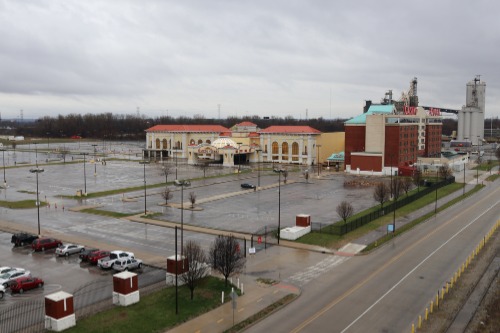
East St. Louis prospered during the early 20th century due to railroads and industry. Deindustrialization, racial segregation, and highway construction cut the city off from economic opportunity. Businesses fled while pollution and poverty remained. The population dropped dramatically over several decades.
The collapse here feels entrenched rather than sudden. Infrastructure deteriorated faster than it could be repaired. Schools and public safety systems were chronically underfunded. East St. Louis reflects how structural inequality can lock a city into long-term decline.
9. McDowell County, West Virginia
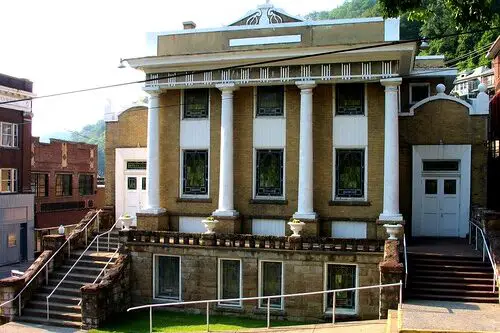
McDowell County thrived during the coal boom, once producing more coal than any other county in the nation. As coal employment declined, jobs vanished with no replacement industries. The population fell by more than 80 percent from its peak. Towns emptied out across the county.
Collapse in McDowell County is spread across many small communities rather than one city. Schools closed due to lack of students. Roads and utilities serve far fewer residents than they were built for. It’s a clear example of resource extraction leaving little behind once profits disappear.
10. Camden, New Jersey
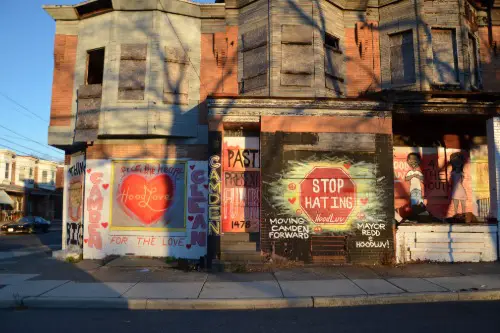
Camden lost manufacturing jobs and middle-class residents over decades. Proximity to Philadelphia didn’t translate into shared prosperity. Crime and poverty became defining narratives, discouraging investment. The city eventually disbanded its police force and rebuilt it at the county level.
Camden’s collapse was driven by institutional failure as much as economics. Public schools struggled, and municipal finances were deeply strained. Recent redevelopment hasn’t erased decades of damage. Camden shows how urban decline can persist even near wealth and opportunity.
11. Salton City, California
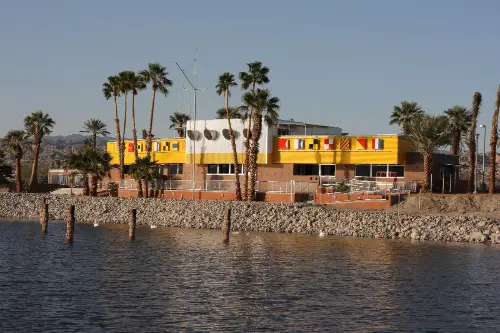
Salton City was planned as a resort community along the Salton Sea. Agricultural runoff and rising salinity poisoned the lake, killing fish and driving away tourism. As property values collapsed, residents left. Infrastructure was built for a population that never arrived.
The collapse here feels surreal because it was based on optimism that never materialized. Streets stretch through empty desert neighborhoods. Environmental decay made revival increasingly unlikely. Salton City illustrates how environmental miscalculation can doom planned communities.
12. Picher, Oklahoma
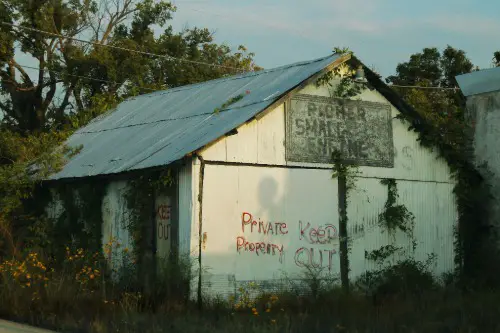
Picher was once a booming mining town at the center of the Tri-State Mining District, producing lead and zinc for much of the 20th century. When mining slowed, massive piles of toxic mine waste known as “chat” were left behind. Lead contamination became so severe that the area was declared a Superfund site. Health risks, including elevated lead levels in children, made long-term habitation unsafe.
Picher’s collapse unfolded through government buyouts rather than sudden evacuation. Residents gradually accepted relocation as schools closed and services vanished. A powerful tornado in 2008 accelerated the town’s abandonment. Today, Picher is officially a ghost town, showing how environmental damage can erase a community even after industry is gone.
This post These Towns Are What “Collapse” Looks Like in Real Life was first published on American Charm.

