
1. Monowi, Nebraska — The Town of One
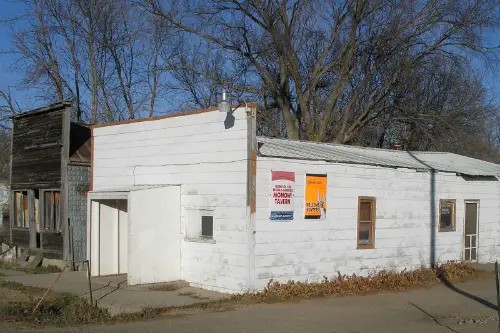
Monowi is the only incorporated town in the U.S. with a population of one. Elsie Eiler is the mayor, librarian, bartender, and treasurer all rolled into one, keeping the town technically alive. Once a bustling village with over a hundred residents, it now exists almost entirely in her tireless maintenance. Visitors come to see the famous Monowi Tavern and the tiny library, a living snapshot of rural determination.
Even with just one person, Monowi has a town budget, a library catalog, and a sense of civic pride. It’s a quirky reminder that shrinking doesn’t always mean disappearing. The town still gets mail, maintains street signs, and welcomes curious travelers. Life here is minimal but meaningful, a human-scale demonstration of holding on.
2. Cairo, Illinois — A River Town in Retreat
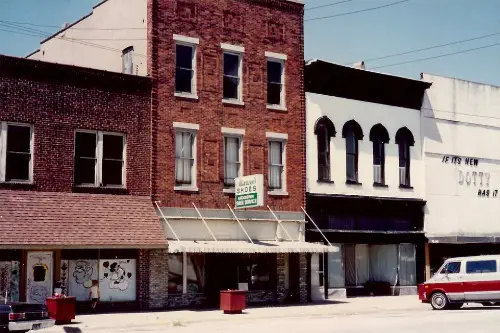
Cairo sits at the confluence of the Ohio and Mississippi rivers, a location that once promised commerce and growth. Its population has fallen dramatically over the past century, from thousands to just a fraction of that. Businesses have closed, schools have shrunk, and entire neighborhoods are abandoned. Despite this, a handful of residents remain committed to preserving history and keeping a community alive.
Cairo’s decline is a combination of economic shifts and social challenges, but locals continue to maintain essential services. Some historic buildings are still in use, and occasional cultural events bring people together. The town shows how resilience can exist even amid long-term decline. Life goes on here quietly, with a stubborn sense of identity.
3. Pine Bluff, Arkansas — Shrinking in Plain Sight

Pine Bluff has lost significant population over recent decades as jobs disappeared and residents moved elsewhere. Once a hub for agriculture and industry, its downtown is dotted with empty buildings. Community leaders still talk up revitalization plans and host festivals to bring people together. Residents remain optimistic, trying to show that the town is still full of life.
The city’s vacant homes are reminders of broader economic struggles, yet local schools and churches continue to operate. Citizens volunteer to maintain parks, libraries, and community centers. Despite the numbers, there is a strong sense of civic engagement. Pine Bluff is shrinking but refuses to disappear quietly.
4. Youngstown, Ohio — Rust Belt Reality
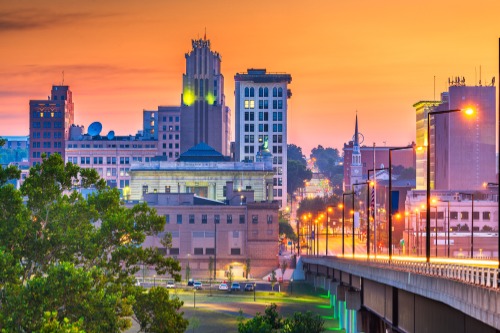
Youngstown’s steel industry collapse led to a dramatic population decline over the past decades. Once bustling neighborhoods are now quiet, and many buildings stand empty. Yet local sports events, churches, and community programs continue to bring residents together. The city retains a gritty pride despite the challenges of shrinkage.
Families who remain often hold deep roots in the area, celebrating long-standing traditions. Efforts to restore neighborhoods show that decline doesn’t equal abandonment. The city shrinks, but it still moves with life and routine. Youngstown proves that community spirit can survive even in contraction.
5. Flint, Michigan — More Than Water Troubles

Flint has seen a population drop since the decline of auto industry jobs, long before the water crisis drew national attention. Entire neighborhoods have fewer families, yet schools and community centers are still active. Grassroots organizations and local initiatives help maintain services for those who remain. Residents find ways to support each other despite the shrinking tax base.
Art projects, community gardens, and local festivals highlight the city’s ongoing vitality. Shrinking doesn’t mean giving up; it’s about adapting to fewer people. Families and neighbors continue routines, teaching children and maintaining homes. Flint demonstrates the resilience of a community under pressure.
6. Gary, Indiana — Steel Town Slowly Emptying
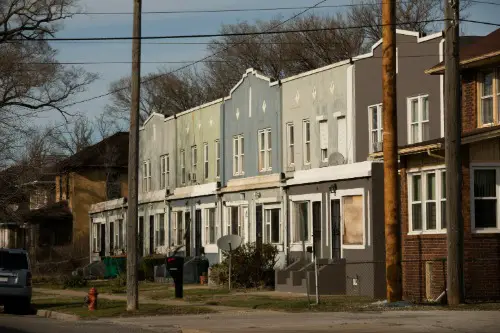
Gary’s population has been halved since its steel industry heyday. Factory closures caused widespread outmigration, leaving abandoned homes alongside occupied neighborhoods. Churches, parks, and civic groups still keep the city active. Residents talk about Gary pride, determined to maintain identity despite population loss.
The city is a patchwork of emptiness and activity, with small businesses and local events bridging gaps. Families who stay hold strong social ties and traditions. Life continues in pockets of the city, even as overall numbers shrink. Gary shows that community doesn’t vanish just because the census declines.
7. Danville, Illinois — Industrial Shifts Leave Their Mark
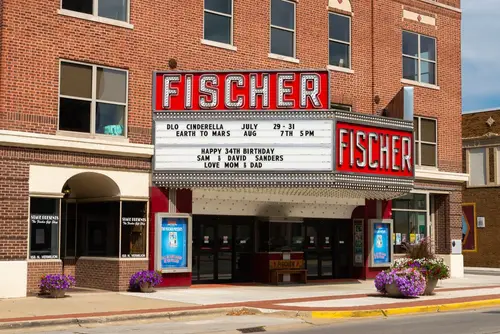
Danville lost much of its population after coal mines and manufacturing jobs disappeared. Downtown blocks show signs of abandonment, but schools, libraries, and local shops remain open. Festivals and sporting events still draw crowds, keeping civic life alive. Residents insist the town remains a good place to live despite the statistics.
The shrinking population hasn’t erased local pride. Volunteers maintain parks and organize community programs. Small businesses continue to serve loyal locals. Danville demonstrates how towns can shrink while holding on to essential community life.
8. Beckley, West Virginia — Coal’s Retreat Echoes in the Hills
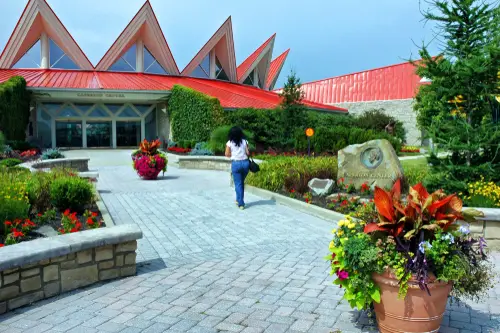
Beckley’s population decline mirrors the fall of coal and related jobs in the region. Many older homes and mine-era structures stand empty, telling stories of past prosperity. Still, the town hosts festivals, farmers’ markets, and outdoor events that bring people together. Residents find ways to stay connected despite economic challenges.
Community spirit remains evident through civic projects and local initiatives. Shrinkage has reshaped the town, not erased it. Churches, small businesses, and schools continue to operate. Beckley shows resilience in the face of demographic decline.
9. Steubenville, Ohio — Cross-River Decline
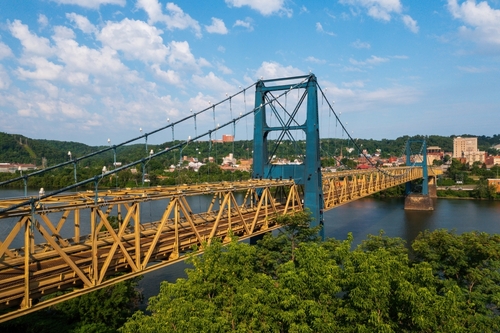
Steubenville lost residents after factories closed and economic opportunity dwindled. Yet high school sports, community gatherings, and riverfront walks keep the town active. Locals joke that everyone still knows everyone else. Empty buildings sit alongside occupied homes, showing a town that is shrinking but not gone.
The town’s decline is gradual, not sudden. Families maintain routines, celebrating local culture and history. Life continues in diners, parks, and public spaces. Steubenville illustrates that shrinking towns can still feel lived-in.
10. Saginaw, Michigan — Manufacturing’s Aftermath
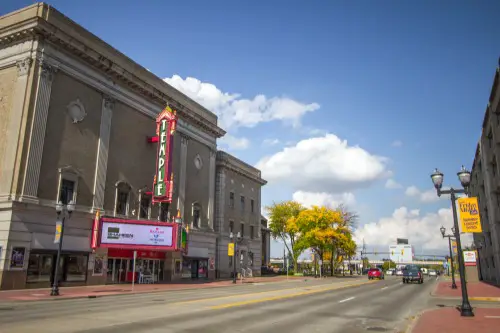
Saginaw has lost a significant portion of its population since the decline of manufacturing jobs. Despite empty lots, the city still hosts music venues, community events, and urban gardening projects. Residents maintain pride in their roots and neighborhood connections. Shrinking hasn’t silenced the city’s local energy.
Families and civic groups continue traditions and events that give life to the town. Vacant homes coexist with occupied ones, highlighting demographic shifts. Local schools, sports, and cultural programs keep community ties strong. Saginaw’s story is one of resilience amid contraction.
11. Sac City, Iowa — Community Spirit Endures

Sac City has seen its population decline due to economic changes, yet civic engagement remains high. Volunteers run libraries, swimming pools, and local festivals. The town hosts quirky events like oversized popcorn ball celebrations, drawing visitors and maintaining local pride. Residents focus on sustaining community life despite fewer people.
The town’s energy comes from commitment rather than numbers. Shrinkage has reshaped the town, but it hasn’t destroyed it. Families continue to settle and participate in civic life. Sac City demonstrates that population loss doesn’t equal cultural disappearance.
12. Decatur, Illinois — Corporate Exits and Local Effort
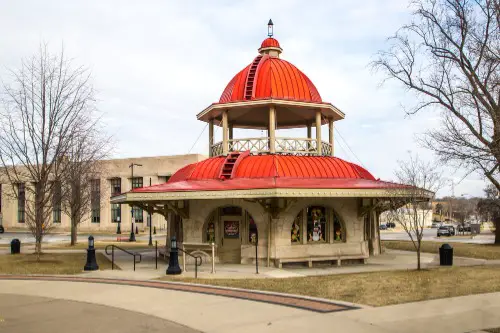
Decatur lost residents when major employers downsized or relocated. Factories and offices once central to the local economy are now partially empty. Still, festivals, farmers’ markets, and arts programs keep daily life vibrant. Residents continue to maintain schools, parks, and community centers, sustaining a sense of normalcy.
Population shrinkage is visible, but it hasn’t erased identity. People still gather for sports events, cultural activities, and neighborhood traditions. The town persists through civic engagement and social bonds. Decatur’s story shows that shrinking towns can survive while adapting to change.
This post These Towns Are Shrinking and Pretending Everything’s Fine was first published on American Charm.

